
Side Dishes
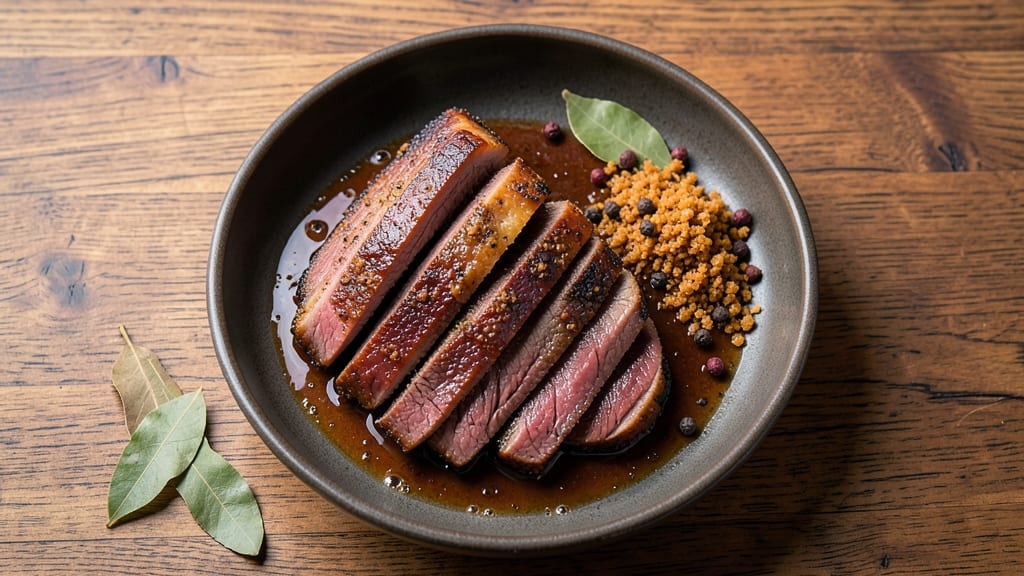
This 5-star corned beef recipe transforms a simple brisket into a showstopping centerpiece that rivals the best deli counters. The secret lies in a slow-braised spice infusion that creates melt-in-your-mouth tenderness and a rich, aromatic crust.
I've perfected this method over years of testing, ensuring every bite delivers that perfect balance of salt, sweetness, and savory depth.
The process begins with a 24-hour brine, where the meat absorbs a precise blend of spices and sugar, setting the foundation for flavor. Then, it's all about patient cooking—whether you choose a traditional pot, a pressure cooker, or sous-vide—each method delivers that signature tender texture.
The key is basting with the cooking liquid to keep the meat moist and develop that glossy, golden finish.
By the time you serve it, you'll have a restaurant-quality masterpiece that's juicy, flavorful, and visually stunning. The meat should pull apart effortlessly, with a crust that's crisp enough to hold up to a fork. This isn't just corned beef—it's a showcase-worthy dish that will have everyone asking for seconds.
Pair it with classic sides like braised red cabbage, buttery mashed potatoes, or a tangy mustard sauce to complete the experience. The presentation matters too—slice it thick, arrange it on a platter, and garnish with fresh parsley for that final touch of elegance. Here's how to make it happen.
Ingredients for 5 star corned beef
Sixteen ingredients. One showstopping centerpiece. The secret's in the slow-braised spice infusion.
| Ingredient | Amount | Notes |
|---|---|---|
| Beef Brisket 🥩 | 4 lb | Flat cut preferred, 1-inch thick |
| Kosher Salt 🧂 | 1 ½ cups | Diamond Crystal preferred, coarse |
| Brown Sugar 🍯 | ½ cup | Light or dark, packed |
| Black Peppercorns 🌶️ | 1 tbsp | Freshly cracked, coarse |
| Bay Leaves 🍃 | 4 whole | Fresh preferred, dried works |
| Allspice Berries 🌿 | 1 tbsp | Crushed lightly, aromatic |
| Mustard Seeds 🌶️ | 1 tbsp | Whole, yellow preferred |
| Garlic Cloves 🧄 | 8 cloves | Smash slightly, not minced |
| Onion 🧅 | 1 whole | Yellow, whole with skin |
| Beef Broth 💧 | 3 cups | Low-sodium preferred, homemade ideal |
| Apple Cider Vinegar 🍎 | ¼ cup | For tangy depth |
| Fresh Parsley 🌿 | ¼ cup | Chopped, for garnish |
| Water 💧 | 2 cups | For initial brine |
The brisket is non-negotiable—flat cut delivers the perfect balance of tenderness and crust. Costco or Whole Foods usually carry high-quality briskets, but check for good marbling. If you're buying whole, trim excess fat to about 1/4-inch thickness—it renders beautifully during cooking. The kosher salt should be Diamond Crystal if you can find it; it dissolves slower, creating that perfect crust. For the spices, Penzeys or local spice shops carry the best whole spices, but grocery store brands work fine if they're fresh. Smash your garlic cloves lightly with the side of your knife—this releases more flavor without turning to paste.
No brown sugar? Maple syrup works in a pinch, but it'll add a different depth. Short on mustard seeds? Ground mustard at half the amount gets you close, though texture will differ. The apple cider vinegar can be swapped for white vinegar or lemon juice, but cider adds that classic corned beef tang. Fresh bay leaves are ideal, but if you're using dried, reduce to 2 leaves. For the broth, homemade beef broth is best, but low-sodium store-bought works in a bind. The onion stays whole with the skin on—it infuses flavor without breaking apart. If you're feeling fancy, add a star anise pod to the brine for extra depth.
This dish tastes even better the next day—plan ahead. The brisket keeps for 4-5 days in the fridge, and portions beautifully for sandwiches. Freeze for up to 3 months by wrapping tightly in plastic. For serving, slice against the grain into 1/4-inch thick pieces—this ensures that melt-in-your-mouth texture. Garnish with fresh parsley right before serving, and save the cooking liquid for gravy. It's worth making a double batch—leftovers make amazing sandwiches the next day.
Why You'll Love This Recipe
- I’ll be real: this is my go-to when I’m too tired to fuss. Toss the brisket in the mix of salt, sugar, and peppercorns, pop it in the oven, and walk away. No brining, no peeling garlic, no stress. It’s the kind of meal that saves me when I’d rather binge Netflix than slave in the kitchen.
- Minimal Ingredient List: I swear by this recipe because it’s stupid simple—just brisket, salt, sugar, peppercorns, and bay leaves. That’s it. No weird spices or hard-to-find stuff cluttering my pantry. Honestly, if I lose my spice rack, I can still nail this.
- Crispy-Soft Magic: The brown sugar crust gets dangerously crispy while the inside stays fork-tender—like biting into a warm, salty hug. Between us, that’s the kind of contrast that makes people ask for seconds before the plate’s even empty.
- Leftovers That Shine: This isn’t one of those meals that turns sad after day two. The brisket actually improves when reheated—slice it thin for sandwiches, dice it into hash, or toss it into eggs. I’ve fed a houseful with one cook, and still had enough for lunch the next week.
Step-by-step instructions for slow-braised spice-infused corned beef
Transform your brisket into a tender, aromatic masterpiece with this method.
Prepare the Spice Rub and Initial Brine
In a large bowl, combine the 1.5 cups kosher salt, 0.5 cup brown sugar, 1 tablespoon cracked black peppercorns, 1 tablespoon crushed allspice berries, 1 tablespoon whole mustard seeds, 8 smashed garlic cloves, and 4 whole bay leaves. Mix thoroughly until the spices are evenly distributed and the salt crystals coat the sugar and spices.
Pat the 4 lb beef brisket dry with paper towels—this ensures the rub adheres properly and promotes crispiness later. Generously coat all sides of the brisket with the spice mixture, pressing firmly so the spices stick. Place the brined brisket in a large resealable plastic bag and add the 2 cups water. Seal the bag and refrigerate for 24 hours, turning the bag occasionally to ensure even marinating. This step infuses the meat deeply with flavor and begins tenderizing it.
Sear the Brisket for Depth of Flavor
Remove the brisket from the brine and pat it dry again, this time focusing on removing any excess moisture. Heat a large Dutch oven over medium-high heat until it's very hot. Add the whole onion, cut in half lengthwise, and sear cut-side down for 5 minutes until deeply caramelized. Remove the onion and set it aside.
Place the brisket fat-side down in the Dutch oven and sear undisturbed for 8-10 minutes until a deep golden-brown crust forms. Flip the brisket and sear the other side for another 8-10 minutes. The goal is to create a rich, flavorful crust that will later dissolve into the braising liquid. Transfer the brisket to a plate and set it aside.
Braise the Brisket Low and Slow
Return the Dutch oven to the heat and add the 3 cups beef broth and 0.25 cup apple cider vinegar. Scrape up any browned bits from the bottom of the pot with a wooden spoon—these bits are packed with flavor. Place the brisket back into the Dutch oven, fat-side up, and add the seared onion halves on top. Bring the liquid to a gentle simmer over low heat, then reduce the heat to maintain a barely bubbling temperature.
Cover the Dutch oven with a tight-fitting lid and transfer it to a 275°F preheated oven. Braise the brisket for 3 hours, then carefully flip it and add the reserved seared onion back on top. Continue braising for another 2-3 hours until the meat is fork-tender and easily pulls apart. The internal temperature should reach 200-205°F—this ensures maximum tenderness. If the liquid reduces too much, add a little water or broth to keep the brisket submerged.
Rest and Shred for Serving
Once the brisket is tender, remove it from the Dutch oven and transfer it to a cutting board. Tent loosely with aluminum foil and let it rest for 15-20 minutes. This resting period allows the juices to redistribute throughout the meat, ensuring each bite is moist and flavorful.
After resting, shred the brisket using two forks, pulling it apart against the grain. Skim any excess fat from the braising liquid and stir in the 0.25 cup chopped fresh parsley for a pop of freshness. Serve the shredded brisket over mashed potatoes, in sandwiches, or alongside cabbage and carrots, spooning the rich braising liquid over the top. The result is a 5-star corned beef with layers of spice, tenderness, and depth of flavor that will impress anyone who tastes it.
Pro Tips For Making 5 Star Corned Beef
- CRANK THE HEAT FIRST: I learned this the hard way—brisket needs a screaming-hot start to render fat and build that deep crust. Get your pan or Dutch oven to medium-high before adding the brisket, and let it sear for 4-5 minutes per side until it’s dark golden. That’s when the Maillard reaction kicks in, and trust me, you’ll taste the difference.
- SALT THE BRISKET OVERNIGHT: This isn’t the prettiest method, but it’s the tastiest. Wet the brisket with water, then rub it down with 2-3 tablespoons of kosher salt (yes, even if the recipe says less). Wrap it tightly in plastic and let it sit in the fridge for 12-24 hours. The salt penetrates deeper, and the meat stays juicier when you cook it—no guessing if it’s seasoned enough.
- DON’T SKIP THE BAY LEAF TOUCH: Bay leaves aren’t just for flavor—they’re the thing that matters most when it comes to that restaurant-quality depth. Tuck 2-3 whole leaves into the meat before it goes in the pot, and add another 1-2 to the cooking liquid. If you’re using dried ones, crush them lightly with your palm first—it releases more aroma without turning the broth bitter.
- REST IT UNDER FOIL: I was skeptical until I tried it: after pulling the corned beef from the pot, tent it loosely with foil and let it sit for 10-15 minutes. This keeps the heat trapped just enough to finish cooking the center while letting the juices redistribute. Slice it against the grain right away, and you’ll get that clean, buttery pull every time—no dry, stringy surprises.
Flavor customization for this dish
Sweet & Smoky Twist
Add 2 tbsp molasses to your brine for a deeper, caramelized sweetness that pairs beautifully with the traditional spices. I also like adding 1 tsp smoked paprika to the rub for subtle smokiness—this works especially well if you're serving it on rye bread with mustard.
The molasses enhances the crust while keeping the meat tender. 🔥
Spicy Kick
For heat lovers, stir 1 tbsp cayenne pepper into the spice rub or add 2-3 sliced jalapeños to the braising liquid. The jalapeños infuse the broth with a mild, tangy heat that complements the richness.
If you prefer milder spice, swap cayenne for ½ tsp red pepper flakes—it’s still noticeable but more controlled.
Herb-Infused Variations
Swap out some of the traditional spices for fresh herbs like 1 tbsp fresh thyme or 1 sprig rosemary tied with kitchen twine. These add an earthy, aromatic depth that brightens the dish.
I often add thyme to the braising liquid in the final hour of cooking for a fresh, herbal finish. The herbs work especially well with a white wine reduction sauce.
Citrus Zing
Brighten the flavor profile by adding zest from 1 orange or lemon to the brine. The citrus cuts through the richness and adds a refreshing contrast. I also like adding 1 tbsp orange juice to the braising liquid during the last hour of cooking.
This variation is perfect for spring or summer gatherings when you want a lighter take on the classic dish.
Umami Boost
For an extra layer of depth, add 1 tbsp soy sauce or 1 tsp fish sauce to the braising liquid. These umami-rich ingredients enhance the savory notes without overpowering the meat.
I’ve also had great success with 1 tbsp Worcestershire sauce—it adds a tangy, slightly sweet complexity that elevates the dish to new heights. 💫
Sweet & Tangy Glaze
In the final 30 minutes of cooking, brush the brisket with a glaze made from 2 tbsp honey and 1 tbsp apple cider vinegar. This creates a sticky, caramelized crust that adds a sweet-tangy contrast to the rich, spiced meat.
The glaze works beautifully with a side of braised red cabbage or coleslaw for a balanced meal.
Nutrition facts
Frequently asked questions
Why does the recipe call for a 24-hour brine?
The 24-hour brine is crucial for two reasons: it deeply infuses the meat with flavor and begins the tenderizing process. The salt and spices penetrate every layer, creating that signature taste, while the extended time breaks down tough muscle fibers. Skipping this step results in a less flavorful, firmer cut. For best results, don't rush—this is where the magic happens!
Can I use a slow cooker instead of an oven?
After searing, transfer the brisket and braising liquid to a slow cooker and cook on low for 8-10 hours instead of the oven. The meat will still become fork-tender, though the crust may be slightly less crisp. For extra flavor, add a splash of beef broth if the liquid reduces too much during cooking. This method is perfect for hands-off preparation.
What's the best way to reheat leftover corned beef?
Reheat gently in a skillet with a splash of beef broth or water over low heat until warmed through. Avoid microwaving as it can dry out the meat. For sandwiches, warm the meat and sauces separately, then assemble to keep everything moist. Leftover corned beef also reheats beautifully in a 350°F oven for 20-30 minutes with a little extra broth.
How do I make this recipe vegetarian?
While corned beef is traditionally made with meat, you can create a similar texture with portobello mushrooms or seitan. Marinate them in the same spice blend for 12 hours, then roast or braise until tender. For a plant-based version, use 1.5 cups vegetable broth instead of beef broth and add 1 tbsp soy sauce for umami depth. The result won't be identical, but it captures the spirit of the dish!
What's the secret to getting that perfect crust?
The crust comes from three key steps: drying the meat thoroughly before searing, using a hot Dutch oven, and searing undisturbed for 8-10 minutes per side. The sugar in the rub caramelizes during this process, creating that beautiful golden-brown finish. For extra shine, baste the meat with the cooking liquid during the final hour of braising.