
Main Courses
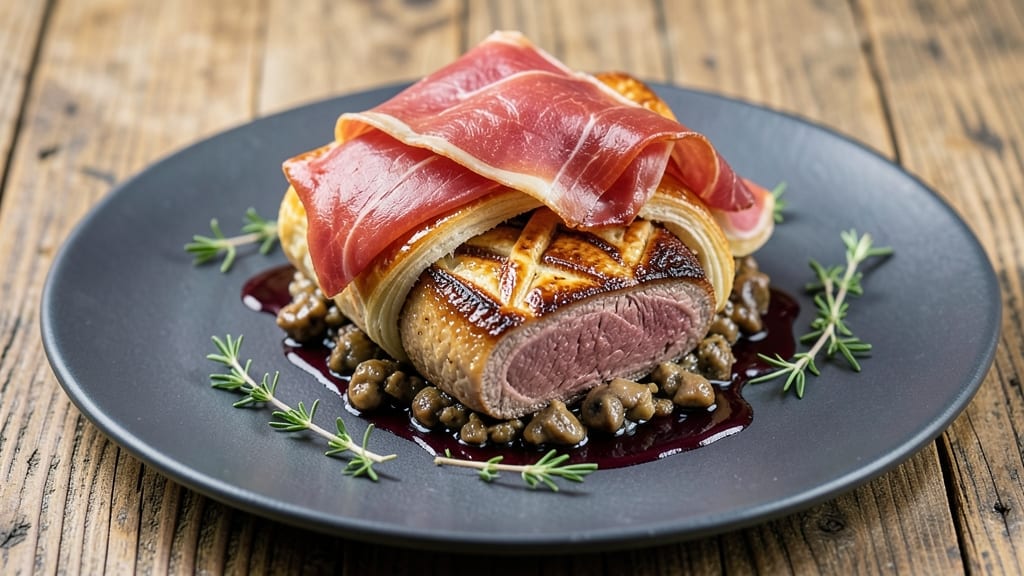
A 72-hour beef Wellington recipe transforms an ordinary dinner into a showstopping centerpiece that tastes like a Michelin-starred restaurant. This isn't just a dish—it's an experience, where tender beef fillet, rich mushroom duxelles, and flaky puff pastry come together in perfect harmony.
The secret lies in the patience: letting the beef marinate for three days develops deep, complex flavors that elevate every bite.
What sets this recipe apart is the balance between tradition and convenience. While we'll use store-bought puff pastry for simplicity, we'll still prepare the classic mushroom duxelles from scratch—finely chopped mushrooms sautéed with shallots, garlic, and fresh herbs until completely dry.
This technique, combined with prosciutto-wrapped beef and pâté, creates layers of flavor that build with each forkful.
The result is a golden-brown pastry crust encasing perfectly cooked beef with a tender, caramelized exterior. The pastry achieves that signature crispness while remaining tender inside, and the mushroom filling adds earthy depth that complements the beef's richness.
This isn't just dinner—it's an occasion, and the best part? The same techniques work whether you're cooking for two or a holiday feast.
We'll cover every step—from preparing the duxelles to assembling the Wellington and baking it to golden perfection. The key is confidence in each layer, knowing that when you slice into this masterpiece, the flavors will be worth every moment of preparation. Let's get started on creating something truly special.
Ingredients for 72 hour beef wellington
Pantry staples meet restaurant-quality ingredients for a Wellington that wows.
| Ingredient | Amount | Notes |
|---|---|---|
| Beef Tenderloin Fillet 🥩 | 1 ½ lb | Center-cut, even thickness |
| Prosciutto di Parma 🍖 | 8 oz | Thinly sliced, high-quality |
| Puff Pastry 🥧 | 1 sheet | Store-bought, room temperature |
| Mushroom Duxelles 🍄 | 2 cups | Finely chopped, homemade preferred |
| Dijon Mustard 🍯 | 2 tbsp | High-quality, smooth variety |
| Fresh Thyme 🌿 | ½ cup | Leaves only, finely chopped |
| Fresh Parsley 🌿 | ¼ cup | Flat-leaf, finely chopped |
| Shallots 🧅 | 2 whole | Minced, finely chopped |
| Garlic Cloves 🧄 | 4 cloves | Minced, peeled |
| Chicken Liver Pâté 🍗 | ½ cup | Smooth, high-quality brand |
| Unsalted Butter 🧈 | ¼ cup | Cold, for pastry brush |
| Diamond Crystal Kosher Salt 🧂 | 1 tsp | Fine grain preferred |
| Freshly Ground Black Pepper 🌶️ | ½ tsp | Coarse grind preferred |
| Egg Yolk 🥚 | 1 whole | For egg wash |
| Heavy Cream 🥛 | ¼ cup | For mushroom duxelles |
The beef is non-negotiable—center-cut tenderloin with even thickness ensures perfect cooking. Costco or Whole Foods carry excellent quality, but any butcher will trim it properly. For prosciutto, Prosciutto di Parma is ideal, but any high-quality dry-cured ham works. The puff pastry? Store-bought is fine—look for brands like Pepperidge Farm or Duke's for that signature flakiness. Thaw it overnight in the fridge, and let it sit at room temperature for 20 minutes before using. Fresh herbs are a must here—thyme and parsley should be vibrant, not wilted or yellowing.
No prosciutto? Thinly sliced salami or smoked ham can substitute, but flavor will differ. For the pâté, high-quality chicken liver pâté is essential—brands like Paté en Croûte or Bouillon are worth seeking out. If you can't find it, homemade liver pâté works too. The mushroom duxelles can be prepped ahead—store it in an airtight container for up to 3 days—but fresh is always better. For the Dijon mustard, avoid the powdered kind—it lacks depth. If you're short on time, pre-made duxelles from specialty stores can save steps, though homemade is superior.
This is a make-ahead masterpiece—assemble the Wellington up to 24 hours ahead and refrigerate. The pastry will firm up, making slicing easier. For the mushroom duxelles, cook it low and slow to render all moisture—this is key for that signature dry texture. Store any leftovers in the fridge for 3 days, but honestly, you'll likely devour it all in one sitting. The pâté and prosciutto can be wrapped in plastic and kept in the fridge for up to 1 week, but use them fresh for the best results.
Why You'll Love This Recipe
- Puff Pastry Shortcut: I swear by the store-bought puff pastry here—no need to roll it out or stress about layers. Just unwrap, spread the duxelles, and wrap that tenderloin like a present. It’s the kind of magic that makes you feel like a home chef, not a line cook.
- Salty-Savory Magic: That prosciutto isn’t just decoration—it melts into the beef like a salty, herby hug. And the Dijon mustard? It’s the secret weapon that cuts through the richness while adding a bright, tangy kick. Honestly, the first bite makes you forget you’re not in a fancy restaurant.
- Date Night Ready: Between us, this is the dish I pull out when I want to impress but still have a life. The 72-hour marinating does most of the work, so by the time you’re ready to cook, it’s all about the showstopping presentation. (Yes, even on a Tuesday night.)
- Leftovers Like Gold: One whole tenderloin means dinner for days—sliced into sandwiches, added to salads, or reheated for breakfast hash. I’ll be real: the second day is almost as good as the first, and that’s saying something for a dish this rich.
Step-by-step instructions for beef Wellington with mushroom duxelles
This method delivers restaurant-quality Beef Wellington with a crispy pastry shell and tender, flavorful filling.
Prepare the Beef Tenderloin Fillet
Begin by taking the 1.5 lb beef tenderloin fillet and trimming any visible silver skin or excess fat using a sharp boning knife. This ensures a clean surface for the pâté to adhere properly. Pat the fillet dry with paper towels—moisture is the enemy of a good sear and proper binding.
Next, season the fillet generously with 1 tsp Diamond Crystal kosher salt and 0.5 tsp freshly ground black pepper. Use your hands to press the seasoning into the meat, ensuring it's evenly distributed. Place the seasoned fillet on a plate and refrigerate uncovered for 1 hour. This drying step is crucial for achieving a perfect sear later.
Assemble the Duxelles Filling
In a large skillet, melt 0.25 cup unsalted butter over medium heat. Add the 2 whole minced shallots and 4 cloves minced garlic, cooking for 3-4 minutes until softened and fragrant. Add the 2 cups mushroom duxelles, stirring frequently for 5-7 minutes until all moisture has evaporated and the mushrooms release their rich, earthy flavors.
Remove the skillet from heat and stir in the 0.5 cup chicken liver pâté, 0.5 cup finely chopped fresh thyme, and 0.25 cup finely chopped fresh parsley. Mix well to combine, then spread this mixture evenly over the chilled beef fillet, covering it completely. Roll the fillet tightly in plastic wrap and refrigerate for 30 minutes to allow the flavors to meld.
Layer Prosciutto and Mustard
Unwrap the beef and carefully layer 8 oz thinly sliced prosciutto di Parma over the pâté mixture, pressing gently to ensure full coverage. Spread 2 tbsp Dijon mustard evenly over the prosciutto. The mustard acts as a binder and adds a subtle tang that complements the richness of the beef and pâté.
Roll the prosciutto-wrapped beef tightly in plastic wrap and return it to the refrigerator for 1 hour. This step ensures the filling stays compact and holds its shape during baking. The prosciutto will also soften slightly, making it easier to work with when wrapping the pastry.
Wrap in Puff Pastry
Preheat your oven to 400°F. Unwrap the beef and place it seam-side down on a sheet of parchment paper. Roll out the 1 sheet puff pastry to a ¼-inch thickness using a rolling pin, ensuring it's large enough to wrap the beef completely with an overhang of about 2 inches on all sides.
Brush the edges of the puff pastry with the 1 whole egg yolk (mixed with a splash of water for easier brushing) and carefully lift the pastry to wrap it around the beef. Seal the edges by pinching them together firmly, then trim any excess pastry. Brush the entire surface with the remaining egg wash for a golden finish. Place the wrapped Wellington on a baking sheet lined with parchment paper.
Bake to Golden Perfection
Bake the Wellington in the preheated 400°F oven for 30-35 minutes until the pastry is deep golden brown and crispy. The internal temperature of the beef should reach 125°F for medium-rare. Remove from the oven and let it rest for 15 minutes before slicing—this allows the juices to redistribute and ensures a tender, juicy result.
Slice carefully with a sharp knife, removing the pastry shell to reveal the succulent beef, mushroom duxelles, and prosciutto layers. Serve immediately with your choice of sides, such as roasted vegetables or a creamy mashed potato. The result is a showstopping centerpiece with layers of flavor and texture that will impress any dinner guest.
Pro Tips For Making 72 Hour Beef Wellington
- Trim the Prosciutto Thin: Skip the thick slices—lay the prosciutto in one even layer, about 1/8-inch thick, over the beef before searing. I used to overlap it like a roof, and it’d curl up or burn spots. One layer sticks, caramelizes, and stays crisp without turning into a chewy mess.
- Sear the Duxelles Dry: Pat the mushroom duxelles completely dry before cooking—no wet spots, no exceptions. I learned this after my duxelles turned into a sad, greasy paste instead of a rich, jammy base. A clean kitchen towel does the job better than paper towels.
- Bake the Pastry Blind: Pre-bake the puff pastry shell for 12–15 minutes at 375°F (200°C) before adding the beef—even if the recipe says otherwise. The moisture from the duxelles and mustard will soften it fast, and you’ll end up with a soggy bottom. Trust me, the extra minutes save the dish.
- Rest the Beef Twice: Let the seared tenderloin rest for 10 minutes after searing, then another 10 minutes after baking. I skipped the second rest once and sliced into a pink, stringy disaster. The first rest firms up the meat, the second keeps it juicy—don’t rush it.
Best sauces and condiments for this recipe
Red Wine Reduction
This classic sauce transforms the Wellington into a true showstopper. Start by deglazing the pan used for searing the beef with ½ cup dry red wine, like Cabernet Sauvignon or Pinot Noir.
Simmer for 8-10 minutes until reduced by half, then whisk in 2 tbsp cold butter to create a silky, glossy finish. The wine's acidity cuts through the richness of the beef while enhancing its depth. 🍷
Mushroom Sauce
For an earthy complement to the duxelles, sauté 1 cup sliced cremini mushrooms with 1 tbsp olive oil until golden. Deglaze with 2 tbsp beef stock and 1 tbsp red wine vinegar, then reduce until thickened.
Finish with 1 tsp fresh thyme and a pinch of salt. This sauce mirrors the Wellington's flavors while adding a velvety texture.
Dijon Cream Sauce
Creamy yet tangy, this sauce balances the Wellington's richness. Melt 2 tbsp butter in a saucepan, then whisk in 2 tbsp flour to form a roux. Gradually add 1 cup heavy cream and 1 tbsp Dijon mustard, simmering until thickened.
The mustard's sharpness echoes the Wellington's filling, creating harmony in every bite. ✨
Béarnaise Sauce
For a luxurious touch, prepare a classic béarnaise sauce using ¼ cup butter, 2 tbsp white wine vinegar, and 1 tbsp tarragon vinegar.
Whisk in 1 egg yolk and reduce over a double boiler until emulsified. The sauce's peppery notes and buttery richness elevate the Wellington to restaurant-quality perfection.
Hollandaise Variations
Swap béarnaise for a lighter hollandaise sauce by whisking 3 egg yolks, ¼ cup melted butter, and 1 tbsp lemon juice over a double boiler. The citrus brightens the dish, while the butter adds a velvety finish. For extra flair, infuse the butter with fresh tarragon before whisking.
Simple Pan Jus
For a no-fuss option, reserve the pan drippings from the Wellington after baking. Deglaze with ½ cup beef stock and 1 tbsp red wine**, then reduce until syrupy. Strain and serve warm—this quick sauce captures all the Wellington's savory essence without extra effort. 💡
Nutrition facts
Frequently asked questions
Why does the recipe call for a 72-hour preparation?
The extended prep time isn't for marinating the beef (which would overcook it), but for developing the flavors of the mushroom duxelles and pâté mixture. The slow evaporation of moisture from the mushrooms intensifies their umami depth, while the prosciutto and pâté layers meld together for maximum flavor impact. Think of it as a flavor-building period rather than a traditional marinade.
Can I use regular pastry dough instead of puff pastry?
Technically yes, but you'll lose that signature crispy-yet-tender texture. Puff pastry's multiple butter layers create the iconic Wellington crust. For a budget option, try phyllo dough (layered with butter) or homemade choux pastry—both deliver better results than standard pie crust. The flavor won't suffer, but the texture will be noticeably different.
What's the best way to store leftover Wellington?
Cool completely, then wrap tightly in plastic wrap followed by aluminum foil. Store in the refrigerator for up to 3 days or freeze for 2 months. To reheat, warm in a 350°F oven for 15-20 minutes covered with foil. The pastry will soften slightly but remains delicious. For best texture, reheat just before serving.
How do I adjust this for a larger crowd?
Double the recipe but increase the beef to 3 lbs for 6-8 servings. Use 2 sheets puff pastry and bake two Wellingtons simultaneously on separate trays. For even cooking, rotate pans halfway through baking. The duxelles can be quadrupled and made ahead—just store in an airtight container. The prosciutto and pâté quantities should scale proportionally.
What's the most common mistake beginners make?
Skipping the resting period after baking or slicing too soon. The Wellington needs 15 minutes to rest so juices redistribute—cutting early makes the meat dry. Also, many overbake the pastry trying to get it golden. Aim for deep golden brown (not burnt) and use an instant-read thermometer for the beef's internal temp (125°F for medium-rare).