
Main Courses
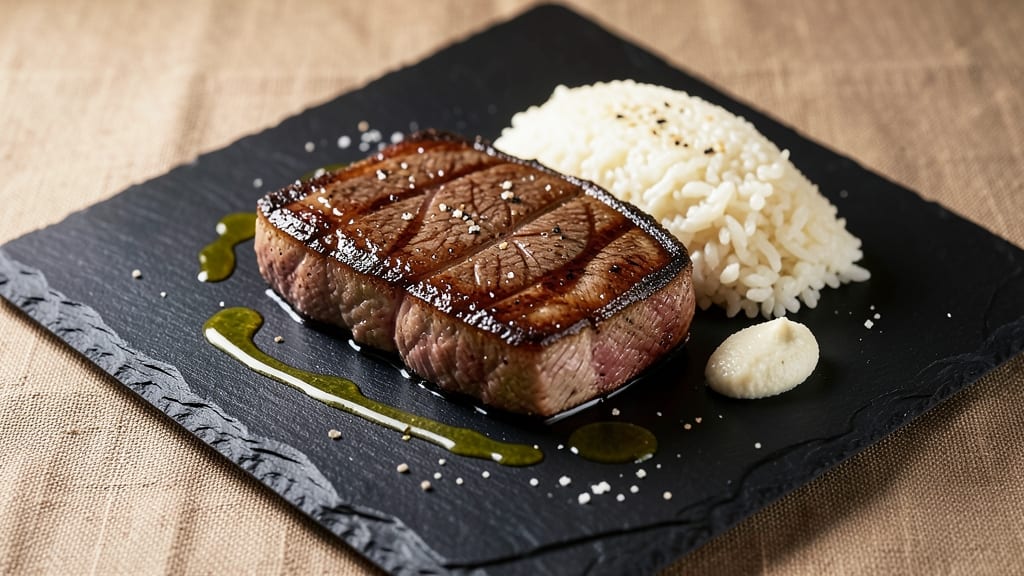
A5 Wagyu beef transforms every meal into an unforgettable experience—its ultra-marbling creates a buttery, melt-in-your-mouth texture that’s worth every penny. The secret lies in precise temperature control, whether you’re searing, grilling, or cooking sous vide, to preserve that delicate balance of richness and tenderness.
This isn’t just beef; it’s a culinary masterpiece that demands respect and technique.
For this recipe, we’ll focus on a perfectly seared crust with a rare or medium-rare center, paired with complementary sides like Japanese short-grain rice and a light miso glaze to enhance the beef’s natural flavors.
The key is patience—rushing ruins the experience, but when done right, every bite reveals layers of flavor you won’t find anywhere else. This is premium cooking at its finest.
What sets this apart is the attention to detail: from the initial sear to the final resting period, each step ensures the beef stays juicy and flavorful. The result? A dish so tender it practically melts, with a crust so crisp it crackles at every bite.
This isn’t just food—it’s an event, and with the right technique, you can recreate it at home.
Whether you’re grilling for a special occasion or treating yourself to a luxurious meal, this recipe delivers restaurant-quality results. The sides—simple yet elegant—elevate the experience without overpowering the star of the show. Let’s get started on a dish that’s truly extraordinary.
Ingredients for a5 wagyu beef
Premium ingredients for a premium dish—where ultra-marbling meets perfect technique.
| Ingredient | Amount | Notes |
|---|---|---|
| A5 Wagyu Beef Ribeye 🥩 | 1 ½ lb | Center-cut, 1.5-inch thick |
| Kosher Salt 🧂 | 1 ½ tsp | Diamond Crystal preferred |
| Freshly Ground Black Pepper 🌶️ | 1 tsp | Coarse grind for texture |
| Extra-Virgin Olive Oil 🫒 | 2 tbsp | High smoke point preferred |
| Japanese Short-Grain Rice 🍚 | 1 cup | Uncooked, sushi-grade quality |
| White Miso Paste 🍶 | 1 tbsp | For glaze, organic preferred |
| Mirin 🍶 | 1 tbsp | Sweet rice wine |
| Sesame Oil 🫒 | 1 tsp | Toasted sesame for aroma |
| Garlic Cloves 🧄 | 4 cloves | Minced, for rice seasoning |
| Green Onions 🧅 | 2 whole | Thinly sliced, for garnish |
| Fresh Ginger 🌿 | 1 tsp | Finely grated, for glaze |
| Unsalted Butter 🧈 | 2 tbsp | Cold, for basting |
| Vegetable Oil 🫒 | ¼ cup | For high-heat searing |
The beef is everything. A5 Wagyu ribeye from a trusted supplier like Snake River Farms or Kurobuta delivers that signature buttery marbling. Look for center-cut, at least 1.5 inches thick—thinner cuts won't develop that perfect crust. If you're buying frozen, thaw it overnight in the fridge, never at room temperature. The marbling should be dense and white, not sparse or yellowed. For sides, Koshihikari rice from Nishiki Market takes this dish to the next level—it's the gold standard for Japanese short-grain. If you can't find it, Sushi Chef brand at most Asian markets is a solid backup.
No A5 Wagyu? USDA Prime ribeye is the next best thing—just expect less marbling and tenderness. The miso glaze can be swapped for soy sauce plus a touch of honey if you're avoiding sugar. Sesame oil? Toasted peanut oil works in a pinch, but it'll lack that nutty depth. For rice, jasmine rice is a decent substitute, though it won't be as sticky. The garlic and ginger can be bought pre-minced, but freshly grated ginger (using a microplane) and minced garlic make a world of difference. Pro tip: if your miso paste is rock-hard, microwave it for 20 seconds to soften—it mixes better that way.
The beef should rest at room temperature for 1 hour before cooking—this ensures even doneness. Store any leftovers in an airtight container for 2-3 days max in the fridge, though honestly, you'll likely devour it all in one sitting. The miso glaze keeps for 2 weeks in the fridge, so make extra for future meals. For the rice, cook it fresh—it reheats poorly. If you're prepping ahead, par-cook the rice and finish it on the stovetop when ready to serve. The butter and oil can be stored at room temperature, but keep them sealed tight to prevent oxidation.
Why You'll Love This Recipe
- Two-Ingredient Magic: That’s right—just salt, pepper, and one pan. The A5 Wagyu does all the heavy lifting; you just let it sear in olive oil until the crust turns golden. No marinades, no fancy prep, just pure, buttery perfection with zero fuss.
- Butter-Slick Luxury: The moment that ribeye hits your plate—juicy, marbled, melting in your mouth—you’ll understand why people pay top dollar for this. No sauce needed. Just the beef, the rice, and that unreal richness that makes every bite worth it.
- Date Night or Lazy Sunday: Dress it up with a drizzle of soy glaze for a fancy dinner, or keep it simple with just rice and a sprinkle of sesame seeds for a no-stress weekend meal. Honestly, it works for both—no one will guess how little effort went into it.
Step-by-step instructions for A5 Wagyu beef with perfect crust and rice pairing
Here's how to transform your Wagyu into melt-in-your-mouth perfection with a crisp crust and aromatic rice.
Prep and Season the Wagyu Ribeye
Remove the ribeye from the refrigerator and let it sit at room temperature for 30 minutes. This ensures even cooking throughout the thick cut. Pat the meat completely dry with paper towels—moisture is the enemy of that coveted crust. The A5 marbling will naturally release its buttery richness, but dry surfaces create better contact with your pan.
Generously season both sides with the 1.5 teaspoons kosher salt and 1 teaspoon freshly ground black pepper. Press the salt into the meat so it adheres well—this helps create that signature crust. Let it rest seasoned for another 10 minutes while you prepare your cooking station. The salt will begin drawing out moisture, which evaporates during searing to create that perfect crust.
Create the Perfect Sear
Heat a cast-iron skillet over high heat until it's screaming hot—you should see a thin layer of steam when you sprinkle a few drops of water. Add the ¼ cup vegetable oil and let it get shimmering hot. Place the ribeye in the pan and press down gently with a spatula during the first 1 minute—this prevents curling and ensures even contact with the pan.
Let it sear undisturbed for 3-4 minutes per side until you achieve a deep mahogany crust with visible grill marks. The internal temperature should reach 125°F at this point. Here's the thing—don't rush this step. If you move the meat too soon, you'll lose that beautiful crust. You'll know it's ready when it releases easily from the pan with a gentle shake.
Finish with Butter Basting
Remove the steak from the pan and let it rest on a wire rack for 5 minutes while you prepare the basting butter. Reduce the heat to medium-low and add the 2 tablespoons cold unsalted butter to the same pan. Let it melt completely, then add the 2 tablespoons extra-virgin olive oil and 1 teaspoon sesame oil.
Return the steak to the pan and baste it with the butter mixture for 1 minute per side. This step adds incredible flavor and helps create that glossy finish. The butter should coat the steak evenly, leaving it glistening and aromatic. For maximum tenderness, the internal temperature should reach 130-135°F at this point—this is perfect for medium-rare, where the Wagyu's marbling shines.
Rest and Slice for Maximum Juiciness
Transfer the steak to a cutting board and let it rest for 10-15 minutes before slicing. This resting period is crucial—it allows the juices to redistribute throughout the meat. If you slice too soon, all those precious juices will run out onto your plate instead of staying where they belong—in the steak.
Slice the ribeye against the grain into ½-inch thick slices. The grain direction will be visible as lines running through the meat. Each slice should be incredibly tender, with visible marbling that melts in your mouth. The crust should remain crisp while the interior stays perfectly pink in the center. Serve immediately with the prepared Japanese short-grain rice.
Prepare the Japanese Short-Grain Rice
While the steak rests, rinse the 1 cup Japanese short-grain rice under cold water until the water runs clear. This removes excess starch that would make the rice gummy. Combine the rice with 1½ cups water in a rice cooker or pot, then bring to a boil over high heat.
Once boiling, reduce heat to low and cover. Simmer for 15 minutes without lifting the lid. Then remove from heat and let it steam for another 10 minutes. Fluff with a fork and stir in the 1 tablespoon white miso paste, 1 tablespoon mirin, 1 teaspoon finely grated fresh ginger, and 4 minced garlic cloves. The rice should be tender with a slight stickiness—perfect for soaking up those Wagyu juices.
Pro Tips For Making A5 Wagyu Beef
- Sear in Stages: Start with a screaming-hot pan—cast iron if you’ve got it—and sear the ribeye for 60 seconds per side until deep brown. Then drop the heat to medium-low and finish cooking. I learned this the hard way: high heat all the way through makes the fat render unevenly, leaving you with a dry, greasy mess instead of that perfect melt-in-your-mouth texture.
- Salt Like a Pro: Generously coat the ribeye with kosher salt at least 40 minutes before cooking—yes, even if it’s still cold. The salt penetrates deeper when the meat’s chilled, and it won’t make the surface soggy like you might fear. (I used to skip this, and the crust never got that satisfying crunch.)
- Skip the Overcrowding: Don’t add the rice to the pot until the water’s boiling hard—crowding it in cold water turns it mushy. For A5 wagyu, the rice should be fluffy and separate, not glued together. (Your future self will thank you for this small detail.)
- Rest Under Foil: After pulling the ribeye from the pan, tent it loosely with foil and let it rest for 5-10 minutes. This traps the juices instead of letting them pool on the cutting board. I know, I know—waiting feels like torture, but that’s when the magic happens.
Essential equipment for perfect results
Cast-Iron Skillet
The cast-iron skillet is your most important tool for A5 Wagyu—its ability to retain and distribute heat evenly creates that perfect crust. I recommend a 12-inch Lodge Pre-Seasoned Skillet for its superior heat retention and natural non-stick properties after proper seasoning.
Preheat it over high heat until it's screaming hot before adding oil—this ensures maximum contact and crust formation. 🔥
Meat Thermometer
A precision meat thermometer is non-negotiable for Wagyu—you want to hit 130-135°F internal temperature for medium-rare without overcooking. The ThermoWorks Smoke or Meater models give instant readings and are worth every penny.
Insert the probe into the thickest part of the steak, avoiding fat deposits, to get an accurate reading. Never guess with Wagyu—this is where its delicate texture gets ruined.
Wire Rack & Plate
Use a wire rack placed on a plate to rest your steak after cooking. This allows air circulation, preventing steam buildup that can make the crust soggy. I keep a stainless steel wire rack from OXO in my kitchen—it's durable and fits perfectly on my baking sheet.
The elevated resting also helps maintain that crisp crust while the juices redistribute. Pro tip: Place a paper towel under the rack to catch any drippings.
High-Quality Oil
For searing, use vegetable oil with a high smoke point (375°F+) like Avocado oil or refined coconut oil—they won't burn at high heat. I avoid olive oil here because its lower smoke point can create bitter flavors.
A 2-tablespoon splash in your skillet is enough to create a non-stick surface while allowing that perfect crust to form. Keep your oil in a dark glass bottle to prevent oxidation and maintain freshness.
Butter Basting Tools
For the butter basting step, grab a small silicone brush (like Silpat's) to coat the steak evenly with melted butter. I also keep a tongs set with silicone tips—OXO Good Grips—to safely handle the hot skillet.
The basting adds incredible flavor and creates that glossy finish, but you need the right tools to do it safely and effectively. A small saucepan for melting the butter separately is also helpful if you're nervous about doing it in the skillet.
Rice Cooker or Pot
For the Japanese short-grain rice, I recommend either a dedicated rice cooker (like Zojirushi's) for foolproof results or a heavy-bottomed stainless steel pot if you prefer stovetop cooking. The rice cooker maintains consistent heat, while the pot gives you more control over the cooking process.
Whichever you choose, rinse the rice thoroughly first—this removes excess starch and prevents gummy texture. A fine-mesh strainer helps with this step if you're washing by hand.
Nutrition facts
Frequently asked questions
What makes A5 Wagyu different from regular beef?
A5 Wagyu is the pinnacle of beef quality, thanks to its intense marbling—those white fat streaks throughout the muscle. Unlike regular beef, it's raised with massage therapy and fed a diet of beer and rice, creating that ultra-buttery texture. The "A5" rating means it has the highest marbling score (A5 is the top tier), with 20-30% fat content compared to 5-10% in conventional beef.
Can I cook A5 Wagyu on a grill instead of pan-searing?
Grilling works beautifully for Wagyu, but you need to control the heat carefully. Use medium-high heat (not direct flame) and cook for 3-4 minutes per side for a 1.5-inch thick steak. For extra flavor, baste with melted butter and garlic during the last minute. The key is avoiding flare-ups—keep the lid closed to maintain even heat distribution.
How do I know when A5 Wagyu is cooked to perfection?
For medium-rare (the ideal doneness), aim for an internal temperature of 130-135°F. Use a precision thermometer to check the thickest part—never guess! The exterior should have a deep mahogany crust, while the center remains cool to the touch and bright red. Overcooking destroys the delicate marbling and buttery texture.
What's the best way to store leftover A5 Wagyu?
Wrap leftovers tightly in plastic wrap or place in an airtight container and refrigerate for 2-3 days max. For longer storage, freeze portions in vacuum-sealed bags for up to 3 months. When reheating, use the oven at 250°F for 10-15 minutes to preserve moisture—never microwave, as it turns the meat rubbery.
Is there a good substitute if I can't find A5 Wagyu?
For a similar experience, try USDA Prime ribeye or Kobe-style beef. While not identical, these cuts offer excellent marbling. If budget is tight, dry-aged ribeye delivers deep flavor, though with less fat content. The key is selecting a thick-cut, well-marbled steak—never lean cuts like sirloin, which lack the fat needed for that signature tenderness.