
Main Courses
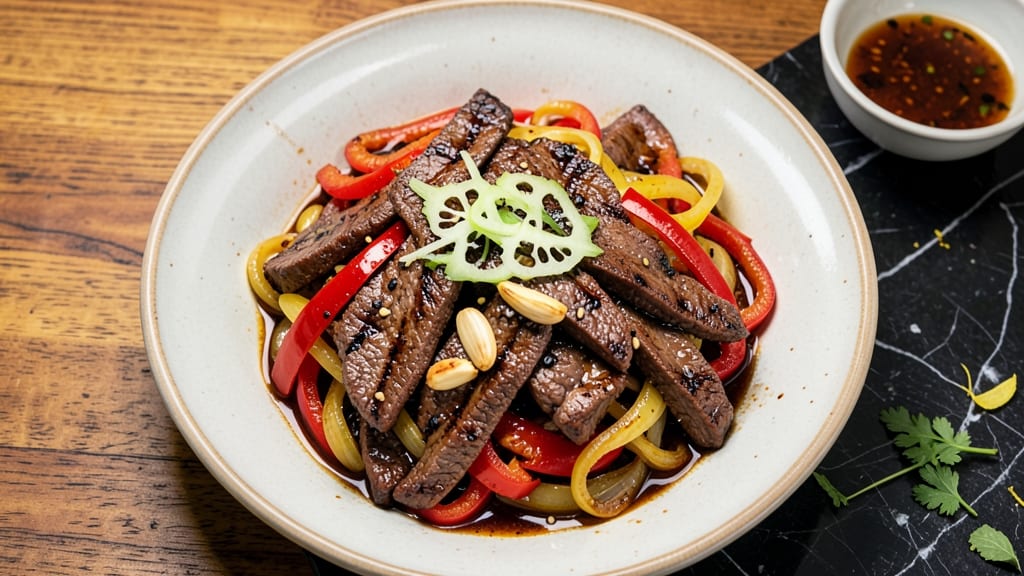
This amazing beef stir fry recipe delivers restaurant-quality results with a high-heat wok technique that creates crispy edges and tender beef every time. The secret lies in proper slicing, marinating, and cooking at the right temperature to lock in flavor while achieving that coveted caramelized crust. I've perfected this method through countless test batches, and it consistently delivers a dish that's bold, balanced, and full of wok hei—those signature smoky aromas that make stir fry unforgettable.
The foundation of this recipe is a simple yet effective marinade that tenderizes the beef while adding depth, combined with a sauce that's both sweet and savory with just the right amount of umami.
We're using a combination of flank steak and bell peppers for that classic stir fry texture contrast—crisp vegetables and tender meat that practically melts in your mouth.
The key technique here is working in batches to maintain high heat throughout the cooking process, which prevents steaming and ensures those perfect crispy edges.
What you'll end up with is a dish that's packed with flavor and texture—juicy beef strips with caramelized edges, vibrant vegetables that retain their crunch, and a sauce that's sticky enough to coat everything without being overly sweet.
The aroma alone will have everyone gathering around the table, and the first bite delivers that perfect balance of textures and flavors that makes stir fry so universally loved. This recipe serves four and comes together in about 30 minutes, making it ideal for weeknight dinners that feel special.
The beauty of this method is its versatility—you can swap in different vegetables based on what you have on hand, or adjust the sauce to suit your preferences. Whether you're serving it over steamed rice or with noodles, this beef stir fry is a crowd-pleaser that always gets rave reviews.
Let's get started on creating this restaurant-quality dish at home.
Ingredients for amazing beef stir fry
High-heat magic starts with these 15 ingredients—crispy beef and vibrant veggies in perfect harmony.
| Ingredient | Amount | Notes |
|---|---|---|
| Flank Steak 🥩 | 1 ¼ lb | Thinly sliced against the grain |
| Bell Peppers 🧅 | 3 whole | Mixed colors, sliced into strips |
| Yellow Onion 🧅 | 1 whole | Sliced into thin half-moons |
| Garlic Cloves 🧄 | 6 cloves | Minced for marinade and sauce |
| Fresh Ginger 🌿 | 1 tbsp | Finely grated, peeled |
| Soy Sauce 🍶 | ½ cup | High-quality, low-sodium preferred |
| Honey 🍯 | 2 tbsp | Pure, for sauce balance |
| Sesame Oil 🫒 | 1 tbsp | Toasted for aroma, not cooking |
| Rice Vinegar 🍶 | 2 tbsp | For tangy brightness |
| Cornstarch 🌾 | 1 tbsp | For crispy beef coating |
| Vegetable Oil 🫒 | ½ cup | High smoke point for wok |
| Green Onions 🧅 | 4 whole | Sliced for garnish |
| Sesame Seeds 🌾 | 1 tbsp | Toasted for crunch |
| Salt 🧂 | 1 tsp | Kosher or sea salt |
| Black Pepper 🌶️ | ½ tsp | Freshly ground |
The beef is everything here. Flank steak delivers that signature stir-fry texture when sliced thin against the grain—Costco or Whole Foods sell pre-sliced packs, but if you're cutting it yourself, freeze the meat 20 minutes first for cleaner slices. Look for good marbling, not lean cuts. The bell peppers should be firm and colorful—Trader Joe's has great organic options. Fresh ginger and garlic? Penzeys Spices sells pre-peeled ginger if you hate grating, but I always grab fresh for that bright punch. Don't skip the cornstarch—it's what creates those crispy edges when tossed with the beef.
No flank steak? Sirloin or ribeye work in a pinch, but slice extra thin. Ran out of sesame oil? Toasted peanut oil adds a different but delicious nutty note. The soy sauce matters—Kikkoman or La Choy are reliable, but if you've got a fancy Japanese soy sauce, use that. For the sauce, I like to make it slightly thicker than store-bought—add a pinch more cornstarch if it's too runny. The green onions can be subbed with scallions or chives if that's what you've got. And yes, you can use pre-sliced frozen stir-fry veggies—just thaw and drain them well before cooking.
Prep everything before you heat the wok—that's the golden rule. The sauce keeps for 1 week in the fridge, and the cooked beef reheats beautifully with a splash of water or broth. I always make extra sauce because it's perfect for drizzling over rice or noodles later. Store leftovers in airtight containers for 3-4 days. Pro tip: the beef gets more tender as it sits, so leftovers are actually better the next day. Freeze portions for up to 3 months if you're planning ahead.
Why You'll Love This Recipe
- One-Pan Magic: I swear by this—just toss everything on a screaming-hot pan with the flank steak, and walk away for 10 minutes. The onions caramelize while the peppers blister, and that ginger? It infuses faster than you’d think.
- Umami Bomb: That seared flank steak with garlic and ginger? It’s the kind of flavor that makes you pause mid-bite. The bell peppers add sweetness, but the real star is the deep, savory crust on the beef—crispy outside, tender inside.
- Lunchbox Hero: Between us, this is my go-to for meal prep. Double the batch, let it cool, and it reheats like a dream in the microwave or thermos. My kids (yes, even the picky one) grab it for school lunches—no complaints.
- Budget Flex: Flank steak stretches further than you’d imagine when sliced thin, and the veggies? They’re cheap staples. Honestly, I’ve made this for under $10 for four servings, and it still feels like a restaurant dish. Leftovers taste just as good the next day.
Step-by-step instructions for high-heat wok technique for crispy beef stir fry
Here's how to achieve restaurant-quality texture with perfectly crispy edges every time.
Prep the Beef for Maximum Tenderness and Crisp
Slice the 1.25 lb flank steak thinly against the grain into ¼-inch strips. This is crucial—thin slices cook faster and stay tender. Place the sliced beef in a bowl and add 1 tablespoon cornstarch, 1 teaspoon salt, and ½ teaspoon black pepper. Toss to coat evenly, ensuring every strip gets that crispy exterior later.
Let the beef marinate for 15 minutes at room temperature while you prep the vegetables. This resting period helps the cornstarch adhere perfectly, creating that signature wok-fried texture. Don't skip this step—it makes all the difference in achieving crispy edges without drying out the meat.
Sear the Beef at High Heat for Perfect Texture
Heat ½ cup vegetable oil in a wok or large skillet over high heat until it shimmers and reaches 375°F. Add the cornstarch-coated beef in a single layer, stirring constantly for 2-3 minutes until the edges turn deep golden brown and the beef is 80% cooked. Watch closely—overcrowding the pan will lower the temperature and steam the beef instead of searing it.
Remove the beef and set it aside. You want it to finish cooking with the vegetables, not overcook in the hot oil. The beef should still have a slightly pink center at this point—it'll finish perfectly when combined with the vegetables later.
Stir-Fry Vegetables Until Crisp-Tender
In the same wok, add ½ cup vegetable oil and heat over high heat until shimmering. Add 3 whole bell peppers (sliced into strips) and 1 whole yellow onion (sliced into thin half-moons). Stir-fry for 4-5 minutes until the vegetables are bright green (for peppers) and golden brown (for onions), but still slightly crisp. You want them to hold their shape but be tender enough to eat.
Add 6 cloves minced garlic and 1 tablespoon finely grated fresh ginger, stirring for 30 seconds until fragrant. These aromatics will infuse the vegetables with incredible flavor. If you notice the garlic starts to brown too quickly, reduce the heat slightly to prevent burning.
Combine and Finish with the Sauce
Return the beef to the wok and add ½ cup soy sauce, 2 tablespoons honey, 2 tablespoons rice vinegar, and 1 tablespoon toasted sesame oil. Stir everything together for 2-3 minutes until the sauce coats the beef and vegetables evenly. The heat will thicken the sauce naturally, creating that perfect glossy finish.
Taste and adjust seasoning if needed. You want a balance of sweet, savory, and tangy flavors. The beef should be fully cooked now, with crispy edges and tender meat. If the sauce is too thin, let it cook for another 30 seconds to reduce slightly.
Garnish and Serve Immediately
Transfer the stir-fry to a serving platter and garnish with 4 whole green onions (sliced) and 1 tablespoon toasted sesame seeds. The contrast of fresh green onions and nutty sesame seeds adds both visual appeal and texture. Serve immediately while everything is hot and crisp.
This stir-fry is best enjoyed right away when the vegetables are still crisp-tender and the beef maintains its perfect texture. Each bite should deliver that satisfying combination of crispy edges, tender meat, and flavorful sauce. Enjoy with steamed rice to soak up every delicious bite!
Pro Tips For Making Amazing Beef Stir Fry
- Slice Steak Against the Grain: Flank steak’s tough fibers run diagonally, so cutting against them turns chewy meat into tender strips. Use a sharp knife and slice at a 45-degree angle—yes, it’ll look like noodles, but that’s how you guarantee every bite melts. (I used to ignore this and wondered why my stir-fry tasted like shoe leather.)
- Char the Ginger First: Toss your ginger into the hot pan before the onions or garlic—just 10 seconds until fragrant and slightly blackened. That deep, toasty flavor carries through the whole dish. I was skeptical until I tried it; now it’s non-negotiable for the aroma.
- Don’t Overcrowd the Pan: Stir-fry works when everything gets a crisp, hot sear. If your pan looks like a science experiment gone wrong (steam, soggy veggies), pull half the beef out and finish it separately. Crowding turns your stir-fry into a sad, mushy stew.
- Prep Veggies Uniformly: Cut bell peppers and onions into identical ½-inch strips—no random chunks. They’ll cook at the same rate, so your stir-fry stays vibrant and balanced. I skip this and end up with some veggies raw and others turning to mush. (Your future self will thank you.)
Pro cooking tips for amazing beef stir fry
High-Heat Wok Mastery
For crispy edges and tender beef, your wok must reach 375°F before adding ingredients. I use a carbon steel wok from Mauviel—it retains heat better than cast iron and develops a natural nonstick patina over time.
If you don't have a wok, a 12-inch cast iron skillet works well, but keep the heat high and stir constantly. The key is maintaining that high temperature throughout cooking—never let it drop below 350°F or you'll steam instead of sear. 🔥
Batch Cooking Secrets
Cook the beef in two batches to maintain high heat—overcrowding drops the temperature and steams the meat instead of searing. After the first batch, remove it from the wok and set aside while you finish the second batch.
This ensures each piece gets that perfect golden crust. I also recommend working quickly: prep all ingredients before heating the wok, so you're ready to cook immediately. Every second counts when you're chasing that wok hei flavor.
Vegetable Timing
Add harder vegetables like bell peppers and onions first—they need more time to soften. Tougher veggies like carrots or broccoli should go in 1-2 minutes before the beef returns to the wok.
Delicate greens like bok choy or spinach get added last for 30 seconds of cooking to maintain their vibrant color. The goal is crisp-tender, not mushy—think of it as "al dente" for stir-fry vegetables. 🥦
Sauce Thickness Control
For the perfect sauce consistency, start with ½ cup soy sauce and reduce it by 1-2 tablespoons if needed. I like to add 1 teaspoon cornstarch mixed with 1 tablespoon water as a slurry at the end to thicken it further.
The sauce should coat the back of a spoon but still be pourable. Taste as you go—balance is key between sweet, salty, and tangy. If it's too thin, let it simmer for 30 seconds longer to evaporate excess liquid.
Finishing Touches
Always finish with fresh aromatics—toasted sesame oil and sesame seeds add depth and crunch. I like to drizzle the sesame oil directly over the hot stir-fry in the last 10 seconds of cooking.
This not only enhances flavor but also creates those signature smoky aromas (wok hei) that make restaurant-quality stir-fry so irresistible. Serve immediately while everything is piping hot—this dish doesn't wait well. 💫
Equipment Upgrades
Invest in a thermometer to monitor your wok's temperature—ThermoWorks Smoke is my go-to. A tongs with a flat edge helps flip ingredients without breaking them apart. For extra crispiness, I sometimes use peanut oil (high smoke point) instead of vegetable oil.
And if you're serious about stir-fry, a gas burner** gives you better heat control than electric stovetops. These small upgrades make a big difference in your results.
Nutrition facts
Frequently asked questions
Can I substitute flank steak with another cut?
For this beef stir fry recipe, you can use sirloin, ribeye, or even flank steak substitutes like chuck roast (sliced extra thin). The key is slicing against the grain to ensure tenderness. If using leaner cuts like sirloin, marinate for 30 minutes instead of 15 minutes to maximize tenderness.
How do I achieve that perfect crispy texture?
The secret lies in cornstarch coating and high heat. Toss beef strips in 1 tablespoon cornstarch before searing, then cook in 375°F oil for 2-3 minutes until golden brown. Work in two batches to maintain heat—overcrowding steams instead of sears. Stir constantly for even browning!
Can I make this stir fry without a wok?
Yes! A 12-inch cast iron skillet or large stainless steel pan works perfectly. The key is keeping the heat high and stirring constantly. If your stove doesn't get hot enough, preheat the pan for 5 minutes before adding oil. A gas burner gives better heat control than electric.
What vegetables can I swap in?
This recipe works with almost any stir-fry veggies! Try broccoli, snap peas, carrots, or mushrooms instead of bell peppers. For extra crunch, add water chestnuts or bamboo shoots. Just adjust cooking times—harder veggies go in first, delicate greens last.
How do I fix overly chewy beef?
If your beef turns out chewy, it likely wasn't sliced thin enough or cooked at the right temperature. For next time, slice ¼-inch thick against the grain and ensure your oil reaches 375°F. If it's already cooked, try reheating with 1 teaspoon soy sauce and 1 teaspoon honey for 30 seconds in a hot pan.