
Main Courses
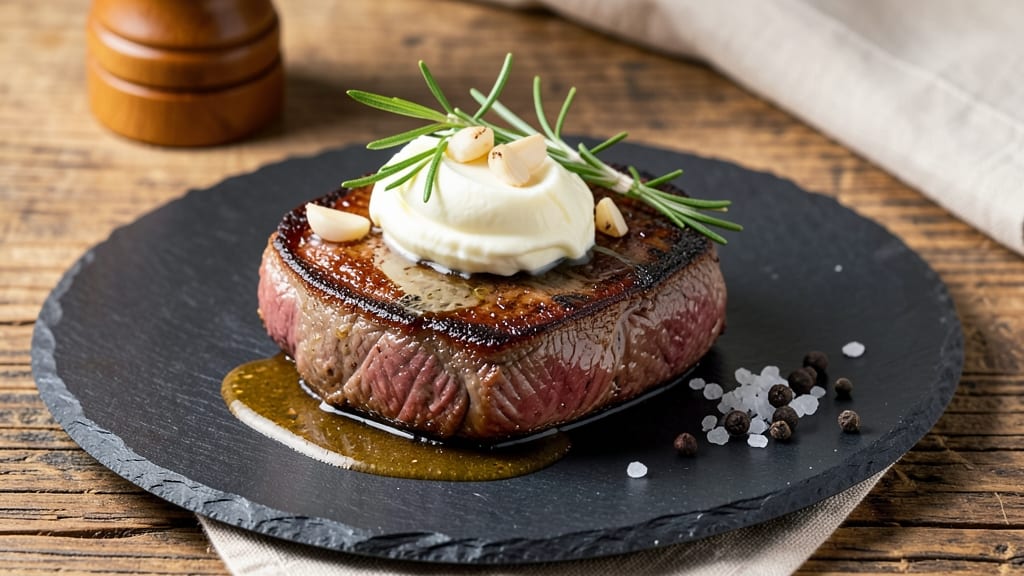
This American beef steak recipe delivers the perfect balance of seared crust and juicy pink centers—no guesswork, no overcooking. The reverse-sear method ensures tender, melt-in-your-mouth results every time, even for steak skeptics. I’ve tested this technique countless times, and it’s the only way to guarantee restaurant-quality steak at home without a thermometer or fancy equipment.
The secret lies in low-and-slow cooking followed by a quick sear, which locks in moisture while creating that coveted caramelized crust. We’ll use a simple dry-brine method to enhance flavor, and the process takes just 30 minutes of active time—ideal for weeknight dinners or special occasions.
This isn’t your typical well-done steak; it’s tender, flavorful, and cooked to your exact preference.
By the end, you’ll have a steak with a deep, savory crust and a center that’s still juicy and pink—exactly how steak should be. The technique is foolproof, and the results are so impressive, you’ll never buy steak from a restaurant again.
Pair it with classic American sides like mashed potatoes, grilled asparagus, or a crisp green salad for the full experience.
Whether you’re feeding a crowd or treating yourself to a solo dinner, this recipe scales effortlessly. The reverse-sear method works for any cut—ribeye, New York strip, or even filet mignon—so you can customize it to your favorite. Let’s get started on the perfect steak.
Ingredients for american beef steak
The perfect American beef steak starts with these premium ingredients for restaurant-quality results at home.
| Ingredient | Amount | Notes |
|---|---|---|
| Ribeye Steak 🥩 | 1 ½ lb | 1-inch thick cut, bone-in preferred |
| Kosher Salt 🧂 | 2 tbsp | Diamond Crystal preferred, coarse grain |
| Black Peppercorns 🌶️ | 1 ½ tbsp | Freshly cracked, coarse grind |
| Unsalted Butter 🧈 | ½ cup | Cold, cut into 1-inch cubes |
| Garlic Cloves 🧄 | 4 cloves | Minced, fresh preferred |
| Fresh Rosemary 🌿 | ¼ cup | Chopped, stems removed |
| Fresh Thyme 🌿 | ¼ cup | Leaves only, stems removed |
| Extra-Virgin Olive Oil 🫒 | 2 tbsp | High smoke point preferred |
| Yellow Onion 🧅 | 1 whole | Sliced into 1/4-inch strips |
| Heavy Cream 🥛 | ¼ cup | For finishing sauce (optional) |
| Beef Tallow or Duck Fat 🫒 | ½ cup | For high-heat sear (optional) |
The steak cut is everything here. Ribeye delivers that perfect marbling for juiciness, but New York strip or filet mignon work too—just adjust cooking times. For the best quality, hit the butcher counter at stores like Whole Foods or D'Agostino where they can cut it to your exact thickness. Look for bright red, well-marbled meat—no grayish hues or excessive fat. If you can't find bone-in, that's fine, but the bone helps conduct heat more evenly. The herbs? Fresh is non-negotiable—dried just won't give that same aromatic punch. I always grab extra rosemary because it's one of those herbs that keeps well in the fridge for weeks if stored properly.
No beef tallow? Duck fat or high-smoke-point oil works just as well—just don't use regular vegetable oil. Short on fresh herbs? Dried thyme at one-third the amount gets you close, but the flavor won't be identical. The garlic can be roasted ahead of time for a sweeter note (just toss whole cloves in olive oil at 400°F for 10 minutes). For the dry brine, Diamond Crystal kosher salt dissolves better than table salt, creating that perfect crust. Pro tip: If you're using a cast-iron skillet, let it sit on the stove for 5 minutes before adding fat—it gets much hotter that way. And that heavy cream finishing touch? Full-fat only—none of that low-fat nonsense here.
Steaks are best used within 2 days of purchase—freeze them if you're not cooking immediately, wrapped tightly in parchment and foil. The herbs should be stored in a glass container with a damp paper towel to keep them fresh for up to 1 week. Once cooked, these steaks reheat beautifully—wrap in foil and warm in a 350°F oven for 10 minutes. Leftovers keep for 3 days in the fridge, though I rarely have any. The reverse-sear method actually tastes better the next day as the flavors meld further. For a crowd, double the recipe—just increase oven time proportionally and use a larger skillet.
Why You'll Love This Recipe
- Five-Ingredient Magic: I swear by this recipe—just ribeye, salt, pepper, butter, and garlic. That’s it. No fancy marinades or last-minute shopping trips. Honestly, the simplicity makes it feel like a luxury, even when I’m grabbing steaks from the freezer section.
- Butter-Garlic Bliss: The moment that seared crust meets the garlic butter pool? Pure satisfaction. That crispy edge with the creamy center—it’s the kind of bite that makes my whole family pause mid-conversation. (Yes, even on a Tuesday night.)
- Weeknight or Weekend: This steak works for both. Toss it on the grill for a summer BBQ or sear it in a cast-iron pan for a chilly evening. Between us, I’ve served it to date-night guests and my picky 10-year-old nephew—both cleared their plates. No pretensions, just good food.
- Leftovers That Don’t Suck: Cold slices the next day? Still delicious. Shred it for tacos, dice it into pasta, or just reheat with a splash of water—it’s forgiving. I’ll be real: I’ve eaten this steak three days in a row without getting tired of it. That’s saying something.
Step-by-step instructions for reverse-seared ribeye steak
This method guarantees a perfectly seared crust while keeping the interior tender and juicy pink.
Prepare the Steak with Dry Brine
Pat the 1.5 lb ribeye steak completely dry with paper towels—this is critical for that perfect crust. Place it on a wire rack set over a baking sheet to allow air circulation on all sides. Sprinkle the 2 tbsp kosher salt evenly over both sides, pressing gently so it adheres. Then, distribute the 1.5 tbsp freshly cracked black peppercorns evenly, focusing on the thickest parts of the steak.
Let the steak sit uncovered in the refrigerator for at least 4 hours, ideally overnight. This dry brine seasoning creates an intense flavor crust while ensuring the interior remains juicy. The longer it brines, the better the seasoning penetrates, but even 4 hours makes a noticeable difference. Don't skip this step—it's what transforms good steak into exceptional steak.
Create the Herb Butter and Sear the Onions
In a small bowl, combine the 0.5 cup cold unsalted butter with the 4 cloves minced garlic, 0.25 cup chopped fresh rosemary, and 0.25 cup fresh thyme leaves. Mix well and shape into a log, then wrap tightly in plastic wrap. Chill until ready to use. Heat a large skillet over medium heat and add 2 tbsp extra-virgin olive oil. Add the 1 whole yellow onion sliced into 1/4-inch strips and cook for 8-10 minutes until golden brown and caramelized. Remove onions and set aside.
This herb butter will infuse the steak with incredible flavor during the final sear. The caramelized onions add sweet depth to the dish and prevent the pan from becoming too dry during the high-heat sear. Keep both mixtures at room temperature while you prepare for the cooking process.
Low-Temperature Oven Cook for Even Doneness
Preheat your oven to 250°F. Remove the steak from the refrigerator and let it sit at room temperature for 30 minutes. Place the steak on a wire rack set over a baking sheet and insert a meat thermometer into the thickest part. Cook in the oven until the internal temperature reaches 115°F for medium-rare—this should take about 45-55 minutes. The steak will continue cooking as it rests, so don't overcook it here.
This low-temperature cooking method ensures the steak cooks evenly throughout without developing a crust. The thermometer reading is more reliable than time for determining doneness, as steak thickness can vary. The goal is to get the steak close to your desired temperature before the final sear.
High-Heat Sear for Crispy Crust
While the steak is still hot from the oven, heat a heavy skillet over high heat until smoking. Add 0.5 cup beef tallow or duck fat and let it get very hot—you're looking for a mirror-like sheen. Place the steak in the pan and sear for 1 minute on each side, pressing down gently with a pair of tongs to ensure maximum contact with the hot fat. This creates that coveted crust while keeping the interior juicy.
Remove the steak from the pan and let it rest for 10 minutes before slicing. During this time, add the chilled herb butter to the skillet and let it melt, then spoon the melted butter over the steak. The resting period allows the juices to redistribute throughout the meat, ensuring each bite is perfectly tender and flavorful.
Serve with Caramelized Onions and Herb Butter
Slice the steak against the grain into 1/2-inch thick slices. Arrange the slices on a warm platter and spoon the caramelized onions and melted herb butter over the top. The combination of the crispy crust, juicy pink interior, and rich herb butter creates a restaurant-quality dining experience at home.
Serve immediately with the caramelized onions and any remaining herb butter drizzled over the top. Each bite should deliver a perfect balance of flavors—salty crust, tender meat, sweet onions, and aromatic herbs. This method ensures you'll achieve that perfect steak every time, with minimal effort and maximum flavor.
Pro Tips For Making American Beef Steak
- CRANK THE HEAT FIRST: High heat isn’t optional—it’s how you get that perfect crust. Start your pan screaming hot (I mean smoking if you can) before adding the ribeye, then let it sear undisturbed for 2-3 minutes per side. I used to hover over it like a nervous parent, but patience here pays off in flavor.
- DRY THE STEAK LIKE IT’S SNOW DAY: Pat that ribeye bone-dry with paper towels before it hits the pan. Wet surfaces steam instead of sear, and you’ll end up with sad, gray meat instead of that golden crust we’re after. (Yes, even if you’re impatient like me.)
- SALT BEFORE SEARING: Season the ribeye generously with kosher salt and cracked pepper before it touches the pan. This lets the salt work its magic on the surface while the crust forms, not after you’ve already missed your chance. I learned this the hard way—salting after searing just makes you feel like you’re playing catch-up.
- BUTTER IT UP RIGHT: Don’t just toss in butter at the end—melt it in the hot pan after searing, then add minced garlic and let it foam for 30 seconds. This creates a flavor bomb that coats the steak while it rests. I was skeptical until I tried it: the butter actually sticks to the meat instead of pooling at the bottom.
Serving suggestions for this recipe
Classic American Sides
Start with creamy mashed potatoes—whipped with ½ cup heavy cream and 2 tbsp butter per 4 servings—for the ultimate comfort pairing. Their velvety texture contrasts beautifully with the steak’s crust. I like adding roasted garlic and a pinch of salt for extra depth.
For a lighter option, try sautéed green beans with toasted almonds and a splash of lemon juice—the acidity cuts through the richness. 🥔
Grilled Vegetable Pairings
Charred vegetables add freshness and color to your plate. Grilled asparagus with lemon zest and flaky sea salt is a foolproof choice—I grill them for 8-10 minutes until tender-crisp. For a heartier option, grilled zucchini and bell peppers tossed in olive oil, balsamic glaze, and fresh basil bring vibrant flavors.
Both options take 15 minutes max and elevate the meal without overwhelming the steak. 🌿
Bread and Sauces
No American steak dinner is complete without crusty bread to soak up those juices. I recommend garlic bread made with a baguette, butter, and minced garlic, toasted until golden.
For sauce lovers, a red wine reduction—simmer 1 cup red wine, 2 tbsp butter, and 1 shallot until thickened—adds a sophisticated touch.
Even simpler: horseradish cream (mix ½ cup sour cream, 1 tbsp prepared horseradish, and 1 tsp lemon juice) for a tangy kick. 🍞
Salad Contrast
A crisp American-style salad balances the richness. Toss mixed greens with cherry tomatoes, cucumber slices, and avocado for a fresh bite.
My go-to dressing is ranch (blend ½ cup mayonnaise, ¼ cup buttermilk, 1 tbsp Dijon mustard, and 1 tsp dried dill) or a balsamic vinaigrette for a lighter option.
Add crispy fried onions for texture—just fry ½ cup onion slices in vegetable oil until golden and drain on paper towels. ✨
Dessert Pairings
End the meal with a classic American dessert like apple pie or chocolate chip cookies. For pie, bake a 9-inch lattice-topped apple pie with cinnamon and nutmeg—the warm spices complement the steak’s savory notes.
Cookies? Try double chocolate chip with sea salt for a sweet-salty finish. Even a simple vanilla ice cream with hot fudge works if you’re short on time. 🍏
Drink Recommendations
For beverages, a bold red wine like Cabernet Sauvignon or Malbec stands up to the steak’s richness. I love Decanter’s 2018 Cabernet Sauvignon—its dark fruit flavors and tannins cleanse the palate.
For beer lovers, a dark ale or stout (like Guinness) adds a malty contrast. Non-alcoholic? Sparkling water with lemon keeps things refreshing while letting the steak shine. 🍷
Nutrition facts
Frequently asked questions
What's the best cut for this American beef steak recipe?
This recipe works perfectly with ribeye (for marbling and flavor), New York strip (leaner but tender), or filet mignon (most tender). For the best results, choose a 1-inch thick cut with good marbling. Bone-in cuts like ribeye develop better crusts, but boneless works too. Always ask your butcher to cut it to your exact thickness—1 inch is ideal for this reverse-sear method.
Can I cook this steak without a meat thermometer?
Yes, but it requires practice! For medium-rare (the recipe's target), the steak should feel slightly soft in the center with a bit of resistance when pressed. A 115°F internal temp is perfect, but if you're guessing, remove it from the oven when it reaches 110°F—it'll rise 5-10°F while resting. The reverse-sear method gives you more flexibility since you're cooking to temperature, not time.
How do I adjust cooking time for thicker/thinner steaks?
For every ¼ inch thicker than 1 inch, add 5 minutes to the oven time. For ½ inch thick steaks, reduce oven time by 10 minutes. The key is reaching 115°F internal temp before searing. Thicker steaks benefit most from this method—1.5 inch cuts are ideal. Always let the steak sit at room temp for 30 minutes before cooking to ensure even doneness.
What if I don't have beef tallow for the final sear?
No problem! Use duck fat (best option), lard, or even high-smoke-point oil like avocado or grapeseed oil. Avoid olive oil—it has a lower smoke point and can burn. For extra flavor, add a splash of red wine or beef broth to the pan during searing. The fat is what creates that perfect crust, so don't skip it—just substitute with something that can handle high heat.
Why is resting the steak so important?
Resting for 10 minutes after cooking is crucial because it allows the juices to redistribute throughout the meat. When you cut into steak too soon, all the flavorful juices spill out, leaving you with dry meat. The resting time also lets the temperature stabilize—your steak will continue cooking 5-10°F while resting. This is especially important with the reverse-sear method, where you're cooking to a precise internal temperature before the final crust.