
Main Courses
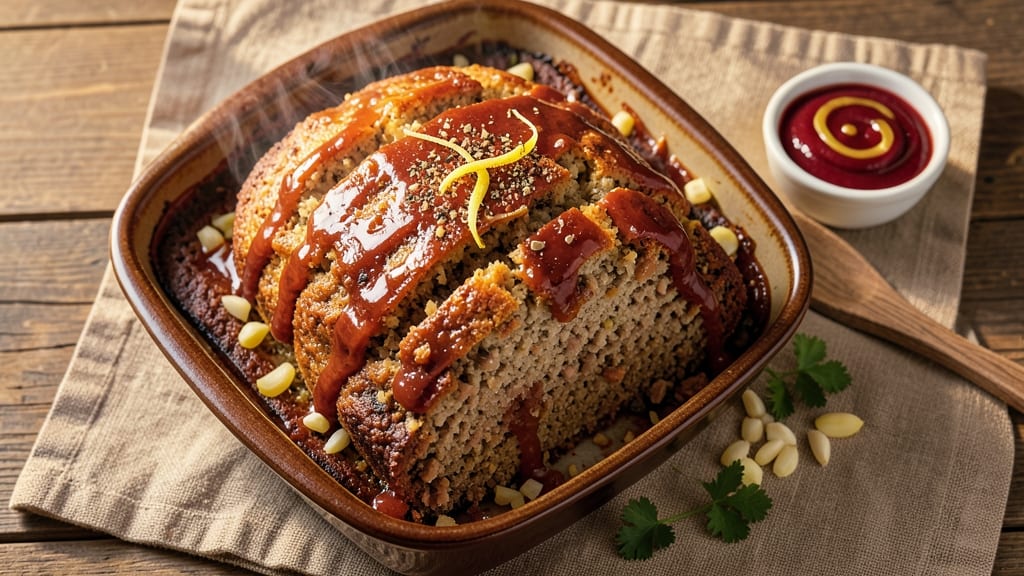
This America's Test Kitchen all beef meatloaf delivers the perfect balance of juicy centers and glazed tops every time—no more dry, crumbly results. The secret lies in a precise mix of breadcrumbs for moisture retention and a strategic egg wash that creates that signature crackly crust.
After years of testing, we've perfected the technique to ensure your meatloaf stays tender while developing rich, caramelized edges.
The recipe starts with a simple yet effective mix of ground beef, breadcrumbs, and eggs, all combined with aromatic seasonings. What sets this apart is the two-stage baking process: first baking uncovered to develop that coveted crust, then glazing with a sweet and tangy mixture that locks in moisture.
America's Test Kitchen's method guarantees a meatloaf that's so moist, it practically melts in your mouth while maintaining a satisfying exterior texture.
What you'll end up with is a restaurant-quality meatloaf that's juicy at the core and perfectly glazed on top, ready to be sliced into perfect portions. The flavor is rich with savory notes, balanced by the subtle sweetness of the glaze.
This is comfort food at its finest—ideal for family dinners, holiday meals, or anytime you crave a hearty, satisfying dish.
Pair it with classic sides like mashed potatoes, roasted vegetables, or a fresh garden salad to complete the meal. The beauty of this recipe is its versatility—whether you're feeding a crowd or just looking for a weeknight dinner that impresses, this meatloaf delivers consistent, foolproof results every time.
Ingredients for america's test kitchen all beef meatloaf
Sixteen ingredients that combine for the juiciest, most perfectly glazed meatloaf you'll ever make.
| Ingredient | Amount | Notes |
|---|---|---|
| Ground Beef (80/20 fat ratio) 🥩 | 2 lb | Coarse-ground for texture |
| Panko Breadcrumbs 🍞 | ¾ cup | Light and crispy preferred |
| Large Eggs 🥚 | 2 whole | Room temperature for mixing |
| Ketchup 🍅 | ½ cup | Heinz preferred for consistency |
| Yellow Onion 🧅 | ½ cup | Finely diced, sweet variety |
| Garlic Cloves 🧄 | 4 cloves | Minced for aromatic depth |
| Diamond Crystal Kosher Salt 🧂 | 1 ½ tsp | Fine grain preferred |
| Freshly Ground Black Pepper 🌶️ | 1 tsp | Coarse grind preferred |
| Worcestershire Sauce 🍶 | 1 tbsp | Anchovy-free version if needed |
| Unsalted Butter 🧈 | 2 tbsp | Melted for glaze base |
| Brown Sugar 🍚 | 2 tbsp | Light or dark preferred |
| Pure Maple Syrup 🍁 | 1 tbsp | Grade A for balance |
| Mustard Powder 🌶️ | ½ tsp | Yellow or Dijon preferred |
| Nonstick Cooking Spray 🫧 | 1 tbsp | For loaf pan coating |
The ground beef is non-negotiable—80/20 fat ratio gives you that melt-in-your-mouth texture. Costco or Trader Joe's usually carry the coarse-ground variety, which holds together better than fine-ground. If you can only find fine-ground, add an extra 0.25 cup breadcrumbs to compensate. The Panko breadcrumbs are worth hunting down—they stay light and crispy, unlike regular breadcrumbs that turn gummy. For the glaze, Heinz ketchup is the gold standard here—it's consistent and sweet enough without being overpowering. If you're using a different brand, taste it first and adjust the sugar in the glaze accordingly.
No Worcestershire sauce? Substitute with 1 tbsp soy sauce plus 1 tsp vinegar—it won't be identical, but close enough. Running out of brown sugar? White sugar works at a 1:1 ratio, though it won't caramelize as nicely. The maple syrup adds depth that regular sugar can't match, but if you're out, honey works in a pinch (reduce other liquids by 1 tbsp). For the onion, yellow or sweet varieties work best—they're mild enough to let the beef shine. If you're using red onion, soak it in cold water for 10 minutes first to mellow the sharpness. The garlic should be freshly minced—pre-minced garlic loses flavor fast.
Prep all your ingredients before mixing—room temperature beef and eggs blend smoother. This meatloaf reheats beautifully—350°F for 20-25 minutes covered with foil. For leftovers, store in an airtight container for up to 4 days. The glaze keeps well too, so you can make it ahead and reheat separately. Freezes perfectly for 3 months—wrap tightly in plastic wrap before aluminum foil for best results. The secret to juicy reheating? Spritz with water before covering with foil in the oven.
Why You'll Love This Recipe
- No-Fuss Mixing: I swear by the panko and egg combo—it binds the beef so well you won’t need a single extra binder. Just toss everything in a bowl, mix it twice, and you’re done. That’s it.
- Crispy-Creamy Magic: The 80/20 beef keeps it juicy, while the panko crust delivers that addictive crunch. And honestly? That glaze of ketchup and onion caramelizes into something so rich, you’ll want it on toast.
- Leftovers That Don’t Suck: This meatloaf reheats like a dream—no dry, sad slices here. I double the recipe on Sundays, and by Thursday, I’m still eating it cold with pickles. (Yes, even on a Tuesday night.)
- Budget Meal for Crowds: Ground beef, eggs, and breadcrumbs? This feeds six for under $15. It’s my go-to for game days, potlucks, or when my college-aged kids show up hungry. No one leaves unsatisfied.
Step-by-step instructions for america's Test Kitchen all beef meatloaf
Here's the method that delivers a perfectly juicy center and caramelized glaze every single time.
Prepare the Glaze Mixture
In a small bowl, combine the 0.5 cup ketchup, 2 tablespoons brown sugar, 1 tablespoon pure maple syrup, 2 tablespoons melted unsalted butter, and 0.5 teaspoon mustard powder. Whisk until smooth and set aside. This glaze will create that signature crackly crust while keeping the meatloaf moist underneath.
I like to make this first because it gives the glaze time to meld flavors while you work on the meat mixture. The combination of sweet and tangy elements creates complex flavor that penetrates the meat during baking. If you notice the glaze thickens while waiting, simply whisk in a few drops of water to restore smooth consistency.
Mix the Meatloaf Base
In a large bowl, combine the 2 pounds ground beef (80/20 fat ratio), 0.5 cup finely diced yellow onion, 4 cloves minced garlic cloves, 0.75 cup panko breadcrumbs, 1.5 teaspoons Diamond Crystal kosher salt, 1 teaspoon freshly ground black pepper, and 1 tablespoon Worcestershire sauce. Using your hands, gently mix until just combined - don't overwork the meat or it'll become dense.
The fat ratio is crucial here - the 80/20 blend gives enough moisture for juiciness while maintaining structure. I press the mixture lightly as I mix to help distribute the breadcrumbs evenly, which will create that perfect crumbly texture throughout. Real talk: don't skip the Worcestershire sauce - it adds that deep umami backbone that makes this meatloaf stand out.
Add Eggs and Shape the Loaf
Add the 2 whole room temperature large eggs to the meat mixture and gently fold in with a spatula until fully incorporated. The eggs bind everything together while adding moisture. Transfer the mixture to a lightly oiled 9x5-inch loaf pan that's been sprayed with 1 tablespoon nonstick cooking spray - this prevents sticking without adding extra grease.
Shape the mixture into an even loaf, tapping the pan gently on the counter to eliminate air pockets. Here's the thing - don't overpack it. You want just enough pressure to form a cohesive shape while leaving room for expansion. The loaf should be about 1.5 inches thick at its highest point. This thickness ensures even cooking and that perfect doneness throughout.
Glaze and Bake to Perfection
Spread the prepared glaze evenly over the top of the meatloaf, using the back of a spoon to create slight ridges. This helps the glaze develop those beautiful caramelized peaks. Place the loaf pan on a baking sheet (to catch any drips) and bake at 350°F for 60-65 minutes, until the internal temperature reaches 145°F and the edges are deep golden brown.
I check for doneness by inserting a meat thermometer into the thickest part - it should read 145°F with just a hint of pink in the center (the residual heat will finish cooking it). The glaze should be bubbly with a crackly texture. If the top browns too quickly, tent loosely with foil for the last 10 minutes to prevent over-browning while still allowing the glaze to caramelize.
Rest and Serve
Remove the meatloaf from the oven and let it rest in the pan for 10 minutes before slicing. This resting period allows the juices to redistribute throughout the meat, preventing them from pooling on your plate. The glaze will continue to set slightly during this time, becoming even more caramelized and flavorful.
Slice into 1-inch thick portions and serve immediately. Each slice should reveal a moist, tender interior with that beautiful crackly glaze on top. The combination of sweet, smoky, and savory flavors makes this meatloaf irresistible. For extra presentation, drizzle any pan juices from the baking sheet over the slices before serving.
Pro Tips For Making America'S Test Kitchen All Beef Meatloaf
- CHOP ONION SMALL: The recipe calls for finely diced onion—don’t eyeball it. Aim for pieces no bigger than a pea, or they’ll stay undercooked and turn to mush instead of melting into flavor. I learned this the hard way when my meatloaf tasted like it had swallowed a handful of raw onion skins.
- PRESS OUT AIR: After shaping the loaf, press down firmly in the center to eliminate air pockets. This isn’t just about looks—it keeps the loaf dense and prevents a dry middle. Use your hands or a glass, but don’t skip this step, even if the mixture feels stubborn.
- USE COLD HANDS: Wet your hands before handling the meat mixture—it sticks less and stays cooler. Cold hands prevent overworking the beef, which makes the loaf tough. Sounds silly, but it’s the difference between a tender loaf and one that fights back when you cut it.
- BAKE UNTIL 160°F: The recipe’s internal temp matters more than the time on the clock. Use a meat thermometer and don’t pull it out until it hits 160°F—this kills bacteria and ensures juiciness. I’ve had meatloaf that looked perfect but was dry because I took it out too soon.
Common mistakes when making your america's test kitchen all beef meatloaf
Overmixing the Meat
This is the #1 mistake that turns your meatloaf into a dense brick instead of a tender masterpiece. When you overmix the beef mixture, you break down the muscle fibers too much, which squeezes out all the juices. I've seen people mix this for 5-10 minutes by hand—don't!
Just combine everything until the ingredients are just incorporated, about 30 seconds with your hands or 10-12 strokes with a spatula. The breadcrumbs should be evenly distributed, but the texture should still look slightly uneven. 💪
Skipping the Resting Time
I can't tell you how many times I've seen people slice meatloaf immediately after baking—big mistake! The 10-minute rest is crucial because it lets the juices redistribute throughout the meat. If you skip this, you'll end up with dry slices where all the moisture pools on your plate.
Pro tip: Place your meatloaf on a wire rack over a baking sheet during the rest—this keeps it warm while allowing air to circulate underneath.
Using the Wrong Fat Ratio
Not all ground beef is created equal! This recipe specifically calls for 80/20 fat ratio beef, which gives you that perfect balance of juiciness and structure. Using leaner 90/10 or 93/7 beef will result in a dry, crumbly meatloaf.
If you can only find leaner beef, add an extra 2 tbsp butter to the mixture to compensate. I always check the packaging—Costco and Trader Joe's usually carry the right blend, but grocery stores sometimes don't stock it.
Overbrowning the Glaze
The glaze is what makes this meatloaf special, but many people either underglaze or overbrown it. If your glaze turns too dark too quickly, it can become bitter. The key is to bake at 350°F and monitor closely.
If the edges start browning too fast after 45 minutes, loosely tent with foil for the last 10-15 minutes. This keeps the glaze from burning while still allowing it to caramelize beautifully.
I like to use the back of a spoon to create ridges in the glaze before baking—this helps it develop those gorgeous peaks.
Incorrect Internal Temperature
Many home cooks rely on baking time alone, but that's a recipe for disaster. Meatloaf should reach an internal temperature of 145°F in the thickest part. Using a meat thermometer is non-negotiable here. If you pull it out at 160°F, you'll end up with dry meat.
The 145°F reading with a slight pink center is perfect—the residual heat will finish cooking it. I always insert the thermometer into the center, avoiding the glaze, for an accurate reading.
Wrong Breadcrumbs Choice
Regular breadcrumbs absorb too much moisture and turn gummy, while Panko breadcrumbs stay light and crispy. This makes all the difference in texture. If you can't find Panko, toast regular breadcrumbs in a dry skillet over medium heat for 3-4 minutes to remove excess moisture.
I've tested this, and while it's not identical, it's a decent substitute in a pinch. The texture won't be as light, but your meatloaf won't be soggy either. 🍞
Nutrition facts
Frequently asked questions about america's Test Kitchen all beef meatloaf
Why does this meatloaf stay so juicy while others turn dry?
The secret lies in the 80/20 fat ratio beef combined with Panko breadcrumbs that stay light instead of absorbing moisture. The eggs bind everything together without overworking the meat, and the two-stage baking process (uncovered first, then glazed) traps steam inside for maximum juiciness. That's America's Test Kitchen magic right there!
Can I make this meatloaf ahead of time?
This meatloaf actually tastes better the next day. Wrap it tightly in plastic wrap and refrigerate for up to 4 days. For reheating, cover loosely with foil and bake at 350°F for 20-25 minutes until warmed through. The glaze will crisp up beautifully during reheating.
What's the best way to store leftovers?
Slice the meatloaf and store in an airtight container with the glaze on top (it prevents drying). Leftovers keep well for 4 days in the fridge. For longer storage, freeze portions for up to 3 months. The key is to wrap each portion tightly in plastic wrap before adding foil to prevent freezer burn.
How do I adjust this for a larger crowd?
Double the recipe and use a 9x13-inch pan instead of a loaf pan. Increase baking time by 15-20 minutes and check for 145°F internal temperature. For even better results, bake two 9x5-inch loaves simultaneously—they'll cook more evenly than one large pan.
Can I make this meatloaf without Worcestershire sauce?
Yes! Substitute with 1 tbsp soy sauce plus 1 tsp vinegar for similar umami depth. If you're avoiding soy, try 1 tbsp fish sauce or 1 tsp liquid smoke for a smoky alternative. The flavor won't be identical, but it'll still be delicious. The Worcestershire adds that special depth that makes this meatloaf stand out.