
Main Courses
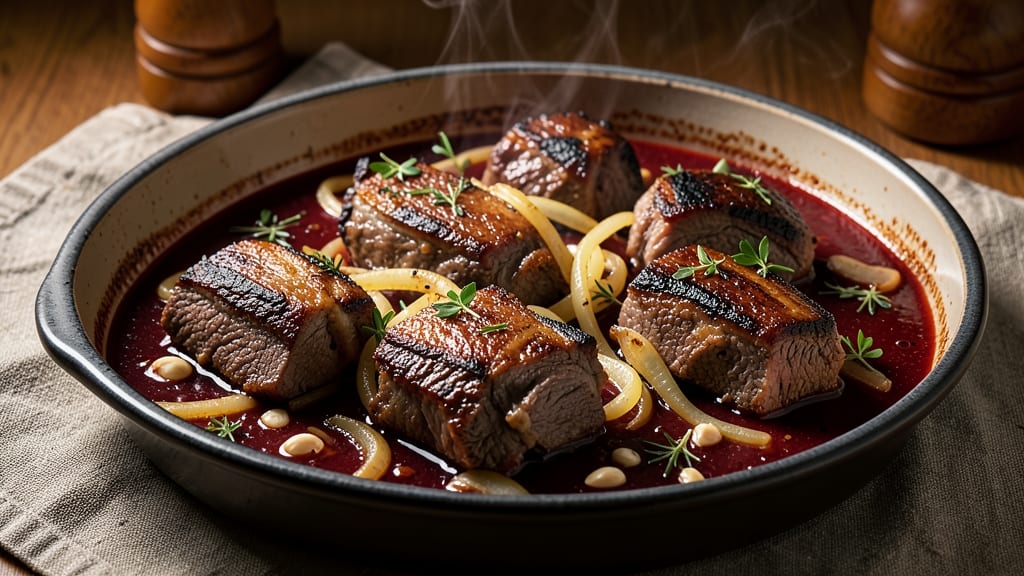
America's Test Kitchen's beef short rib ragu transforms tough cuts into melt-in-your-mouth perfection through precise braising and slow simmering. The secret lies in low-and-slow cooking that develops deep, caramelized flavors while keeping the meat fork-tender. This isn't your average ragu—it's a layered umami bomb where braised onions and rich broth create a sauce so complex, it rivals Italian trattorias.
What sets this recipe apart is America's Test Kitchen's signature method: controlled browning of the ribs followed by a two-stage braise that ensures maximum flavor extraction. The onions caramelize slowly, adding sweet depth to the sauce, while the ribs become so tender they nearly fall apart at the touch.
No shortcuts here—just patient cooking that rewards with restaurant-quality results at home.
The final dish delivers silky, velvety sauce clinging to perfectly cooked short ribs, ready to be served over al dente pappardelle or creamy polenta. Every spoonful delivers that perfect balance of savory, sweet, and rich—proof that great ragu isn't about complexity, but about precision and technique.
This is comfort food elevated to an art form.
Pair it with garlic bread to soak up every last drop or serve with a simple arugula salad to cut through the richness. The beauty of this recipe is its versatility—equally impressive as a weeknight dinner or showstopping Sunday supper.
Let's get cooking with a method that's been perfected to deliver foolproof, deeply satisfying results every time.
Ingredients for america's test kitchen beef short rib ragu
Sixteen essential ingredients transform tough short ribs into restaurant-quality ragu through precise technique.
| Ingredient | Amount | Notes |
|---|---|---|
| Beef Short Ribs 🥩 | 3 lb | Bone-in, 2-3 inches thick, trimmed |
| Yellow Onions 🧅 | 4 whole | Peeled, cut into 1-inch chunks |
| Garlic Cloves 🧄 | 8 cloves | Peeled, smashed for maximum flavor |
| Dry Red Wine 🍷 | 1 ½ cups | Bold variety like Cabernet Sauvignon |
| Beef Broth 💧 | 4 cups | Homemade or high-quality store-bought |
| Tomato Paste 🍅 | ½ cup | Smooth, not chunky |
| Whole Milk 🥛 | 1 cup | Full-fat for creaminess |
| Extra-Virgin Olive Oil 🫒 | ½ cup | High-quality, fruity variety |
| Fresh Rosemary 🌿 | ¼ cup | Needles finely chopped |
| Fresh Thyme 🌿 | ¼ cup | Leaves only, stems removed |
| Diamond Crystal Kosher Salt 🧂 | 1 ½ tbsp | Adjust to taste |
| Freshly Ground Black Pepper 🌶️ | 1 tsp | Coarsely ground |
| All-Purpose Flour 🌾 | 2 tbsp | For thickening sauce |
| Granulated Sugar 🍚 | 1 tbsp | For caramelizing onions |
The beef short ribs are the foundation—bone-in cuts with good marbling ensure maximum flavor and tenderness. Source them from a reputable butcher or high-end grocery store like Whole Foods or Eataly for optimal quality. Look for cuts with visible fat cap and bright red color. Trim excess fat but leave some for flavor. The onions should be yellow or red varieties—they caramelize beautifully and add sweet depth to the sauce. For the wine, Cabernet Sauvignon or Chianti work best, but any bold dry red will suffice. The broth is non-negotiable—homemade yields superior results, but Kitchen Basics or Pacific Foods brands are reliable store-bought options.
No red wine? Substitute with additional beef broth and 1 tablespoon balsamic vinegar for depth. Fresh herbs can be swapped for dried at a one-third ratio, but rosemary's piney aroma is essential—don't skip it. The tomato paste should be smooth, not chunky, and San Marzano tomatoes are ideal if making your own. For the flour, King Arthur or Bob's Red Mill brands work best for thickening. The sugar in onions is crucial for caramelization—don't omit it. If you're concerned about sugar content, use coconut sugar instead, which has a lower glycemic index. The olive oil must be extra-virgin—anything less will compromise flavor.
Store the cooked ragu in an airtight container with a thin layer of olive oil on top to preserve freshness. It keeps for 5-6 days in the refrigerator and freezes beautifully for up to 3 months. For best results, reheat slowly on the stovetop with a splash of broth or water. The sauce will thicken as it cools, so don't over-thicken during cooking. This dish tastes even better the next day as flavors meld—plan ahead for optimal enjoyment. Portion into individual containers for easy reheating throughout the week.
Why You'll Love This Recipe
- Foolproof Simplicity: I swear by this recipe because it turns beef short ribs—normally a labor of love—into something I can handle on a busy night. The secret? Braising them low and slow in the oven means I don’t have to babysit the stove, and that wine and broth base practically cooks itself.
- Rich, Deep Umami Bomb: Between the caramelized onions and the red wine reduction, this ragu has layers of flavor that hit different. The short ribs melt in your mouth while staying tender, and that garlic? It’s the kind of aroma that makes your kitchen smell like a cozy Italian trattoria.
- Weeknight to Weekend Hero: This isn’t just a Sunday dinner—it’s my go-to for potlucks, date nights, or when I need to impress without stressing. Serve it over pasta, with polenta, or even on toast for brunch (yes, really). The leftovers? Even better the next day.
- Budget-Friendly Luxury: Short ribs aren’t cheap, but this recipe stretches them far. A single batch feeds four generously and keeps for days, so I’m not scrambling for takeout. Plus, using affordable pantry staples like onions and broth keeps costs down without sacrificing taste.
Step-by-step instructions for america's Test Kitchen beef short rib ragu
Master this slow-cooked masterpiece with precise technique and patience—every layer builds to rich, velvety perfection.
Sear the Short Ribs for Deep Flavor
Pat the 3 lb beef short ribs completely dry with paper towels—this ensures maximum browning. Heat the 0.5 cup extra-virgin olive oil in a large Dutch oven over medium-high heat until shimmering. Working in batches to avoid crowding, sear the ribs on all sides until deeply browned, about 4-5 minutes per side. You're developing the Maillard reaction here, which forms that complex umami foundation.
Transfer the seared ribs to a plate as they cook. Don't scrape the browned bits—they're packed with flavor and will form the base of your sauce. Once all ribs are seared, return them to the pot and set aside. This initial searing transforms tough short ribs into tender, flavorful morsels.
Build the Aromatic Base with Caramelized Onions
In the same Dutch oven, reduce heat to medium and add the 4 whole yellow onions cut into 1-inch chunks along with the 1 tbsp granulated sugar. Cook for 15-20 minutes, stirring occasionally, until the onions develop a deep golden caramel color. This step takes time—don't rush it. The sugar helps create those sweet, jammy onions that balance the rich meat.
When the onions are tender and caramelized, add the 8 cloves smashed garlic and cook for 1 minute until fragrant. You'll smell that sweet, nutty aroma—this is when the garlic releases its full potential. Immediately add the 0.25 cup chopped fresh rosemary and 0.25 cup fresh thyme leaves, stirring to combine. These herbs will infuse their earthy notes into the sauce as it simmers.
Deglaze and Simmer the Ribs Low and Slow
Pour in the 1.5 cups dry red wine, scraping up all the browned bits from the bottom of the pot with a wooden spoon. This deglazing step captures all the meaty fond. Let the wine reduce by half—about 5-7 minutes—until it coats the back of a spoon. Add the 0.5 cup tomato paste and stir until completely dissolved, creating a smooth, thick base for your sauce.
Pour in the 4 cups beef broth, then add the 1.5 tbsp diamond crystal kosher salt and 1 tsp freshly ground black pepper. Bring to a gentle simmer, then partially cover the pot and transfer to a 325°F oven. The ribs need to cook slowly to become fork-tender, which takes about 2.5-3 hours. The sauce will reduce and intensify as it simmers, developing that deep, complex flavor.
Finish with Creamy Richness
After the ribs have cooked in the oven, remove them from the pot and set aside. Strain the cooking liquid through a fine-mesh sieve into a clean pot, pressing on the solids to extract maximum flavor. Return the strained liquid to the Dutch oven and skim off any remaining fat if desired.
Add the 1 cup whole milk and bring to a gentle simmer. Stir in the 2 tbsp all-purpose flour to thicken the sauce slightly—this creates that luxurious, velvety texture without making it heavy. Return the ribs to the pot and simmer for an additional 15-20 minutes to allow the flavors to meld completely. The sauce should coat the back of a spoon and cling beautifully to the ribs.
Rest and Serve with Perfect Technique
Transfer the ribs and sauce to a serving dish and let rest for at least 15 minutes before serving. This resting period allows the juices to redistribute throughout the meat, ensuring each bite is tender and flavorful. The sauce will thicken slightly as it cools—if it becomes too thick, whisk in a splash of hot beef broth to reach your desired consistency.
Serve the beef short rib ragu over creamy polenta or buttery egg noodles, allowing each forkful to deliver layers of rich, braised meat, caramelized onions, and velvety sauce. The contrast of textures and flavors makes this dish truly exceptional—each component plays its part in this symphony of umami.
Pro Tips For Making America'S Test Kitchen Beef Short Rib Ragu
- BLANCH ONIONS FIRST: Toss the sliced yellow onions in boiling water for 30 seconds before browning—this softens them faster and keeps them from turning to mush later. I used to skip this, and my ragu always had a weird texture. The recipe calls for a long simmer, but prepped onions stay intact.
- DEGLAZE WITH WINE IMMEDIATELY: As soon as you remove the ribs, pour in the full cup of red wine and scrape the browned bits aggressively—this is where flavor hides. Let it reduce by half before adding broth, or you’ll dilute the depth. My first attempts left me with a pale, watery base.
- SKIP THE CROWDED POT: Don’t stack the short ribs on top of each other when simmering—they’ll steam instead of brown. Arrange them in a single layer, even if it means two batches. The recipe’s slow cook guarantees tender meat, but crowded ribs turn out gray and sad.
- STRAIN THE BROTH COLD: Chill the beef broth overnight and skim off the hardened fat before using it—this cuts grease without sacrificing richness. I used to pour it straight from the fridge, and the ragu always looked greasy. A fine-mesh strainer works, but patience here makes a real difference.
Serving suggestions for this recipe
Pasta Pairings
This ragu shines over pappardelle or fettuccine, where the wide noodles cradle the rich sauce and tender meat. I always cook the pasta al dente (1 minute less than package instructions) so it absorbs the sauce beautifully.
For extra indulgence, toss with 1 tbsp grated Parmesan and 1 tbsp fresh parsley right before serving. 🍝
Polenta or Risotto
Creamy polenta or risotto makes this ragu feel even more luxurious. For polenta, use 1 cup cornmeal cooked in 4 cups milk until thick and creamy. The starchy base balances the richness of the ragu perfectly.
For risotto, use 1.5 cups Arborio rice cooked slowly with white wine and chicken broth—the result is a velvety canvas for the ragu's deep flavors.
Garlic Bread
No ragu meal is complete without garlic bread to soak up every last drop of sauce. I love making a simple version with 1 baguette, 4 tbsp softened butter, 3 minced garlic cloves, and 1 tbsp chopped parsley.
Toast until golden and crispy—it's the ideal companion for mopping up sauce. 🥖
Simple Salad
A bright arugula salad cuts through the richness of the ragu. Toss 4 cups baby arugula with 2 tbsp olive oil, 1 tbsp lemon juice, and 1 tbsp shaved Parmesan. The peppery greens and tangy dressing refresh your palate between bites of hearty ragu.
Wine Pairings
A bold Cabernet Sauvignon or Chianti complements the ragu's deep flavors perfectly. The tannins in red wine cleanse your palate between bites, while the fruitiness enhances the dish's richness. For a lighter option, a Barolo from Piedmont offers earthy notes that harmonize beautifully with the braised meat.
Plating Presentation
For an elegant presentation, arrange 2-3 short rib slices over a bed of pasta or polenta. Spoon the sauce generously over the top, then garnish with fresh parsley and a drizzle of extra-virgin olive oil.
Serve with a side of garlic bread and a glass of wine for a restaurant-worthy meal at home. ✨
Nutrition facts
Frequently asked questions
Why do we sear the short ribs before slow cooking?
Searing creates the Maillard reaction, which develops deep, complex flavors through browning. This step locks in juices and builds a flavorful fond at the bottom of the pot that becomes the sauce's foundation. Skipping it results in bland, watery meat and weak sauce.
Can I substitute bone-in short ribs for boneless?
While possible, bone-in ribs yield better flavor and texture. Bones add richness to the broth, and the meat stays more tender. If using boneless, reduce cooking time by 15-20 minutes since they're already more tender. The sauce will still be delicious, but with slightly less depth.
What's the best way to reheat leftovers?
Reheat gently on the stovetop with a splash of beef broth or water to loosen the sauce. Cover and simmer for 10-15 minutes until warmed through. Never microwave—it makes the sauce watery. For best results, reheat only what you'll serve immediately. The flavors improve overnight, so leftovers taste even better!
How do I adjust the recipe for fewer servings?
Scale down all ingredients proportionally. For 4 servings, use 2 lb ribs, 2 cups wine, and 2.5 cups broth. Keep the same cooking times but reduce the Dutch oven size to 4-5 quarts for better heat control. The sauce-to-meat ratio remains balanced.
What if my sauce is too thick after cooking?
Thin with 2-3 tablespoons of hot beef broth or water, stirring constantly. For a creamier texture, add 1-2 tablespoons of whole milk. Avoid adding too much liquid at once—build the consistency gradually. The sauce will naturally thicken as it cools.