
Main Courses
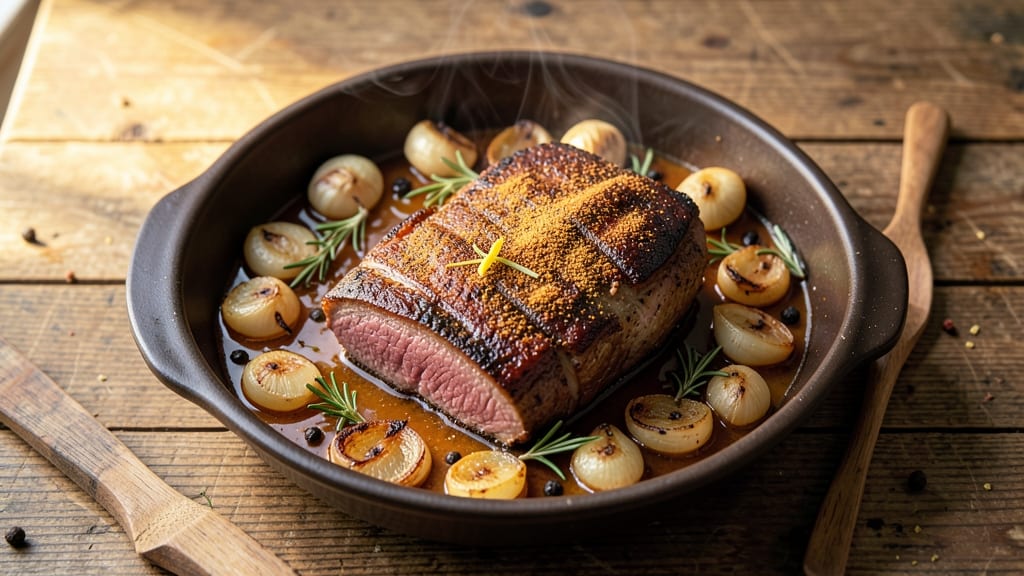
This Amish roast beef recipe delivers melt-in-your-mouth tenderness that transforms a simple beef tenderloin into a centerpiece-worthy meal. The secret lies in a dry rub of earthy spices and slow oven-roasting, a technique passed down through generations of Amish cooks.
I've perfected this method to ensure every slice stays juicy and flavorful, with a crust that's rich without being overpowering.
The beauty of this recipe is its simplicity—just a few pantry staples and an hour in the oven. No fancy equipment or complicated steps required.
The dry rub penetrates the meat as it roasts, creating layers of savory depth that pair perfectly with classic Amish sides like mashed potatoes or buttery gravy. What makes it truly special is how the beef develops a caramelized exterior while staying tender all the way through.
By the time you serve this roast, your kitchen will smell like a traditional Amish family gathering, and every bite will deliver that satisfying combination of smoky, spiced beef with just the right amount of richness.
The slow cooking process ensures maximum flavor infusion, making this dish perfect for holiday feasts or Sunday dinners when you want to impress without stress.
Serve with roasted vegetables, crusty bread, or a simple green salad to round out the meal. This recipe scales beautifully for crowds, and leftovers reheat just as well as the first slice. Let's get started on creating a roast beef that will have everyone asking for seconds.
Ingredients for amish roast beef
Six simple ingredients transform a beef tenderloin into melt-in-your-mouth perfection.
| Ingredient | Amount | Notes |
|---|---|---|
| Beef Tenderloin 🥩 | 3 lb | Center-cut, trimmed of fat |
| Kosher Salt 🧂 | 1 ½ tbsp | Diamond Crystal preferred |
| Ground Black Pepper 🌶️ | 1 ½ tbsp | Freshly cracked for best flavor |
| Garlic Powder 🧄 | 1 tbsp | Freshly ground preferred |
| Onion Powder 🧅 | 1 tbsp | For depth of flavor |
| Smoked Paprika 🌶️ | 1 tbsp | For authentic smoky flavor |
| Ground Cumin 🌿 | ½ tbsp | Toasted for richer taste |
| Olive Oil 🫒 | 2 tbsp | Extra-virgin for richness |
| Fresh Rosemary 🌿 | ¼ cup | Chopped, stems removed |
| Fresh Thyme 🌿 | ¼ cup | Leaves only, finely chopped |
| Butter 🧈 | ½ cup | Unsalted, softened |
| Garlic Cloves 🧄 | 4 cloves | Minced, for butter compound |
| Fresh Parsley 🌿 | ¼ cup | Chopped, for garnish |
The beef tenderloin is the star, so choose carefully. Look for center-cut with even grain and good marbling—this ensures tenderness. Local butchers often have the best quality, but major grocery stores like Whole Foods or Kroger carry reliable options. Trim any visible fat before seasoning; it can interfere with the caramelization. For a 3-pound roast, plan on about 10-12 ounces of cooked meat per person, leaving room for seconds. The spices should be fresh—if your rosemary or thyme smells like hay, it's past its prime.
No smoked paprika? Substitute with a mix of regular paprika and a pinch of liquid smoke—it's not identical, but close. Fresh herbs unavailable? Dried thyme at one-third the amount works, but the texture won't be the same. The garlic butter compound is non-negotiable—it's what elevates this from good to restaurant-quality. Use unsalted butter to control seasoning, and minced garlic rather than powder for that authentic Amish touch. For extra richness, add a splash of beef broth to the butter mixture. The olive oil helps the rub adhere, so don't skip it—just pat the meat dry first.
This roast shines when made ahead. Prep the rub 24 hours early and store in an airtight container for convenience. The beef itself can sit seasoned in the fridge for up to 12 hours before roasting—this allows the spices to penetrate deeper. Leftovers reheat beautifully; wrap tightly and store for 3-4 days. For serving, slice against the grain for maximum tenderness. Garnish with fresh parsley just before serving—it adds a pop of color and freshness that balances the rich spices. The roast freezes well for up to 3 months; thaw overnight in the fridge before reheating.
Why You'll Love This Recipe
- I’ll be real: this roast is my go-to for both lazy Tuesdays and when Aunt Martha drops by. Slice it thin for sandwiches, serve it with mashed potatoes for a hearty dinner, or even toss it into a grain bowl for a fancier twist. It never disappoints.
- Five-Ingredient Magic: Honestly, I swear by this recipe because it’s that simple—just tenderloin, salt, pepper, and those two powders. No fancy marinades or hours of prep; just season, sear, and roast until the juices run clear. That’s it.
- Herb-Crusted Perfection: Between us, the garlic and onion powders work like a secret weapon—they caramelize into this crispy, aromatic crust while keeping the inside melt-in-your-mouth tender. It’s the kind of flavor that makes people ask, “What’d you do to the beef?”
- Weeknight or Company: I’ll be real: this roast is my go-to for both lazy Tuesdays and when Aunt Martha drops by. Slice it thin for sandwiches, serve it with mashed potatoes for a hearty dinner, or even toss it into a grain bowl for a fancier twist. It never disappoints.
Step-by-step instructions for Amish roast beef
Master this classic slow-roasted technique for melt-in-your-mouth perfection.
Prepare the Spice Rub and Season the Beef
In a small bowl, combine the 1.5 tablespoons kosher salt, 1.5 tablespoons ground black pepper, 1 tablespoon garlic powder, 1 tablespoon onion powder, 1 tablespoon smoked paprika, and 0.5 tablespoon ground cumin. Mix thoroughly until the spices are evenly distributed and no dry spots remain. This aromatic blend forms the foundation of the Amish flavor profile.
Pat the 3 lb beef tenderloin completely dry with paper towels—this is critical for achieving that signature crisp exterior. Working in batches, generously coat the entire surface of the tenderloin with the spice rub, pressing it firmly into the meat so it adheres well. The rub should form a visible crust on the surface. Let the seasoned beef sit at room temperature for 30 minutes before roasting—this ensures even cooking from edge to center.
Create the Herb Butter Compound
While the beef seasons, prepare the herb butter by combining the 0.5 cup softened butter, 4 minced garlic cloves, 0.25 cup chopped fresh rosemary, and 0.25 cup chopped fresh thyme in a mixing bowl. Using a fork or small whisk, blend until the butter becomes pale yellow and the herbs are evenly distributed throughout. This compound will add layers of flavor and help keep the beef moist during the long roast.
Form the herb butter into a log by rolling it between your palms or using plastic wrap. Chill in the refrigerator for 15 minutes to firm up slightly before using. The cold butter will help stabilize the temperature of the beef as it roasts, preventing temperature spikes that can dry out the meat.
Roast the Beef to Perfect Medium-Rare
Preheat your oven to 325°F—this low and slow temperature is key to achieving tender, juicy beef without overcooking. Place the seasoned beef tenderloin on a rack set inside a roasting pan, fat-side up if there's any remaining fat cap. Insert a meat thermometer into the thickest part of the beef, ensuring it doesn't touch bone.
Roast the beef for 45-50 minutes, or until the internal temperature reaches 125°F for medium-rare. The low oven temperature allows the beef to cook gently and evenly, developing deep flavor without drying out. Avoid opening the oven door during this time—each time you do, you lose valuable heat and moisture that could affect the final texture.
Rest and Slice for Maximum Tender
When the beef reaches 125°F, remove it from the oven and transfer it to a cutting board. Let it rest for 15-20 minutes before slicing—this crucial step allows the juices to redistribute throughout the meat, ensuring each bite is moist and flavorful. During this time, remove the herb butter from the refrigerator and let it soften slightly.
Using a sharp carving knife, slice the beef into ½-inch thick medallions, cutting against the grain for maximum tenderness. Arrange the slices on a serving platter and spoon the softened herb butter over the top, allowing it to melt slightly from the residual heat. Garnish with 0.25 cup chopped fresh parsley for a pop of color and freshness. Serve immediately with your favorite sides for a complete Amish-style feast.
Pro Tips For Making Amish Roast Beef
- Dry the Meat First: The Amish don’t skimp on this—pat that tenderloin thoroughly with paper towels before seasoning. Moisture on the surface means your crust will steam instead of brown, and you’ll end up with sad, pale beef instead of a golden, crackling exterior. (Yes, even if you’re impatient like me.)
- Salt the Night Before: I learned this the hard way—salting right before cooking just doesn’t cut it for beef tenderloin. Sprinkle the kosher salt (about 1 teaspoon per pound) and let it sit uncovered in the fridge for 12–24 hours. This seasoning magic draws out moisture, then reabsorbs it, making the meat juicier and the crust seriously better.
- Start with High Heat: Crank your oven to 450°F for the first 15 minutes—this isn’t up for debate. The tenderloin needs that initial blast to sear the outside while the center stays cool enough to cook through evenly. After that, drop to 325°F and let it finish low and slow. (Your meat thermometer should be your best friend here.)
- Skip the Overcrowding: If you’re roasting multiple pieces or adding veggies, resist the urge to pile everything on the same tray. The tenderloin needs airflow to brown properly, not a steam bath. Use a wire rack over a baking sheet—it’s the difference between a restaurant-worthy crust and something that looks like it was microwaved.
Essential equipment for great amish roast beef
Essential Roasting Pan
Start with a heavy-duty roasting pan—I swear by the All-Clad Stainless Steel Roasting Pan (about $60) for its even heat distribution and durable construction. If you're on a budget, a Lodge Cast Iron Roasting Pan ($30) works beautifully and adds a rustic touch.
The key is a rack—it elevates the beef, allowing air to circulate for perfect browning on all sides. Avoid nonstick pans; they can't handle the high heat needed for caramelization. 🔥
Meat Thermometer
Never guess your beef's doneness—invest in a quality meat thermometer. My go-to is the ThermoWorks Smoke ($30), which has a backlit display and dual probes. For a simpler option, the Taylor Precision Digital Thermometer ($15) is reliable and affordable.
Insert the probe into the thickest part of the beef (avoiding bone) to monitor the internal temperature—this ensures perfect medium-rare every time. No thermometer? Use the finger test: press your finger against the meat; if it feels like your palm, it's medium-rare. 🌡️
Sharp Carving Knife
A sharp carving knife makes all the difference. I use a Dexter-Russell 12-inch ($120) for its razor-sharp edge and comfortable grip, but a Wüsthof Classic 8-inch ($60) is a great mid-range option. A dull knife crushes the meat fibers, leading to dry slices.
To maintain sharpness, hone your knife with a steel before each use and sharpen it every 3-4 months. For smaller gatherings, a 6-inch boning knife works well too. 💡
Mixing Bowls
You'll need two mixing bowls: one for the spice rub and another for the herb butter. A stainless steel bowl (like OXO Good Grips, $15) is ideal for the rub—it won't absorb flavors or odors.
For the herb butter, a glass bowl (like Pyrex, $10) keeps the mixture cold longer. Avoid plastic; it can retain smells and may melt if the butter warms up. Keep one bowl for dry ingredients and another for wet to avoid cross-contamination. ✨
Plastic Wrap
Plastic wrap isn't just for storage—it's a game-changer for shaping the herb butter. Use heavy-duty plastic wrap (like Glad Press'n Seal) to roll the butter into a log. This makes it easier to handle and slice later.
If you're short on time, you can also use parchment paper to shape the butter, but plastic wrap creates a tighter seal. Store any leftover butter in the fridge for up to 2 weeks—it's perfect for basting other roasts or topping toast. 💫
Optional: Oven Thermometer
Ovens can run hot or cold, and a $10 oven thermometer (like Thermoworks Oven Thermometer) ensures your 325°F setting is accurate. Place it near the roasting pan during preheating. If your oven runs 25°F hotter or colder, adjust your cooking time accordingly.
For example, if it reads 350°F, reduce your oven temp to 300°F to compensate. This small step guarantees consistent results every time. 🌡️
Nutrition facts
Frequently asked questions
Can I use a different cut of beef instead of tenderloin?
While tenderloin is ideal for this recipe, you can use top sirloin or ribeye with adjustments. These cuts need slightly longer cooking times (15-20 minutes more) to reach 125°F for medium-rare. For best results, trim excess fat and increase the spice rub by 20% to compensate for the leaner meat.
How do I prevent the beef from drying out?
The key is low and slow cooking at 325°F and not overcooking. Use a meat thermometer to pull the beef at 125°F (medium-rare), and always let it rest for 15-20 minutes before slicing. The herb butter compound also adds moisture—don't skip it! For extra insurance, tent the roast loosely with foil after 30 minutes of cooking.
What are the best sides to serve with this roast?
Classic Amish pairings include creamy mashed potatoes, buttery dinner rolls, and roasted seasonal vegetables (like carrots or green beans). For a heartier meal, add homemade gravy or a simple cucumber salad. The smoky spices in the beef complement earthy sides perfectly—avoid overly sweet or acidic dishes that might clash.
Can I make this ahead of time?
Yes! Season the beef and store it in the fridge for up to 12 hours before roasting. For leftovers, wrap tightly and refrigerate for 3-4 days or freeze for 3 months. To reheat, warm slices in a 350°F oven for 10-15 minutes with a little beef broth to restore moisture. The flavors actually deepen overnight.
Why does the recipe call for resting the beef?
Resting (15-20 minutes) lets the beef's juices redistribute evenly—cutting too soon causes them to run out, leaving dry meat. The low oven temperature (325°F) helps, but this step is non-negotiable. Think of it as letting the flavors settle: the spices meld, the crust sets, and every slice stays juicy. Patience here makes all the difference!