
Main Courses
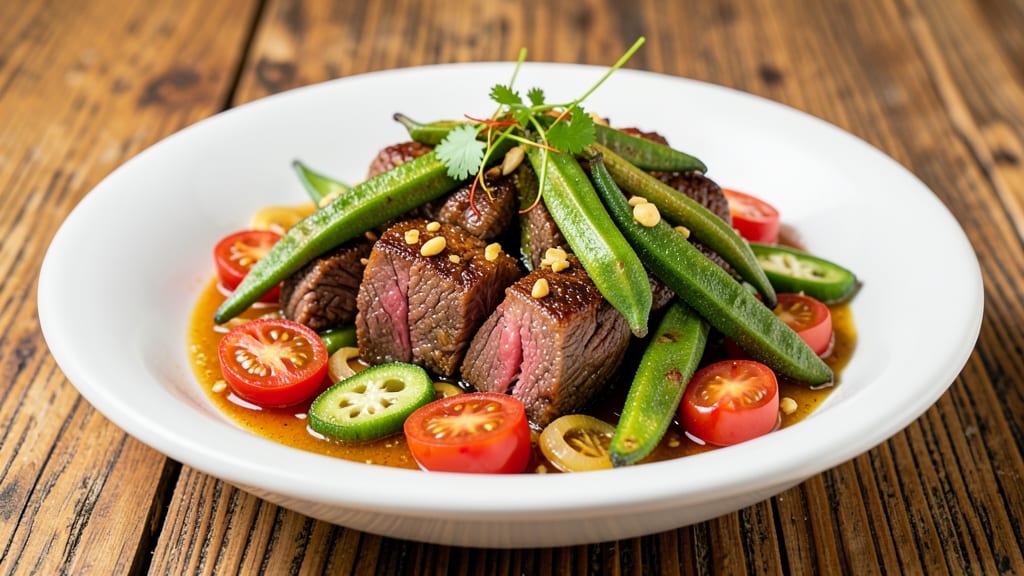
This ampalaya con beef recipe delivers the rich, comforting flavors of Filipino home cooking with tender beef and perfectly balanced bitter melon. The secret lies in slow-simmering the beef until fork-tender while transforming the slightly bitter ampalaya into a sweet, velvety component through careful preparation.
Every bite combines the hearty texture of beef with the subtle sweetness of caramelized vegetables, creating a dish that feels both nostalgic and refined.
What sets this recipe apart is the proper handling of bitter melon—peeling, slicing, and removing seeds to avoid bitterness while preserving its unique texture. The beef is first seared to lock in flavor before simmering in a rich tomato-based sauce with garlic, onions, and bay leaves.
This method ensures the meat remains tender while developing deep, savory notes that pair beautifully with the stew's natural sweetness.
The result is a slow-cooked stew where each ingredient shines: beef that falls apart easily, tender okra with just the right bite, and a sauce thickened naturally by the vegetables themselves. The dish serves perfectly over steamed rice, soaking up every last drop of that flavorful broth.
For a modern twist, a splash of cream or grated cheese at the end adds richness without overpowering the traditional flavors.
Whether you're recreating a childhood memory or introducing Filipino cuisine to someone new, this recipe delivers restaurant-quality results at home. The slow cooking process means flavors meld beautifully, making it ideal for meal prep or a special weekend dinner. Let's get started on creating this comforting classic.
Ingredients for ampalaya con beef
Twelve ingredients transform into a rich, velvety Filipino stew where tender beef and sweetened bitter melon shine.
| Ingredient | Amount | Notes |
|---|---|---|
| Ampalaya (Bitter Melon) 🍆 | 1 ½ lb | Peeled, deseeded, sliced thin |
| Beef Chuck Roast 🥩 | 1 ½ lb | Cut into 1.5-inch cubes |
| Yellow Onions 🧅 | 2 whole | Thinly sliced, divided |
| Garlic Cloves 🧄 | 6 cloves | Minced, divided |
| Okra 🌽 | 12 pieces | Trimmed, cut into 2-inch lengths |
| Tomatoes 🍅 | 4 whole | Roma or vine-ripened, diced |
| Tomato Paste 🍅 | ½ cup | Smooth, not chunky |
| Bay Leaves 🌿 | 2 whole | Fresh preferred |
| Black Peppercorns 🌶️ | 1 tsp | Freshly cracked |
| Salt 🧂 | 1 ½ tsp | Diamond Crystal preferred |
| Olive Oil 🫒 | ½ cup | Extra-virgin for searing |
| Heavy Cream 🥛 | ¼ cup | Optional, for modern twist |
| Butter 🧈 | 2 tbsp | Unsalted, for finishing |
The beef selection is critical—chuck roast delivers the perfect balance of tenderness and flavor after slow cooking. Look for cuts with visible marbling at your local Filipino market or well-stocked grocery store butcher section. If using pre-cut beef, ensure the pieces are uniform to promote even cooking. For the ampalaya, choose firm, green specimens with minimal yellowing. The bitter melon must be peeled and deseeded thoroughly—this removes the majority of bitterness while preserving its unique texture. I recommend buying fresh bitter melon from Asian grocery stores where it's typically sold refrigerated. If unavailable, frozen bitter melon works well, though it may require slightly longer cooking to achieve the same tenderness.
Substitutions should preserve the dish's balance. For the beef, chuck steak or short ribs work well, though cooking times may vary slightly. If you can't find bay leaves, a pinch of dried oregano provides a similar earthy depth. The okra is non-negotiable for texture, but if unavailable, zucchini can be used at half the quantity. For the modern twist, coconut milk makes an excellent alternative to cream, adding richness while keeping the dish authentically Filipino. When handling the bitter melon, always wear gloves—the sap can be irritating to some skin. The tomato paste should be smooth; chunky varieties can create an uneven texture in the finished stew. For extra depth, a splash of soy sauce (about 1 tablespoon) enhances the umami profile without overpowering.
This stew develops deeper flavors with time—plan for at least 2 hours of simmering for optimal tenderness. Store leftovers in airtight containers in the refrigerator for up to 5 days, though the flavors continue to meld beautifully over time. For meal prep, double the recipe and freeze portions in ziplock bags for up to 3 months. When reheating, add a splash of water or broth to maintain the sauce's consistency. The dish pairs perfectly with jasmine rice, which absorbs the rich broth beautifully. For serving, garnish with freshly cracked black pepper and a pat of butter for an elegant presentation that highlights the dish's restaurant-quality results.
Why You'll Love This Recipe
- Here’s what sold me: this dish reheats like a dream. Pack the leftovers for work, and they’ll still taste like you made them fresh. The ampalaya holds its texture, the beef stays juicy—no sad, mushy lunches here.
- One-Pot Magic: I swear by this recipe when I’m too tired to deal with multiple pans. The beef, ampalaya, and okra all simmer together in one pot—minimal chopping, no fuss, and that rich, caramelized sauce happens almost by itself.
- Rich Contrast: Between us, the bitter melon’s sharp bite and the beef’s tender, savory depth are made for each other. The garlic and onions deepen into a sweet, umami base that makes every bite satisfying—like comfort food with a little rebellion.
- Lunchbox Hero: Here’s what sold me: this dish reheats like a dream. Pack the leftovers for work, and they’ll still taste like you made them fresh. The ampalaya holds its texture, the beef stays juicy—no sad, mushy lunches here.
Step-by-step instructions for ampalaya con beef
Master this Filipino classic with perfectly tender beef and balanced bitter-sweet flavors.
Sear the Beef Chuck Roast
Heat 0.5 cup olive oil in a large Dutch oven over medium-high heat until shimmering. Add the 1.5 lb beef chuck roast cut into 1.5-inch cubes in a single layer, working in batches if needed. Let each piece develop a deep golden brown crust—about 3-4 minutes per side—before removing and setting aside.
This searing step creates the Maillard reaction that builds rich, caramelized flavor. Don't rush it—crowding the pan will steam the meat instead of browning. I press down gently on the beef during the first minute to prevent curling, ensuring even contact with the hot oil.
Build the Flavor Base
In the same Dutch oven, add 1 whole yellow onion (thinly sliced) and 3 cloves garlic (minced). Cook for 5-6 minutes until the onions soften and turn translucent, stirring occasionally. Add the remaining 1 whole yellow onion and 3 cloves garlic, then pour in the 0.5 cup tomato paste and 1.5 tsp salt.
Stir vigorously for 2 minutes to break up the tomato paste completely. This creates the velvety base that will carry the stew's flavors. The paste should darken slightly and coat the bottom of the pan—this is where the stew's depth comes from.
Simmer the Vegetables
Return the seared beef to the Dutch oven. Add 12 pieces okra (trimmed and cut into 2-inch lengths), 4 whole tomatoes (diced), 2 whole bay leaves, and 1 tsp black peppercorns. Pour in just enough water to come halfway up the beef—about 2 cups. Bring to a gentle boil, then reduce heat to low and cover partially.
Simmer for 45 minutes until the beef is fork-tender and the okra has softened but still holds its shape. The stew should reduce slightly, intensifying the flavors. I check the beef's tenderness by piercing with a fork—it should slide in easily with minimal resistance.
Incorporate the Ampalaya
Add the 1.5 lb ampalaya (bitter melon) (peeled, deseeded, and sliced thin) to the stew. Simmer uncovered for another 20-25 minutes until the bitter melon softens completely and the stew reaches your desired consistency. The bitterness should mellow into a subtle, earthy note rather than overpowering.
Taste and adjust seasoning—you may need to add a pinch more salt to balance the bitter melon's natural flavors. The stew should coat the back of a spoon with a silky texture, neither too thick nor too thin.
Finish with Cream and Butter
Reduce heat to low and stir in the 0.25 cup heavy cream and 2 tbsp butter. Simmer gently for 5 minutes to allow the cream to meld with the stew's flavors. Remove the bay leaves before serving.
The cream adds a luxurious finish that rounds out the dish's flavors. For an even richer texture, you can mash a few okra pieces against the side of the pot to thicken the sauce slightly. Serve immediately with steamed rice to soak up every last bit of this comforting stew.
Pro Tips For Making Ampalaya Con Beef
- Sear the Beef First: Don’t skip browning the beef chuck roast—this step builds flavor that simmering alone won’t match. Use a heavy pot or Dutch oven on medium-high heat, and let those edges turn deep golden before adding anything else. I used to rush this, and the stew always tasted flat until I committed to 8-10 minutes per side.
- Slice Ampalaya Thinly: Ampalaya’s bitterness mellows when sliced paper-thin, but most recipes undercut it by using thick chunks. Cut it crosswise into ⅛-inch slices (yes, even the seedy parts) and soak in cold water for 10 minutes first—this removes some bitterness and keeps it from turning mushy. Trust me, your taste buds will notice.
- Don’t Overcrowd the Pot: If you’re using a standard pot, add the beef and onions first, then let them cook until they release some liquid before tossing in the ampalaya and okra. Crowding steams the veggies instead of caramelizing them, and that’s when the dish turns out soggy. I learned this after three batches where the okra stayed crunchy and the ampalaya stayed bitter.
- Deglaze with Soy Sauce: After searing the beef, don’t just splash in water—use a mix of soy sauce (2 tablespoons) and a splash of vinegar or tomato paste. This cuts through the bitterness of the ampalaya while adding depth. It’s the one upgrade that actually changes the outcome, and it takes 30 seconds. (Yes, even if you’re impatient like me.)
Perfect pairings for this dish
Traditional Filipino Sides
Serve your ampalaya con beef with steamed jasmine rice—it's the classic pairing that soaks up every last drop of that rich, savory broth. For extra authenticity, add a side of sinigang sa gata, a tangy tamarind soup with shrimp or pork, to balance the stew's heartiness.
I love serving both together for a full Filipino meal experience. 🍚
Modern Twist Garnishes
Brighten the dish with fresh cilantro leaves or green onions for a pop of color and freshness. A sprinkle of toasted sesame seeds adds nutty depth, while crispy fried shallots bring a satisfying crunch.
For a modern touch, drizzle with chili oil or a swirl of sriracha cream to add heat and richness.
Beverage Pairings
Cool down with calamansi juice—this Filipino citrus drink cuts through the richness beautifully. For beer lovers, a San Miguel Pale Pilsen complements the dish's savory-sweet balance. If you prefer wine, a light Pinot Grigio with its crisp acidity enhances the flavors without overpowering them. 🍷
Dipping Sauces
Prepare a simple soy-vinegar dip by mixing 1 tbsp soy sauce, 1 tbsp rice vinegar, and a pinch of sugar. This tangy sauce is perfect for dipping rice or adding a quick flavor boost to your stew.
For extra richness, blend 1 cup coconut milk with 1 tsp lime juice and a pinch of salt for a creamy, tropical twist.
Meal Prep Add-Ons
Double the recipe and store leftovers in airtight containers for up to 5 days. Reheat gently with a splash of water or broth to maintain the stew's texture.
For meal prep, serve with pre-cooked rice or garlic bread to create a complete, ready-to-eat meal. I often prep this stew on Sundays for quick weeknight dinners. ✨
Nutrition facts
Frequently asked questions
Why does the recipe call for peeling and deseeding the bitter melon?
Peeling and removing the seeds from ampalaya eliminates its natural bitterness while preserving its unique texture. The skin and seeds contain the most concentrated bitter compounds, so this step transforms the vegetable into a sweet, velvety component that complements the beef beautifully.
Can I substitute beef chuck roast with another cut?
Yes! Chuck steak or short ribs work well, though cooking times may vary slightly. For faster results, use brisket (cut into similar-sized cubes) and reduce simmering time by 15-20 minutes. The key is to ensure the beef reaches tender perfection—use a fork to test for doneness.
What if I can't find bitter melon (ampalaya) in my grocery store?
Frozen bitter melon works well, though it may require 5-10 extra minutes of cooking to soften. If unavailable, substitute with zucchini or eggplant (halve the quantity) for a milder flavor. For authenticity, check Asian grocery stores—they often stock fresh bitter melon.
How do I know when the beef is fully tender?
Test for doneness by piercing the largest beef piece with a fork—it should slide in easily with minimal resistance. The beef should also pull apart easily when using two forks. If it's still tough, simmer uncovered for another 10-15 minutes and check again.
Can I make this dish in a slow cooker?
Brown the beef first, then transfer everything to a 6-quart slow cooker. Cook on low for 7-8 hours or high for 4-5 hours, adding 1/2 cup water if needed. The slow cooker's gentle heat ensures tender beef and perfectly cooked vegetables without monitoring.