
Main Courses
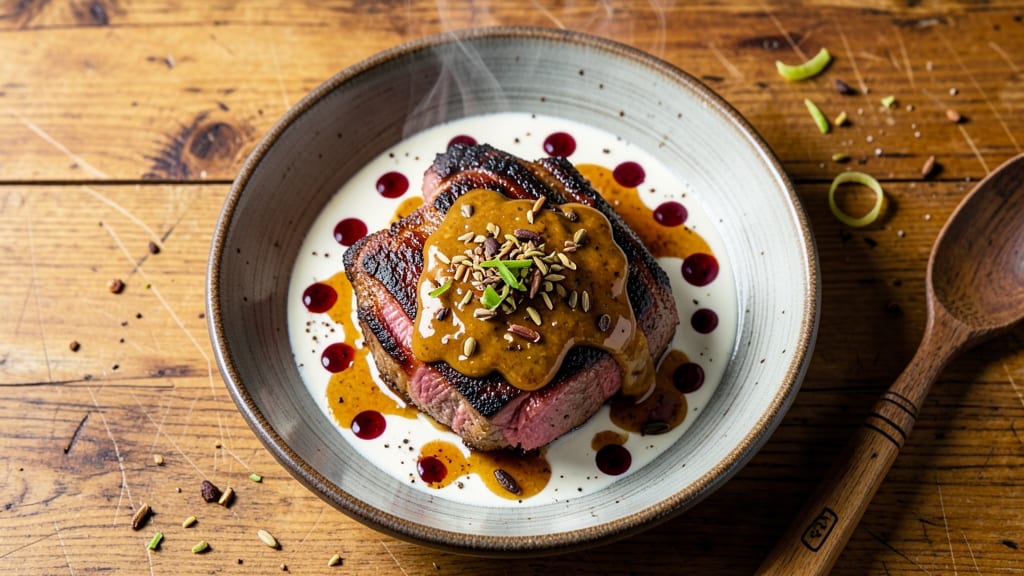
This Anglo-Indian beef roast delivers the bold, aromatic flavors of colonial-era India—tender beef slow-braised in a tangy yogurt marinade with warming spices like black pepper and cloves. The result is melt-in-your-mouth richness with a deep, savory crust, perfect for special occasions or weekend feasts.
What sets this recipe apart is the balance of traditional techniques with modern accessibility, using an oven instead of a tandoor for consistent results.
The marinade is where the magic happens: yogurt tenderizes the beef while vinegar and aromatic spices create layers of complexity. Slow roasting ensures the meat stays juicy, and the spices—cardamom, cinnamon, and fennel—infuse every bite with warmth.
This dish pairs beautifully with garlic naan, mint chutney, or a cooling cucumber raita to cut through the richness. The technique is straightforward but yields restaurant-quality depth.
By the time it’s done, you’ll have a centerpiece-worthy roast with a caramelized exterior and tender, flavorful meat that falls apart easily. The aroma alone will draw everyone to the table, and the first bite delivers that perfect harmony of spice, tang, and umami.
It’s a dish that feels special without requiring advanced skills—just patience and a few key ingredients. Let’s get started.
Whether you’re serving this for a holiday gathering or a cozy family dinner, the slow-braised richness and aromatic spices will make it a standout. The recipe scales easily, so you can adjust the portion size to fit your needs.
The accompanying sides—like crisp garlic naan or a refreshing raita—complete the experience, turning a simple roast into a full Anglo-Indian feast.
Ingredients for anglo indian beef roast
Six spices, one yogurt marinade, and beef that falls apart—this roast is restaurant-quality magic.
| Ingredient | Amount | Notes |
|---|---|---|
| Beef Chuck Roast 🥩 | 3 lb | Well-marbled, cut into 2-inch chunks |
| Plain Yogurt 🥛 | 1 ½ cups | Full-fat, unsweetened, Greek style preferred |
| Red Wine Vinegar 🍷 | ½ cup | Bold, dry variety like Cabernet Sauvignon |
| Ground Black Pepper 🌶️ | 2 tbsp | Freshly cracked for maximum aroma |
| Ground Cinnamon 🌿 | 1 tbsp | Warm, aromatic variety |
| Cardamom Pods 🌱 | 6 whole | Lightly crushed, green pods preferred |
| Whole Cloves 🌶️ | 6 whole | Lightly crushed, aromatic variety |
| Fennel Seeds 🌿 | 1 tbsp | Toasted lightly for deeper flavor |
| Fresh Ginger Root 🧅 | 1 ½ oz | Peeled, finely grated (about 2 tbsp) |
| Garlic Cloves 🧄 | 8 cloves | Peeled, roughly chopped |
| Olive Oil 🫒 | ¼ cup | Extra-virgin, for basting |
| Diamond Crystal Kosher Salt 🧂 | 1 ½ tbsp | For seasoning and marinade |
| Fresh Cilantro 🌿 | ¼ cup | Chopped, for garnish (optional) |
The beef is non-negotiable here—chuck roast gives you that melt-in-your-mouth tenderness, while sirloin stays tough. Look for good marbling at Costco or your local butcher shop; the extra fat keeps the meat juicy. If you can't find chuck, bottom round works in a pinch, but trim any excess fat first. The yogurt needs to be full-fat Greek style—it's what creates that silky texture in the marinade. Fage or Chobani are my go-tos, but any unsweetened, plain yogurt will do. As for spices, Penzeys or bulk bins at Whole Foods are your best bet for quality—cardamom and cloves should smell vibrant, not dusty.
No cardamom? Allspice at half the amount gives a similar warmth, though it won't be exact. Fennel seeds too pricey? Anise seeds work, but the flavor will be subtly different. The ginger and garlic can be swapped for 1 tbsp each of ginger paste and garlic powder if you're in a hurry, but fresh is always better. Red wine vinegar? Apple cider vinegar is a decent stand-in, though it won't have the same depth. For the olive oil, avoid light or refined oils—you want the peppery, fruity kind that'll stand up to the spices. And if you're feeling fancy, add a splash of brandy to the marinade for extra richness.
Marinate the beef overnight for best results—24 hours max, or the yogurt can curdle. Store the marinade in a sealed container in the fridge, and keep the beef submerged. When roasting, the meat reheats beautifully—3-4 days in the fridge or 3 months frozen. For leftovers, slice against the grain and reheat with a splash of beef broth to keep it moist. The spices lose potency after opening, so transfer them to a dark jar and store in a cool, dark place. This dish tastes even better the next day as the flavors meld.
Why You'll Love This Recipe
- Marinade Magic: I swear by that yogurt-wine mix—just 10 minutes of hands-off marinating, and the beef practically falls apart. No fancy techniques, just the right balance of tangy vinegar and creamy yogurt working their flavor spell.
- Spice Kiss: That cinnamon? It’s not sweet—it’s smoky and warm, cutting through the richness of the beef. Honestly, the black pepper and vinegar combo gives it this addictive, slightly sharp bite that keeps you reaching for more.
- Leftovers Heaven: This roast tastes even better the next day—perfect for lunchboxes or quick sandwiches. I’ll be real: I often make double and freeze half, because reheating it is just as good as the first bite.
- Budget Hero: A chuck roast stretches for days, and the marinade costs pennies. Between us, this is my go-to when I need a hearty, flavor-packed meal without breaking the bank or standing over the stove for hours.
Step-by-step instructions for Anglo-indian beef roast
Here's how to transform tough chuck into melt-in-your-mouth beef with deep spiced flavors.
Marinate the Beef Overnight for Maximum Tenderness
In a large bowl, combine the 1.5 cups plain yogurt, 0.5 cup red wine vinegar, 1.5 tbsp diamond crystal kosher salt, 2 tbsp ground black pepper, 1 tbsp ground cinnamon, 6 lightly crushed cardamom pods, 6 lightly crushed whole cloves, 1 tbsp toasted fennel seeds, 1.5 oz finely grated fresh ginger root, and 8 roughly chopped garlic cloves. Whisk until the spices are fully dissolved and the marinade is smooth.
Add the 3 lb beef chuck roast cut into 2-inch chunks, ensuring every piece is coated thoroughly. Cover the bowl with plastic wrap and refrigerate for at least 12 hours (I prefer 24 hours for maximum flavor penetration). The acidity in the yogurt and vinegar will tenderize the meat while the spices infuse deeply. This step is non-negotiable—it's what transforms tough chuck into fork-tender perfection.
Sear the Beef for Deep Flavor and Color
Remove the beef from the marinade (reserve the marinade for later) and pat dry with paper towels. Heat 0.25 cup olive oil in a large Dutch oven over medium-high heat until shimmering. Working in batches if needed, add the beef and sear for 3-4 minutes per side until deeply browned and caramelized. This step develops the rich, complex flavors that define Anglo-Indian cuisine.
As you sear, don't overcrowd the pan—this ensures proper browning. Transfer the seared beef to a plate and set aside. The goal is to create a deep, flavorful crust that will later meld beautifully with the slow-braised sauce.
Slow-Braise Until Fork-Tender
Return the Dutch oven to medium heat and pour in the reserved marinade, scraping up any browned bits from the bottom. Add enough water to just cover the beef (about 2 cups). Bring to a gentle simmer, then reduce heat to low, cover, and transfer to a 325°F oven.
Braise for 3-4 hours until the beef is fork-tender and easily pulls apart. The sauce should reduce to a rich, glossy consistency. Here's the thing—don't rush this step. The slow cooking breaks down collagen and connective tissue, resulting in that signature melt-in-your-mouth texture that defines a perfect Anglo-Indian beef roast. Check occasionally and add a splash of water if the liquid evaporates too quickly.
Finish with Fresh Herbs and Serve
Once the beef is tender, remove it from the Dutch oven and transfer to a serving platter. Strain the braising liquid through a fine-mesh sieve into a saucepan and simmer over medium heat until slightly thickened. Taste and adjust seasoning with additional salt or pepper if needed.
Garnish the beef with 0.25 cup chopped fresh cilantro just before serving. The bright, citrusy notes of the cilantro cut through the richness of the beef and spices, balancing the dish beautifully. Serve immediately with crusty bread or steamed basmati rice to soak up every last drop of that luxurious sauce.
Pro Tips For Making Anglo Indian Beef Roast
- Sear First, Then Marinate: Hit the chuck roast with a quick sear in a hot pan—no oil needed, just the fat rendering—before mixing it with yogurt and vinegar. This locks in juices and gives the final dish a deeper, caramelized edge that store-bought marinades can’t match. (Yes, even if you’re impatient like me.)
- Whisk the Yogurt: Break up the yogurt with a fork first—don’t just dump it in. Thin it slightly with a splash of water if it’s too thick, or the cinnamon and vinegar will clump like glue. Smooth marinade = even flavor distribution. I learned this the hard way when my first batch tasted like cinnamon powder in spots.
- Don’t Rush the Vinegar: Let the red wine vinegar sit with the yogurt for at least 10 minutes before adding the meat. This softens the acidity so it tenderizes instead of toughening the beef. Skip this, and you’ll end up with a tangy but chewy mess—trust me, I’ve served it both ways.
- Low and Slow After Searing: After searing, cook the roast at 275°F (135°C) until it hits 195°F (90°C) internally—yes, it’ll look dry at first, but it’ll rebond like magic. The yogurt marinade needs that low heat to meld properly, not rush through. My grandmother swore by this, and she was right: patience wins every time.
Best sauces and condiments for this recipe
Spiced Yogurt Gravy
This rich, aromatic gravy is the heart of your Anglo-Indian beef roast, made directly from the braising liquid. After removing the beef, strain the liquid through a fine-mesh sieve into a saucepan and simmer over medium heat for 10-15 minutes until slightly thickened.
For extra depth, whisk in 1 tbsp of yogurt and 1 tsp of honey at the end—this balances the spices beautifully. 🌶️
If the gravy is too thin, reduce it further by simmering uncovered. For a smoother texture, blend it briefly with an immersion blender (don’t over-blend, or it’ll turn gluey). This gravy pairs perfectly with the roast and soaks into garlic naan like a dream.
Mint Chutney
A bright, cooling mint chutney cuts through the richness of the beef.
Blend 1 cup fresh mint leaves, ½ cup fresh cilantro, 1 small green chili (seeds removed), 1 tbsp grated ginger, 2 tbsp red wine vinegar, 1 tbsp sugar, and ½ cup plain yogurt until smooth.
Adjust the vinegar or sugar to taste—this should be tangy, not sweet. Serve it on the side for dipping or drizzle it over the roast for freshness. ✨
For extra zing, add a pinch of salt and black pepper to the chutney. If you can’t find fresh mint, spearmint works in a pinch, though the flavor will be slightly milder. This chutney also pairs wonderfully with other Anglo-Indian dishes like kebabs or biryani.
Garlic Naan
No Anglo-Indian meal is complete without garlic naan! Mix 1 cup plain yogurt, 3 minced garlic cloves, 1 tbsp olive oil, 1 tsp ground cumin, and 1 tsp salt into your naan dough before rolling it out.
Brush the rolled dough with melted ghee before baking for extra richness. The garlic-infused naan soaks up the spiced gravy perfectly, adding a soft, pillowy contrast to the tender beef. 🔥
For a shortcut, use store-bought naan and slather it with a mix of garlic butter (softened butter + minced garlic + salt). Toast it in a skillet for 30 seconds per side until golden. This works in a pinch but won’t have the same homemade texture.
Cucumber Raita
This cooling raita balances the heat of the spices.
Grate 1 cup peeled cucumber, squeeze out excess water, and mix with 1 cup plain yogurt, 1 tbsp chopped mint, 1 tbsp chopped cilantro, ½ tsp cumin seeds, ½ tsp salt, and 1 tsp lemon juice.
Chill for 30 minutes before serving to let the flavors meld. The raita’s creaminess and acidity make it a perfect palate cleanser between bites of rich beef. 💛
For extra freshness, add ½ tsp roasted cumin powder or a pinch of black salt (kala namak) for a subtle sulfurous note. If you’re short on time, swap fresh herbs for 1 tsp each of dried mint and cilantro.
This raita also works as a side for grilled meats or curries.
Nutrition facts
Frequently asked questions
Can I use a different cut of beef instead of chuck roast?
While chuck roast is ideal for its marbling and tenderness, you can use bottom round or brisket in a pinch. Trim excess fat first, as these cuts are leaner. For tougher cuts like flank steak, increase marinating time to 48 hours and braise longer (4-5 hours) to ensure tenderness.
How do I adjust this recipe for a slow cooker?
Transfer the seared beef and marinade to a slow cooker, add 1 cup water, and cook on low for 8-10 hours or high for 5-6 hours. The meat will be fork-tender, but the sauce may be thinner—reduce it on the stovetop afterward. For extra richness, add 1 tbsp tomato paste during the last 30 minutes of cooking.
Why does my beef turn out tough instead of tender?
Tough beef usually means insufficient marinating (less than 12 hours) or rushing the braising time. Always marinate overnight and braise until the internal temperature reaches 203°F (collagen breaks down at this temp). Avoid high heat, which dries out the meat. If using a tougher cut, extend braising to 5 hours.
Can I make this recipe ahead of time?
Yes! The beef reheats beautifully. Cook it fully, then refrigerate in the braising liquid for 3-4 days or freeze for 3 months. To reheat, warm in the oven at 300°F for 30 minutes with a splash of beef broth. The flavors actually deepen overnight, making it taste even better the next day.
What’s the best way to serve leftovers?
Slice the beef against the grain and reheat with a splash of braising liquid or beef broth in a skillet over low heat for 5-10 minutes. Serve in wraps with garlic naan or over rice. For a quick fix, shred the beef and mix it into Anglo-Indian beef patties with breadcrumbs and herbs. Leftovers also make great sandwich fillings!