
Main Courses
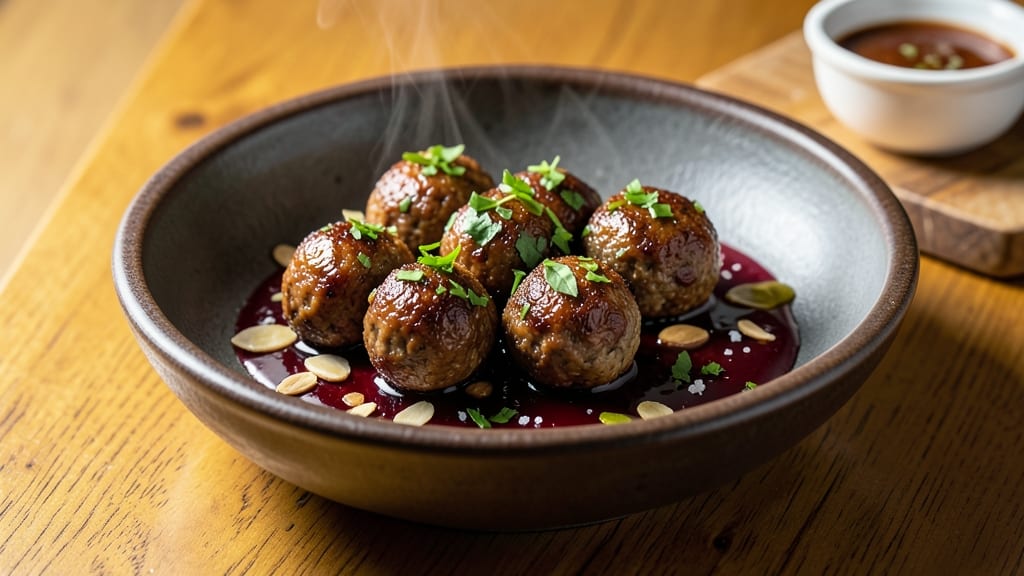
Angus beef meatballs transform a simple weeknight dinner into a restaurant-worthy meal with their seared crusts and juicy centers—and they’re ready in just 30 minutes. The secret lies in using high-quality ground angus beef, which delivers rich flavor and tender texture without the need for fillers or excessive fat. I’ve perfected this recipe over years of testing, ensuring every bite stays moist while developing that coveted caramelized exterior.
What sets these meatballs apart is the technique: a quick sear in a hot pan locks in juices, while a gentle simmer in a flavorful broth or sauce finishes them to perfection.
No breadcrumbs here—just finely chopped herbs, garlic, and a touch of egg to bind, keeping the texture light yet substantial. The result? Meatballs that hold their shape, resist drying out, and burst with savory depth in every bite.
Serve them with a bold marinara, a creamy Alfredo, or even a tangy chimichurri for dipping—each sauce enhances the natural richness of the angus beef. Pair with roasted vegetables, crusty bread, or a fresh salad to round out the meal.
This recipe proves that with the right ingredients and method, even a classic like meatballs can feel elevated and extraordinary.
The best part? These meatballs reheat beautifully, making them ideal for meal prep or entertaining. Whether you’re feeding a family or hosting guests, this foolproof method ensures a standout main course with minimal effort. Let’s get started—your taste buds will thank you.
Ingredients for angus beef meatballs
High-quality angus beef and fresh herbs create restaurant-style meatballs with perfect seared crusts.
| Ingredient | Amount | Notes |
|---|---|---|
| Ground Angus Beef 🥩 | 1 ½ lb | 80% lean for juicy texture |
| Large Eggs 🥚 | 1 whole | Room temperature for binding |
| Shallots 🧅 | ¼ cup | Finely minced, not chopped |
| Garlic Cloves 🧄 | 4 cloves | Freshly minced, not pre-minced |
| Fresh Parsley 🌿 | ¼ cup | Stems removed, finely chopped |
| Fresh Basil 🌿 | ⅛ cup | Finely chopped for freshness |
| Grated Parmesan Cheese 🧀 | ¼ cup | Freshly grated from block |
| All-Purpose Flour 🌾 | ¼ cup | For light binding texture |
| Olive Oil 🫒 | 1 tbsp | For searing, high smoke point |
| Kosher Salt 🧂 | 1 ½ tsp | Diamond Crystal preferred |
| Ground Black Pepper 🌶️ | ½ tsp | Freshly cracked preferred |
| Dried Oregano 🍃 | ½ tsp | Italian or Mediterranean blend |
| Red Wine 🍷 | ¼ cup | Dry, bold variety like Cabernet |
The angus beef is non-negotiable here—80% lean gives you that juicy center without sacrificing flavor. Costco or Whole Foods are reliable sources for pre-ground angus, but if you're buying whole cuts, ask the butcher to grind it fresh. Look for bright red color and good marbling. For the herbs, fresh is essential—Trader Joe's often has great parsley and basil bundles. The shallots add depth that regular onions can't match, so don't skip them. If you're short on time, frozen minced shallots work in a pinch, but thaw and drain them first.
No red wine? Dry white wine or beef broth works in a bind, though the flavor will be subtly different. Fresh herbs run out? Dried oregano at half the amount keeps the Italian vibe, but nothing replaces fresh basil and parsley. The Parmesan should be real Parmigiano-Reggiano—pre-grated gets clumpy and lacks depth. For the flour, King Arthur or Gold Medal brands are ideal. The egg should be room temperature—cold eggs won't bind properly. Want extra richness? Add 1 tbsp heavy cream to the mix, but trust me, the angus and herbs carry it just fine.
Keep the ground beef refrigerated until ready to use—1-2 days max for best texture. Fresh herbs? Wrap in damp paper towels and store in a sealed container for 3-4 days. The meatballs reheat beautifully—350°F for 10-12 minutes works best. For meal prep, freeze portions on a tray first, then transfer to bags—3 months in the freezer. The seared crust won't survive freezing, but the flavor stays intact. Make a double batch—they disappear fast around here.
Why You'll Love This Recipe
- No-Fuss Mixing: I swear by the "squish and roll" method—no food processor, no stress. Just combine the ground Angus with finely minced shallots, crushed garlic, parsley, and a beaten egg, then shape into balls. Takes less time than waiting for the coffee to brew.
- Rich, Herby Depth: That first bite of crispy exterior gives way to tender, juicy beef—all thanks to the Angus’ natural richness. The shallots and parsley add a bright, fresh finish that cuts through the richness like a whisper. Honestly, it’s the kind of flavor that makes you pause mid-chew.
- Weeknight to Weekend: Use them for quick pasta dinners, sliders at game day, or even stuffed in pita pockets for lunch. Freeze half the batch raw, and you’ve got a ready-made protein source for when you’re too tired to think. My kids call them "magic balls" because they’re always in demand.
- Budget-Busting Luxury: Angus beef feels fancy, but a pound stretches far—these meatballs are generous, hearty, and satisfying. Plus, they reheat like a dream, so leftovers taste just as good the second day. Between us, this is how I trick myself into eating well without breaking the bank.
Step-by-step instructions for perfect angus beef meatballs
Here's the method that delivers a seared crust and juicy centers every time—no dry meatballs here.
Prepare All Ingredients for Maximum Flavor
Start by finely mincing the 0.25 cup shallots and 4 cloves garlic using a sharp knife or food processor. I like to pulse them just until they're completely minced but not pasty—this ensures even distribution in the meatballs. Remove the stems from the 0.25 cup fresh parsley and 0.125 cup fresh basil, then chop them finely. The fresh herbs add brightness that balances the richness of the beef.
Grated the 0.25 cup parmesan cheese using a fine grater—this ensures it melts smoothly rather than creating gritty texture. Let the 1 whole large egg sit at room temperature for 10 minutes before using. Room temperature eggs bind better and create more tender meatballs. Also, measure out all the dry ingredients: 0.25 cup all-purpose flour, 1.5 teaspoons kosher salt, 0.5 teaspoon ground black pepper, and 0.5 teaspoon dried oregano. Having everything prepped keeps the mixing process efficient.
Combine Wet and Dry Ingredients for Perfect Texture
In a large mixing bowl, combine the 1.5 lb ground angus beef, minced shallots, minced garlic, chopped parsley, chopped basil, grated parmesan, and all the dry ingredients. Gently mix with your hands—don't overwork the meat or it'll become dense. I like to use my fingers to break up any large clumps while keeping the mixture light and airy. The high fat content in angus beef helps create juicy meatballs, but we don't want to compact it too much.
Add the room temperature 1 whole large egg and mix again just until combined. The egg acts as a binder, but we want to keep everything as loose as possible. This is where the texture magic happens—the right balance of fat from the beef, moisture from the egg, and structure from the flour creates that perfect bite. If the mixture feels too dry, add 1 teaspoon water at a time until it just holds together when pressed gently.
Form Meatballs for Even Cooking
Using your hands, roll the mixture into 1.5-inch diameter meatballs—about 12 total for 4 servings. I find this size cooks through perfectly without drying out. Place them on a parchment-lined plate and refrigerate for 20 minutes before cooking. This chilling step is crucial—it firms up the meatballs so they hold their shape when searing and prevents them from falling apart in the pan.
While they chill, heat 1 tablespoon olive oil in a large skillet over medium-high heat until shimmering. The oil should be hot enough to sizzle when a meatball touches it—this creates that beautiful sear we're after. Don't rush this step; cold oil will absorb into the meatballs instead of creating that golden crust.
Sear Meatballs for Perfect Crust and Juicy Centers
Working in batches of 4-5 meatballs, carefully add them to the hot skillet without overcrowding. Cook undisturbed for 2-3 minutes until they develop a deep golden brown crust on all sides. This searing step is what gives these meatballs their restaurant-quality texture. If you notice the meatballs releasing easily from the pan, they're ready to flip—don't press them down with a spatula as this can cause them to lose their shape.
Once browned on all sides, transfer the meatballs to a plate and set aside. Pour the 0.25 cup red wine into the same skillet, scraping up any browned bits from the bottom with a wooden spoon. These bits are packed with flavor—don't miss this step! Let the wine simmer for 2-3 minutes until reduced by half. This creates a simple, flavorful sauce that complements the meatballs beautifully.
Finish Cooking for Juicy Perfection
Return the meatballs to the skillet with the wine reduction and cook for an additional 3-4 minutes until their internal temperature reaches 160°F when measured with an instant-read thermometer. This final step ensures they're fully cooked through while keeping them moist. The residual heat from the searing combined with the wine sauce finishes cooking them perfectly.
Serve the meatballs immediately while still hot, spooning any remaining sauce from the skillet over the top. The exterior should be crispy with a deep golden crust, while the interior remains tender and juicy—no dry meatballs here. These work beautifully with pasta, mashed potatoes, or even as a standalone appetizer with toothpicks. The wine sauce adds a sophisticated touch that elevates them beyond basic meatballs.
Pro Tips For Making Angus Beef Meatballs
- CHILL THE MEAT FIRST: Angus beef stays warm from the butcher—handle it like a steak, not ground chuck. Pop the raw meat in the fridge for 20 minutes before mixing, or your meatballs will turn greasy and fall apart when cooking. I learned this the hard way after making meatballs that looked like they’d been deep-fried in their own fat.
- MINCE SHALLOTS FINE: Don’t just chop those shallots—grate them on the smallest blade of your box grater. You want them almost paste-like so they distribute flavor evenly. I used to dice them, and the texture was off—like biting into tiny onions instead of a smooth, rich base.
- DON’T OVERMIX THE DOUGH: Once you add the egg and parsley, stop stirring after 10-12 turns. Overworking the meat makes meatballs dense and tough—like eating a hockey puck. My grandmother used to say, “Handle it like you’re afraid it’ll break,” and she wasn’t wrong.
- SEAR IN BATCHES: Crowd the pan, and you’ll steam the meatballs instead of searing them. Work in batches of 4-5, and don’t move them until they’ve developed a deep brown crust—about 3-4 minutes per side. Yes, it takes longer, but the flavor difference is night and day. (Your future self will thank you.)
Common mistakes when making perfect results
Overworking the Meat
One of the biggest mistakes I see is overmixing the meatball mixture. When you work the ground angus beef too vigorously, you compress the fat and moisture out, leading to dense, dry meatballs.
Instead, handle the mixture gently with your hands—just enough to combine all ingredients. Think of it like making a loose, airy cloud rather than a compacted brick. 💫
Skipping the Chill
Many home cooks skip the crucial 20-minute chill before cooking. This step allows the meatballs to firm up, preventing them from falling apart when you sear them.
Without it, the meatballs will release too easily, making them harder to brown evenly. I promise, this extra wait time makes all the difference in texture.
Using Cold Ingredients
Cold ingredients—especially the egg—can cause the meatballs to become tough. Always let your egg sit at room temperature for 10 minutes before mixing. Cold ingredients also mean your pan won't get as hot, leading to poor searing. Trust me, a little patience here saves you from bland, undercooked meatballs.
Overcrowding the Pan
Trying to cook too many meatballs at once steals their heat and prevents proper browning. Work in batches of 4-5 meatballs to ensure they develop that golden crust.
Overcrowding also causes the meatballs to steam instead of sear, resulting in a pale, soggy exterior. Patience in the pan pays off with restaurant-quality results. ⚡
Ignoring the Wine Reduction
The red wine reduction isn't just for flavor—it's what finishes cooking the meatballs gently while adding depth. Skipping this step means you're missing out on both moisture and complexity.
Let that wine simmer until reduced by half, then spoon it over the meatballs before serving. It's the secret to that restaurant-worthy finish.
Not Checking Internal Temp
Many people guess when meatballs are done, but guessing leads to dryness or undercooked centers. Use an instant-read thermometer to check for 160°F internal temperature. This ensures they're fully cooked through while staying juicy. No more dry, rubbery meatballs—just perfect, tender bites every time.
Nutrition facts
Frequently asked questions
Why does this recipe use angus beef instead of regular ground beef?
The high-quality marbling in angus beef creates juicier, more flavorful meatballs with less fat than standard ground beef. The 80% lean ratio ensures tender texture while keeping the rich beef taste intact. Regular ground beef often contains fillers that can make meatballs dry—angus delivers restaurant-quality results at home.
Can I make these meatballs ahead of time?
Form the meatballs and refrigerate them on a tray for up to 24 hours before cooking. For longer storage, freeze uncooked meatballs for 3 months—thaw overnight in the fridge. Cook from frozen by adding 2-3 extra minutes to the searing time. The chilling step before cooking is still crucial for texture.
What's the best way to reheat leftover meatballs?
For best results, reheat in a skillet over medium heat with a splash of broth or water for 3-4 minutes until warmed through. Microwaving can dry them out. If reheating from frozen, use 350°F oven for 15-18 minutes on a baking sheet. The wine reduction helps keep them moist during reheating.
Can I substitute the red wine?
Yes! Use 0.25 cup dry white wine or 0.25 cup beef broth as a substitute. For extra richness, add 1 teaspoon balsamic vinegar to the broth. The wine adds depth, but these alternatives work well if you're avoiding alcohol. Just reduce the liquid by half as directed in the recipe.
How do I make these meatballs extra flavorful?
Add 1 teaspoon smoked paprika or 0.5 teaspoon red pepper flakes for depth. For umami, include 1 tablespoon soy sauce or 1 teaspoon Worcestershire sauce. Fresh herbs like thyme or rosemary also elevate the flavor. Just