
Main Courses
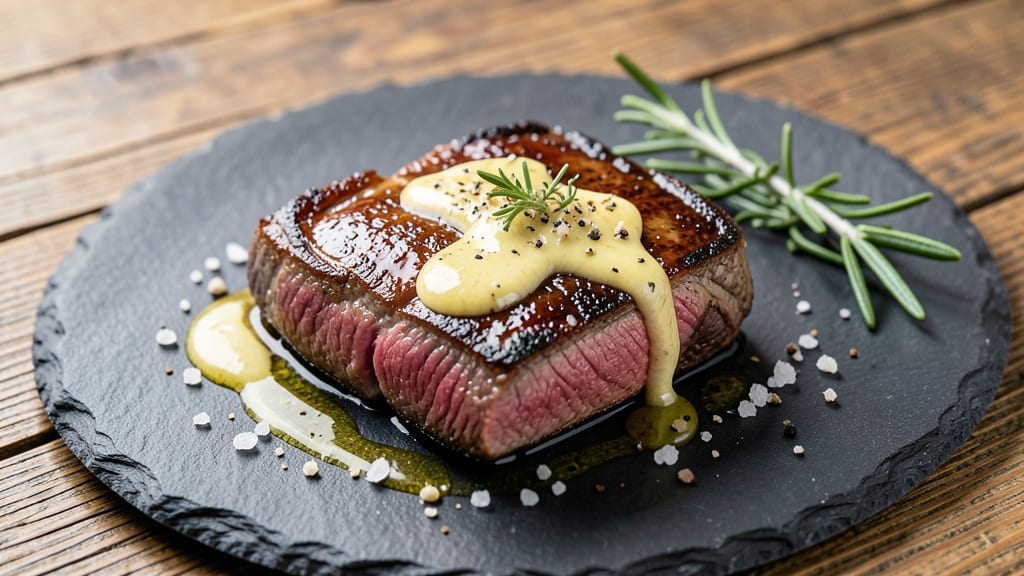
This Angus beef ribeye steak recipe delivers the perfect balance of a buttery crust and juicy core that makes every bite unforgettable. The rich marbling of Angus beef transforms into tender, melt-in-your-mouth perfection when cooked with precision—no guesswork, just restaurant-quality results.
Whether you're grilling, searing, or reverse-searing, this method ensures a steak so tender it practically falls apart with each cut.
The secret lies in high heat and proper resting—key techniques that elevate this steak from good to extraordinary. A simple seasoning of coarse salt and black pepper enhances the beef’s natural flavors without overpowering them, while a touch of garlic butter adds an extra layer of richness.
The goal? A crust so crisp it crackles, paired with a center that’s still juicy and warm through.
Serve alongside classic sides like garlic mashed potatoes or grilled asparagus to complete the meal, and pair with a bold red wine like Cabernet Sauvignon for the full experience. This isn’t just a steak—it’s a centerpiece dish that turns any dinner into a memorable occasion. Let’s get cooking.
Ready in just 20 minutes of active time (plus resting), this recipe is designed for confidence—no overcooking, no dry steak, just flawless execution every time. The marbling in Angus beef does the heavy lifting, but the technique ensures you unlock its full potential. Here’s how to nail it.
Ingredients for angus beef ribeye steak
The secret to this ribeye lies in its marbling, butter, and precise technique—just eight ingredients for restaurant-quality results.
| Ingredient | Amount | Notes |
|---|---|---|
| Angus Beef Ribeye Steak 🥩 | 1 ½ lb | Center-cut, 1-1.5 inch thick |
| Coarse Kosher Salt 🧂 | 1 tbsp | Diamond Crystal preferred |
| Freshly Ground Black Pepper 🌶️ | 1 ½ tsp | Cracked peppercorns preferred |
| Unsalted Butter 🧈 | 4 oz | Cold, cut into 8 pieces |
| Garlic Cloves 🧄 | 4 cloves | Minced, peeled |
| Extra-Virgin Olive Oil 🫒 | 2 tbsp | High smoke point preferred |
| Fresh Thyme Leaves 🌿 | ¼ cup | Chopped, stems removed |
| Heavy Whipping Cream 🥛 | ½ cup | Full-fat for richness |
| Cabernet Sauvignon 🍷 | ½ cup | Bold, dry red wine |
| Vegetable Oil 🫒 | ¼ cup | For high-heat searing |
Angus beef is non-negotiable here—look for center-cut ribeyes with thick marbling and a 1-1.5 inch thickness for perfect crust-to-juice balance. Local butchers often carry higher-quality cuts than supermarkets, and the price difference is worth it for this dish. If buying pre-packaged, check for USDA Prime labeling and avoid pre-cut steaks with exposed surfaces. The steak should feel firm but yield slightly when pressed—this indicates proper marbling. For a crowd, scale up by 1/2 lb per serving to account for shrinkage during cooking.
No Cabernet Sauvignon? Merlot or Malbec work equally well—just ensure it's dry and bold. The butter must be cold and cubed for maximum crust development; don't skip the chilling step. Fresh thyme is ideal, but dried thyme at one-third the amount works in a pinch. Substituting heavy cream? Full-fat coconut cream adds richness without altering texture. The vegetable oil is for searing—avocado oil has a higher smoke point if you prefer, but neutral oil works fine. For extra flavor, infuse the olive oil with minced garlic and thyme while it warms.
Prep the steak 30 minutes before cooking to bring it to room temperature—this ensures even cooking. The butter mixture can be made 1 hour ahead and stored in the fridge. For leftovers (though there shouldn't be any), wrap tightly in parchment and refrigerate for up to 3 days. Reheat gently in a 350°F oven for 5-7 minutes to maintain tenderness. The wine reduces beautifully—use it to baste the steak during the last 2 minutes of resting for maximum flavor infusion. Store the reduced wine sauce separately for up to 5 days in the fridge.
Why You'll Love This Recipe
- Two-Ingredient Magic: I swear by this method—just salt, pepper, and a screaming-hot pan. No fancy marinades or basting required. That rich, buttery crust forms in minutes, and honestly? The simplicity makes it feel like a restaurant-quality steak every time.
- Buttery Garlic Crust: Between us, the secret weapon is the cold butter and smashed garlic cloves in the pan. That first bite of crispy, garlicky butter melting into the tender ribeye? It’s the kind of flavor that makes you close your eyes and sigh. No overcomplicating—just pure, satisfying taste.
- Weeknight or Date Night: This steak is my go-to for when I don’t want to fuss but still crave something special. Serve it with roasted potatoes and a simple salad for a no-stress weeknight dinner, or dress it up with asparagus and wine for a fancier occasion. It adapts without trying too hard.
- Leftovers That Don’t Suck: Here’s what sold me—those perfect slices reheat beautifully in a skillet with a splash of broth. Not dry, not sad, just as good as day one. And since ribeye freezes well, I often cook a little extra for lazy mornings or when unexpected company drops by. No waste, all win.
Step-by-step instructions for perfectly crusted ribeye
Mastering this technique delivers a restaurant-quality crust with a melt-in-your-mouth center.
Season and Rest the Ribeye
Remove the ribeye from the refrigerator and pat it dry completely with paper towels, pressing firmly to remove all surface moisture. This drying step is non-negotiable—wet skin prevents proper crust formation. Generously season both sides with the 1 tablespoon coarse kosher salt and 1.5 teaspoons freshly ground black pepper, pressing the seasoning into the meat so it adheres evenly. Let the steak sit at room temperature for 30-45 minutes before cooking. This resting period ensures even cooking throughout the thick cut, preventing a cold center while allowing the exterior to develop that coveted crust.
While the steak rests, take a moment to examine its surface. You should see the salt crystals clinging to the meat, creating a textured surface that will enhance crust formation. The pepper will distribute evenly, adding depth of flavor that complements the rich beef. This is where the magic begins—proper seasoning and resting set the foundation for an exceptional steak.
Create the Garlic-Thyme Butter Compound
In a small bowl, combine the 4 ounces cold unsalted butter (cut into 8 pieces), 4 minced garlic cloves, and ¼ cup chopped fresh thyme leaves. Gently mix until the butter is fully coated with the aromatic ingredients. This compound will become the flavorful crust that encases your steak. Place the mixture in the refrigerator while you prepare the cooking surface—keeping it cold prevents the butter from melting prematurely.
The cold butter creates a protective barrier during searing, preventing the steak from overcooking while infusing it with rich, herby flavor. The garlic and thyme will caramelize slightly during cooking, adding layers of complexity to each bite. This step transforms a simple butter into a flavor powerhouse that elevates the entire dish.
Sear the Steak to Golden Perfection
Heat a heavy skillet (cast iron preferred) over medium-high heat until it's smoking hot. Add ¼ cup vegetable oil and let it shimmer for 1-2 minutes—this ensures proper heat transfer for that perfect crust. Place the ribeye in the skillet and sear for 3-4 minutes per side, pressing down gently with a spatula during the first minute to prevent curling. You'll know it's ready to flip when the edges develop a deep golden-brown crust and the steak releases easily from the pan.
After searing both sides, reduce heat to medium and add the garlic-thyme butter compound. Tilt the pan slightly and spoon the melted butter over the steak repeatedly for 1-2 minutes until it's fully coated and the butter has caramelized slightly. This basting step creates the signature buttery crust while locking in juices. The steak should register 125-130°F internally at this point—it will continue cooking as it rests.
Rest and Prepare the Wine Reduction
Transfer the seared steak to a cutting board and let it rest for 10-15 minutes before slicing. This resting period is crucial—it allows the juices to redistribute throughout the meat, preventing them from escaping when you cut. While the steak rests, place the same skillet over medium heat and add the ½ cup Cabernet Sauvignon. Scrape up any browned bits from the bottom of the pan with a wooden spoon, then simmer the wine until reduced by half—about 3-4 minutes. Remove from heat and stir in the ½ cup heavy whipping cream until smooth.
The wine reduction captures all the concentrated flavors from the searing process, creating a rich sauce that complements the steak beautifully. This sauce should coat the back of a spoon with a velvety texture—if it's too thick, add a splash of hot water to achieve the perfect consistency. The reduction will mellow slightly as it sits, allowing the wine's acidity to integrate with the cream's richness.
Slice and Serve with Confidence
After resting, slice the ribeye against the grain into ½-inch thick portions. The meat should be tender enough to slice easily with minimal resistance. Plate the steak immediately and spoon the warm wine reduction over the top. Garnish with additional chopped thyme leaves for a pop of color and freshness. Serve with the remaining sauce on the side for dipping, allowing each diner to customize their portion.
Each slice should reveal a perfect balance of textures: a crispy, buttery exterior that gives way to tender, pink beef with visible marbling. The wine reduction adds a sophisticated finish that ties all the flavors together. This is where all your preparation pays off—every element comes together in a harmonious bite that showcases the natural richness of the Angus beef.
Pro Tips For Making Angus Beef Ribeye Steak
- CRANK THE HEAT HIGH: That ribeye’s fat cap needs to sizzle and render fast—I’m talking 450°F (230°C) on cast iron or a screaming-hot grill. If you start gentle, you’ll end up with greasy, uneven cooking instead of a caramelized crust. Trust me, the first minute is where the magic happens.
- SALT THE GARLIC BUTTER: I used to just melt butter with garlic and call it a day—until I realized the butter needed salt too. Toss in a pinch of kosher salt with the minced garlic and butter while it foils in the pan. That way, every bite gets that savory depth instead of tasting like bland garlic paste.
- DON’T CUT THE FAT CAP: Yes, it looks intimidating, but that thick layer of fat is your friend—it baste the steak as it cooks and keeps it juicy. If you trim it, you’re stealing flavor and moisture. Just score the surface in a crosshatch (¼-inch deep) to help the seasoning penetrate, but leave the fat intact.
- REST IT UNDER FOIL: I know, I know—you’re eager to slice into that perfect crust. But tent that steak with foil for 5–10 minutes after pulling it from the heat. The residual heat finishes cooking the center while the juices redistribute, so you don’t end up with a dry, sad center. (Yes, even if you’re impatient like me.)
Make-ahead tips for leftovers
Prep Ahead
Prepare the garlic-thyme butter compound up to 1 hour ahead and refrigerate it in an airtight container. This gives the flavors time to meld beautifully while keeping the butter cold for optimal crust development.
I like to make this the night before so it's ready to go when I'm ready to cook—just pull it from the fridge 15 minutes before searing. 🧈
Steak Prep
Pat your Angus beef ribeye dry with paper towels and season it 30-45 minutes before cooking. This resting time at room temperature ensures even cooking and prevents a cold center. I often do this while I'm prepping sides or setting the table—it's a great way to multitask.
For thicker cuts (over 1.5 inches), you can even season it overnight in the fridge for deeper flavor penetration.
Wine Reduction
The wine reduction can be made 2 days ahead and reheated gently in a saucepan over low heat for 3-4 minutes before serving. Store it in an airtight container in the refrigerator.
When reheating, add a splash of water or beef broth if it thickens too much. This is my favorite make-ahead step because it adds a restaurant-quality touch with minimal effort. 🍷
Equipment Prep
Get your cast iron skillet ready the night before by giving it a quick scrub and drying it thoroughly. Store it uncovered so it's ready to heat up quickly when you're ready to sear.
I also like to set out my meat thermometer and tongs so everything is within reach. This small prep step ensures a smooth cooking process without any last-minute scrambling.
Serving Sides
Prepare your garlic mashed potatoes or grilled asparagus up to 1 day ahead and reheat them in the oven at 350°F for 10-15 minutes before serving. This keeps them warm and ready to pair with your perfectly cooked ribeye.
I often make a big batch of mashed potatoes on Sunday so they're ready for steak night during the week—it's a game-changer for busy weeknights. ⏰
Storage Tips
If you have leftovers (though I doubt you will!), store the sliced steak in an airtight container in the refrigerator for up to 3 days. Reheat gently in a 350°F oven for 5-7 minutes to maintain tenderness.
The wine reduction can be stored separately for up to 5 days in the fridge. For longer storage, freeze the steak slices in a single layer before transferring to a freezer bag for up to 3 months. Thaw overnight in the fridge before reheating. 💫
Nutrition facts
Frequently asked questions
What's the ideal doneness temperature for ribeye?
For perfect medium-rare, aim for an internal temperature of 130-135°F—this gives you that signature pink center with a juicy texture. Use a meat thermometer to check the thickest part of the steak. For medium, target 140-145°F, and well-done should reach 160°F (though ribeye loses tenderness beyond 145°F). Remember, the steak will rise 5-10°F while resting.
Can I cook ribeye in the oven instead of pan-searing?
For a reverse-sear method, preheat your oven to 250°F and cook the steak for 20-30 minutes (depending on thickness) until it reaches 110-115°F internally. Then finish with a quick 1-2 minute sear in a screaming-hot cast iron pan to develop the crust. This method works especially well for thicker cuts (over 1.5 inches) and keeps the center incredibly tender.
How do I know when my ribeye is ready to flip?
Look for deep golden-brown edges and a crust forming around the perimeter—this usually takes 3-4 minutes per side on medium-high heat. The steak should release easily from the pan when you gently lift an edge with tongs. If it's sticking, let it cook another 30 seconds before attempting to flip. Pro tip: Press down lightly with your spatula during the first minute of searing to prevent curling.
What's the best way to reheat leftover ribeye?
Never microwave! Reheat sliced ribeye in a 350°F oven for 5-7 minutes on a wire rack over a baking sheet to maintain crispness. For extra flavor, add a pat of butter and a splash of beef broth to the pan. The wine reduction can be reheated separately in a saucepan over low heat for 2-3 minutes, thinning with water if needed. This preserves both texture and flavor.
How much ribeye should I buy per person?
Plan for 12-16 ounces per person if ribeye is the main protein and your guests have hearty appetites. For a crowd of 4, a 2-pound ribeye (about 1.5 lbs after cooking) is ideal. Remember that bone-in cuts yield more usable meat than boneless. If serving with multiple sides, you can reduce to 8-10 ounces per person—Angus beef's richness carries well even in smaller portions.