
Main Courses
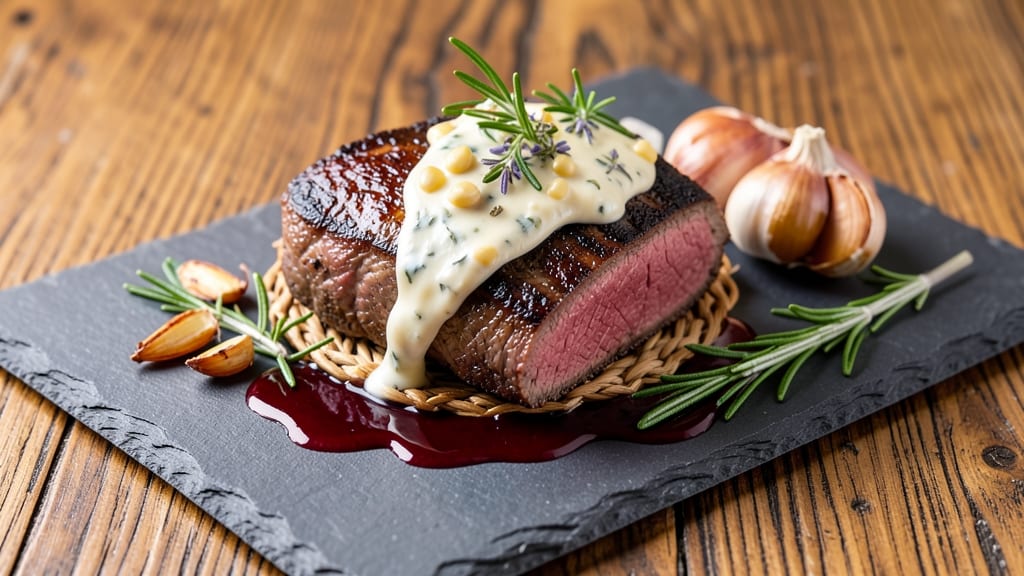
Cooking a perfectly tender Angus beef tenderloin transforms weeknight dinners into special occasions. This recipe delivers melt-in-your-mouth juiciness with a crispy herb-crusted exterior, using a dry-aged USDA Prime cut for unmatched flavor. The secret lies in precise temperature control and a simple technique that ensures restaurant-quality results every time.
Begin by prepping the tenderloin with a flavorful herb crust made from butter, garlic, rosemary, and thyme, then roast it to an ideal internal temperature of 125–130°F for medium-rare. The key is letting the meat rest after cooking to lock in juices, ensuring each slice is succulent and tender.
This method elevates a simple roast into a showstopping centerpiece for any meal.
The result is a beautifully seared tenderloin with a golden, aromatic crust that encases perfectly pink, buttery meat inside. The herb-infused butter adds depth without overpowering the beef’s natural richness, making it a dish that’s both impressive and foolproof.
Serve with roasted vegetables or a creamy sauce for a complete, satisfying meal.
Whether you're cooking for a holiday gathering or treating yourself to a special dinner, this recipe delivers restaurant-quality results with minimal effort. The technique is straightforward, but the outcome is undeniably luxurious—proof that premium cuts deserve careful attention. Let’s get started on creating your perfect tenderloin.
Ingredients for angus beef tenderloin
Premium cut, simple technique, restaurant-quality results—just these essential ingredients transform ordinary dinners into extraordinary meals.
| Ingredient | Amount | Notes |
|---|---|---|
| Angus Beef Tenderloin 🥩 | 2 lb | USDA Prime, dry-aged preferred |
| Unsalted Butter 🧈 | ½ cup | Cold, cubed for crust |
| Fresh Rosemary 🌿 | ¼ cup | Finely chopped, stems removed |
| Fresh Thyme 🌿 | ⅛ cup | Leaves only, finely chopped |
| Garlic Cloves 🧄 | 6 cloves | Minced, for herb butter |
| Diamond Crystal Kosher Salt 🧂 | 1 ½ tsp | Coarse grain preferred |
| Freshly Ground Black Pepper 🌶️ | 1 tsp | Cracked peppercorns preferred |
| Olive Oil 🫒 | ¼ cup | High smoke point for searing |
| Vegetable Oil 🫒 | ½ cup | For roasting pan |
| Yellow Onion 🧅 | 1 whole | Quartered, for roasting |
| Garlic Cloves 🧄 | 4 cloves | Smashed, for roasting |
| Fresh Parsley 🌿 | ⅛ cup | Chopped, for garnish |
The Angus beef tenderloin is the star—USDA Prime dry-aged delivers unmatched tenderness and depth of flavor. Most high-end butchers or specialty markets carry this cut, often pre-trimmed for convenience. If buying whole, trim excess fat and silver skin for a cleaner finish. Costco or Whole Foods typically stock high-quality tenderloins, but local butchers can offer even fresher options. Look for vibrant marbling and a deep red color—these are key indicators of quality. For a 2-pound tenderloin, plan for about 4 generous servings with sides, making it ideal for intimate gatherings or special occasions.
No dry-aged beef? Wet-aged tenderloin works just as well, though the flavor profile will be slightly milder. Short on fresh herbs? Dried rosemary and thyme at one-third the amount will suffice, though fresh is ideal for that aromatic crust. The butter should be cold when mixed with herbs—this creates a flavorful bark that crisps beautifully during roasting. For extra richness, consider adding a pinch of smoked paprika to the herb butter. If you're prepping ahead, the herb butter can be made 24 hours in advance and stored in the fridge, wrapped tightly in plastic.
The tenderloin should rest at room temperature for 30-45 minutes before roasting to ensure even cooking. Once cooked, let it rest 15-20 minutes before slicing—this is critical for juiciness. Store leftovers in an airtight container in the fridge for 3-4 days, or freeze for up to 3 months. For reheating, warm slices gently in a skillet with a splash of beef broth to restore moisture. The herb butter crust can be reheated separately for 2-3 days if stored properly, making it perfect for topping mashed potatoes or roasted vegetables.
Why You'll Love This Recipe
- I swear by this: butter and beef. That’s it. The rosemary and thyme just tie it all together—no fancy marinades, no stress. Just melt butter, sear the tenderloin, and let the garlic and herbs work their magic while you sip wine. (Yes, even on a Tuesday night.)
- Two-Ingredient Magic: I swear by this: butter and beef. That’s it. The rosemary and thyme just tie it all together—no fancy marinades, no stress. Just melt butter, sear the tenderloin, and let the garlic and herbs work their magic while you sip wine. (Yes, even on a Tuesday night.)
- Crispy-Creamy Payoff: Here’s what sold me—searing the tenderloin in butter until it’s golden, then finishing it in the oven. That crispy crust gives way to melt-in-your-mouth perfection. The rosemary and thyme perfume the whole kitchen, and the garlic? It’s like a little flavor hug in every bite.
- Weeknight or Wow Moment: Between us, this is my go-to for both lazy Fridays and when I’m hosting. Slice it thin for sandwiches the next day, or serve it whole for a dinner party. The leftovers? Still better than takeout. (My kids don’t even know it’s “fancy.”)
Step-by-step instructions for buttery-roasted Angus beef tenderloin
Master this technique for a perfectly tender center with a rich herb-butter crust every time.
Prepare the Herb Butter Crust
In a food processor, combine the 0.5 cup unsalted butter, 0.25 cup fresh rosemary, 0.125 cup fresh thyme, 6 cloves minced garlic, 1.5 tsp diamond crystal kosher salt, and 1 tsp freshly ground black pepper. Process until the mixture forms a thick, spreadable paste with visible herb flecks. This herb butter will create the signature crust while keeping the interior impossibly tender.
Transfer the herb butter to a small bowl and cover with plastic wrap. Chill in the refrigerator for 30 minutes to firm up slightly. The cold butter will adhere better to the meat and create that coveted bark. If working ahead, this mixture can be prepared up to 24 hours in advance—just bring it to room temperature before using.
Season and Sear the Tenderloin
Pat the 2 lb angus beef tenderloin completely dry with paper towels, including the cavity if present. This step is non-negotiable—moisture prevents proper browning. Place the tenderloin on a wire rack set over a baking sheet and rub the chilled herb butter all over the surface, pressing gently to ensure even coverage.
Heat a heavy oven-safe skillet over medium-high heat and add 0.25 cup olive oil. Once shimmering, carefully place the tenderloin in the skillet and sear for 3-4 minutes per side until developing a deep golden crust. The oil should sizzle vigorously—this creates the Maillard reaction that builds flavor. Don't move the meat during searing or you'll lose the crust.
Roast to Perfect Medium-Rare
Preheat your oven to 425°F. Transfer the seared tenderloin to the preheated oven and roast for 20-25 minutes for medium-rare (internal temperature 125-130°F). For medium, continue roasting until reaching 135-140°F. The key is using an instant-read thermometer—guessing leads to overcooking.
While roasting, place the 1 whole yellow onion and 4 cloves smashed garlic on a separate baking sheet with 0.5 cup vegetable oil and roast at the same temperature for 20 minutes until caramelized. These aromatics will elevate the dish when served alongside. The tenderloin's exterior should develop a deep mahogany color with a crisp texture when done.
Rest and Slice for Maximum Juiciness
Remove the tenderloin from the oven and transfer it to a cutting board. Tent loosely with aluminum foil and let rest for 15-20 minutes at room temperature. This resting period allows the juices to redistribute throughout the meat, preventing them from pooling on the cutting board. Never skip this step—it's what transforms good beef into exceptional beef.
Slice the tenderloin into 1-inch thick medallions against the grain. The meat should be fork-tender with a pink center for medium-rare. Garnish each slice with 0.125 cup chopped fresh parsley and serve immediately with the caramelized onions and garlic. The herb butter crust should crack slightly when cut, revealing the juicy interior beneath.
Pro Tips For Making Angus Beef Tenderloin
- USE A MEAT THERMOMETER: I learned this the hard way—Angus tenderloin looks done before it actually is. Aim for 125°F (52°C) for medium-rare (yes, even though it’ll rise to 130°F). That butter-basted crust hides how juicy it really is inside.
- SALT THE MEAT 40 MINUTES EARLY: Skip the last-minute salt rush—Angus tenderloin needs time for the seasoning to penetrate. Use 1 tsp kosher salt per pound and let it sit uncovered on a wire rack in the fridge. The herbs (rosemary, thyme) will stick better, too.
- BASTE WITH COLD BUTTER: I was skeptical until I tried it: chill the butter before basting. Warm butter melts too fast, and you’ll just steam the meat instead of building that golden crust. Use 2 tbsp cold butter per basting round, and do it every 3-4 minutes—not too often, or you’ll cook it unevenly.
- LET IT REST UNDER FOIL: This isn’t the prettiest method, but it’s the tastiest. After pulling it from the pan, wrap the tenderloin loosely in foil and let it rest 10-15 minutes—not on a cutting board, where it’ll sweat. The foil traps heat while keeping the crust intact. (Your future self will thank you.)
Flavor customization for this recipe
Herb Butter Variations
Swap out the rosemary and thyme for other aromatic herbs to match your taste. Try 1 tbsp fresh sage with 1 tbsp fresh marjoram for an earthy twist, or 1 tbsp fresh tarragon with 1 tbsp fresh chives for a brighter, more delicate flavor.
For a smoky depth, add ½ tsp smoked salt to the herb butter. I love using fresh rosemary and thyme because they complement the beef’s natural richness, but don’t be afraid to experiment! 🌿
Spice Infusions
For a subtle kick, mix ½ tsp cayenne pepper or 1 tsp crushed red pepper flakes into the herb butter before chilling. This adds warmth without overpowering the tenderloin’s delicate flavor. If you prefer a sweeter heat, try ½ tsp ground coriander and ¼ tsp cinnamon—unexpected but delicious.
Always taste the herb butter before applying it to the meat to balance the seasoning.
Citrus Zest Twist
Brighten the dish by adding 1 tbsp lemon zest or 1 tbsp orange zest to the herb butter. The citrus cuts through the richness of the beef and adds a refreshing contrast. For extra zest, rub the tenderloin with ½ lemon or ½ orange before searing.
The acidity also helps tenderize the meat slightly. Pair this with a white wine reduction sauce for a sophisticated finish. 🍋
Garlic Variations
Adjust the garlic intensity based on your preference. For a milder flavor, use 4 cloves minced garlic instead of the full 6 cloves**. For a bold punch, add 2 cloves roasted garlic (blended) to the herb butter.
Roasting the garlic first mellows its sharpness while deepening its sweetness. If you love garlic, try infusing the olive oil with 8 cloves roasted garlic before searing the tenderloin.
Umami Boosters
Elevate the dish with umami-rich additions like 1 tbsp soy sauce or 1 tsp fish sauce in the herb butter. These work surprisingly well with beef and add a savory depth. For a vegetarian-friendly twist, mix in 1 tbsp nutritional yeast for a cheesy, umami kick.
Always balance these with extra herbs to avoid overpowering the beef’s natural flavor. Trust me, your taste buds will thank you! 💡
Nutrition facts
Frequently asked questions
How do I choose the best Angus beef tenderloin?
Look for a cut with vibrant red color and generous marbling of fat throughout. A USDA Prime or dry-aged tenderloin ensures maximum tenderness and flavor. Ask your butcher to trim the silver skin and excess fat before purchase. For a 2-pound tenderloin, plan for about 4 generous servings with sides. If possible, buy from a trusted specialty butcher or high-end grocery store like Whole Foods or Costco.
Can I cook this recipe without an oven?
Yes! For a stovetop method, sear the tenderloin in a heavy skillet over medium-high heat with 0.25 cup olive oil until browned. Then reduce heat to medium-low and cover with a lid. Cook for 15-20 minutes, checking with a thermometer to reach 125-130°F for medium-rare. The key is keeping the heat low to avoid overcooking. For best results, use a cast-iron skillet and baste occasionally with the herb butter.
What's the best way to reheat leftover tenderloin?
Slice the tenderloin into medallions and reheat gently in a skillet over low heat with a splash of beef broth or red wine to restore moisture. Avoid microwaving, as it can make the meat dry. For the herb butter crust, reheat separately in a small pan over low heat for 2-3 minutes until melted and fragrant. Leftovers keep well in an airtight container in the fridge for 3-4 days.
Why did my tenderloin turn out dry?
Overcooking is the most common cause. Always use a meat thermometer to check internal temperature—125-130°F for medium-rare. Skipping the 15-20 minute rest after cooking causes juices to escape. Another tip: Pat the meat completely dry before searing to prevent steam from forming under the crust. If your tenderloin is large, consider roasting it at a slightly lower temperature (375°F) for a longer time to ensure even cooking.
What are the best sides to serve with this dish?
Classic pairings include creamy mashed potatoes, roasted root vegetables (like carrots and parsnips), or a fresh arugula salad with lemon vinaigrette. The caramelized onions and garlic from the recipe make a great topping for buttery egg noodles. For a lighter option, try grilled asparagus or a simple green bean almondine. The herb butter crust also works beautifully on roasted Brussels sprouts or polenta.