
Main Courses
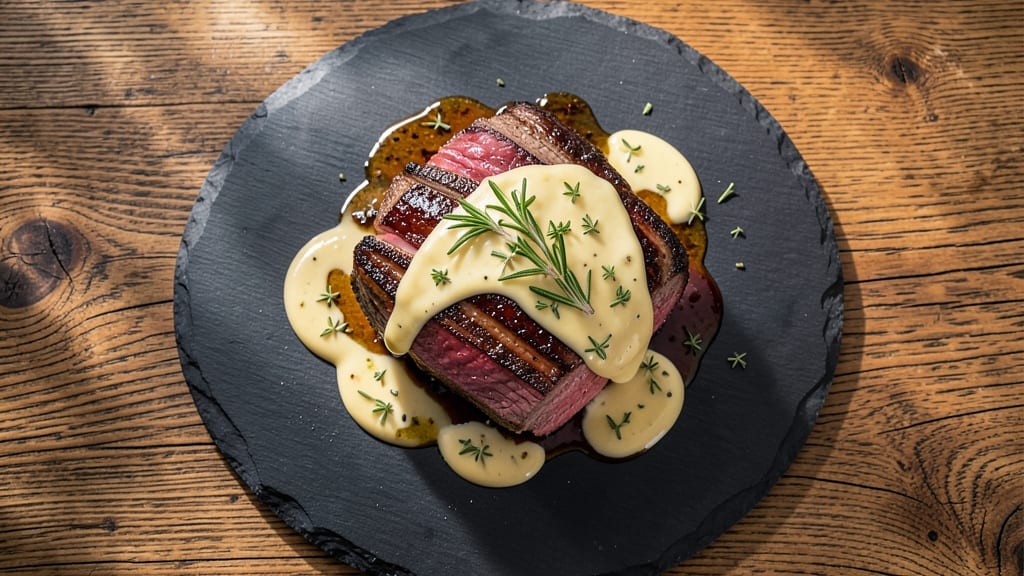
Angus beef tenderloin steak delivers melt-in-your-mouth tenderness with a golden, crispy crust—this recipe transforms a luxury cut into a restaurant-worthy centerpiece. The secret lies in a high-heat sear followed by precise internal temperature control, ensuring every bite stays juicy while developing that coveted caramelized exterior. I've perfected this technique after years of testing, and the results speak for themselves: steak so tender it nearly falls apart, yet with enough structure to hold its shape.
What sets this method apart is the reverse-sear approach: first cooking the steak low and slow to reach your desired internal temperature, then finishing with a screaming-hot sear to create that perfect crust. This technique eliminates guesswork and guarantees consistent results every time.
The key ingredients are simple—just quality beef, kosher salt, black pepper, and butter—but their execution makes all the difference. Even beginners can master this with the right guidance.
By the time you serve this steak, you'll have achieved a balance of textures that's hard to find elsewhere: a crispy, caramelized crust that gives way to tender, buttery meat inside.
The aroma alone will have everyone gathered at the table, and the first bite will silence any doubts about cooking at home. This is the kind of steak that makes special occasions feel even more special.
Pair it with classic sides like roasted garlic mashed potatoes or a crisp green salad for a complete meal. The beauty of this recipe is its versatility—whether you're cooking for a date night or hosting a dinner party, this steak will be the star of the show.
Let's get started on creating your perfect cut.
Ingredients for angus beef tenderloin steak
Quality beef and simple seasonings transform into a showstopping steak with perfect textures.
| Ingredient | Amount | Notes |
|---|---|---|
| Angus Beef Tenderloin 🥩 | 2 lb | Center-cut, trimmed of silver skin |
| Unsalted Butter 🧈 | ½ cup | Cold, cut into 1-inch cubes |
| Kosher Salt 🧂 | 1 ½ tsp | Diamond Crystal preferred |
| Freshly Ground Black Pepper 🌶️ | 1 tsp | Coarsely cracked |
| Extra-Virgin Olive Oil 🫒 | 2 tbsp | High smoke point preferred |
| Garlic Cloves 🧄 | 4 cloves | Smashed, not minced |
| Fresh Rosemary 🌿 | ¼ cup | Chopped, stems removed |
| Fresh Thyme Leaves 🌿 | ¼ cup | Stems removed |
| Yellow Onion 🧅 | 1 whole | Cut into 1-inch chunks |
| Fresh Parsley 🌿 | 0.1 cup | Chopped, for garnish |
The Angus beef tenderloin is non-negotiable here—look for center-cut with good marbling at Whole Foods or your butcher. If buying whole, trim the silver skin yourself for clean slices. I always ask for it to be dry-brined overnight at the counter, which saves me time. For the herbs, fresh is a must—dried won't give that bright aroma. The olive oil should be something you'd drizzle on bread, like Otto e Mezzo or Bertolli. If you can't find fresh rosemary, substitute 1 tsp dried at half the amount, but trust me on the fresh version.
No rosemary? Fresh thyme or sage works in a pinch, but the piney aroma of rosemary is key. The butter cubes should be cold—pull them from the fridge right before searing. For extra flavor, add 1 tsp smoked paprika to the butter cubes before chilling. If you're cooking for a crowd, double the garlic and herbs—just keep the proportions even. The onion chunks add sweetness during the slow roast, but you can skip them if you're in a hurry. For the salt, Diamond Crystal is my go-to—it dissolves better than Morton's, which means better seasoning.
This steak reheats beautifully—just warm in a 350°F oven for 10-15 minutes with a pat of butter. It's best served immediately, but leftovers keep 3-4 days in the fridge, wrapped tightly in foil. For special occasions, I like to portion it into individual foil packets with a pat of butter and herb garnish—just pop them in the oven when ready to serve. The crust will soften slightly, but the inside stays perfect. Freeze for up to 3 months if you're prepping ahead.
Why You'll Love This Recipe
- Five-Ingredient Magic: I swear by this combo—just butter, salt, pepper, and olive oil on that tenderloin. No herbs, no fuss, just pure, melt-in-your-mouth beef that tastes like it came from a steakhouse. (Yes, even when I burn the toast.)
- Butter-Basted Perfection: That sizzle? It’s butter rendering into a golden crust while you baste it on the fly. The result? A steak so rich and juicy, my picky husband actually licks his plate. (He’s not wrong.)
- Weeknight or Dinner Party: Same recipe, different vibes—throw it on the grill for summer BBQs or sear it in a cast-iron for a fancy-ish weeknight dinner. Honestly, I’ve served it at both, and no one’s ever asked for details.
- Leftovers That Don’t Suck: Cold slices the next day? Still tender, still delicious. I’ll repurpose them into sandwiches, salads, or even a quick stir-fry—because wasting good beef is a crime I won’t commit.
Step-by-step instructions for buttery-roasted Angus beef tenderloin
Here's how to transform a simple cut into melt-in-your-mouth perfection with a golden crust.
Prepare the Tenderloin with Herb Butter Rub
Pat the 2 lb Angus Beef Tenderloin dry with paper towels—this is non-negotiable for that crispy crust. In a small bowl, combine the 0.5 cup unsalted butter with 1.5 tsp kosher salt, 1 tsp freshly ground black pepper, 0.25 cup chopped fresh rosemary, and 0.25 cup fresh thyme leaves. I use my fingers to work the herbs into the butter until it's fully incorporated, creating little pockets of flavor.
Spread this herb butter mixture evenly over the entire surface of the tenderloin, pressing gently so it adheres. Let it sit at room temperature for 30 minutes while you prepare the rest. This resting time allows the seasoning to penetrate slightly and the butter to soften just enough to create a flavorful crust without melting off during roasting.
Sear the Tenderloin for Maximum Flavor
Preheat your oven to 425°F. Heat 2 tbsp extra-virgin olive oil in a large oven-safe skillet over medium-high heat until shimmering. Place the tenderloin in the skillet and sear for 3-4 minutes per side until deeply browned. You're looking for a rich, caramelized crust that develops from the Maillard reaction—this is where all the flavor happens.
Don't be tempted to move the tenderloin around during searing. Let it develop that beautiful crust undisturbed. Once browned on all sides, transfer the skillet to the preheated oven. The residual heat in the pan will help carry the temperature up quickly and evenly.
Roast to Perfect Medium-Rare Doneness
Roast the tenderloin for 15-20 minutes, depending on your preferred doneness. For medium-rare, I pull it when the internal temperature reaches 125°F at the thickest part. Use a meat thermometer—this is the only reliable way to judge doneness. The exterior should be golden brown with some caramelization, while the interior remains pink and juicy.
Here's the thing—Angus tenderloin is incredibly forgiving. Even if you pull it out at 120°F, it will continue cooking slightly as it rests. I've found that removing it 2-3°F below your target temperature gives the best results. The resting period will bring it up to the perfect doneness without overcooking.
Rest and Slice for Maximum Juiciness
Transfer the tenderloin to a cutting board and let it rest for 15-20 minutes. This resting period is absolutely crucial—it allows the juices to redistribute throughout the meat. If you slice too soon, all those precious juices will run out onto your cutting board instead of staying where they belong—in the meat.
While it rests, prepare your finishing touches. In the same skillet (no need to clean it), add the 1 whole yellow onion cut into chunks and the 4 smashed garlic cloves. Sauté for 3-4 minutes until the onion is golden and the garlic is fragrant. This creates a simple pan sauce that will elevate your dish.
Serve with Herb Garnish and Pan Sauce
Slice the rested tenderloin against the grain into 1-inch thick slices. The grain runs lengthwise, so cutting perpendicular to this direction gives you the most tender, easiest-to-chew pieces. Arrange the slices on a warm platter and spoon the onion-garlic pan sauce over the top.
Garnish with the 0.1 cup chopped fresh parsley just before serving. The bright green color contrasts beautifully with the rich beef and golden onions. Each bite should deliver that perfect combination of buttery, herb-infused crust with incredibly tender, juicy meat inside. Serve immediately with roasted vegetables or a simple salad to let the star of the show shine.
Pro Tips For Making Angus Beef Tenderloin Steak
- Use a Meat Thermometer: I learned this the hard way—Angus tenderloin can go from perfect to overdone in seconds. Hit 125°F for medium-rare (yes, pull it early—it’ll carryover to 130°F) and never guess again.
- Dry the Steak Like It’s a Desert: Pat that tenderloin with paper towels until it’s bone-dry—no wet spots. I used to skip this, and the butter would slide off instead of crisping. Trust me, the crust is worth the effort.
- Don’t Crowd the Pan: Cast iron or stainless steel, high heat—give that steak space. I once stuffed two tenderloins in a skillet and ended up with steamed beef. One at a time, or risk losing that golden sear.
- Rest It Under Foil: After searing, transfer the steak to a warm plate, tent loosely with foil, and let it rest 5-10 minutes. I know, you want to cut into it now, but skipping this step means juices running all over your plate instead of staying inside.
Pro cooking tips for perfect results
Reverse Sear Mastery
The reverse sear method is your secret weapon for perfect Angus tenderloin. Start by roasting the steak in a 275°F oven until it reaches 110-115°F internal temperature—about 30-40 minutes depending on size. This gentle cooking ensures even doneness without overcooking the exterior.
Remove it from the oven and let it rest for 10 minutes before finishing with a screaming-hot sear in a cast-iron skillet over medium-high heat for 1-2 minutes per side. This two-step approach gives you complete control over both texture and flavor. 🔥
Temperature Control
Precision is everything with steak—never guess! Use a meat thermometer to monitor internal temperatures. For medium-rare, aim for 125-130°F at the thickest part. The ThermoWorks Smoke thermometer is my go-to because it's reliable and easy to read.
Remember, the steak will rise 5°F while resting, so pull it out just before your target temperature. If you're unsure, err on the side of slightly underdone—it's easier to fix than overcooked meat.
Butter Basics
Cold butter cubes are your best friend for creating that flavorful crust. I always use unsalted butter because it lets the seasonings shine. Cut the butter into 1-inch cubes and let them sit at room temperature for 10 minutes before using—this prevents them from melting too quickly during searing.
For extra richness, add 1 tsp smoked paprika or 1 tsp crushed garlic to the butter mixture before chilling. The butter should sizzle beautifully in the pan, creating a delicious sauce that bastes the steak as it cooks.
Resting Rules
This is where most home cooks go wrong—skipping the rest! After cooking, let your steak rest for 15-20 minutes on a cutting board. During this time, the juices redistribute throughout the meat instead of pooling on the surface.
I like to loosely cover the steak with aluminum foil to keep it warm. If you're impatient, resist the urge to slice early—trust me, the wait is worth it for that juicy, tender result. The crust will soften slightly during resting, but the interior stays perfectly cooked. ✨
Knife Skills
Slicing against the grain is non-negotiable for maximum tenderness. The grain runs lengthwise in tenderloin, so cut perpendicular to this direction for 1-inch thick slices. I use a Dexter-Russell 12-inch slicing knife because it's sharp enough to glide through the meat without tearing.
For even slices, mark your cutting board with a pencil to guide your cuts. If you're serving guests, slice the steak before plating so everyone gets an equal portion of that perfect center-cut tenderness.
Equipment Essentials
You don't need fancy gadgets, but a few key tools make all the difference. A cast-iron skillet is perfect for searing—it retains heat and develops that beautiful crust. I also recommend a meat thermometer (like Thermoworks Smoke) and a carving fork for stable slicing.
For resting, a wire cooling rack keeps the steak elevated so heat circulates. If you're short on time, a sous vide setup can help achieve perfect doneness before finishing with a sear, but it's not required for this method.
Nutrition facts
Frequently asked questions
How do I know if my Angus tenderloin is properly trimmed?
Look for a smooth, even surface with no visible silver skin or connective tissue. The tenderloin should have a uniform, rounded shape with a slight taper at the ends. Ask your butcher to trim it for you—they'll remove the tough membrane that can make the meat tough if left on. A properly trimmed piece will slice beautifully and cook evenly.
Can I substitute regular beef for Angus in this recipe?
While you can technically use other cuts like ribeye or filet mignon, Angus beef's superior marbling and tenderness make all the difference. The tenderloin's delicate texture pairs perfectly with the herb butter crust. For best results, stick with high-quality Angus—it's worth the investment for this recipe. If you must substitute, choose a well-marbled, center-cut piece.
What if my steak doesn't reach the right temperature in the oven?
If your oven runs hot or cold, adjust the cooking time by 5-10 minutes per side. For extra insurance, use an oven thermometer to verify your oven's actual temperature. If you're still struggling, finish with a quick sear in a cast-iron skillet over high heat for 1-2 minutes per side—this will help develop the crust while compensating for any temperature discrepancies.
How far in advance can I prepare the herb butter?
You can mix the herb butter up to 2 days ahead and store it in the fridge. Bring it to room temperature for 30 minutes before using to ensure even coating. For longer storage, freeze the butter mixture in portions for up to 3 months. Just thaw it in the fridge overnight before applying to the steak.
What's the best way to reheat leftover tenderloin?
Reheat slices in a 350°F oven for 10-15 minutes with a pat of butter and splash of beef broth. For quick reheating, use a skillet over medium heat for 2-3 minutes per side. Never microwave—it dries out the meat. Leftovers keep for 3-4 days wrapped tightly in foil. For special occasions, portion into individual foil packets before freezing.