
Soups & Stews
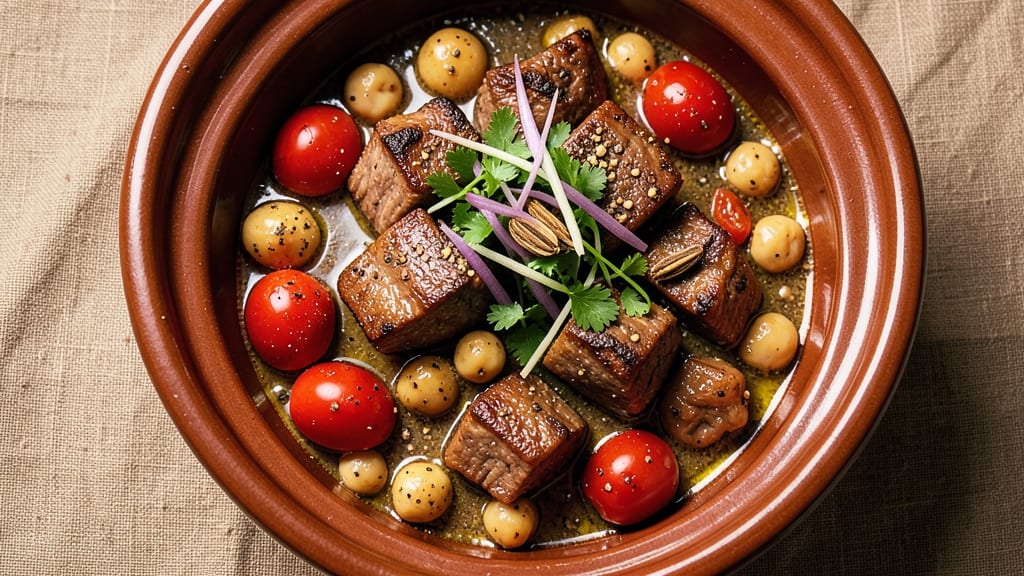
This Arabic beef stew recipe brings the soul of Middle Eastern kitchens to your pot, where tender beef simmers for hours in a fragrant blend of spices, tomatoes, and warm za'atar.
The slow-cooking process transforms tough cuts into melt-in-your-mouth perfection, while the aromatic spices create layers of depth that linger long after the first bite. I developed this recipe after years of experimenting with traditional techniques, ensuring every step delivers authentic flavor without sacrificing simplicity for home cooks.
The secret lies in the marinade—a balanced mix of cumin, coriander, and cardamom—that infuses the beef with rich, earthy notes before it even hits the pot.
Adding za'atar, a signature Middle Eastern spice blend, elevates the dish with its nutty, citrusy complexity, while slow simmering in tomato sauce creates a sauce that's both hearty and velvety.
This method ensures the beef stays incredibly tender while absorbing all the vibrant flavors, making it a dish that feels both comforting and special.
By the time you serve this stew, you'll have a pot of deeply flavorful beef swimming in a sauce that's rich yet bright, with just the right balance of spice and warmth.
The aroma alone will have everyone gathering around the table, while the tender meat and fragrant spices create a meal that's perfect for family dinners or cozy gatherings. Serve it with warm flatbread to soak up every last drop of that delicious sauce.
Whether you're new to Middle Eastern cuisine or a seasoned fan, this recipe offers a taste of tradition with modern convenience. The ingredients are accessible, and the steps are straightforward, ensuring you can recreate this restaurant-quality dish in your own kitchen.
Let's get started on this journey to aromatic, slow-simmered richness.
Ingredients for arabic beef stew
Tender beef, aromatic spices, and slow-simmered richness—this is your Middle Eastern-inspired pantry raid.
| Ingredient | Amount | Notes |
|---|---|---|
| Beef Chuck Roast 🥩 | 2 ½ lb | Cut into 1.5-inch cubes |
| Za'atar Spice Blend 🌿 | 2 tbsp | Homemade or store-bought |
| Ground Cumin 🌶️ | 1 ½ tbsp | Toasted for deeper flavor |
| Ground Coriander 🌿 | 1 tbsp | Freshly ground preferred |
| Cardamom Pods 🌿 | 6 whole | Lightly crushed |
| Garlic Cloves 🧄 | 6 cloves | Minced for marinade |
| Onion 🧅 | 1 whole | Large, thinly sliced |
| Canned Crushed Tomatoes 🍅 | 2 cups | San Marzano preferred |
| Tomato Paste 🍅 | ½ cup | For rich depth |
| Fresh Lemon Juice 🍋 | ¼ cup | Brightens the stew |
| Beef Broth 💧 | 2 cups | Low-sodium preferred |
| Olive Oil 🫒 | ½ cup | Extra-virgin for richness |
| Salt 🧂 | 1 ½ tsp | Diamond Crystal preferred |
| Black Pepper 🌶️ | ½ tsp | Freshly ground |
| Fresh Parsley 🌿 | ¼ cup | Chopped for garnish |
The beef is everything here. Chuck roast is your best bet—it's tough enough to handle the long cook but breaks down into melt-in-your-mouth perfection. Grab it from the butcher section if you can, or look for pre-cubed beef at Whole Foods or Trader Joe's to save time. If you're buying a whole roast, ask them to cut it into 1.5-inch cubes for you. Za'atar is the soul of this dish—Penzeys or Middle Eastern specialty stores have the best blends, but the jarred stuff at Middle Eastern markets works too. Just make sure it's got sesame seeds and sumac in it—those are the magic ingredients.
No za'atar? Mix 1 tbsp each of dried thyme, oregano, and sesame seeds with a pinch of sumac for a close substitute. Toast your spices before using—just dry toast the cumin and coriander in a pan for 30 seconds until fragrant. That little step makes all the difference. Fresh garlic and lemon are non-negotiable here—they brighten up the rich, earthy flavors. If you're short on time, bottled lemon juice works, but fresh is worth the squeeze. The tomatoes? San Marzano cans are the gold standard, but any good-quality crushed tomatoes will do. Skip the chunky ones—they don't blend as smoothly.
This stew tastes even better the next day, so make extra if you can. Store leftovers in an airtight container in the fridge for up to 5 days, or freeze portions for 3 months. I always double the recipe because it reheats beautifully—perfect for quick lunches or potlucks. The parsley is just for garnish, but don't skip it—it adds that fresh pop of color that makes the dish feel special. Serve with warm flatbread or crusty bread to soak up every last drop of that fragrant sauce.
Why You'll Love This Recipe
- Foolproof Simplicity: I swear by this recipe because it’s the kind of meal that forgives mistakes. Toss the beef in za’atar and cumin, add a splash of water, and let the slow cooker do the rest—no fancy techniques, no stress.
- Earthy Depth Explosion: That first bite? Rich, smoky, and bright all at once. The cardamom and coriander lift the beef while the za’atar adds a nutty, herby punch—like a warm hug in a bowl.
- Leftovers That Shine: Between us, this stew improves the next day. The flavors meld into something even deeper, and it reheats like a dream. Pack it for lunch or serve it cold over salad—it’s that versatile.
- Budget-Friendly Feast: A single chuck roast stretches for days, and the spices cost pennies. Honestly, it’s my go-to when I need a hearty meal without breaking the bank—plus, the leftovers keep my family happy for a week.
Step-by-step instructions for Arabic beef stew
Here's how to build layers of spiced richness that make this stew unforgettable.
Sear the Beef for Deep Flavor
Heat the 0.5 cup olive oil in a large Dutch oven over medium-high heat. Working in batches, add the 2.5 lb beef chuck roast cut into 1.5-inch cubes, letting them brown deeply on all sides for about 3-4 minutes per batch. This step creates the Maillard reaction that forms the stew's rich foundation.
Don't overcrowd the pan—give each piece space to develop that golden crust. Once all the beef is browned, transfer it to a plate and set aside. You'll know it's ready when the edges are deep golden brown and the meat releases easily from the pan. The residual oil will become the base for your aromatic spices.
Build the Spice Base
Reduce the heat to medium and add the 6 whole lightly crushed cardamom pods, 6 cloves minced garlic cloves, and the 1 whole thinly sliced onion. Cook for 5-6 minutes until the onions soften and become translucent, releasing their sweet aroma. Here's where the magic happens—the spices should sizzle gently without burning.
Stir in the 2 tbsp za'atar spice blend, 1.5 tbsp ground cumin, and 1 tbsp ground coriander, toasting them for 30 seconds until fragrant. This combination creates the distinctive warm, earthy depth that defines Arabic cuisine. The spices will bloom beautifully, filling your kitchen with their aromatic warmth.
Develop the Sauce Foundation
Pour in the 2 cups canned crushed tomatoes and 0.5 cup tomato paste, stirring to combine with the spice mixture. Let this cook for 5 minutes until slightly thickened. The acidity from the tomatoes helps break down the meat's connective tissue, ensuring tender results.
Add the 2 cups beef broth and bring the mixture to a gentle simmer. Return the browned beef to the pot, ensuring each piece is well-coated in the developing sauce. Here's the thing—this is where patience pays off. Let the stew bubble gently for 10 minutes to allow the flavors to meld before adding the remaining ingredients.
Slow Simmer for Tender Perfection
Add the 0.25 cup fresh lemon juice, 1.5 tsp salt, and 0.5 tsp black pepper, stirring to combine. The lemon juice brightens the rich flavors and balances the earthy spices. Bring the stew to a gentle simmer, then reduce heat to low and cover partially.
Let it cook for 2-2.5 hours, stirring occasionally, until the beef is fork-tender and falls apart easily. The stew should reduce slightly, developing a thick, velvety consistency. You'll know it's ready when the meat pulls apart with minimal resistance and the sauce coats the back of a spoon. This slow cooking transforms tough chuck roast into melt-in-your-mouth tenderness.
Finish and Serve
Remove the stew from heat and let it rest for 10 minutes. This resting period allows the flavors to settle and the juices to redistribute throughout the meat. Skim off any excess fat that has risen to the surface if desired.
Stir in the 0.25 cup chopped fresh parsley just before serving. The bright green parsley adds a final pop of color and freshness that contrasts beautifully with the rich, spiced beef. Serve immediately with warm crusty bread or fluffy couscous to soak up every last bit of that flavorful sauce.
Pro Tips For Making Arabic Beef Stew
- SEAR THE CHUCK FIRST: That beef chuck roast needs a deep, dark crust before any liquid hits the pan. I used to skip this, thinking the stew would handle it—wrong. Get your pan screaming hot (I mean screaming), pat the meat dry, and let it sit for 3-4 minutes per side until it’s got that caramelized armor. That’s where the flavor hides.
- CRUSH THE CARDAMOM: Whole cardamom pods? Don’t just toss them in. I learned this the hard way—my grandmother swore by crushing them first, and she was right. Lightly pound them with the flat side of a knife or a mortar before adding them to the stew. This releases their oils and aroma into the mix, making the whole dish sing instead of just sitting there like a shy guest.
- LOW AND SLOW IS NON-NEGOTIABLE: This isn’t a race. After browning, drop the heat to a simmer—no higher than a gentle bubble—and cover the pot. I used to rush it, and the meat came out tough as boot leather. Aim for at least 2.5 hours, stirring occasionally, until the beef falls apart with a fork. Patience here makes the difference between a decent stew and a showstopper.
- TOAST THE SPICES TOGETHER: Skip the pre-toasting? You’re missing out. Dry-toast the za’atar, cumin, and coriander in the same pan you seared the meat (after removing the beef) for 30 seconds until fragrant. This wakes up their flavors and deepens the earthy notes in the stew. I know, it’s an extra step—but your future self will notice the difference.
Troubleshooting perfect results
Beef Too Tough
If your beef isn't tender after 2-2.5 hours of simmering, it likely didn't break down enough. First, check your cut—chuck roast should work, but if you used a leaner cut like sirloin, it needs longer cooking.
Extend simmering by 30-60 minutes uncovered to evaporate excess liquid and intensify flavors. For next time, use a meat thermometer—beef should reach 203°F for perfect tenderness. 🥩
Sauce Too Thin
A watery sauce usually means too much liquid was added. Reduce the beef broth to 1.5 cups next time, or simmer uncovered for 10-15 minutes to thicken. For instant fixes, mix 1 tbsp cornstarch with 2 tbsp cold water, stir into the stew, and simmer for 2-3 minutes.
Avoid adding tomato paste—it can make the sauce bitter if overcooked.
Spices Overpowering
Too much za'atar or cumin can dominate the dish. Start with 1 tbsp za'atar and 1 tsp cumin, then adjust to taste. Balance with extra lemon juice or a pinch of sugar to brighten flavors.
For future batches, toast spices separately for 30 seconds to deepen aroma without intensity. If the stew tastes too strong, add a splash of yogurt (about ¼ cup) to mellow the heat. 🌶️
Burnt Onions or Spices
Dark brown or blackened onions/spices mean they burned, creating bitter flavors. Reduce heat to medium-low when cooking aromatics and stir frequently. For burnt spices, strain them out and replace with fresh.
Next time, add onions and spices in stages—cook onions first, then spices—to prevent scorching. A heavy-bottomed pot distributes heat more evenly, reducing burn risk.
Lemon Too Sour
If the stew tastes overly tart, balance it with 1 tsp sugar or ½ tsp honey to round out flavors. For future batches, use ¼ cup lemon juice instead of ½ cup—it brightens without overpowering.
If the stew is already cooked, a pinch of salt or a dollop of plain yogurt can help neutralize excess acidity. Taste as you go—adjust gradually!
Fat Floating on Top
Excess fat can make the stew greasy. Skim it off with a spoon while the stew rests, or chill it in the fridge—fat solidifies and can be easily removed. For next time, trim visible fat from the beef before cooking.
If the stew still tastes too rich, add 1 cup cooked lentils or chopped cucumbers to lighten the texture. 💡
Nutrition facts
Frequently asked questions
What makes this Arabic beef stew different from other slow-cooked beef dishes?
This recipe uses za'atar spice blend—a key ingredient in Middle Eastern cuisine—as its aromatic base, giving it a nutty, citrusy depth you won't find in traditional beef stews. The slow simmer in tomato sauce creates a velvety texture, while the cardamom and cumin add warmth that balances the bright lemon juice. It's heartier than tagines but lighter than French beef bourguignon.
Can I substitute chuck roast with another beef cut?
Yes, but choose wisely! For best results, use brisket, short ribs, or beef shank—they handle long cooking times well. Avoid lean cuts like sirloin or tenderloin, as they'll dry out. If using a tougher cut like brisket, increase cooking time by 30-45 minutes to ensure tenderness. Never use ground beef—it cooks too quickly and loses texture.
How do I make this stew spicier?
Add ½ tsp cayenne pepper or 1 tsp harissa paste when toasting the spices. For heat lovers, stir in 1 chopped fresh chili (like jalapeño) with the onions. Remember, spices build flavor—start small and adjust gradually. A splash of hot sauce at the end also works well if you prefer controlled heat.
What's the best way to reheat leftovers?
Reheat gently in a pot over low heat with 1-2 tbsp beef broth to prevent drying. Avoid microwaving—it makes the sauce watery. For extra richness, add a pat of butter or a spoonful of yogurt when reheating. Leftovers taste even better the next day as flavors meld further!
Is this stew kid-friendly?
For children, reduce za'atar to 1 tbsp and omit cardamom (it's strong). Serve with plain yogurt or flatbread to mellow flavors. The natural sweetness of tomatoes and onions makes it approachable, but always check for spice sensitivity. Many kids love the tender beef—just keep the sauce separate if needed.