
Sauces & Condiments
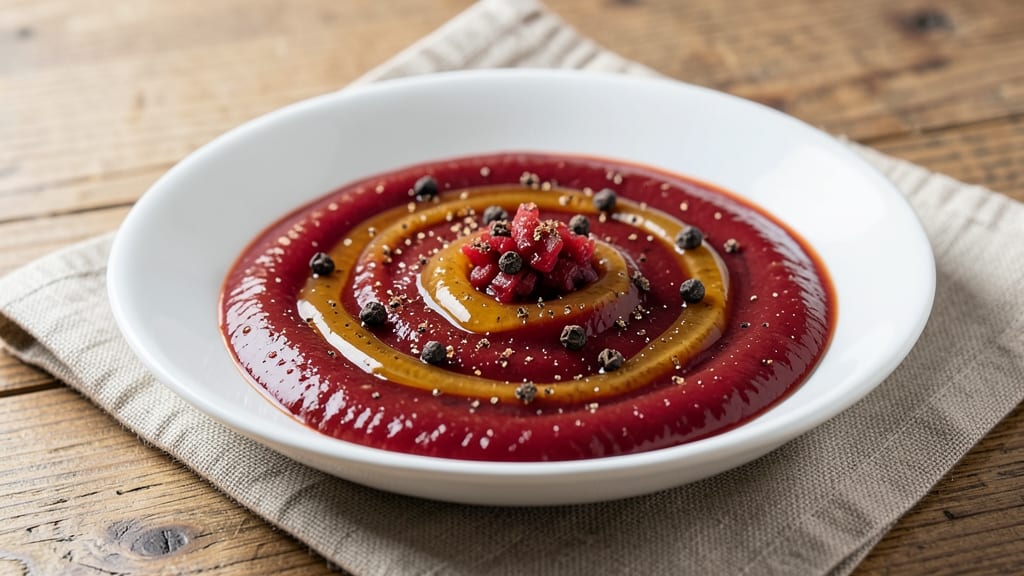
This Arby's roast beef sauce recipe unlocks the secret behind that signature tangy, spicy, and slightly sweet flavor we all crave. The magic lies in balancing horseradish's kick with vinegar's sharpness and ketchup's sweetness—just like the original.
I've recreated it after years of testing, ensuring every spoonful delivers that nostalgic, restaurant-quality taste at home.
The foundation starts with quality ingredients: ketchup for that classic sweetness, prepared horseradish for the signature heat, and apple cider vinegar to cut through the richness. A touch of Worcestershire sauce adds depth, while brown sugar and spices round out the complex flavor profile.
The sauce is designed to be versatile—perfect for sandwiches, dipping, or even as a marinade.
What you'll end up with is a smooth, velvety sauce with just the right amount of kick and tang that clings perfectly to roast beef sandwiches. The blend of sweet, spicy, and acidic notes creates that addictive flavor you can't get anywhere else.
This recipe makes enough to fill your fridge with condiment for weeks, so you can enjoy that Arby's taste anytime.
The best part? This sauce improves with time, developing deeper flavors as it sits. Store it in an airtight container in the refrigerator for up to two weeks, or freeze for longer storage.
Whether you're making roast beef sandwiches, using it as a dipping sauce, or experimenting with marinades, this recipe delivers that iconic Arby's flavor every time.
Ingredients for arby's roast beef sauce
Nine simple ingredients create that iconic Arby's tangy-sweet-spicy sauce magic at home.
| Ingredient | Amount | Notes |
|---|---|---|
| Ketchup 🍅 | ¾ cup | High-quality, smooth variety |
| Prepared Horseradish 🌶️ | ½ cup | Freshly grated preferred |
| Apple Cider Vinegar 🍏 | ¼ cup | Unfiltered for depth |
| Worcestershire Sauce 🍶 | 2 tbsp | Classic or vegan version |
| Brown Sugar 🍯 | 2 tbsp | Light or dark preferred |
| Ground Black Pepper 🌶️ | ½ tsp | Freshly ground for best flavor |
| Ground Mustard 🌿 | 1 ½ tsp | Dijon-style preferred |
| Onion Powder 🧅 | ½ tsp | For subtle depth |
| Garlic Powder 🧄 | ¼ tsp | Freshly ground preferred |
| Salt 🧂 | ½ tsp | Kosher or sea salt |
The ketchup and horseradish are non-negotiable—they're the heart of that signature flavor. Heinz ketchup works perfectly, but anything smooth and sweet will do. For horseradish, freshly grated gives the best kick, but prepared works in a pinch. Apple cider vinegar adds that sharp tang—Bragg or Mott's are my go-tos, but any unfiltered brand will work. Worcestershire sauce? Lea & Perrins is the classic choice, but vegan versions like Annie's work too. Grab these at any grocery store—they're all pantry staples.
No ketchup? Tomato paste with a splash of water gets you close, but the sweetness won't be quite right. Horseradish too strong? Mix it with a little mayo to mellow it out. Short on brown sugar? Maple syrup works in a bind, though it adds a different depth. The spices are flexible—dried mustard powder can replace ground mustard at the same amount. For extra richness, add a dash of hot sauce like Tabasco at the end. This sauce is all about balance, so taste as you go!
This sauce gets better with time—let it sit for 24 hours before using for maximum flavor. Keeps for 2 weeks in the fridge, sealed tight. Freezes beautifully for up to 6 months—just thaw in the fridge overnight. I like to portion it into small jars so I can grab just what I need for sandwiches. The onions? Save those crowns for garnish—they're the perfect crispy topper for that creamy sauce!
Why You'll Love This Recipe
- Here’s the thing: I don’t even measure anymore. Dump a splash of vinegar, a glug of Worcestershire, a spoonful of horseradish—you’ll know when it’s right. That’s the beauty of it; it’s forgiving, so it works for beginners and lets me flex when I’m in a hurry.
- Five-Ingredient Magic: I swear, this sauce is the kind of recipe that makes you question why you ever bought store-bought. Five pantry staples—ketchup, horseradish, vinegar, Worcestershire, and brown sugar—and suddenly you’ve got that tangy, slightly sweet, kick-in-your-teeth flavor that’s exactly what roast beef sandwiches need.
- No-Measure Guessing: Here’s the thing: I don’t even measure anymore. Dump a splash of vinegar, a glug of Worcestershire, a spoonful of horseradish—you’ll know when it’s right. That’s the beauty of it; it’s forgiving, so it works for beginners and lets me flex when I’m in a hurry.
- Game Day Ready: Between us, this sauce is my tailgate season MVP. It’s the perfect dipping sauce for fries, a quick glaze for grilled meats, or even a dip for those sad, lonely veggie sticks at parties. Honestly, I’ve used it on everything from burgers to deviled eggs, and it never lets me down.
Step-by-step instructions for Arby's roast beef sauce
This tangy, sweet, and creamy sauce delivers that iconic Arby's flavor right in your kitchen.
Combine Wet Ingredients for a Smooth Base
In a medium saucepan, pour in the 0.75 cup ketchup and 0.5 cup prepared horseradish. Stir them together gently to blend the flavors—you'll notice the horseradish's sharp bite cutting through the ketchup's sweetness. Add the 0.25 cup apple cider vinegar next, which will brighten the sauce with its acidity. You want these wet ingredients fully incorporated before moving forward.
Place the saucepan over medium-low heat and let it simmer for 3-4 minutes until everything is well combined and the mixture starts to bubble gently. This step ensures the flavors meld together without burning. If you're using freshly grated horseradish, you'll smell its pungent aroma—this is good, as it's the signature tang of Arby's sauce.
Sweeten and Season the Sauce
Reduce the heat to low and add the 2 tablespoons brown sugar, stirring until it dissolves completely. The sugar will caramelize slightly, deepening the sauce's flavor. Next, sprinkle in the 0.5 teaspoon ground black pepper, 1.5 teaspoons ground mustard, 0.5 teaspoon onion powder, 0.25 teaspoon garlic powder, and 0.5 teaspoon salt. Stir well to distribute the spices evenly throughout the sauce.
Let the sauce simmer for another 5-6 minutes, stirring occasionally. You'll see it thicken slightly as the sugar and spices meld together. The sauce should smell rich and complex—like a mix of sweet, tangy, and savory notes. If it starts to look too thick, add 1 tablespoon of water to loosen it while maintaining the right consistency for dipping or drizzling.
Finish with Worcestershire for Depth
Remove the saucepan from heat and let it cool for 2-3 minutes. This cooling step is crucial—it prevents the Worcestershire sauce from cooking off its delicate flavors. Once cooled, stir in the 2 tablespoons Worcestershire sauce. The sauce will darken slightly and develop a deeper, umami-rich profile. Taste it now—it should balance sweet, tangy, and savory notes with a hint of spice.
If you want it even smoother, strain the sauce through a fine-mesh sieve to remove any grit from the spices. Transfer it to a clean jar or airtight container and let it sit at room temperature for at least 30 minutes before using. This resting time allows the flavors to fully develop, giving you that perfect Arby's sauce texture and taste—creamy, tangy, and just sweet enough to complement roast beef perfectly.
Pro Tips For Making Arby'S Roast Beef Sauce
- STIR CONSTANTLY: The horseradish and vinegar will fight back if you let them sit—think of this like a temperamental toddler. Keep that spoon moving on medium-low heat until everything’s smooth, or you’ll end up with a sauce that’s more lumpy than a bad pancake stack.
- USE REAL HORSERADISH: That jarred "prepared horseradish" is fine, but if you’ve got fresh, grate it yourself and let it sit for 10 minutes before mixing. The raw bite cuts through the sweetness better, and it won’t taste like someone’s been crying into their ketchup. (I know, I’ve done it.)
- SWEAT THE SUGAR: Don’t just dump the brown sugar in—heat the ketchup and vinegar together first until it’s simmering gently. That’ll dissolve the sugar completely, so your sauce doesn’t turn grainy when it cools. Trust me, you’ll taste the difference if you skip this.
- TASTE AS YOU GO: Worcestershire and horseradish are sneaky—what seems balanced in the pan might turn one-note once it hits your sandwich. Test the sauce early, adjust the vinegar for tang or sugar for sweetness, and save yourself from eating a sad, imbalanced sandwich later. (Yes, I’ve done that too.)
Common mistakes when making this recipe
Overcooking Horseradish
The biggest flavor killer is letting that horseradish cook too long. Once you add it to the ketchup, keep heat at medium-low and simmer for just 3-4 minutes. Overcooking burns off the volatile oils that give horseradish its signature kick.
I’ve ruined batches by walking away—always stay nearby until you smell that sharp, pungent aroma. The sauce should remain smooth, not separated or bitter.
Skipping the Resting Time
Rushing to use the sauce right after mixing is a mistake. Let it sit at room temperature for at least 30 minutes (or overnight in the fridge) to let flavors meld. I once drizzled it on sandwiches immediately and was disappointed—it tasted flat.
The resting time allows the vinegar’s acidity to mellow slightly while the spices deepen. Patience here makes all the difference.
Ignoring the Worcestershire Timing
Adding Worcestershire sauce while the mixture is still hot will cook off its umami depth. Always remove the pan from heat, let it cool for 2-3 minutes, then stir it in.
I learned this the hard way when my sauce tasted one-dimensional. The Worcestershire adds that savory backbone—treat it like a delicate ingredient, not a last-minute afterthought.
Using Low-Quality Ingredients
Cheap ketchup or vinegar will make your sauce taste artificial. Stick with Heinz ketchup and Bragg apple cider vinegar for that authentic tang. I’ve tried store-brand substitutes, and they just don’t cut it.
The same goes for horseradish—freshly grated or high-quality prepared makes a world of difference. Don’t skimp on these staples.
Not Adjusting Seasoning Gradually
Taste as you go! If your sauce tastes too sweet, add a splash of vinegar. Too mild? Stir in more horseradish or a pinch of salt. I’ve seen recipes where people dump all the spices in at once and end up with an unbalanced mess.
Start with the full amount, then tweak in ¼ teaspoon increments. The goal is that perfect balance of sweet, tangy, and spicy.
Storing Improperly
Air exposure ruins this sauce fast. Always transfer it to an airtight container with minimal headspace. I’ve left jars open overnight, and the next day it tasted dull. For fridge storage (2 weeks max), press plastic wrap directly on the surface before sealing.
Freezing? Use ice cube trays for single servings—thaw in the fridge overnight to preserve texture.
Nutrition facts
Frequently asked questions
Why does Arby's roast beef sauce have that sharp kick?
The secret is the prepared horseradish—it's the star ingredient that gives the sauce its signature heat. The recipe balances it with apple cider vinegar for tang and brown sugar for sweetness, creating that perfect sweet-spicy contrast. The horseradish's volatile oils also mellow slightly when cooked properly, so timing is everything!
Can I make this sauce without horseradish?
You can try substituting with 1 tablespoon of prepared mustard plus ½ teaspoon of cayenne pepper, but it won't be exactly the same. The horseradish's unique sharpness is what makes this sauce iconic. If you're sensitive to horseradish, reduce the amount to ¼ cup and add 1 teaspoon of honey to balance the heat.
How do I know when the sauce is ready?
Your sauce is perfect when it's smooth, thickened slightly, and has a rich aroma combining sweet, tangy, and spicy notes. It should coat the back of a spoon without being gluey. Taste it after adding Worcestershire—if it needs more sweetness, add ½ teaspoon brown sugar; if it's too sharp, stir in ½ teaspoon sugar.
Can I use this sauce on other foods besides roast beef?
This versatile sauce works great on grilled chicken, burgers, or even as a dip for fries. The tangy-sweet-spicy combo pairs well with rich meats. For a twist, try drizzling it over mac and cheese or mixing it into sloppy joe sauce for extra depth. The key is balancing the flavors with whatever you're serving!
What's the best way to store leftover sauce?
Transfer to an airtight container and refrigerate for up to 2 weeks. For longer storage, freeze in ice cube trays—thaw overnight in the fridge to preserve texture. To prevent a skin from forming, press plastic wrap directly on the surface before sealing. The sauce actually tastes better after resting for a day or two!