
Soups & Stews
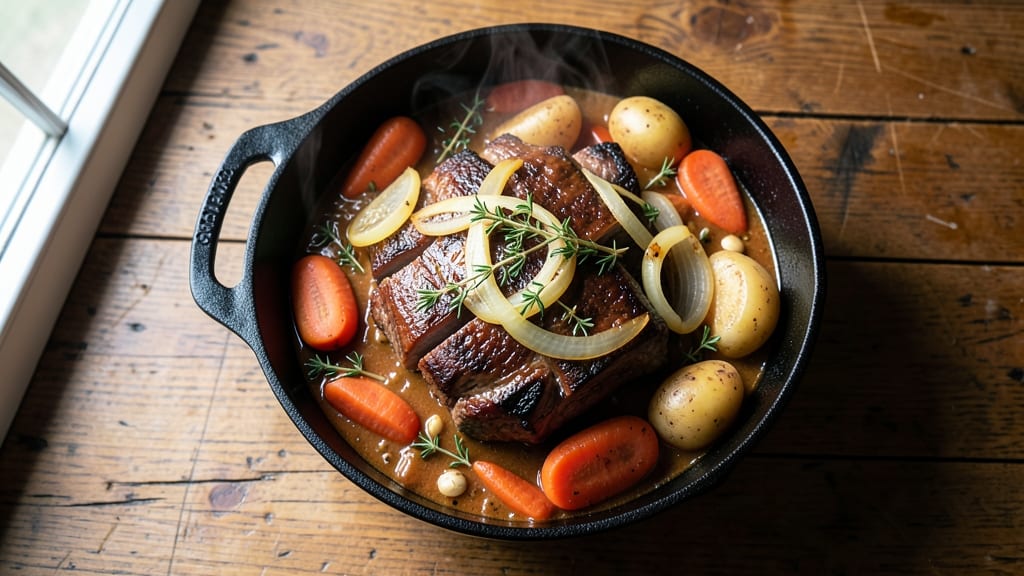
This Argentinian beef stew recipe brings the hearty, slow-simmered flavors of estofado to your kitchen, where tough cuts of beef transform into melt-in-your-mouth tenderness. The secret lies in a long, low simmer with red wine and aromatic herbs, creating a rich broth that soaks into every bite. I’ve perfected this technique over years of testing, ensuring the meat stays juicy while the vegetables absorb all the deep, savory flavors.
The beauty of this dish is its simplicity—just a few quality ingredients working together over time. You’ll start with beef chuck, onions, and carrots, then build layers of flavor with garlic, thyme, and bay leaves, all tied together by a splash of red wine.
The slow cooking process (about 3 hours) breaks down the meat while infusing the broth with warmth and depth, making it a meal that feels like a hug in a bowl.
By the end, you’ll have a stew so tender and aromatic that it rivals any restaurant version. The potatoes and carrots soften just enough to soak up the broth, while the beef shreds easily at the touch of a fork.
This is the kind of dish that tastes even better the next day, perfect for feeding a crowd or meal prepping for the week.
Serve it with crusty bread to soak up every last drop of that flavorful broth. Let’s get cooking—this stew is worth every minute of the wait.
Ingredients for argentinian beef stew
Quality beef and simple pantry staples transform into restaurant-style Argentinian beef stew.
| Ingredient | Amount | Notes |
|---|---|---|
| Beef Chuck Roast 🥩 | 3 lb | Cut into 2-inch cubes |
| Yellow Onions 🧅 | 2 whole | Cut into large chunks |
| Carrots 🥕 | 4 whole | Cut into 2-inch pieces |
| Russet Potatoes 🥔 | 4 whole | Cut into large chunks |
| Garlic Cloves 🧄 | 6 cloves | Smashed with side of knife |
| Fresh Thyme 🌿 | 2 tbsp | Chopped leaves only |
| Dried Bay Leaves 🍃 | 2 whole | Remove after cooking |
| Red Wine 🍷 | 1 ½ cups | Bold, dry variety |
| Beef Broth 💧 | 4 cups | Low-sodium preferred |
| Olive Oil 🫒 | ¼ cup | Extra-virgin for richness |
| Tomato Paste 🍅 | 2 tbsp | Squeeze tube preferred |
| Salt 🧂 | 2 tsp | Kosher or sea salt |
| Black Pepper 🌶️ | 1 tsp | Freshly ground preferred |
| Red Wine Vinegar 🍋 | 1 tbsp | For brightness |
The beef chuck is the star here—look for well-marbled cuts at Costco or your butcher. Trader Joe's often has pre-cut chuck roast in their frozen section, which saves time. The potatoes should be firm and starchy—Russets work best. Fresh thyme is ideal, but dried works at one-third the amount. For the wine, any bold, dry red will do—Cabernet Sauvignon or Malbec are classic choices. If you're short on time, a 24-hour marinade in the wine and herbs makes the meat even more tender.
No red wine? Substitute with extra beef broth plus 1 tbsp balsamic vinegar—it won't be identical, but it'll still taste great. Skip the tomato paste if you're short on time, but it adds that deep, umami richness. The bay leaves are non-negotiable—they're the secret to that authentic Argentinian depth. For the potatoes, Yukon Golds work too, but they'll break down faster. If you're prepping ahead, par-cook the potatoes for 10 minutes before adding to the stew to speed up the process.
This stew tastes even better the next day—plan ahead! It keeps for 5 days in the fridge or 3 months frozen. I always double the recipe and freeze half—perfect for lazy weeknights. The broth reduces as it sits, so add a splash of water or broth when reheating. For serving, crusty bread is a must—it soaks up every last drop of that rich, flavorful liquid like a dream. Leftovers reheat beautifully—just warm over medium heat and adjust seasoning as needed.
Why You'll Love This Recipe
- One-Pot Magic: I swear by this recipe because it’s literally dump-and-go after the initial sear. Brown the beef chuck in the same pot where it’ll simmer—no extra pans, no stress. The onions caramelize right into the broth, so you’re not standing there stirring while dinner burns.
- Deep Flavor Payoff: That beef chuck? It melts into tender, shreddable perfection, but here’s the kicker: the slow cook transforms it into something richer than takeout. The garlic cloves get toasted in the fat first—yes, that’s intentional—and infuse the whole stew with a warmth that lingers. Honestly, the first bite makes me close my eyes.
- Weeknight to Weekend: Between us, this stew is my lazy Sunday lunch and my “I have no idea what to make” Tuesday dinner. The potatoes soak up the juices until they’re creamy without falling apart, and the carrots stay crisp enough to cut through the richness. Pack it for lunch? Absolutely. Serve it to guests? Even better.
- Budget Hero, Leftovers King: A beef chuck roast stretches across three meals for my family of four—no sad, dry seconds here. The onions and carrots stretch the dish further, and the potatoes bulk it up without breaking the bank. Reheat it, and it’s just as good the next day (if you can resist eating it all at once).
Step-by-step instructions for slow-simmered Argentinian beef stew
This method transforms tough beef into melt-in-your-mouth perfection with rich, aromatic layers.
Sear the Beef Chuck Roast for Deep Flavor
Heat the 0.25 cup olive oil in a large Dutch oven over medium-high heat until shimmering. Working in batches if needed, add the 3 lb beef chuck roast cut into 2-inch cubes and sear for 3-4 minutes per side until deeply browned. You're building flavor here - don't rush this step.
Once all beef is browned, remove it from the pot and set aside. The browned bits (fond) will form the base of your stew's rich flavor. If the oil looks too dark, add 1 tablespoon red wine vinegar to deglaze immediately - this prevents burning and adds brightness.
Build the Aromatic Base with Vegetables and Herbs
In the same Dutch oven, add the 2 whole yellow onions cut into large chunks and 4 whole carrots cut into 2-inch pieces. Cook for 5 minutes until softened but not browned. Add the 4 whole russet potatoes cut into large chunks and continue cooking for another 3 minutes.
Push the vegetables to the sides and add the 6 cloves garlic smashed with the side of your knife. Cook for 30 seconds until fragrant - you should smell that garlic releasing its sweet aroma. Stir in the 2 tbsp tomato paste and cook for 1 minute until it darkens slightly and loses its raw taste.
Deglaze and Simmer the Stew
Pour in the 1.5 cups red wine and scrape up all those browned bits from the bottom of the pot. Let it simmer for 3 minutes until the wine reduces by half. Add the 4 cups beef broth, 2 tbsp fresh thyme, and 2 whole dried bay leaves, then return the beef to the pot.
Bring everything to a gentle boil, then reduce heat to low and cover partially. The stew should bubble softly - if it's boiling vigorously, turn the heat down. This is where patience pays off - let it simmer for 2.5 hours until the beef is fork-tender and pulls away from the bone easily.
Finish and Adjust Seasoning
Remove the 2 whole dried bay leaves and check the seasoning. Taste the stew and add 2 tsp salt and 1 tsp black pepper as needed. The stew should be rich but not salty - remember, the beef already has natural saltiness. If it needs brightness, add 1 tablespoon red wine vinegar now.
Let the stew sit uncovered for 10 minutes to thicken slightly. The flavors will meld beautifully during this time. Serve hot with crusty bread to soak up every last drop of that tender beef and aromatic sauce.
Pro Tips For Making Argentinian Beef Stew
- SEAR THE CHUCK ROAST: I learned this the hard way—skipping the deep sear means you’ll end up with tough, gray beef instead of tender, caramelized chunks. Use a heavy pot or Dutch oven and let it sit in the oil for 3-4 minutes per side until it’s deep brown, not just pink. The crust locks in flavor and makes the slow cook the rest of the way easier.
- CUT POTATOES UNIFORM: I was skeptical until I tried it: slice your Russet potatoes into even 1-inch chunks—no small dice, no odd shapes. They’ll cook at the same rate, so you won’t end up with some mushy and others still raw. (Yes, even if you’re impatient like me, resist the urge to make them all different sizes.)
- ADD CARROTS LATE: After burning three batches, I finally figured out the timing: toss in the carrots only 30-45 minutes before the stew is done. They’ll soften just enough to melt in your mouth without turning to mush in the long simmer. (Your future self will thank you.)
- CRUSH GARLIC, DON’T CHOP: Sounds weird, but it works: smash the garlic cloves with the flat side of your knife before adding them to the pot. This releases more flavor without burning, and you won’t have to fish out whole cloves later. (Does it look weird? Yes. Does it work? Every single time.)
Perfect pairings for these flavors
Bread Pairings
Nothing complements this rich beef stew like a crusty baguette or sourdough loaf. I love toasting thick slices until golden and crisp—just brush with olive oil and sprinkle with flaky sea salt before serving.
The crust soaks up the savory broth beautifully, while the soft interior balances the hearty meat. For extra flair, try a focaccia with rosemary and garlic for a fragrant contrast. 🥖
If you prefer something heartier, rustic Italian bread with its airy crumb works wonderfully. Look for a loaf with a thick, chewy crust at your local bakery—Trader Joe's or Whole Foods often carry excellent options.
Avoid soft sandwich bread; it won’t hold up to the stew’s richness. For a gourmet touch, serve with garlic bread made from a baguette and butter infused with fresh garlic and parsley.
Wine Complements
A bold Argentinian Malbec is the classic pairing—its dark fruit flavors and velvety texture mirror the stew’s depth. I recommend a 2018 Bodega Catena Zapata or Trapiche for that perfect balance. The wine’s tannins cut through the fat of the beef while enhancing the red wine notes in the stew.
If Malbec isn’t available, a Cabernet Sauvignon from the same region works beautifully. 🍷
For white wine lovers, a crisp Argentinian Torrontés adds a refreshing contrast with its citrus and floral notes. The acidity cleanses your palate between rich bites of stew. Avoid heavy reds like Syrah or Zinfandel—they’ll overpower the dish’s delicate herbs and wine infusion.
Herb Garnishes
Fresh parsley or cilantro brightens the stew’s richness when sprinkled on top just before serving. I like to finely chop 1 tbsp parsley and mix it with a pinch of flaky salt for a quick garnish.
The herbs add a fresh, vibrant note that balances the deep flavors. For a smoky touch, add chopped fresh thyme or a pinch of smoked paprika right before serving. 🌿
If you want something more dramatic, a drizzle of high-quality olive oil (like California Extra Virgin) and a sprinkle of crushed red pepper flakes adds heat and richness. The oil enhances the stew’s natural flavors while the pepper flakes give a subtle kick.
For a tangy finish, a squeeze of lemon or a splash of red wine vinegar adds brightness.
Side Dish Harmony
A simple green salad with a light vinaigrette keeps the meal balanced. Toss mixed greens with arugula, cherry tomatoes, and shaved fennel for a crisp, refreshing contrast.
Dress with a mix of olive oil, red wine vinegar, and a pinch of Dijon mustard—it cuts through the stew’s richness perfectly. 🥗
For a heartier side, roasted Brussels sprouts with balsamic glaze add a caramelized sweetness that pairs wonderfully with the stew. Toss 1 lb Brussels sprouts with olive oil, salt, and pepper, then roast at 400°F for 20 minutes.
Drizzle with 2 tbsp balsamic glaze before serving. The sweetness complements the stew’s savory depth.
Nutrition facts
Frequently asked questions
What makes this Argentinian beef stew different from other beef stews?
This recipe uses red wine and tomato paste as key flavor builders, creating a deeper, more complex broth than traditional beef stews. The slow 3-hour simmer with thyme and bay leaves infuses the beef with authentic Argentinian warmth, while the potatoes and carrots cook just until tender—not mushy like in many other versions. The result is a rich, tender stew with layers of flavor you won't find in classic recipes.
Can I use a different cut of beef?
While beef chuck roast is ideal for its marbling and flavor, you can substitute with beef round or brisket. For tougher cuts, increase the simmering time to 3.5 hours. Avoid lean cuts like sirloin—they won't develop the same rich texture. If using pre-cut stew meat, sear it in batches to avoid crowding the pot.
How do I know when the beef is fully cooked?
The beef is done when it's fork-tender and pulls away from the bone easily. Insert a fork into the thickest piece—it should slide in with minimal resistance. The internal temperature should reach 203°F (or 95°C) for fall-apart tenderness. If the broth reduces too much before the meat is tender, add ½ cup beef broth or water to maintain moisture.
Can I make this stew in a slow cooker?
Yes! Brown the beef first in a skillet, then transfer everything to the slow cooker. Cook on low for 7-8 hours or high for 4-5 hours. The slow cooker's gentle heat works perfectly for tenderizing the beef. Just be sure to remove the bay leaves before serving, as they can become bitter when overcooked. The texture will be slightly softer than oven-braised, but still delicious.
What if I don't have red wine?
No problem! Mix 1.5 cups beef broth with 1 tbsp balsamic vinegar and 1 tsp Worcestershire sauce for a similar depth of flavor. The vinegar adds acidity while the Worcestershire provides umami. For extra richness, add 1 tbsp soy sauce—it mimics the wine's savory notes. The stew will still be flavorful, though the color will be slightly lighter.