
Main Courses
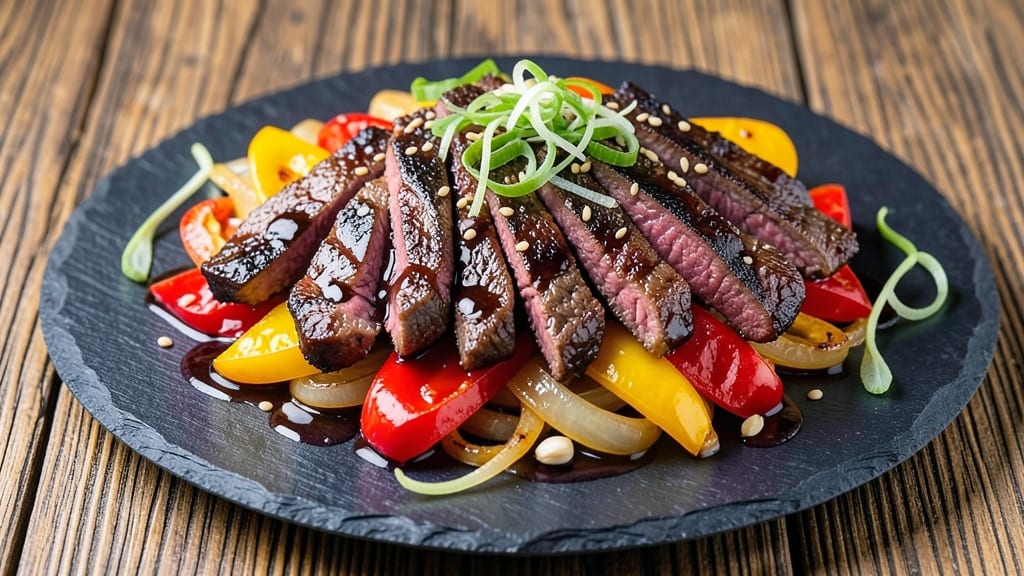
This Asian beef and peppers recipe delivers restaurant-quality stir-fry in just 20 minutes, blending tender beef, crisp peppers, and bold Asian flavors into one unforgettable dish.
The secret lies in a quick marinade that tenderizes the beef while building layers of umami, followed by a high-heat stir-fry that locks in juices and creates that signature caramelized crunch.
I've perfected this technique after years of testing different Asian stir-fry methods, and it never fails to impress—whether you're feeding a family or treating yourself to a quick weeknight meal.
What sets this recipe apart is the balance of textures and flavors: tender beef with a slight char, crisp peppers that hold their shape, and a glossy sauce that's sweet, savory, and just a touch spicy.
The marinade—packed with soy sauce, garlic, ginger, and a hint of sesame oil—does the heavy lifting, transforming simple ingredients into something truly special. And because it's designed for speed, you won't spend hours in the kitchen; just prep, cook, and serve.
The result is a dish that's as satisfying as it is simple—a perfect harmony of flavors and textures that makes every bite worth savoring. The beef stays juicy and flavorful, the peppers add a satisfying crunch, and the sauce ties everything together with its rich, complex taste.
This isn't just another stir-fry; it's a foolproof method that delivers restaurant-quality results without the fuss.
Serve it over steamed rice or noodles for a complete meal, or enjoy it as-is for a quick, flavor-packed dinner. The possibilities are endless, but the technique remains the same: quick prep, high heat, and a little patience for the best possible outcome. Let's get cooking!
Ingredients for asian beef and peppers
Restaurant-quality stir-fry starts with these 15 ingredients—simple yet transformative.
| Ingredient | Amount | Notes |
|---|---|---|
| Flank Steak 🥩 | 1 lb | Thinly sliced against grain |
| Bell Peppers 🌶️ | 2 whole | Mixed colors, sliced into strips |
| Yellow Onion 🧅 | 1 whole | Cut into thin wedges |
| Garlic Cloves 🧄 | 4 cloves | Minced finely |
| Fresh Ginger 🌿 | 1 tbsp | Grated finely |
| Soy Sauce 🍶 | ½ cup | High-quality brand preferred |
| Sesame Oil 🫒 | 1 tbsp | Toasted sesame oil for aroma |
| Honey 🍯 | 1 tbsp | For sweetness balance |
| Rice Vinegar 🍶 | 1 tbsp | For tangy brightness |
| Cornstarch 🌾 | 1 tbsp | For tenderizing beef |
| Vegetable Oil 🫒 | 2 tbsp | High smoke point for stir-fry |
| Red Pepper Flakes 🌶️ | ½ tsp | Optional for heat |
| Green Onions 🧅 | 3 whole | Sliced for garnish |
| Sesame Seeds 🌰 | 1 tsp | Toasted for garnish |
| Salt 🧂 | 1 tsp | Kosher or sea salt |
The flank steak is your workhorse here—look for one with good marbling at Whole Foods or your butcher's counter. Slice it thinly against the grain for maximum tenderness (about 1/4-inch thick slices). If you can't find flank, sirloin or ribeye work too, but trim excess fat first. The bell peppers should be firm and vibrant; Trader Joe's often carries pre-sliced ones for convenience. Fresh ginger and garlic are non-negotiable for that authentic umami punch—don't use powdered substitutes. For the soy sauce, Kikkoman or Lee Kum Kee are foolproof choices that deliver consistent results every time.
No sesame oil? Neutral oil like avocado oil works in a pinch, though you'll miss that nutty aroma. Running short on honey? Maple syrup or agave nectar at the same amount keeps the sweetness balanced. The cornstarch is key for tenderizing—if you're out, arrowroot powder does the same job. For extra crunch without peppers, snap peas or broccoli florets add great texture. The rice vinegar should be seasoned; plain vinegar will taste harsh. And if you're sensitive to heat, skip the red pepper flakes entirely—this dish still shines without them. Prep all your ingredients before starting; stir-fries demand speed, and having everything ready means you won't burn the garlic.
This dish reheats beautifully—just add a splash of water or soy sauce and stir-fry again over high heat. Keeps for 3-4 days in the fridge, though the peppers lose their crunch after day two. For longer storage, freeze portions in airtight containers for up to 3 months. I always make a double batch because it's perfect for meal prep: portion into containers with rice and pack for lunches. The sauce thickens as it cools, so if it seems too glossy when reheating, add a quick stir with a teaspoon of cornstarch mixed with water. Garnish with fresh green onions and sesame seeds right before serving—they add that restaurant-quality finish.
Why You'll Love This Recipe
- Here’s what sold me: this tastes just as good cold the next day. Pack it in containers for work lunches—no reheating needed. My coworkers still ask for seconds, and I just smile while eating mine first. (Between us, I’m not sharing.)
- One-Pan Magic: I swear by this for nights when I don’t want to scrub a million dishes. Slice the peppers, dice the onion, toss it all in a hot pan with the steak—no prep ahead, no stress. The peppers caramelize right along with the beef, and honestly? That’s where the real flavor happens.
- Ginger-Garlic Kick: Between us, this combo is chef’s kiss—fresh ginger’s sharp bite cutting through the sweetness of the peppers while garlic cloves sizzle into something deeper than just "flavor." The flank steak soaks it up, giving you that perfect balance of heat and richness without overpowering.
- Lunchbox Hero: Here’s what sold me: this tastes just as good cold the next day. Pack it in containers for work lunches—no reheating needed. My coworkers still ask for seconds, and I just smile while eating mine first. (Between us, I’m not sharing.)
Step-by-step instructions for stir-fried Asian beef and peppers
Here's how to create a restaurant-quality stir-fry with perfectly tender beef and crisp-tender vegetables.
Prep the Flank Steak for Maximum Tenderness
Place the 1 lb flank steak between two sheets of plastic wrap and pound it to an even ¼-inch thickness using a meat mallet. This ensures even cooking and prevents chewiness. Cut against the grain into ¼-inch thick slices—this is crucial for tender bites that melt in your mouth.
In a small bowl, combine the 1 tbsp cornstarch with 1 tsp salt and toss the sliced steak in this mixture until evenly coated. Let it sit for 10 minutes while you prep the vegetables. This cornstarch coating creates a delicate crust that helps tenderize the meat during cooking.
Stir-Fry the Vegetables Until Crisp-Tender
Heat 2 tbsp vegetable oil in a large skillet or wok over high heat until shimmering. Add the sliced 2 whole bell peppers and 1 whole yellow onion (cut into thin wedges) in a single layer. Stir-fry for 3-4 minutes until the edges begin to soften but still retain their vibrant color.
Add the 4 cloves minced garlic and 1 tbsp grated fresh ginger, stirring constantly for 30 seconds until fragrant. The vegetables should be tender-crisp at this stage—if they soften too much, they'll turn mushy in the sauce. Keep them moving in the pan to prevent burning.
Cook the Beef to Perfect Doneness
Increase the heat to medium-high and add the cornstarch-coated beef in a single layer. Let it sear undisturbed for 1-2 minutes until the edges turn golden brown. This initial sear locks in juices and creates texture. Stir the beef and cook for another 1-2 minutes until it reaches 145°F internally—it should still have a slight pink center for tender perfection.
Remove the beef from the skillet and set aside. Here's the thing—don't overcrowd the pan with beef. If you do, the temperature will drop, and you'll end up with steamed beef instead of stir-fried. Work in batches if needed, but I've found this quantity fits comfortably in a 12-inch skillet.
Build the Flavorful Sauce
Return the skillet to high heat and add 1 tbsp sesame oil. Pour in the 0.5 cup soy sauce, 1 tbsp honey, and 1 tbsp rice vinegar, scraping up any browned bits from the bottom of the pan. These bits are packed with flavor—don't skip the scraping!
Simmer the sauce for 2-3 minutes until it thickens slightly and coats the back of a spoon. If it reduces too quickly, add 1-2 tablespoons of water to loosen it. The sauce should be glossy with a balance of sweet, salty, and tangy flavors. Taste and adjust seasoning with additional soy sauce or rice vinegar if needed.
Combine and Finish with Garnishes
Return the beef to the skillet and toss everything together for 1-2 minutes until the beef is evenly coated in the sauce. The vegetables should be heated through but still maintain their crisp texture. If the sauce seems too thick, add another splash of water or 1 tbsp rice vinegar to reach your desired consistency.
Garnish with 3 sliced green onions and 1 tsp toasted sesame seeds, and finish with 0.5 tsp red pepper flakes if you like a bit of heat. Serve immediately over steamed rice or noodles while the beef is still juicy and the vegetables retain their vibrant crunch. Each bite should deliver a perfect balance of tender beef, crisp vegetables, and umami-rich sauce.
Pro Tips For Making Asian Beef And Peppers
- Slice Steak Against the Grain: Flank steak’s tough fibers run diagonally—cutting perpendicular to them turns chewy meat into tender bites. Grab a sharp knife and slice after cooking, not before, or you’ll just make thin strips that won’t hold up in stir-fries.
- Char the Peppers First: Toss sliced bell peppers in a screaming-hot pan for 2-3 minutes before adding anything else. That quick blistering deepens their flavor and keeps them from turning soggy later—trust me, I’ve seen the mushy aftermath.
- Salt the Steak 30 Minutes Early: Flank steak needs time to absorb salt, or it’ll stay tough no matter how you slice it. Sprinkle generously (about 1 tsp per pound) and let it sit uncovered on a plate—yes, even if you’re impatient like me.
- Use the Onion’s Base for Flavor: Don’t toss out the tough bottom of the onion after peeling—chop it up and toss it in with the garlic and ginger. It adds a deeper, sweeter base flavor that your sauce will soak up like a sponge. (I learned this after wasting perfectly good onion scraps.)
Regional styles of asian beef and peppers
Korean Bulgogi Style
For a sweeter, stickier take inspired by Korean Bulgogi, marinate the beef in ½ cup soy sauce, ¼ cup brown sugar, 2 tbsp sesame oil, 1 tbsp grated pear (or apple), and 1 tbsp gochujang for 30 minutes before cooking.
Use 1 tbsp pear juice in the sauce instead of rice vinegar. The pear tenderizes the beef while adding natural sweetness. Garnish with toasted sesame seeds and serve with steamed rice and kimchi on the side. 🌟
Thai Pad Kra Pao
Transform this into a Thai-inspired Pad Kra Pao by adding 1 tbsp fish sauce, 1 tbsp oyster sauce, and 1 tsp palm sugar to the sauce. Stir-fry the beef with 1 tbsp chopped Thai basil and 1 tsp lime zest at the end.
Use green Thai chilies for heat instead of red pepper flakes. Serve over jasmine rice with a side of cucumber salad. The balance of salty, sweet, and spicy flavors makes this a crowd-pleaser. 🌶️
Japanese Nikujaga
For a comforting Japanese Nikujaga twist, simmer the beef and peppers in a 1-inch thick onion broth> with 1 tbsp mirin, 1 tbsp sake, and 1 tsp grated daikon radish for 20 minutes> until tender.
Add 1 tbsp potato starch> to thicken the sauce. Serve with steamed rice> and a side of miso soup. This version is heartier and perfect for chilly evenings. 🍜
Chinese Stir-Fry Adaptation
To make a classic Chinese-style stir-fry, replace the soy sauce with ½ cup light soy sauce> and ½ cup dark soy sauce> for deeper color. Add 1 tsp five-spice powder> and 1 tsp Shaoxing wine> to the sauce.
Use bok choy> or Chinese broccoli> instead of bell peppers for an authentic touch. Garnish with cilantro> and serve with egg noodles> or fried rice. The five-spice adds warmth and complexity. 🥢
Spicy Szechuan Twist
For a fiery Szechuan-style version, add 1 tbsp Szechuan peppercorns> (toasted and crushed) and 1 tbsp chili bean paste> to the sauce. Use dried red chilies> instead of red pepper flakes.
Stir-fry the beef with 1 tbsp fermented black beans> for extra umami. Serve with steamed jasmine rice> and a side of pickled vegetables. The numbing-spicy kick is unforgettable! 🔥
Quick Vietnamese Caramelized
Make a Vietnamese-inspired dish by adding 1 tbsp fish sauce> and 1 tsp sugar> to the sauce. Stir-fry the beef with 1 tbsp chopped cilantro> and 1 tsp lime juice> at the end.
Use Thai basil> or regular basil> for freshness. Serve with rice noodles> or fresh spring rolls. The bright, tangy flavors make this a refreshing take. 🌿
Nutrition facts
Frequently asked questions about Asian beef and peppers
Can I use a different cut of beef instead of flank steak?
Sirloin or ribeye work beautifully—just slice them thinly against the grain for tenderness. For leaner cuts like top round, marinate for 30 minutes longer to prevent dryness. Avoid tough cuts like chuck; they won't tenderize properly in this quick cook time.
How do I prevent the peppers from turning mushy?
Keep the heat high and stir constantly—peppers cook faster than beef. Cut them into ¼-inch strips for even cooking, and remove them from the pan 1 minute before the beef is done. If they soften too much, add them back at the very end with the sauce.
What's the best way to make this dish spicier?
Add 1 tsp gochujang (Korean chili paste) or 1 tbsp sriracha to the sauce for depth. For extra heat, stir in 1 chopped Thai chili with the garlic and ginger. If you love fiery flavors, finish with ½ tsp cayenne pepper and a squeeze of lime.
Can I make this recipe ahead of time?
Yes! Store leftovers in an airtight container for 3-4 days. Reheat over medium-high heat with a splash of water or soy sauce to restore moisture. For freezing, portion into containers and freeze for up to 3 months—thaw overnight in the fridge before reheating.
What sides pair best with this dish?
Steamed jasmine rice or egg noodles are classic choices. For extra freshness, serve with a cucumber salad or quick-pickled veggies. If you want heartier options, try garlic fried rice or steamed dumplings.