
Main Courses
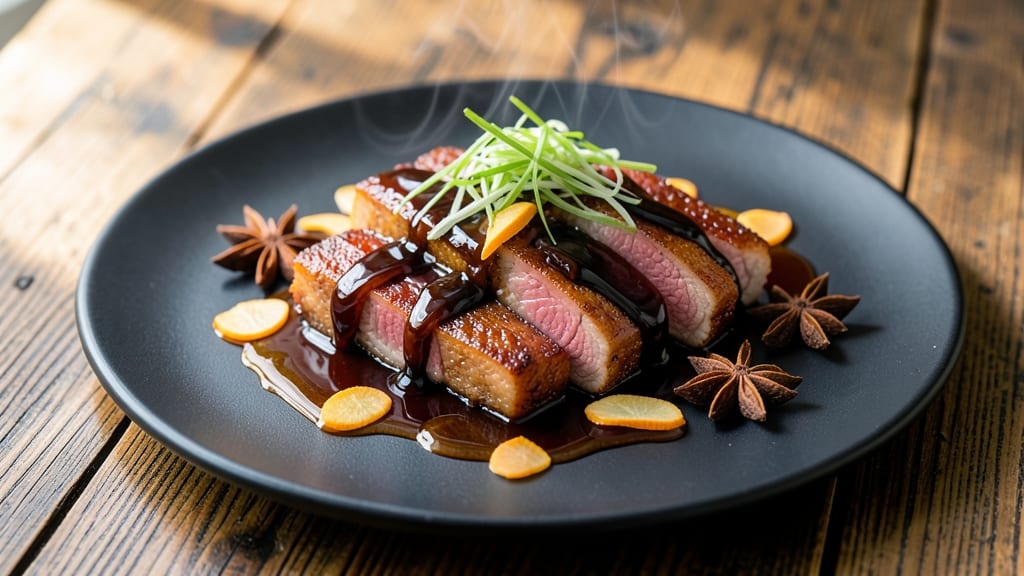
This Asian beef tongue recipe transforms tough, fibrous meat into melt-in-your-mouth bites with a silky texture and bold, aromatic flavors. The secret lies in slow cooking—simmering the tongue until it practically falls apart while absorbing a fragrant marinade of soy sauce, garlic, ginger, and star anise.
I first discovered this technique during a trip to Taiwan, where street vendors served it skewered and glazed with a sweet-savory sauce.
The process begins with a 24-hour marinade to tenderize the meat, followed by 3 hours of gentle simmering in a flavorful broth. This slow cooking breaks down collagen, turning the tongue into a tender, velvety experience that contrasts beautifully with crisp pickled vegetables or steamed jasmine rice.
The key is patience—rushing this dish results in chewy, disappointing bites, but when done right, it’s a showstopper for any meal.
What makes this recipe special is how it balances rich, umami flavors with bright, tangy accompaniments. The finished tongue should be glossy, caramelized, and infused with the essence of the marinade, while the pickled vegetables add a refreshing crunch.
Serve it sliced thinly on skewers, in lettuce cups, or as part of a larger Asian-inspired feast—it’s equally impressive for weeknight dinners or special occasions.
Once you master this technique, you’ll never buy pre-cooked beef tongue again. The foolproof method ensures perfect results every time, and the leftovers reheat beautifully for quick lunches. Whether you’re exploring Asian cuisine or simply craving a unique, protein-rich dish, this recipe delivers restaurant-quality flavor at home.
Ingredients for asian beef tongue
Transform tough beef tongue into velvety bites with these aromatic, umami-rich ingredients—each playing a precise role in the slow-cooked magic.
| Ingredient | Amount | Notes |
|---|---|---|
| Beef Tongue (Fresh, Whole) 🥩 | 3 lb | Cleaned, trimmed of fat |
| Light Soy Sauce 🥄 | ½ cup | Kikkoman preferred for balance |
| Dark Soy Sauce 🥄 | ¼ cup | For depth of flavor |
| Garlic Cloves 🧄 | 8 cloves | Peeled, smashed for marinade |
| Fresh Ginger 🌿 | ¼ cup | Grated, juicy variety |
| Star Anise Pods 🌟 | 3 whole | Whole, for aromatic infusion |
| Cinnamon Sticks 🌿 | 2 whole | For subtle warmth |
| Brown Sugar 🍚 | ½ cup | Packed, for caramelization |
| Sesame Oil 🫒 | 1 tbsp | Toasted, for aroma |
| Green Onions 🧅 | ¼ cup | Sliced, for garnish |
| Vegetable Oil 🫒 | 2 tbsp | High smoke point for searing |
| Water 💧 | 4 cups | For simmering broth |
| Salt 🧂 | 1 ½ tsp | Diamond Crystal preferred |
| Black Peppercorns 🌶️ | 1 tsp | Crushed, for depth |
| Rice Vinegar 🍶 | 1 tbsp | For finishing glaze |
The beef tongue is the star, and quality matters most here. Look for fresh, plump tongues with a vibrant pink hue—avoid any with grayish spots or strong odors. Whole Foods or specialty butchers often carry the best cuts, though most grocery stores stock them too. The key is to buy within 24 hours of cooking—freshness ensures optimal tenderness. For the marinade, Kikkoman soy sauce provides the perfect balance of salt and umami, while star anise and cinnamon add complexity that transforms this into a restaurant-worthy dish. If you can't find fresh star anise, ground anise at half the amount works in a pinch, though the flavor will be less pronounced.
Substitutions are possible, but each swap alters the final texture and depth. No soy sauce? Coconut aminos or tamari work, though the flavor profile shifts slightly. Fresh ginger losing its punch? Powdered ginger at one-third the amount suffices, though it lacks the same bright zing. For the brown sugar, coconut sugar or honey (if not vegan) can be used, but they may caramelize differently. The sesame oil is non-negotiable for aroma—toasted sesame seeds sprinkled at the end can't replicate its depth. If you're short on time, pre-sliced ginger from the produce section works, but it releases moisture faster, so drain it well before using. The green onions are purely decorative, so scallions or chives will do in a pinch.
This recipe rewards patience—the marinade must sit 24 hours uncovered in the fridge for optimal tenderness. Store the raw tongue and marinade together in a sealed container. Once cooked, the tongue keeps 5 days refrigerated or 3 months frozen in airtight containers. For reheating, simmer in fresh broth for 10 minutes to restore moisture. The finished tongue is best served at room temperature, so plan ahead. Leftover marinade? Strain and reduce it for a quick glaze—freeze in ice cube trays for future use. The pickled vegetables (if made) keep 2 weeks refrigerated, though their crunch diminishes after a week.
Why You'll Love This Recipe
- Few Ingredients, Big Payoff: Honestly, I was skeptical at first—just soy sauces, ginger, and garlic? But that’s all it takes. The beef tongue soaks up the flavors like a sponge, turning into something rich and tender with almost no effort.
- Umami Bomb: Between us, the dark soy sauce caramelizes into this deep, glossy crust while the light soy keeps it balanced. That first bite? The crispy exterior gives way to melt-in-your-mouth texture, and the garlic-ginger punch hits like a flavor grenade.
- Meal Prep MVP: I make a whole tongue on Sunday, slice it, and it lasts me all week. Toss it in rice bowls, noodles, or even sandwiches—it’s the ultimate lazy lunch fix. (Yes, even on a Tuesday night.)
- Budget Stretch Star: A single beef tongue feeds four people, and the ingredients cost pennies. I’ve used it for potlucks, family dinners, and even packed it for work—no one ever guesses how cheaply I fed them.
Step-by-step instructions for silky-textured Asian beef tongue
Transform tough beef tongue into tender, flavorful bites through precise technique and aromatic infusion.
Prepare the Beef Tongue for Cooking
Begin by thoroughly rinsing the 3 lb beef tongue under cold water to remove any surface impurities. Place it in a large pot and cover with cold water by 2 inches. Add the 1.5 tsp salt and bring to a boil over high heat. Once boiling, reduce heat to medium-low and simmer for 2 hours, skimming off any foam that rises to the surface. This initial cooking process helps tenderize the meat and removes any blood or impurities.
After 2 hours, drain the water and rinse the tongue again under cold water. This step is crucial for removing any residual blood and preparing the surface for marinating. Pat the tongue completely dry with paper towels, then place it on a cutting board. Using a sharp knife, carefully trim away any remaining fat or connective tissue. The tongue should now be clean and ready for the marinade.
Create the Aromatic Marinade
In a small saucepan, combine the 4 cups water, 0.5 cup light soy sauce, 0.25 cup dark soy sauce, 0.5 cup packed brown sugar, 3 whole star anise pods, 2 whole cinnamon sticks, 8 smashed garlic cloves, and 0.25 cup grated fresh ginger. Bring to a gentle simmer over medium heat and let it reduce by half, about 15-20 minutes. This reduction creates a concentrated flavor base that will deeply penetrate the beef tongue.
While the marinade reduces, crush the 1 tsp black peppercorns in a mortar and pestle or with the flat side of a knife. Once the marinade has reduced, remove the star anise and cinnamon sticks. Stir in the crushed black peppercorns and 1 tbsp toasted sesame oil. Let the marinade cool to room temperature before using.
Marinate and Simmer the Beef Tongue
Place the prepared beef tongue in a large resealable plastic bag or a shallow dish. Pour the cooled marinade over the tongue, ensuring it's completely coated. Seal the bag or cover the dish and refrigerate for 4-6 hours, or preferably overnight. This extended marinating time allows the flavors to deeply infuse the meat and helps break down any remaining connective tissue.
After marinating, preheat your oven to 325°F. Transfer the marinated beef tongue to a baking dish and pour any remaining marinade over the top. Cover the dish tightly with aluminum foil and place it in the preheated oven. Bake for 3 hours, or until the internal temperature reaches 165°F and the tongue is fork-tender. This slow cooking method ensures the meat becomes silky and easy to slice.
Slice and Finish the Beef Tongue
Remove the beef tongue from the oven and let it rest for 15 minutes before handling. Using a sharp knife, carefully slice the tongue into ¼-inch thick pieces. Arrange the slices on a serving platter and drizzle with any remaining cooking juices from the baking dish. The slices should be tender and easily fork-tender, with a beautiful mahogany color from the dark soy sauce.
To finish, heat 2 tbsp vegetable oil in a small skillet over medium heat. Add the sliced green onions and sauté for 1-2 minutes until just wilted. Drizzle the hot green onions and 1 tbsp rice vinegar over the beef tongue slices. The vinegar adds a bright, finishing touch that balances the rich, savory flavors of the marinade. Serve immediately while still warm for the best texture and flavor experience.
Pro Tips For Making Asian Beef Tongue
- BLANCH FIRST, SIMMER LONG: I learned this the hard way—skipping the initial 30-minute simmer in water with a splash of vinegar or baking soda makes the tongue tough as boot leather. After that, drop it into the soy-ginger broth and let it cook low and slow (2–3 hours) until it’s fork-tender. No shortcuts here; patience is your friend.
- PEEL THAT SKIN NOW: Fresh beef tongue has a thick, inedible skin that’s a pain to remove after cooking. Score it in a crosshatch pattern, then simmer it in water with a pinch of salt for 10 minutes before peeling—it’ll slide off like butter. (Yes, even if you’re impatient like me.) Save yourself the post-cooking struggle.
- DON’T CROWD THE PAN: When searing the tongue in oil with garlic and ginger, give it space. A crowded pan steams instead of browns, and you’ll end up with a dull, grayish crust instead of that caramelized glaze we’re after. Work in batches if needed—your future self will thank you for the extra effort.
- USE DARK SOY FOR COLOR: Light soy adds flavor, but dark soy sauce is your secret weapon for that glossy, restaurant-worthy finish. Toss the tongue in a mix of both (about 2 tablespoons each) after the initial simmer, then let it sit for 10 minutes before slicing. The color deepens instantly, and the taste? Richer than you’d expect.
Wine and beer pairings for these flavors
Red Wine Pairings
For this rich, umami-packed dish, I reach for a medium-bodied red wine like Pinot Noir from Oregon or Gewürztraminer from Alsace. The earthy notes of Pinot Noir complement the beef's deep flavors without overpowering the aromatic marinade.
A 2018 Pinot Noir from Willamette Valley offers perfect balance with its cherry and spice undertones that echo the star anise and cinnamon in the recipe. 🍷
Rosé Wine Options
If you prefer white or lighter wines, a dry rosé with citrus and mineral notes works beautifully. I love Provence-style rosé from France—its crisp acidity cuts through the richness while enhancing the soy sauce's umami.
Look for Whispering Angel or Château d'Esclans for a reliable, crowd-pleasing choice. The bright berry and floral hints in these rosés mirror the ginger and garlic in the marinade.
Asian-Inspired Beer Pairings
For beer lovers, a light lager like Asahi Super Dry or Sapporo provides the perfect clean slate to let the beef tongue shine. The subtle hop bitterness balances the dish's sweet-savory profile.
If you want something bolder, try a Japanese hoppy IPA like Sapporo Black Label—its citrusy, piney notes complement the star anise and sesame oil beautifully. 🍺
Non-Alcoholic Options
Don’t drink alcohol? A sparkling yuzu soda or ginger beer adds refreshing acidity to contrast the dish’s richness. For a more substantial pairing, jasmine green tea with a splash of rice vinegar enhances the umami flavors without overpowering them.
The floral notes in jasmine tea echo the ginger and garlic in the marinade, creating harmony on the palate.
Serving Temperature Tips
Serve your wine or beer lightly chilled (around 50-55°F for reds, 40-45°F for whites/rosés). The cool temperature prevents the alcohol from overwhelming the dish’s delicate flavors. For beer, room temperature works best—too cold dulls the hoppy notes.
I always pour a glass 10 minutes before serving to let it breathe and reach the ideal temperature. ✨
Nutrition facts
Frequently asked questions
Why does beef tongue need such a long marinating time?
The 24-hour marinade is essential for breaking down collagen in the tough connective tissue. The acidity from soy sauce and ginger, combined with the aromatic spices, penetrates deep into the meat, creating that signature silky texture we all love. Skipping this step results in chewy, unsatisfying bites—worth the wait!
Can I use pre-cooked beef tongue from the store?
While possible, fresh beef tongue yields far superior results. Store-bought versions often contain preservatives that alter texture and flavor. If you must use pre-cooked, extend the simmering time to 4-5 hours and double the marinade ingredients to compensate for the lack of initial tenderizing.
What's the best way to slice beef tongue for serving?
Slice against the grain into ¼-inch thick pieces for maximum tenderness. Use a sharp chef's knife and work carefully—beef tongue should separate easily after proper cooking. For skewers, cut into ½-inch cubes and thread onto bamboo sticks for that classic Asian street food presentation.
How do I store and reheat leftovers?
Store cooked beef tongue in an airtight container for up to 5 days refrigerated or 3 months frozen. To reheat, simmer in fresh broth for 10 minutes or microwave for 1-2 minutes with a splash of water to restore moisture. Never reheat dry—this makes the meat tough again!
What are the best sides to serve with this dish?
Pair with pickled vegetables (like daikon and carrots) for crunch, or serve over steamed jasmine rice to soak up the flavorful juices. For a complete meal, add stir-fried bok choy or a simple cucumber salad with sesame dressing. The contrast of textures makes every bite more satisfying!