
Main Courses
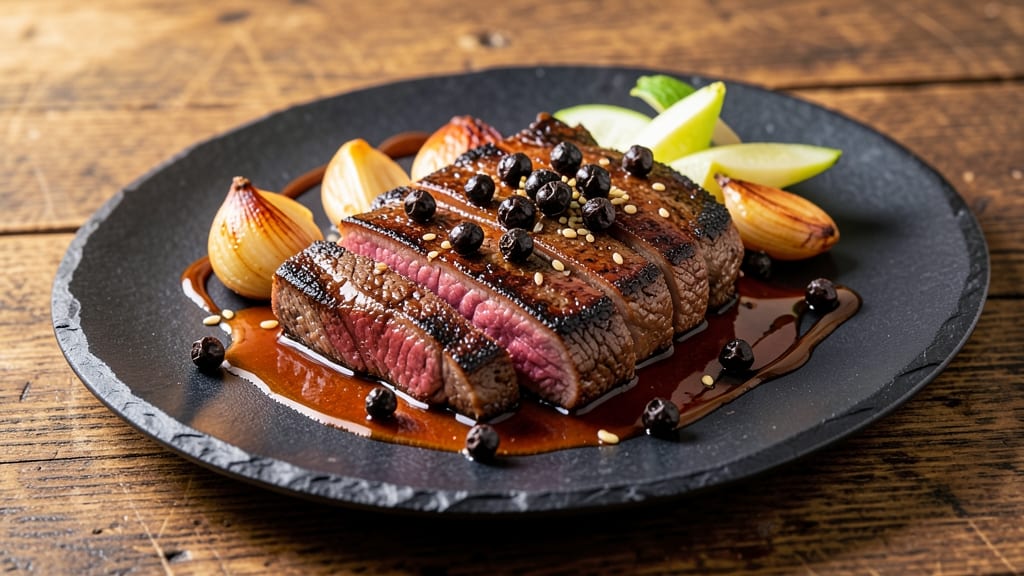
This Asian black pepper beef recipe delivers restaurant-quality smoky, umami-packed bites with a bold crunch that elevates any meal. 🔥 The secret lies in wok-searing tender beef strips with toasted black peppercorns, creating a perfect balance of heat and depth that transforms simple ingredients into something extraordinary.
What sets this dish apart is the caramelized crust from high-heat cooking, paired with a savory-sweet sauce that ties every element together.
The recipe combines traditional stir-frying techniques with modern shortcuts—like using a high-heat wok or air fryer—to achieve that signature smoky aroma and tender texture in just 20 minutes.
You'll start with marinated beef strips that develop rich flavors while searing, then toss them in a quick sauce made with soy, honey, and a touch of chili for brightness. The result? A dish that's foolproof yet impressive, perfect for weeknight dinners or special occasions.
By the time you plate this dish, you'll have juicy beef bites with crispy edges, coated in a glossy sauce that glistens under the light. The black pepper adds a subtle kick and aromatic depth, while the umami from soy and garlic creates layers of flavor that linger.
Serve it over steamed rice or noodles for a complete meal that feels both comforting and exciting.
This recipe is designed to be versatile—adjust the spice level to your taste, swap in different vegetables, or even use leftover beef for sandwiches or salads. The key is in the technique: high heat, quick cooking, and a well-balanced sauce.
Let's get started on creating a dish that tastes like a night out at your favorite Asian bistro.
Ingredients for asian black pepper beef
Restaurant-quality wok-seared beef with smoky black pepper and umami-packed sauce—just 14 ingredients, big flavors.
| Ingredient | Amount | Notes |
|---|---|---|
| Flank Steak 🥩 | 1 lb | Thinly sliced against grain |
| Black Peppercorns 🌶️ | 2 tbsp | Whole, toasted lightly |
| Soy Sauce 🥢 | ½ cup | High-quality, preferably Japanese |
| Honey 🍯 | 2 tbsp | Pure, for sweetness balance |
| Garlic Cloves 🧄 | 6 cloves | Minced finely for depth |
| Ginger Root 🌿 | 1 tbsp | Freshly grated, aromatic |
| Sesame Oil 🫒 | 1 tbsp | Toasted, for nutty aroma |
| Red Chili Flakes 🔥 | 1 tsp | Adjust for heat preference |
| Neutral Oil 🫒 | 2 tbsp | Avocado or vegetable oil |
| Green Onions 🧅 | 3 whole | Thinly sliced, for garnish |
| Sesame Seeds 🌾 | 1 tbsp | Toasted, for crunch |
| Salt 🧂 | 1 tsp | Kosher or sea salt |
| Cornstarch 🌾 | 1 tbsp | For tenderizing beef |
| Rice Vinegar 🍶 | 1 tbsp | For brightness in sauce |
The flank steak is non-negotiable here—it's lean enough to sear quickly but tender when sliced thin. Look for well-marbled cuts at Whole Foods or your local butcher; Costco often has pre-sliced options if you're short on time. Slice it against the grain for maximum tenderness—1/4-inch thickness is ideal. Freshly toasted black peppercorns (lightly dry-toasted in a pan for 30 seconds) add that signature smoky aroma that store-bought ground pepper can't match. If you can't find whole peppercorns, crush them yourself—it makes all the difference.
No soy sauce? Coconut aminos or tamari work in a pinch, though the flavor will be slightly different. The honey can be swapped for maple syrup or agave, but it won't caramelize the same way. For extra depth, add a splash of fish sauce (if not avoiding it) or more ginger—it's the secret weapon in many Asian sauces. The cornstarch is key for tenderizing; don't skip it. If you're using pre-sliced beef, pat it very dry before cooking to get that perfect crust. And for the chili flakes, go easy at first—you can always add more, but you can't take it out.
Marinate the beef for at least 30 minutes (overnight is best) to maximize flavor. Store any leftovers in an airtight container in the fridge for 3-4 days—it reheats beautifully. For a quick meal prep hack, freeze portions in single-serving containers; just thaw and reheat in a pan. The sauce keeps for 1 week in the fridge if stored separately. Garnish with toasted sesame seeds right before serving—they add that satisfying crunch that makes this dish feel special.
Why You'll Love This Recipe
- Pantry-Friendly Magic: I swear by this one—no fancy ingredients, just soy sauce, honey, and a handful of peppercorns. Honestly, the flavor is so bold you’d never guess it’s this unfussy.
- Sweet-Savory Balance: That honey-soy glaze? It’s the star—caramelized edges on tender beef with just a kick of pepper. I’ll be real: my kids fight over the last bite.
- Weeknight & Wrap Hero: Slice it thin for rice bowls, stuff it in tortillas, or serve it over noodles. Between us, I’ve fed a dinner party and a lazy Sunday brunch with the same leftovers.
- Budget Meal Multiplier: A single flank steak stretches across three meals—marinate half, cook half, and freeze the rest. Twenty bucks buys me a week of meals that don’t taste like takeout.
Step-by-step instructions for Asian black pepper beef
Here's how to transform simple ingredients into restaurant-quality wok-seared beef with deep umami and smoky crunch.
🔪 Step 1: Prep the Beef with Cornstarch Marinade
Slice the 1 lb flank steak thinly against the grain into ¼-inch strips—this ensures tender bites. Pat dry completely with paper towels, then place in a bowl. Add the 1 tbsp cornstarch and toss until evenly coated, shaking off any excess. The cornstarch creates a crispy crust while tenderizing the meat.
Here's the thing—cornstarch works better than flour for this technique. It creates a thicker, more stable crust that caramelizes beautifully in the wok. Let the coated beef sit for 10 minutes at room temperature before cooking. This resting period helps the cornstarch adhere properly and prevents the beef from shrinking dramatically in the hot wok.
🍳 Step 2: Toast Spices and Build the Flavor Base
Heat a dry skillet over medium heat and add the 2 tbsp black peppercorns. Toast for 2-3 minutes until fragrant and slightly darkened—this releases their essential oils. Immediately transfer to a bowl and crush lightly with a mortar and pestle (or roll a heavy pan over them). You want a coarse powder, not fine dust.
In the same skillet, add 2 tbsp neutral oil and heat until shimmering. Add the 6 minced garlic cloves and 1 tbsp freshly grated ginger root, cooking for 30 seconds until fragrant but not browned. Add the toasted peppercorns, 1 tsp red chili flakes, and 1 tsp salt, stirring constantly for 10 seconds to bloom all the flavors. This aromatic base is the soul of your dish—don't rush it.
🔥 Step 3: Wok-Sear the Beef in Batches
Working in batches to avoid crowding, add the cornstarch-coated beef to the hot skillet. Cook undisturbed for 1-2 minutes until deep golden brown on one side—this creates the perfect crust. Flip and cook another 1-2 minutes until the second side is similarly caramelized. The beef should be 80-85% cooked at this point but still slightly pink inside.
Real talk: Don't walk away. The beef cooks fast and can go from perfect to overdone in seconds. You'll know it's ready when the edges are deep golden brown and the beef releases easily from the pan. Transfer cooked beef to a plate and tent loosely with foil to keep warm.
🥘 Step 4: Create the Sweet-Savory Sauce
Return the skillet to medium heat and add 1 tbsp sesame oil. Pour in the 0.5 cup soy sauce and 2 tbsp honey, scraping up any browned bits from the bottom. Let it simmer for 2-3 minutes until slightly reduced and syrupy. Add the 1 tbsp rice vinegar and simmer another 30 seconds—this brightens the sauce and balances the richness.
The sauce should coat the back of a spoon but still be pourable. If it's too thick, add 1-2 tablespoons hot water to reach your desired consistency. Here's where the magic happens: the vinegar cuts through the sweetness while the honey adds depth that complements the smoky beef.
🍽️ Step 5: Finish and Serve with Crunchy Garnishes
Return all the beef to the skillet and toss to coat thoroughly in the sauce. Cook for 1-2 minutes until everything is evenly glazed and heated through. The internal temperature should reach 145°F for medium-rare doneness. Transfer to a serving platter and immediately garnish with 3 thinly sliced green onions and 1 tbsp toasted sesame seeds.
Serve immediately over steamed rice or with crusty bread to soak up that glorious sauce. Each bite should deliver tender beef with a crispy exterior, smoky heat from the peppercorns, and a perfect balance of sweet, salty, and tangy flavors. The sesame seeds add that final textural crunch that makes this dish unforgettable.
Pro Tips For Making Asian Black Pepper Beef
- SEAR THE STEAK FIRST: Hit the flank steak with a screaming-hot pan for 2-3 minutes per side before adding anything else—this builds a crust that holds up to the sweet-savory sauce. I used to rush this, and the sauce would just pool instead of clinging. Trust me, the first 90 seconds are the most important.
- CRUSH PEPPERCORNS LIKE YOU MEAN IT: Use a mortar and pestle (or a heavy-bottomed pan) to grind the black peppercorns into a fine powder—no gritty bits. I learned this the hard way after biting into a peppercorn in my first attempt. A quick pulse in a spice grinder works, but it won’t release the oils the same way.
- BALANCE THE SOY AND HONEY: For every tablespoon of honey, use at least 2 tablespoons of soy sauce—otherwise, the dish turns cloyingly sweet. I was skeptical until I tried it: the acidity in the soy cuts through the honey, making the flavors sing instead of fight. Taste as you go.
- LET THE STEAK REST—REALLY: After cooking, tent the steak with foil and walk away for 5-10 minutes. Skipping this step means the juices will run out the second you slice, turning your perfect sear into a sad, dry mess. I know, I know—you’re hungry now, but your future self will thank you.
Serving suggestions for this dish
Rice Pairings
Steamed jasmine rice is my go-to base for this dish—its delicate floral aroma complements the smoky beef without overpowering it. Cook 1 cup of rice for each serving and fluff it with a fork right before plating.
For extra luxury, try forbidden black rice—its deep color and nutty flavor create a stunning visual contrast. 💫
Noodle Alternatives
Swap rice for ramen noodles or udon for a heartier meal. Cook noodles al dente, drain well, and toss them in the pan with the beef during the final step.
The noodles absorb the sauce beautifully, creating a one-bowl wonder. I love adding shredded cabbage or bok choy for extra texture and color.
Vegetable Sides
Quick-pickled cucumber slices add refreshing crunch and brightness to cut through the richness.
Toss ½ cup thinly sliced cucumbers with 1 tbsp rice vinegar, ½ tsp sugar, and a pinch of salt for 15 minutes. Steamed broccoli with a sprinkle of toasted sesame seeds also pairs perfectly—its mild sweetness balances the bold flavors.
Bread Options
Serve with garlic naan or steamed bao buns for dipping—both soak up the sauce wonderfully. For a lighter option, toast baguette slices with garlic butter and sprinkle with flaky sea salt. The warm, buttery bread contrasts beautifully with the spicy-sweet beef. 🍞
Protein Additions
Boost the meal by adding shrimp or tofu cooked in the same pan with the beef. Toss in ½ lb shrimp (peeled and deveined) during the final 2 minutes of cooking—they absorb the sauce perfectly.
For a vegetarian twist, use extra-firm tofu pressed and pan-fried until crispy before adding to the dish.
Dessert Pairings
End the meal with mango sticky rice—its tropical sweetness complements the savory beef beautifully. For something simpler, serve matcha green tea ice cream with red bean paste on the side. The earthy matcha balances the dish's richness while keeping things light. 🍧
Nutrition facts
Frequently asked questions
Can I use flank steak substitutes like sirloin or ribeye?
Yes, but with adjustments! Sirloin works well if sliced thinly against the grain, but it's leaner so it may dry out faster. Ribeye is richer but has more fat—trim excess to avoid greasiness. For best results, stick with flank steak or skirt steak, which stay tender when sliced thin and cooked quickly.
How do I adjust the spice level for sensitive eaters?
Start by reducing the red chili flakes to ½ tsp or omit them entirely. For extra mildness, swap the toasted peppercorns for white peppercorns (they're less pungent) or use ½ the amount. The honey and soy sauce already provide depth without heat, so the dish will still taste amazing.
Can I make this recipe in an air fryer instead of a wok?
Preheat your air fryer to 400°F and cook the cornstarch-coated beef in a single layer for 6-8 minutes, shaking the basket halfway. For the sauce, make it in a small saucepan and toss the beef in it after air frying. The texture will be slightly different (less wok-seared crust), but it's still delicious and more hands-off.
Why did my beef turn out tough instead of tender?
Overcooking is the most likely culprit—beef should be 80-85% cooked when searing (still slightly pink inside). Also, ensure you're slicing against the grain and using cornstarch (not flour). If your beef was thick-cut, slice it thinner next time. Finally, don't overcrowd the pan—cook in batches for even browning.
How can I add vegetables to this recipe?
Stir-fry veggies like bell peppers, bok choy, or snap peas in the same pan during the final 2 minutes of cooking. For heartier options, add broccoli or zucchini earlier when building the flavor base. Just