
Main Courses
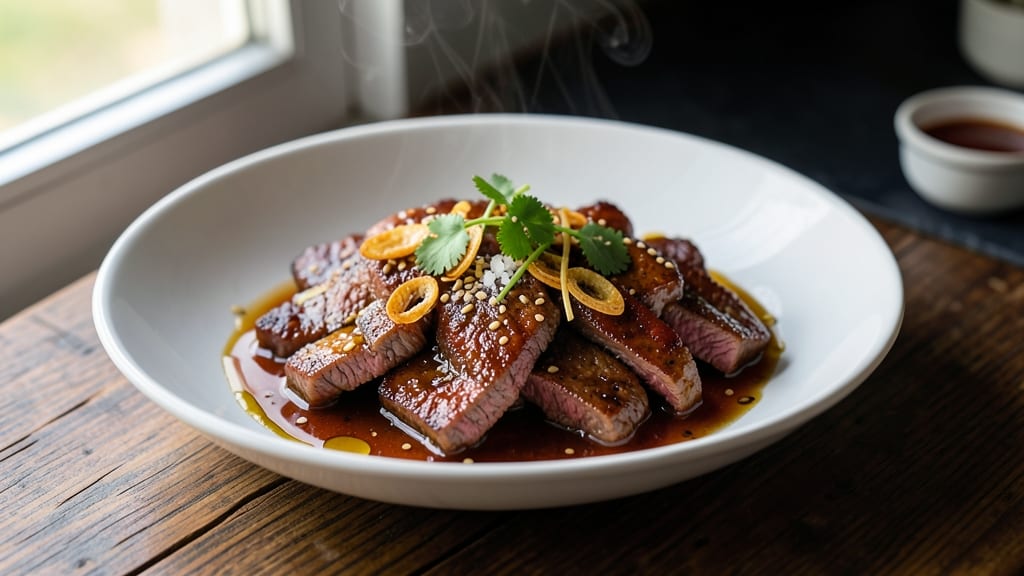
The Asian Mongolian beef recipe delivers a perfect balance of sweet, spicy, and savory flavors that cling to every tender bite. This dish transforms simple ingredients into a restaurant-quality meal with a sauce so rich it feels like it was made just for you.
The secret lies in marinating the beef overnight, allowing the flavors to penetrate deeply while keeping the meat incredibly tender. What makes this recipe special is the sauce—sweet from brown sugar and honey, with a kick from soy sauce and a touch of heat from chili flakes.
The combination creates a glossy, sticky glaze that caramelizes beautifully when seared in a hot pan. You'll start with thinly sliced beef that cooks in minutes, absorbing all the flavors without drying out. By the end, you'll have perfectly seared beef with a glossy, sweet-spiced sauce that's impossible to resist.
The dish pairs beautifully with steamed jasmine rice or noodles, soaking up every last drop of that flavorful sauce. It's the kind of meal that feels indulgent yet comes together in under 30 minutes. The best part?
This recipe is versatile enough for weeknight dinners or special occasions, and the leftovers reheat just as well as the first serving. Let's get cooking!
Ingredients for asian mongolian beef
Sweet-spiced sauce meets tender beef—here's what you need for restaurant-quality Mongolian beef.
| Ingredient | Amount | Notes |
|---|---|---|
| Flank Steak 🥩 | 1 ½ lb | Thinly sliced against grain |
| Soy Sauce 🍶 | ½ cup | High-quality, low-sodium preferred |
| Brown Sugar 🍯 | ¼ cup | Light or dark variety |
| Honey 🍯 | ¼ cup | Pure, no additives |
| Rice Vinegar 🍶 | 2 tbsp | White or seasoned |
| Sesame Oil 🫒 | 1 tbsp | Toasted for aroma |
| Garlic Cloves 🧄 | 4 cloves | Minced finely |
| Fresh Ginger 🌿 | 2 tbsp | Grated, peeled |
| Red Chili Flakes 🌶️ | 1 tsp | Adjust for heat preference |
| Vegetable Oil 🫒 | 2 tbsp | High smoke point |
| Green Onions 🧅 | ¼ cup | Sliced, for garnish |
| Sesame Seeds 🌾 | 1 tbsp | Toasted lightly |
| Salt 🧂 | 1 tsp | Kosher or sea salt |
| Black Pepper 🌶️ | ½ tsp | Freshly ground |
The flank steak is your best bet for this recipe—it's lean but tender when sliced thin against the grain. Butcher shops often cut it pre-sliced, saving you time. If you're slicing yourself, freeze the meat for 30 minutes first to make it easier. Look for good marbling—this keeps the beef juicy during cooking. Costco or Whole Foods usually carry high-quality flank steak, but even regular grocery stores stock it. For extra tenderness, consider marinating the beef overnight, which the intro suggests is key for deep flavor penetration.
No soy sauce? Coconut aminos or tamari work in a pinch, though the flavor will differ slightly. Brown sugar substitutes like maple syrup or coconut sugar add depth, but the texture won't be identical. The honey should be pure—avoid those cheap, additive-filled versions. Trader Joe's and Whole Foods carry excellent options. Fresh ginger and garlic are non-negotiable for the best flavor, but if you're in a bind, jarred minced garlic (the good stuff, not the pre-minced kind) and powdered ginger can work. The red chili flakes? Adjust to your heat tolerance—start with half and add more if you like it spicy.
This dish reheats beautifully, but the sauce can thicken. Add a splash of water or soy sauce to loosen it up. Store leftovers in an airtight container in the fridge for up to 4 days. For longer storage, freeze the beef and sauce separately—freezes for 3 months. The sauce thickens when chilled, so give it a stir and add a little water if it seems too stiff. Garnish with toasted sesame seeds and green onions right before serving to keep everything fresh and vibrant.
Why You'll Love This Recipe
- Five-Ingredient Magic: I swear by this—just marinate the flank steak in soy sauce, brown sugar, honey, and rice vinegar for 30 minutes (or overnight if you’re fancy). No chopping, no fuss, and the flavors meld like they’ve been cooking all day.
- Sweet-Savory Balance: That caramelized glaze from the brown sugar and honey? It’s ridiculously good—sticky, tangy, and just a little bit addictive. The rice vinegar cuts through the richness, so it’s never cloying.
- Lunchbox Hero: Between us, this is my go-to for meal prep. Slice it thin, pack it with rice and veggies, and it stays fresh for days. My kids (yes, even the picky ones) actually finish their lunches.
- Budget Stretch: Flank steak is affordable, and this recipe feeds four for under $15. The sauce stretches easily, so I double it and use the extra on stir-fries or even as a glaze for chicken. No waste, all flavor.
Step-by-step instructions for Asian Mongolian beef
This method delivers perfectly sliced beef with a glossy, sweet-spiced sauce that clings to every bite.
Prep and Marinate the Flank Steak
Place the 1.5 lb flank steak between two sheets of plastic wrap and pound it to an even ¼-inch thickness using a meat mallet. This ensures even cooking and prevents tough spots. Slice the steak thinly against the grain into ¼-inch strips—you should have about 4 cups of sliced beef. Transfer the sliced beef to a large bowl.
In a separate small bowl, whisk together the 0.5 cup soy sauce, 0.25 cup brown sugar, 0.25 cup honey, 2 tbsp rice vinegar, 1 tbsp sesame oil, 1 tsp red chili flakes, 1 tsp salt, and 0.5 tsp black pepper. Pour this marinade over the sliced beef and toss gently to coat evenly. Cover the bowl and refrigerate for at least 30 minutes (up to 4 hours for deeper flavor). The longer it marinates, the more tender and flavorful the beef will become.
Cook the Aromatics and Build the Sauce
Heat 2 tbsp vegetable oil in a large skillet over medium-high heat until shimmering. Add the 4 minced garlic cloves and 2 tbsp grated fresh ginger, cooking for 30-45 seconds until fragrant but not browned—this prevents bitterness. Remove the aromatics with a slotted spoon and set aside for garnish.
Return the skillet to medium heat and add the marinated beef in a single layer, spreading it out evenly. Cook undisturbed for 2-3 minutes until the beef develops a golden crust on the bottom. Stir gently and cook for another 1-2 minutes until the beef is cooked through but still tender. Remove the beef from the skillet and set aside.
Simmer the Sauce to Perfection
Pour the reserved marinade into the same skillet, scraping up any browned bits from the bottom with a wooden spoon. Bring the mixture to a gentle simmer over medium heat, then reduce heat to low and let it cook for 5-7 minutes until the sauce thickens slightly and coats the back of a spoon. If the sauce becomes too thick, add 1-2 tablespoons of water to loosen it.
Return the beef to the skillet and toss gently to coat evenly in the sauce. Cook for an additional 1-2 minutes until the sauce clings to the beef and everything is heated through. The sauce should be glossy and slightly sticky, with a balance of sweet, savory, and spicy flavors.
Finish and Serve
Transfer the beef to a serving platter and sprinkle with 0.25 cup sliced green onions and 1 tbsp toasted sesame seeds. Garnish with the reserved garlic and ginger for extra aroma. Serve immediately over steamed rice or noodles, ensuring the sauce coats every bite.
For the best results, serve the beef while it’s hot, as the sauce will thicken further as it cools. The dish should have a perfect balance of tender beef, sweet-spiced sauce, and a touch of heat from the chili flakes. Enjoy the rich, umami-packed flavors of this classic Asian Mongolian beef!
Pro Tips For Making Asian Mongolian Beef
- Slice Against the Grain: Flank steak’s tough fibers need a knife—not a butcher’s cleaver. Cut it into ¼-inch thick strips perpendicular to the grain, or you’ll end up chewing for 10 minutes instead of 30 seconds. (Yes, even if it looks messy—trust me.)
- Deglaze Immediately: As soon as the beef hits the pan, it’ll release caramelized bits. Don’t wait—scrape every last drop with a wooden spoon and pour in the soy sauce right away. That’s where the real flavor lives, not in the leftover sludge at the bottom.
- Balance the Sweet-Savory Ratio: Brown sugar and honey are your friends, but dump too much and you’ll drown the beef in syrup. Start with 1 tablespoon each, then taste as you go—you want the glaze to coat the meat, not pool underneath it like a sad puddle.
- Rest the Meat Before Slicing: Flank steak loves its nap. As soon as it’s cooked, transfer it to a plate and tent it with foil for 5 minutes. Slice it cold, and the fibers will stay tender instead of turning to rubber. (I learned this after serving a plate of chewy, sad beef—don’t ask.)
Creative variations of these flavors
Sweet & Spicy Fusion
Add 1 tbsp sriracha or 1 tsp gochujang paste to the marinade for extra heat and depth. This Korean-inspired twist works beautifully with the sweet-savory profile. I like to balance it with 1 tsp honey extra to keep the flavors harmonious. 🌶️
Honey-Glazed Caramelization
For a richer sauce, replace half the honey with ¼ cup maple syrup and add 1 tbsp butter> at the end of cooking. This creates a deeper caramelized flavor that clings to the beef like a glossy glaze. The butter adds a luxurious texture that feels restaurant-worthy.
Ginger-Garlic Boost
Double the ginger to 4 tbsp grated> and add 1 tbsp minced scallions> to the marinade for a more aromatic profile. This variation is inspired by Chinese takeout flavors and adds freshness that cuts through the richness.
I find it pairs especially well with steamed bok choy as a side.
Sesame Crust Finish
For extra texture, toss the cooked beef with 2 tbsp toasted sesame seeds> and 1 tbsp crushed peanuts> before serving. This adds a satisfying crunch that contrasts perfectly with the tender beef. The peanuts also introduce a nutty dimension that complements the sweet-spicy sauce.
Vegetable-Packed Version
Stir-fry 1 cup sliced bell peppers> and 1 cup shredded cabbage> with the beef during the final cooking stage. These vegetables absorb the sauce beautifully and add freshness. I recommend using red bell peppers> for their natural sweetness that enhances the dish's overall balance.
Slow-Cooked Option
For a hands-off approach, marinate the beef as directed, then transfer everything to a slow cooker. Cook on low for 4-5 hours>, stirring occasionally, until the beef is tender and the sauce has thickened.
This method is perfect for busy weeknights and results in fall-off-the-bone tender beef with an even more concentrated sauce.
Nutrition facts
Frequently asked questions
Can I use a different cut of beef instead of flank steak?
Yes! Sirloin or ribeye work well too, but they're slightly fattier. For leaner options, try top round or chuck roast (sliced thinly). The key is slicing against the grain to ¼-inch thickness—this ensures tenderness regardless of cut. Avoid tough cuts like flank steak's cheaper cousin, skirt steak, as it can become chewy if overcooked.
How do I adjust the sweetness or spice level?
For less sweetness, reduce honey to 2 tbsp and brown sugar to 2 tbsp. For more heat, add ½ tsp extra chili flakes or 1 tsp sriracha to the sauce. If you prefer a tangier profile, increase rice vinegar to 3 tbsp. Always taste as you go—sauces are easy to adjust!
Can I make this recipe in a slow cooker?
Marinate the beef as directed, then transfer everything (including sauce) to a slow cooker. Cook on low for 4-5 hours, stirring occasionally. The beef will become fall-off-the-bone tender, and the sauce will thicken naturally. For extra shine, finish with 1 tsp cornstarch mixed with water.
Why is my sauce too thin or too thick?
If too thin, simmer uncovered for 2-3 extra minutes to reduce. For thick sauce, add 1-2 tbsp water or rice vinegar while heating. The ideal consistency coats the back of a spoon but remains glossy. Pro tip: Use a non-stick skillet to prevent sticking, which can make sauces seem thinner than they are.
What's the best way to reheat leftovers?
Gently reheat in a skillet over low heat with 1 tbsp water or broth to prevent drying. Avoid microwaving—it makes the sauce watery. For extra flavor, add ½ tsp soy sauce or a pinch of sugar while reheating. Store leftovers in an airtight container for up to 4 days.