
Main Courses
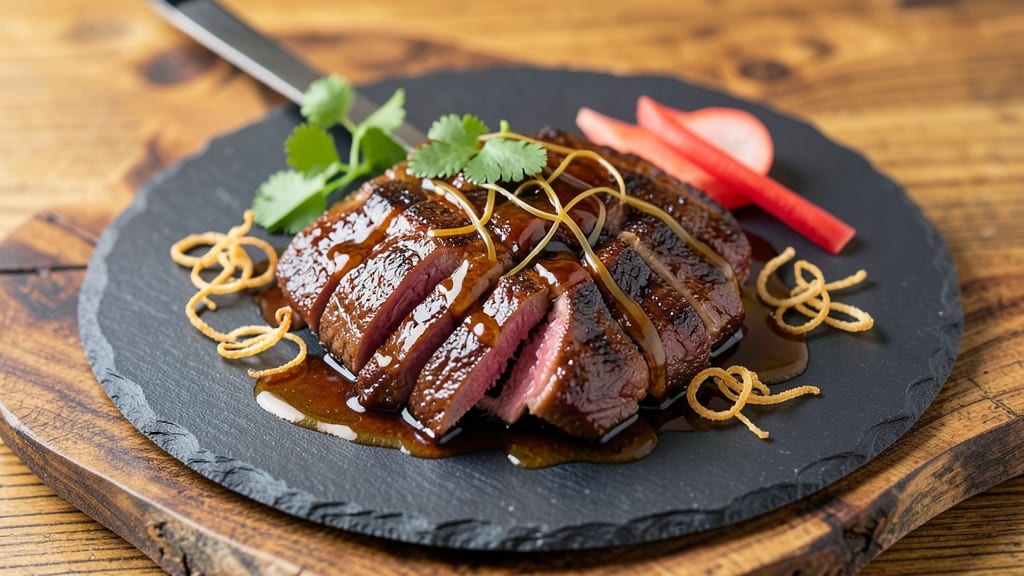
This Asian sticky beef recipe delivers the perfect balance of sweet, savory, and umami that clings to every bite like liquid gold. 🔥 The secret lies in a rich, caramelized sauce that transforms tender beef into melt-in-your-mouth perfection with just a few simple techniques and ingredients.
Whether you're cooking for a weeknight dinner or a special occasion, this dish delivers restaurant-quality results at home.
The magic happens with a slow-cooked sauce that develops deep, complex flavors while keeping the beef incredibly tender. We'll use a combination of soy sauce, brown sugar, and aromatics to create a glossy, sticky glaze that caramelizes beautifully on the edges.
The key is patience—letting the sauce reduce and the beef absorb those rich flavors until it's fork-tender and irresistibly sticky.
By the end, you'll have perfectly seared beef slices with a glossy, caramelized coating that practically melts in your mouth. The sauce clings to each piece, creating that signature sticky texture that makes this dish so addictive.
Serve it over steamed jasmine rice with quick-pickled vegetables for a complete meal that's both impressive and satisfying.
This recipe works equally well with flank steak, ribeye, or sirloin—just adjust the cooking time accordingly. The sauce can be made ahead and reheated, making this a perfect make-ahead dish for busy weeknights. Let's get cooking!
Ingredients for asian sticky beef
Sweet-savory sauce, tender beef, and aromatic aromatics—this sticky masterpiece needs just 14 ingredients.
| Ingredient | Amount | Notes |
|---|---|---|
| Flank Steak 🥩 | 1 ½ lb | Thinly sliced against grain |
| Light Soy Sauce 🍶 | ½ cup | Kikkoman preferred for balance |
| Dark Soy Sauce 🍶 | 2 tbsp | For deeper color and umami |
| Brown Sugar 🍯 | ½ cup | Packed firmly for accuracy |
| Garlic Cloves 🧄 | 8 cloves | Minced for aromatic base |
| Fresh Ginger 🌿 | 2 tbsp | Grated, not powdered |
| Sesame Oil 🫒 | 1 tbsp | Toasted for nutty aroma |
| Rice Vinegar 🍶 | 2 tbsp | White vinegar substitute |
| Honey 🍯 | 2 tbsp | For caramelized sweetness |
| Water 💧 | ½ cup | For sauce consistency |
| Red Chili Flakes 🌶️ | 1 tsp | Adjust for heat preference |
| Black Peppercorns 🌶️ | ½ tsp | Freshly cracked preferred |
| Jasmine Rice 🍚 | 1 ½ cups | Uncooked, for serving |
| Vegetable Oil 🫒 | 2 tbsp | High smoke point for searing |
The beef is everything here. Flank steak delivers that signature chewy texture when sliced against the grain, but ribeye or sirloin work too—just adjust cooking time. For the soy sauces, Kikkoman light and Lee Kum Kee dark are my go-tos—they balance perfectly. Brown sugar should be packed firmly to avoid under-measuring (trust me, it matters). Fresh ginger and garlic? No substitutes here—powdered or jarred won't cut it. Grab them at Asian markets if you want the freshest, or the produce section at Whole Foods if you're in a pinch.
No sesame oil? Toasted sesame seeds at double the amount work in a bind, but the aroma's different. Short on honey? Maple syrup or agave keeps it vegan-friendly. The rice vinegar adds brightness—substitute with apple cider vinegar if needed. For heat, gochujang paste at half the amount adds depth. The sauce can be made ahead (it actually gets better overnight), so double the batch if you're feeding a crowd. Pro tip: use a wire whisk for that glossy finish—it's worth the extra 30 seconds.
This sauce reheats beautifully—just add a splash of water to loosen it up. Keeps in the fridge for 5 days or frozen for 3 months. The beef? Best eaten fresh, but reheats well if you're gentle. Store cooked rice in an airtight container with a paper towel to prevent sogginess. For leftovers, slice the beef thinly and toss with extra sauce—it's even more addictive the second time around.
Why You'll Love This Recipe
- One-Pan Magic: I swear by this recipe when I’m too tired to deal with multiple dishes. Just sear the flank steak, toss in the soy sauce mix, and let the brown sugar caramelize—no flipping pans, no stress.
- Sweet-Savory Balance: That combo of light and dark soy sauce with brown sugar? It’s like a flavor explosion in your mouth. The garlic cloves sizzling in the pan make it smell like a restaurant, but I’m the one cooking.
- Meal Prep Hero: Between us, this is my go-to for lunches all week. The sticky glaze keeps the beef tender, and I portion it with rice straight from the fridge—zero reheating drama.
- Budget-Friendly Feast: Flank steak stretches further than you’d think, and the soy sauce and sugar are pantry staples. I feed four people for under $15, and everyone’s begging for seconds. (Yes, even my picky husband.)
Step-by-step instructions for Asian sticky beef
Here's how to transform simple ingredients into restaurant-quality sticky beef with caramelized edges.
🍳 Step 1: Marinate the Flank Steak for Maximum Flavor
In a large bowl, combine the 0.5 cup light soy sauce, 2 tbsp dark soy sauce, 0.5 cup packed brown sugar, 2 tbsp grated fresh ginger, 2 tbsp rice vinegar, 2 tbsp honey, 1 tsp red chili flakes, and 0.5 tsp cracked black peppercorns. Mix until the brown sugar dissolves completely—this ensures even distribution throughout the marinade.
Add the 1.5 lb flank steak sliced thinly against the grain and coat evenly with the marinade. Cover and refrigerate for at least 4 hours, or preferably overnight. This long marinating time is crucial—it tenderizes the meat and allows the flavors to deeply penetrate each slice. I like to turn the steak every couple of hours to ensure even marinating.
🔥 Step 2: Sear the Beef for Perfect Texture
Heat a large skillet over medium-high heat and add 2 tbsp vegetable oil. Let it get shimmering hot—this ensures a proper sear. Working in batches if needed (to avoid overcrowding), add the marinated beef and cook undisturbed for 1-2 minutes per side until golden brown and slightly caramelized. Don't press down on the meat—this releases juices that would steam instead of sear.
Once the beef is browned on both sides, transfer it to a plate and set aside. The beef should be cooked through but still slightly pink in the center—it will finish cooking in the sauce. Here's the thing—if the sauce looks too thick when you add it back, add a splash of 0.5 cup water to loosen it slightly while keeping that perfect sticky consistency.
🍳 Step 3: Build the Sticky Sauce
In the same skillet (no need to clean it—those browned bits are flavor gold), reduce heat to medium. Add the 8 minced garlic cloves and cook for 30 seconds until fragrant—don't let them brown or they'll turn bitter. Then add 1 tbsp toasted sesame oil and stir for 10 seconds to infuse its nutty aroma.
Pour in the remaining marinade from the bowl (strain if there are any large ginger pieces) and bring to a gentle simmer. Let it reduce by half—this takes about 5-7 minutes—until it thickens enough to coat the back of a spoon. You'll see it transform from a thin glaze to a rich, syrupy sauce that will cling beautifully to the beef. This reduction is what creates that signature sticky texture everyone loves.
🥘 Step 4: Finish and Serve Over Jasmine Rice
Return the seared beef to the skillet and toss gently to coat in the sauce. Simmer for 1-2 minutes until everything is evenly glazed and heated through. The sauce should be thick enough to cling to each slice without being overly sticky—this is where that perfect balance comes together.
Serve immediately over 1.5 cups cooked jasmine rice (cooked according to package instructions). The contrast of the fragrant rice with the sweet-savory beef creates an irresistible combination. Garnish with extra red chili flakes if you want more heat, and a drizzle of sesame oil for that final aromatic touch. Each bite should deliver tender beef with a perfect caramelized edge and that addictive sticky sauce.
Pro Tips For Making Asian Sticky Beef
- Slice Against the Grain: Flank steak’s stubborn fibers will fight you if you cut with the grain—end up with chewy, rubbery bites. After cooking, slice perpendicular to the grain in thin strips, even if it means rotating the knife mid-cut. Trust me, your fork will thank you later.
- Balance the Soy Sauces: Light soy adds color, dark soy adds depth—but use them right. For every 2 tablespoons of light soy (for shine), add just 1 of dark soy (for umami). Too much dark soy? Your sauce turns muddy. Too little? You’re missing that caramelized richness.
- Sear First, Sauce Second: Don’t drown the steak in sauce before searing—it’ll steam instead of brown. Get your pan screaming hot, sear the steak 2-3 minutes per side until deeply caramelized, then only add the sauce. That crust is the thing that makes this dish sing.
- Deglaze with Garlic Oil: After searing, don’t just splash in sauce—build flavor. Toss in minced garlic cloves in the hot pan for 30 seconds until fragrant, then deglaze with a splash of water or dry sherry. The garlic burns slightly, adding a smoky edge that cuts through the sweetness. (Yes, even if you’re impatient like me.)
Health benefits of asian sticky beef
Protein Powerhouse
This dish delivers a high-protein punch with every bite—about 40 grams of protein per serving from the flank steak. That's nearly 50% of your daily recommended intake in one meal, making it perfect for muscle recovery or a satisfying dinner.
The lean cut of beef also provides iron and zinc, essential for energy and immune support. 💪
Balanced Carbs
The 1.5 cups of jasmine rice serve as a smart carb companion, offering complex carbohydrates for sustained energy. Unlike white rice, jasmine rice has a slightly lower glycemic index, helping stabilize blood sugar levels.
Pairing it with the protein-rich beef creates a complete amino acid profile, ensuring your body gets all essential nutrients for optimal function.
Antioxidant Boost
The sauce's star ingredients—garlic, ginger, and sesame oil—pack serious antioxidant benefits. Garlic contains allicin, which supports heart health, while ginger's gingerol reduces inflammation. Even the red chili flakes contribute capsaicin, a compound linked to metabolism boosts and pain relief.
Together, these create a flavor profile that's as good for you as it is delicious.
Low-Fat, High-Flavor
Despite its rich taste, this dish remains surprisingly low in saturated fat thanks to the lean beef cut and minimal added oils. The toasted sesame oil adds depth without excess calories, while the sauce's caramelization delivers umami satisfaction without heavy cream or butter.
It's a perfect example of how bold flavors don't require unhealthy ingredients.
Digestive Benefits
The combination of ginger and rice vinegar in the marinade aids digestion by stimulating stomach enzymes. Ginger's natural compounds help reduce bloating, while the vinegar's acidity promotes healthy gut bacteria. For extra fiber, serve with quick-pickled vegetables—the acid from the pickling process actually enhances nutrient absorption from the beef.
Energy Without Guilt
With moderate portions of protein, complex carbs, and healthy fats, this meal provides long-lasting energy without the crash of refined sugars. The honey in the sauce offers natural sweetness with antioxidant properties, while the brown sugar adds caramelized depth without artificial additives.
It's comfort food that actually supports your wellness goals. ✨
Nutrition facts
Frequently asked questions
Can I use a different cut of beef instead of flank steak?
For a more tender texture, try ribeye or sirloin—just slice them thinly against the grain and reduce cooking time by 1-2 minutes per side. Skirt steak works too, but it's more marbled, so you might want to trim excess fat first. The key is keeping the slices ¼-inch thick for even cooking and maximum stickiness.
How do I make the sauce less sweet?
Reduce the brown sugar to ¼ cup and increase the soy sauces to ⅔ cup total (use ½ cup light + ⅓ cup dark). For extra umami depth, add 1 tbsp fish sauce or 1 tsp oyster sauce. The sauce will still be flavorful but more balanced—taste as you go and adjust in 1 tbsp increments.
Can I make this dish ahead of time?
Yes! The sauce tastes even better when made 1-2 days ahead—it develops deeper caramelized flavors. Store it in an airtight container in the fridge. For the beef, marinate it overnight but don't cook it ahead (it gets soggy). Reheat the sauce separately, then sear the beef fresh and toss it in the warm sauce for 1-2 minutes before serving.
What if my sauce isn't sticky enough?
Simmer the sauce uncovered for 5-7 extra minutes to reduce it further. If it's still too thin, mix 1 tsp cornstarch with 1 tbsp water, stir into the sauce, and cook for 1 more minute until thickened. For extra stickiness, add ½ tsp xanthan gum (common in Asian cooking) to the sauce while reducing—it creates that signature cling.
What sides pair best with this dish?
For a complete meal, serve with jasmine rice, steamed bok choy, and quick-pickled cucumbers. The acidity cuts through the richness, while the veggies add freshness. For a heartier option, try garlic green beans or miso-glazed eggplant. The contrast of textures and temperatures makes every bite more dynamic!