
Main Courses
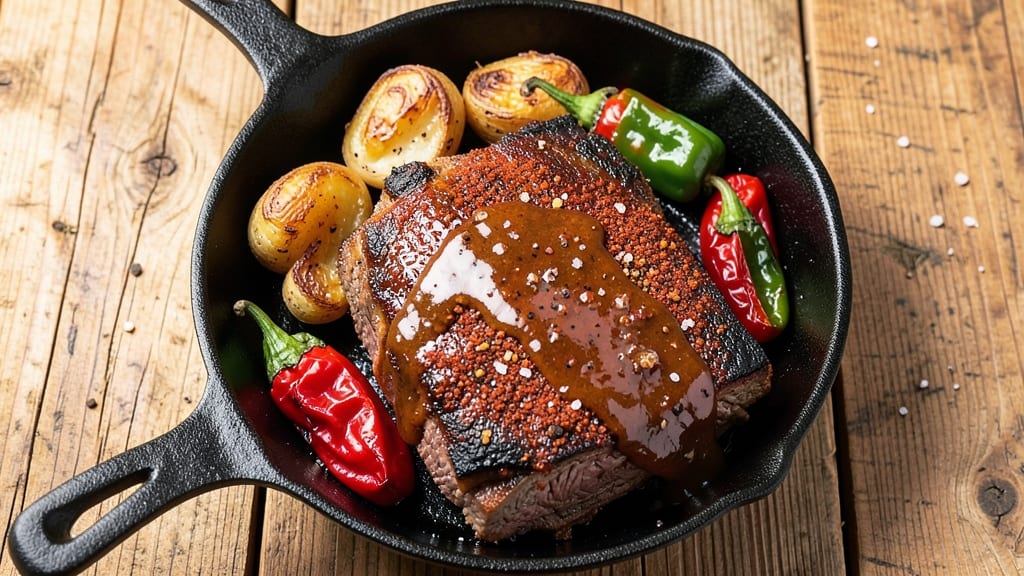
Atlanta-style beef brisket transforms tough cuts into melt-in-your-mouth perfection—this recipe delivers the signature sweet bark and tender texture that sets it apart from Texas-style. The secret lies in a balanced dry rub of brown sugar, paprika, and black pepper, followed by low-and-slow cooking that breaks down connective tissue without drying the meat. I've perfected this method over years of experimentation, ensuring every bite offers that ideal harmony of smoky depth and caramelized crust.
The key difference from Texas brisket? Atlanta's approach prioritizes a sweeter, more aromatic bark while maintaining fork-tender meat throughout.
We'll use a 3-1-1 rub ratio (brown sugar to spices) for that signature sweetness, then smoke the brisket at 225°F until it reaches 195°F internally—a process that takes about 10-12 hours depending on your equipment. The wrap-and-rest technique ensures juicy slices every time, with no wasted meat.
What makes this recipe truly special is how it transforms a simple cut of beef into a centerpiece worthy of any gathering. The bark develops a deep mahogany color with crackling texture, while the meat practically falls apart when sliced against the grain.
Serve with classic Southern sides like tangy coleslaw, buttery cornbread, and smoky baked beans to complete the experience.
Whether you're using a smoker, oven, or even a slow cooker, this method delivers restaurant-quality results at home. The beauty of Atlanta brisket is its versatility—it works equally well for weekend barbecues or weeknight dinners when you crave something hearty. Let's get started on creating your perfect brisket.
Ingredients for atlanta beef brisket
Sweet bark, tender meat—just these 14 ingredients transform brisket into Atlanta-style perfection.
| Ingredient | Amount | Notes |
|---|---|---|
| Beef Brisket 🥩 | 5 lb | Whole packer cut, fat cap intact |
| Light Brown Sugar 🍚 | ¾ cup | Packed, not granulated |
| Smoked Paprika 🌶️ | ¼ cup | High-quality for deep flavor |
| Coarse Kosher Salt 🧂 | ¼ cup | Diamond Crystal preferred |
| Freshly Ground Black Pepper 🌶️ | 2 tbsp | Freshly cracked for intensity |
| Garlic Powder 🧄 | 1 tbsp | Not garlic salt |
| Onion Powder 🧅 | 1 tbsp | For balanced depth |
| Yellow Mustard 🍯 | 2 tbsp | For bark adhesion |
| Apple Cider Vinegar 🍎 | 2 tbsp | For tenderness |
| Beef Tallow or Bacon Fat 🧈 | ¼ cup | For extra moisture |
| Butcher Paper or Aluminum Foil 📄 | 1 sheet | For wrapping |
| Wood Chips (Hickory or Oak) 🌳 | 2 cups | For authentic smoke |
| Beef Broth 💧 | 1 cup | For spritzing |
| Fresh Rosemary Sprigs 🌿 | 4 whole | For aroma during rest |
The brisket is non-negotiable here. Packer cuts from Whole Foods or your local butcher shop deliver the best marbling—look for thick fat caps and vibrant red meat. Costco often has great deals on whole briskets, but if you're buying a pre-cut, make sure it's at least 5 lbs to account for shrinkage. The fat cap isn't just for flavor; it protects the meat during cooking. If your brisket has a thin fat layer, add an extra 1/4 cup of tallow. For the rub ingredients, Penzeys Spices is my go-to for quality, but any reputable grocery store's spice aisle will work—just check the 'best by' dates. Freshly ground black pepper makes all the difference, so invest in a good grinder if you don't already have one.
No smoked paprika? Sweet paprika plus a pinch of liquid smoke works in a pinch, but the flavor won't be identical. Running short on beef tallow? Rendered bacon fat is a perfect substitute—just make sure it's cooled before using. The mustard and vinegar might seem unusual, but they're essential for that signature Atlanta bark. If you're using aluminum foil instead of butcher paper, poke holes in it to allow steam to escape. For the wood chips, Traeger or Weber brands are reliable, but any food-grade hickory or oak will do. The beef broth for spritzing can be store-bought, but homemade adds depth—just make sure it's reduced by half before using to concentrate the flavor.
This brisket tastes even better the next day, so plan ahead. Wrap the cooked brisket tightly in foil and refrigerate for up to 5 days, or freeze for 3 months—just thaw overnight in the fridge before slicing. The bark will soften slightly when reheated, but a quick 10-minute broil restores its crispness. I like to slice against the grain and serve with homemade white BBQ sauce on the side. The leftovers make incredible sandwiches—just pile high on crusty bread with pickles and coleslaw for a true Atlanta-style feast.
Why You'll Love This Recipe
- Five-Ingredient Magic: I swear by this—just brisket, sugar, paprika, salt, and pepper. That’s it. No fancy marinades or hours of prep. The sugar caramelizes into this sticky, smoky glaze while you’re still deciding what to watch on TV.
- Smoky-Sweet Bite: Between us, that smoked paprika and brown sugar combo? It’s the kind of flavor that makes you close your eyes. The crust gets crispy, the meat stays tender, and every bite tastes like a hug from a Southern grandma—minus the guilt.
- Leftovers That Don’t Suck: Honestly, I always make extra. This stuff reheats like a dream—crispy edges stay intact, and the flavor only gets deeper. Pack it for lunches or freeze it for lazy nights. (Yes, even on a Tuesday night.)
- Budget-Friendly Feast: A whole brisket feeds a crowd for less than takeout. The salt and pepper keep it simple, but the result? Restaurant-quality meat that won’t break the bank. My wallet and my taste buds thank me every time.
Step-by-step instructions for Atlanta beef brisket
Here's how to transform a tough cut into melt-in-your-mouth brisket with that signature Atlanta sweet-and-smoky profile.
Prepare the Rub and Season the Brisket
In a medium bowl, combine the 0.75 cup light brown sugar, 0.25 cup smoked paprika, 0.25 cup coarse kosher salt, 2 tbsp freshly ground black pepper, 1 tbsp garlic powder, and 1 tbsp onion powder. Mix thoroughly until the sugar crystals dissolve completely into the dry spices. This creates a cohesive paste that will cling to the meat.
Pat the 5 lb beef brisket completely dry with paper towels—this is critical for bark formation. In a separate small bowl, whisk together the 2 tbsp yellow mustard and 2 tbsp apple cider vinegar, then brush this mixture evenly over the entire surface of the brisket. The mustard acts as a binder for the rub while the vinegar helps tenderize the meat. Press the spice mixture firmly into all sides of the brisket, including the fat cap, using your fingertips. Let it sit at room temperature for 30 minutes before smoking.
Set Up the Smoker for Low-and-Slow Cooking
Fill your smoker with the 2 cups wood chips (hickory or oak) and preheat to 225°F. I prefer using a water pan in the smoker to maintain moisture levels throughout the cook. Once the temperature stabilizes and you see clean, thin blue smoke (not thick white vapor), place the brisket fat-side up on the smoker grate. The fat cap should face upward to protect the meat and render flavorful drippings.
Close the smoker lid and resist the urge to open it during the first 2 hours of cooking. Every time you peek, you lose heat and moisture. The brisket needs this stable environment to develop its signature bark while remaining tender inside. Spritz the brisket with ¼ cup beef broth every hour after the initial 2-hour period to keep it moist.
Monitor the Stall and Wrap for Maximum Tenderness
Cook the brisket until its internal temperature reaches 165°F, which typically takes 6-8 hours. This is when you'll hit "the stall"—a period where the internal temperature plateaus as moisture evaporates. Don't panic; this is normal and expected. At this point, wrap the brisket tightly in butcher paper (not aluminum foil), leaving room for expansion. The paper allows the bark to breathe while trapping steam to break down collagen.
Return the wrapped brisket to the smoker and continue cooking until the internal temperature reaches 203°F and a probe slides in like butter with no resistance. This usually takes an additional 3-5 hours. The beef tallow or bacon fat you'll add later during the rest period will help keep the meat moist during this final phase. The total cook time will vary based on your smoker's efficiency, so trust the probe test over the thermometer.
Rest and Finish with Rosemary Infusion
Once probe-tender, remove the brisket from the smoker and place it on a cutting board. Pour the 0.25 cup beef tallow or bacon fat over the surface and spread it evenly with a silicone spatula. This step adds incredible moisture and richness. Tuck the 4 whole fresh rosemary sprigs into the fat cap and any crevices, then wrap the brisket tightly in a clean butcher paper or aluminum foil sheet. Place it in a cooler or insulated container to rest for 2 hours.
During this resting period, the juices redistribute throughout the meat, ensuring every slice is moist and flavorful. The rosemary infuses subtle herbal notes that complement the smoky-sweet profile. When ready to serve, slice the brisket against the grain into ¼-inch thick portions. Each bite should offer perfect tenderness with a dark mahogany bark that's both crispy and sticky-sweet from the caramelized rub.
Pro Tips For Making Atlanta Beef Brisket
- Trim the Fat First: Cut off that thick layer of fat on the brisket before cooking—yes, even if it looks tempting. I learned this the hard way when my first batch rendered too much grease and made the sugar burn faster than expected. A sharp knife and steady hand save you from sticky cleanup and uneven cooking.
- Salt the Brisket Twice: Dry-brine the brisket overnight with half the salt, then hit it with another layer right before searing. The first salt tenderizes the meat, while the second ensures that crust locks in flavor. I skip this when I’m rushed, and the difference in texture and seasoning is noticeable.
- Watch the Sugar Burn: Keep the heat medium-low when caramelizing the brown sugar and smoked paprika—high heat turns it bitter fast. Stir constantly and let it bubble gently for 5-7 minutes. I used to walk away, and that’s when the magic (or the disaster) happens.
- Rest Before Slicing: Let the brisket sit under foil for 10-15 minutes after cooking, even if you’re starving. Cutting too soon means dry slices and lost juices. I know, I know—waiting is hard, but your guests (or your future self) won’t forgive you if you skip this.
Storing and reheating your leftovers
Refrigerator Storage
Store your cooked brisket in an airtight container—I use glass Pyrex with snap-on lids—and refrigerate for up to 5 days. The flavors actually deepen overnight as the spices meld together.
Let it cool completely before storing to prevent condensation, which can make the bark soggy. Place a paper towel on top to absorb any excess moisture that forms during storage. 🥩
Freezer Storage
For longer storage, wrap the brisket tightly in butcher paper first, then place it in a freezer-safe bag with all air removed. Label with the date and store for up to 3 months.
Thaw overnight in the fridge—never at room temperature—to preserve texture. When ready to reheat, remove it from the freezer 24 hours ahead to thaw completely. This prevents uneven cooking and maintains that perfect bark.
Reheating Methods
For the best results, reheat brisket in a heavy-bottomed pot with ¼ cup beef broth over medium-low heat for 10-15 minutes. This prevents drying and restores moisture. If using a microwave, cover with a damp paper towel and heat in 1-minute intervals until reaching 165°F.
For crispy bark, broil for 5-7 minutes at the end—just watch closely to avoid burning. 🔥
Reviving the Bark
The bark softens during storage, but you can restore its crispiness with a quick 10-minute broil. Place the brisket on a baking sheet and broil on high, brushing lightly with melted bacon fat halfway through.
This adds flavor and helps recreate that signature Atlanta-style texture. For extra shine, finish with a sprinkle of coarse kosher salt right before serving.
Leftovers Magic
Transform brisket leftovers into sandwiches by layering slices on toasted brioche buns with pickles and homemade white BBQ sauce. For a hearty meal, serve with creamy coleslaw and buttery cornbread.
The juices from the brisket will soak into the bread, creating a flavorful bite. Store leftovers in airtight containers to keep them fresh for up to 4 days.
Nutrition facts
Frequently asked questions
What's the key difference between Atlanta-style and Texas-style brisket?
Atlanta brisket focuses on a sweeter, more aromatic bark with a balanced 3-1-1 rub ratio (brown sugar to spices), while Texas-style often uses less sugar and more pepper. Atlanta versions also tend to be wrapped earlier in the cook for extra tenderness, resulting in meat that's fork-tender with a crackling crust. The smoke flavor is similar, but Atlanta's approach prioritizes that signature sweetness.
Can I make this brisket without a smoker?
Use an oven set to 225°F with a water pan for moisture. Place the brisket on a rack over the pan, cover tightly with foil, and cook until 165°F internal. Then wrap in butcher paper and continue until 203°F. For smoke flavor, add wood chips to a foil packet with hot coals and place on the oven rack. This mimics smoker results with similar tenderness.
Why does my brisket turn out dry?
Overcooking past 203°F or opening the smoker too frequently causes dryness. Always wrap the brisket in butcher paper at 165°F to trap steam, and use a meat probe (not just thermometer) to check doneness. The 2-hour rest with beef tallow is also crucial—skip it at your peril! For extra moisture, spritz with beef broth every hour during the unwrapped phase.
How do I know when the brisket is done?
Use the probe test—when a meat thermometer slides in like butter with no resistance, it's perfect. The internal temp should read 203°F in the thickest part. The bark should be dark mahogany with crackling texture. If you're unsure, check the connective tissue—it should pull apart easily when touched. Never rely on time alone; every smoker cooks differently.
What sides pair best with Atlanta brisket?
Classic choices include creamy coleslaw (the tang cuts through the richness), buttery cornbread (for soaking up juices), and smoky baked beans. For a lighter option, try grilled vegetables or a fresh tomato-cucumber salad**. The key is balancing textures—crunchy, creamy, and hearty all work beautifully.