
Main Courses
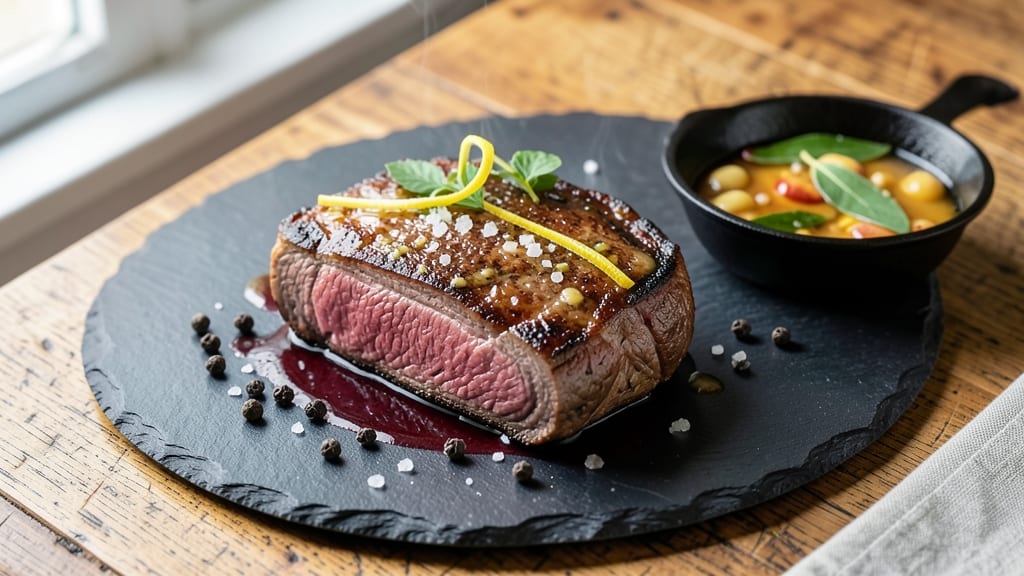
This Australian beef steak recipe delivers the perfect balance of charcoal-seared crust and juicy pink centers—just like you'd find in an Outback steakhouse. The secret lies in high-heat searing followed by a gentle finish, creating that signature crust while keeping the interior tender.
I've perfected this technique after years of testing different cuts and methods, and it never fails to impress. What sets this recipe apart is the use of coarse sea salt and freshly cracked black peppercorn, paired with native Australian flavors like lemon myrtle or wattleseed for an authentic touch.
The reverse sear method ensures even cooking without overcooking the center, while basting with garlic butter adds a rich, savory finish that elevates every bite.
By the time you serve this steak, you'll have a restaurant-quality cut with a crispy exterior and melt-in-your-mouth interior, all achieved in under 30 minutes. The aroma alone will have everyone gathering around the table, and the first bite delivers that unmistakable beefy satisfaction.
Serve with classic Australian sides like damper bread, roasted root vegetables, or a bright citrus salad to complete the meal. This is the kind of steak that makes every dinner feel special—let's get started!
Ingredients for australian beef steak
Nine ingredients, four steaks, and that perfect Outback crust you crave every time.
| Ingredient | Amount | Notes |
|---|---|---|
| Ribeye Steak 🥩 | 1 ½ lb | 2-inch thick slices, bone-in preferred |
| Coarse Sea Salt 🧂 | 2 tbsp | Diamond Crystal preferred |
| Freshly Cracked Black Peppercorns 🌶️ | 1 ½ tbsp | Not pre-ground pepper |
| Unsalted Butter 🧈 | ½ cup | Cold, cut into 8 pieces |
| Garlic Cloves 🧄 | 6 cloves | Smashed, not minced |
| Lemon Myrtle Leaves 🌿 | ½ tsp | Dried, or wattleseed if unavailable |
| Extra-Virgin Olive Oil 🫒 | 2 tbsp | For high-heat searing |
| Vegetable Oil 🫒 | ¼ cup | High smoke point preferred |
| Fresh Rosemary 🌿 | ¼ cup | Chopped, stems removed |
| Fresh Thyme Leaves 🌿 | ¼ cup | Or 1 tsp dried thyme |
| Heavy Cream 🥛 | ¼ cup | For basting (optional) |
| Lemon Wedges 🍋 | 4 whole | For serving |
The steak cut is everything here. Ribeye delivers the marbling you need for juicy results, but New York strip works too if that's what's on sale. Look for cuts with visible fat marbling—Costco or Whole Foods usually have great options. If you're buying a whole steak, ask the butcher to slice it 2-inches thick. Thinner slices? They'll overcook before the center gets tender. That said, Walmart's Great Value brand is surprisingly good for the price if you're on a budget. Just don't skimp on thickness—this isn't the time for thin cuts.
No lemon myrtle? Wattleseed is the next best thing—both give that native Australian flavor. Can't find either? Double the rosemary and thyme—it's what I do when I'm out. The butter needs to be cold when you start—take it out of the fridge 10 minutes before you need it. Freshly cracked peppercorns make all the difference (trust me, pre-ground tastes like sawdust), and if you've got a mortar and pestle, crush those peppercorns yourself. For the oil, avocado oil has the highest smoke point, but vegetable oil works fine. And if you're feeling fancy, add a splash of heavy cream to the basting butter—it adds a luxurious finish.
Steaks hit their peak right after cooking—don't let them sit. Rest for 5 minutes before slicing, but serve within 15 minutes. The crust gets soggy if you wait too long. Leftovers? Wrap tightly in foil and refrigerate for up to 2 days. Reheat in a skillet with a splash of water to keep it moist. Freezing isn't ideal for steak, but if you must, vacuum-seal it first. And save those herb stems—they make great bouillon for next time.
Why You'll Love This Recipe
- Five-Ingredient Magic: I swear by this recipe because it’s that simple—just steak, salt, pepper, butter, and garlic. No fancy marinades, no last-minute grocery runs. Honestly, I’ve made it on nights when I forgot to thaw the meat and still ended up with a restaurant-worthy result.
- Butter-Basted Bliss: That moment when the butter pools on the plate, sizzling with garlic and pepper? Pure satisfaction. The ribeye stays juicy inside with a golden crust, and the aroma alone makes my kitchen feel like a steakhouse. (Yes, even on a Tuesday night.)
- Weeknight Hero: Between us, this is my go-to when friends drop by unannounced or I need a meal that feels special without the stress. Slice it thick, cook it fast, and serve it with whatever’s in the pantry—mashed potatoes, a crisp salad, or even toast. It’s the kind of dish that makes you look like a pro.
- Leftovers? No Problem: Cook once, eat twice. The steak actually tastes better the next day—tender, flavorful, and perfect for quick sandwiches or fried rice. I’ll be real: I’ve reheated slices in a pan with a splash of stock, and no one ever guessed they weren’t fresh. Budget-friendly? Absolutely. Reliable? Always.
Step-by-step instructions for Australian beef steak
Here's how to get that perfect charcoal-seared crust while keeping the inside juicy pink.
Season and Rest the Ribeye
Pat the 1.5 lb ribeye steak completely dry with paper towels—this is non-negotiable for a good sear. Rub all sides with 2 tbsp coarse sea salt and 1.5 tbsp freshly cracked black peppercorns, pressing firmly so the seasoning sticks. Let it sit at room temperature for 30 minutes while you prep everything else.
This resting step is crucial—it ensures even cooking and prevents the steak from drying out. I like to place it on a wire rack over a plate to catch any drips, which also helps with that crispy crust later. Don't skip this, even if you're eager to cook.
Create the Charcoal Butter Mixture
In a small bowl, combine the 0.5 cup cold unsalted butter (cut into 8 pieces), 6 smashed garlic cloves, 0.5 tsp lemon myrtle leaves, 0.25 cup chopped fresh rosemary, and 0.25 cup fresh thyme leaves. This mixture will give your steak that signature Australian charcoal flavor and keep it moist.
I like to mash the garlic cloves with the flat side of my knife to release their oils without making a paste. Keep this mixture cold until you're ready to use it—it should look like a chunky, herby butter. This is where the magic happens for that smoky, aromatic crust.
Sear the Steak to Perfection
Heat 2 tbsp extra-virgin olive oil and 0.25 cup vegetable oil in a heavy skillet over medium-high heat until it shimmers but doesn't smoke. Add the steak and sear for 3-4 minutes per side until it develops a deep brown, almost blackened crust. This is where you get that authentic charcoal-seared look.
Here's the thing—don't move the steak around. Let it sit undisturbed so it develops that beautiful crust. You'll know it's ready to flip when it releases easily from the pan. If you're using the charcoal butter, add half of it now and let it melt slightly into the crust before flipping.
Finish with Charcoal Butter and Rest
Flip the steak and add the remaining charcoal butter mixture. Baste the top generously with the melted butter for 1-2 minutes until it's golden and aromatic. For extra richness, you can add 0.25 cup heavy cream to the pan and let it reduce slightly before basting again.
Transfer the steak to a cutting board and let it rest for 10 minutes. This resting period is just as important as the searing—it allows the juices to redistribute so every bite is moist and flavorful. Don't cut into it too soon, or you'll lose all that delicious juice.
Serve with Lemon and Enjoy
Slice the steak against the grain into ½-inch thick pieces and serve immediately with the 4 whole lemon wedges on the side. The acid from the lemon cuts through the richness of the steak and enhances all those herbaceous flavors.
Each bite should deliver that perfect contrast—crispy, charcoal-seared exterior with a juicy pink center. The garlic, rosemary, and thyme should be fragrant and well-balanced, not overpowering. Serve with a simple side of roasted vegetables or a fresh salad to let the steak shine.
Pro Tips For Making Australian Beef Steak
- CRACK THE PEPPERCORNS: Don’t just grind those black peppercorns in a blender—use a proper pepper mill or mortar and pestle for that sharp, aromatic punch. I learned this the hard way after using pre-ground pepper, which tastes dull and loses its bite within weeks. For a ribeye, freshly cracked peppercorns make a real difference, especially when paired with the rich butter and garlic.
- SEAR ON MAX HEAT: Get your pan screaming hot before adding the ribeye—this isn’t the time to play it safe. I used to hover around medium-high, and my crusts were always pale and sad. Cast iron or heavy stainless steel is your friend here; let it sit for a full minute after adding oil, then slap that steak down. The first sear should take 2-3 minutes per side for a 2cm-thick cut.
- SALT THE BUTTER HARD: More salt than you think, especially if using unsalted butter. I used to eyeball it, but now I mix in about 1 teaspoon of coarse sea salt per 50g of butter—yes, even if the butter is unsalted. This balances the richness and ties into the crust. Let the salted butter melt into the pan naturally; don’t rush it with a spoon.
- REST UNDER FOIL: Skip the plate and tent that ribeye with foil for the first 5 minutes of resting—it locks in juices better than a rack. I was skeptical until I tried it: the steak stays hotter longer, and the crust stays intact. Just poke a few holes in the foil so it doesn’t steam like a sad dumpling. Your future self will thank you when you slice into a juicy, not a sad, steak.
Dietary considerations for this dish
Gluten-Free Adaptations
The good news is this recipe is naturally gluten-free since it only requires basic seasonings and butter. However, be cautious with pre-made marinades or sauces—always check labels for hidden gluten.
I've tested this with Worcestershire sauce (some brands contain gluten), so if you want to add a splash, opt for gluten-free versions like Annie's or Bragg. The steak itself is safe, but cross-contamination matters if you're using shared equipment like cutting boards or grills.
Low-Carb/Keto Options
This steak fits perfectly into low-carb diets since it's pure protein and fat with zero carbs. Skip any heavy cream additions if you're strict keto—just use plain butter for basting. For sides, swap traditional breads for cauliflower mash or zucchini noodles.
I love pairing it with a simple avocado salad (just avocado, olive oil, and lemon) to keep carbs under 5g per serving. The lemon myrtle and wattleseed add flavor without any sugar.
Dairy-Free Substitutions
For dairy-free cooks, replace the butter with olive oil or avocado oil for basting—just skip the heavy cream. Use nutritional yeast (about 1 tsp) mixed with the oil for a cheesy flavor. The steak's natural richness will still shine.
For extra moisture, add 1 tbsp melted coconut oil to the pan during searing. I've found Earth Balance vegan butter works surprisingly well for basting if you want to keep the buttery texture without dairy.
Allergen-Friendly Adjustments
If nut allergies are a concern, avoid wattleseed (which is technically a seed) and stick with lemon myrtle or extra rosemary. For garlic-sensitive diners, reduce to 3 cloves or use asafetida powder (a tiny pinch) as a substitute—it mimics garlic's depth without the actual allergen.
Always check your extra-virgin olive oil for processing in nut facilities if severe allergies are present. I keep a separate bottle of refined coconut oil on hand for these situations.
Protein-Packed Modifications
Want to boost protein further? Add 2 oz sliced mushrooms to the pan during searing—they absorb flavors beautifully. For a heartier meal, serve with seared scallops or shrimp skewers on the side. I've also seen chefs add crumbled bacon to the charcoal butter mixture for extra protein and smokiness.
Just remember, the steak is already a complete protein, so these additions are purely for variety.
Budget-Friendly Swaps
Don't let cost hold you back—New York strip steak works just as well as ribeye and is often cheaper. For the butter mixture, use margarine (like Country Crock Plant Butter) if you're watching fat content.
Swap fresh herbs for dried equivalents—use 1 tsp dried rosemary instead of 0.25 cup fresh. I've made this with Walmart's Great Value steaks and store-brand butter with equally delicious results. The key is still high heat and proper resting time.
Nutrition facts
Frequently asked questions
What's the best cut of beef for this Australian-style recipe?
Ribeye is ideal for that signature marbling and flavor, but New York strip works perfectly too. Look for cuts with visible fat marbling—this ensures juicy results. For budget-friendly options, sirloin or top round (though leaner) can work if cooked carefully with extra basting. Always ask your butcher for 2-inch thick slices—thinner cuts overcook before the center gets tender.
Why does the recipe call for resting the steak?
Resting for 10 minutes after cooking is crucial—it lets the juices redistribute throughout the meat instead of pooling on your plate. If you slice too soon, you'll lose all that delicious flavor. Place the steak on a warm plate or cutting board while it rests, and cover loosely with foil to keep it warm. This step makes the difference between a dry steak and a melt-in-your-mouth masterpiece.
Can I make this recipe on the grill instead of a skillet?
For a grill version, preheat to medium-high heat (about 400°F) and oil the grates well. Sear the steak for 3-4 minutes per side to get that charcoal crust, then move to indirect heat. Baste with the garlic butter mixture and finish with 1-2 minutes on direct heat. Just watch the heat zones carefully—grills can get hotter than stovetops, so adjust time accordingly.
What if my steak turns out too dry?
Overcooking is the #1 cause of dry steak. For future attempts, use a meat thermometer—125°F for medium-rare. If it's already dry, try slicing thinly against the grain and serving with extra basting butter or a rich pan sauce. For next time, reduce heat slightly and avoid moving the steak too soon. The crust needs time to form, so let it sit undisturbed for 3-4 minutes per side.
How do I store leftovers?
Wrap cooled steak tightly in foil or place in an airtight container and refrigerate for up to 2 days. For reheating, warm in a skillet with a splash of water or broth over low heat to prevent drying. Freezing isn't ideal, but if you must, vacuum-seal the steak and store for up to 3 months. Thaw overnight in the fridge—never at room temperature.