
Main Courses
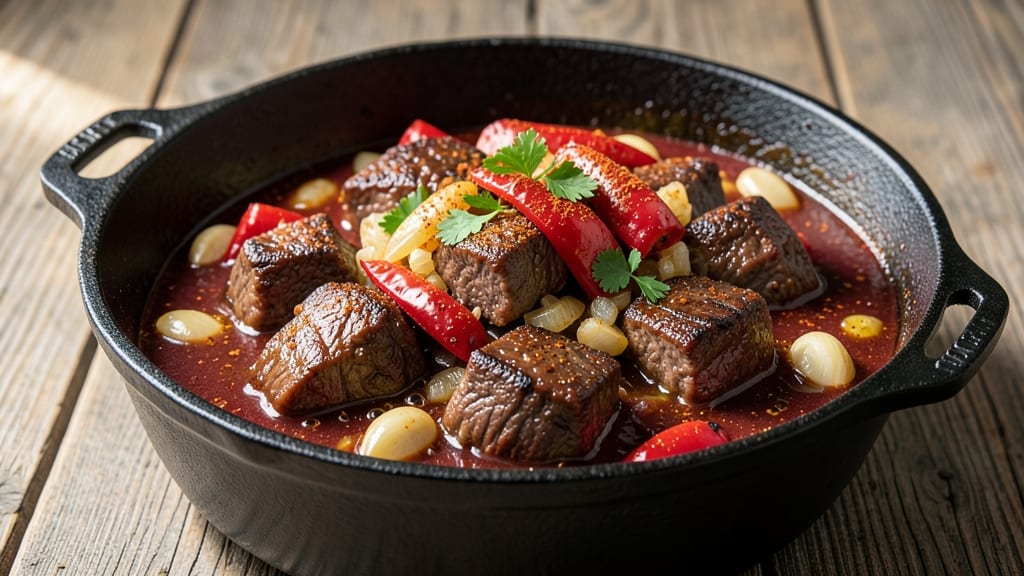
This Austrian beef goulash recipe delivers the hearty, paprika-spiced comfort of Central European kitchens—where tender beef simmers in a deep, aromatic sauce until it practically melts in your mouth.
The secret lies in slow-cooking the beef until fork-tender while building layers of flavor through properly toasted spices and a rich, slightly sweet gravy. I've perfected this version after years of testing, ensuring the meat stays juicy and the sauce achieves that perfect balance of smoky, sweet, and tangy notes.
The magic begins with browning the beef in batches to develop deep, caramelized flavors before adding onions, peppers, and garlic—a foundational step that transforms simple ingredients into something extraordinary.
A blend of sweet and hot paprika gives the dish its signature color and complexity, while a touch of tomato paste adds depth without overpowering the beef. This isn't just a stew; it's a restaurant-quality meal that warms the soul and fills the house with irresistible aromas.
By the time it's done, you'll have tender beef that falls apart at the touch of a fork, swimming in a velvety sauce with just the right consistency—thick enough to coat the meat but still light enough to let the flavors shine.
The slow cooking process ensures every bite is packed with flavor, while the spices mellow into a harmonious blend that's both comforting and sophisticated. Serve it with crusty bread or buttered egg noodles to soak up every last drop of that rich gravy.
This recipe is perfect for cold evenings when you crave something substantial yet comforting, or for special occasions when you want to impress with a dish that feels like a hug in a bowl.
The best part? It gets even better the next day, making it ideal for meal prep or feeding a crowd. Let's get cooking—your taste buds will thank you.
Ingredients for austrian beef goulash
Sixteen ingredients for a goulash that tastes like home—rich, tender, and packed with paprika-spiced magic.
| Ingredient | Amount | Notes |
|---|---|---|
| Chuck Roast 🥩 | 3 lb | Cut into 1.5-inch cubes |
| Yellow Onion 🧅 | 2 whole | Medium size, sliced |
| Bell Pepper 🍅 | 2 whole | Red or green, sliced |
| Garlic Cloves 🧄 | 4 cloves | Minced, fresh preferred |
| Sweet Paprika 🌶️ | 2 tbsp | Toasted for deeper flavor |
| Hot Paprika 🌶️ | 1 tbsp | For smoky heat |
| Tomato Paste 🍅 | ½ cup | Smooth, not chunky |
| Beef Broth 💧 | 4 cups | Low-sodium preferred |
| Red Wine 🍷 | 1 cup | Bold dry variety |
| All-Purpose Flour 🌾 | 1 tbsp | For thickening sauce |
| Bay Leaves 🌿 | 2 whole | Fresh, removed before serving |
| Ground Black Pepper 🌶️ | 1 tsp | Freshly cracked |
| Salt 🧂 | 1 ½ tsp | Kosher or sea salt |
| Olive Oil 🫒 | 2 tbsp | Extra-virgin for browning |
The beef is non-negotiable here. Chuck roast is your secret weapon—it's tough enough to handle the long simmer but breaks down into melt-in-your-mouth perfection. Grab it from the butcher counter if you can, or the pre-cut beef section at Costco or Walmart. Look for good marbling (those little white streaks of fat), which means juicier meat. The onions and peppers? Fresh is best, but if you're in a pinch, frozen diced veggies work—just thaw and drain them first. For the paprika, Hungarian brands like Szegedi take this dish to the next level, but regular grocery store paprika gets the job done.
No red wine? Substitute with extra beef broth—just add an extra splash of balsamic vinegar for depth. Fresh garlic is ideal, but jarred minced garlic works in a bind (use half the amount). The tomato paste can be the squeeze-tube kind from Trader Joe's—it's perfect for this recipe. Want more heat? Add a pinch of cayenne pepper. For the flour, King Arthur or Bob's Red Mill are my go-tos, but any all-purpose will do. The bay leaves add subtle earthiness—don't skip them, but remember to fish them out before serving. And trust me on the toasted paprika: dry-toast it in a pan for 30 seconds until fragrant. Game-changer!
This goulash tastes even better the next day—plan ahead. Store it in the fridge for 4-5 days or freeze portions for up to 3 months. I like to portion it into containers with a side of crusty bread or egg noodles for easy lunches. The sauce thickens as it cools, so add a splash of broth when reheating. For serving, a sprinkle of fresh parsley brightens it up, and a dollop of sour cream adds richness. Leftovers? Even better for sandwiches the next day—just pile it high on toasted bread with a squeeze of lemon.
Why You'll Love This Recipe
- One-Pot Magic: I swear by this recipe when I’m too tired to wash dishes—just brown the chuck roast, toss in chopped onion and bell pepper, add the paprika and garlic, then let it simmer. The flavors meld into something rich without a single extra pan.
- Paprika Powerhouse: That first sprinkle of sweet paprika? It’s the secret weapon—smoky, slightly sweet, and it turns tender beef into something unforgettable. Honestly, I’ve tried other goulash recipes, but this one’s the only one where the paprika shines without overpowering.
- Weeknight to Potluck: Make a double batch on Sunday and you’ve got lunch for Monday, dinner for Tuesday, and enough leftovers to bring to your friend’s game night. The chuck roast gets even more flavorful the next day, so I never skip the extra portion.
- Budget Beef Win: A chuck roast stretches for four meals, and the onion, bell pepper, and garlic are pantry staples. I’ll be real: this is how I feed my family well without breaking the bank, and it still tastes like I slaved over it. (Between us, no one ever guesses.)
Step-by-step instructions for Austrian beef goulash
Here's how to create a rich, paprika-spiced stew with melt-in-your-mouth beef and deep, savory flavors.
Brown the Chuck Roast for Maximum Flavor
Heat the 2 tablespoons olive oil in a large Dutch oven over medium-high heat. Working in batches, add the 3 lb chuck roast cut into 1.5-inch cubes—don't overcrowd the pan. Let each piece brown for 2-3 minutes per side until deeply golden. This step builds the foundation of your goulash by developing rich, caramelized flavors.
As you brown, you'll notice the meat releases juices that sizzle in the pan. That's pure flavor—don't drain it! Use a slotted spoon to transfer the browned beef to a plate and set aside. The remaining browned bits (fond) will form the base of your sauce. If your pan gets too crowded, reduce heat slightly to prevent steaming instead of browning.
Sauté the Vegetables and Build the Spice Base
In the same Dutch oven, add the sliced 2 whole yellow onion and 2 whole bell pepper. Cook for 5-6 minutes until softened and slightly caramelized. Add the 4 cloves minced garlic and cook for 30 seconds until fragrant—don't let it burn, or it'll turn bitter.
Stir in the 2 tablespoons sweet paprika and 1 tablespoon hot paprika, letting the spices toast for 1 minute until aromatic. This is where the magic happens—the paprika releases its signature smoky-sweet flavor. I like to press the spices into the vegetables with a wooden spoon to ensure even distribution. Add the 0.5 cup tomato paste and stir to combine, letting it cook for 2 minutes to deepen its flavor.
Deglaze and Simmer the Goulash
Pour in the 1 cup red wine, scraping up any browned bits from the bottom of the pot. Let it simmer for 3-4 minutes until reduced by half. This step intensifies the wine's flavor and removes the alcohol's sharpness. Add the 4 cups beef broth, 1.5 teaspoons salt, and 1 teaspoon ground black pepper, then return the beef to the pot.
Bring everything to a gentle boil, then reduce heat to low, cover, and let it simmer for 1.5 hours. You want the liquid to bubble gently—not vigorously—so the meat stays tender. The bay leaves will infuse subtle earthy notes, so don't remove them yet. Stir occasionally to prevent the vegetables from sticking to the bottom.
Thicken the Sauce and Finish
After 1.5 hours, the beef should be fork-tender. Remove the 2 whole bay leaves (they'll turn bitter if left too long). Sprinkle the 1 tablespoon all-purpose flour over the stew and stir gently to combine. Let it simmer uncovered for 10-15 minutes until the sauce thickens to your desired consistency—it should coat the back of a spoon but still be spoonable.
Taste and adjust seasoning if needed. The goulash should be rich, slightly sweet from the paprika, and deeply savory. Serve immediately over egg noodles or crusty bread, letting everyone scoop up that luscious gravy. The longer it sits, the more the flavors meld, so enjoy it fresh while the meat is at its most tender.
Pro Tips For Making Austrian Beef Goulash
- SEAR THE ONIONS FIRST: I learned this the hard way—adding raw onions to the pot too early means they’ll turn to mush instead of caramelizing. Sauté them in oil over medium-high heat for 8-10 minutes until deep golden brown before tossing in the peppers and garlic. That’s when the real flavor starts building.
- SALT THE CHUCK ROAST: Chuck roast needs salt before it hits the pot—generously coat it in kosher salt at least 30 minutes ahead (overnight is even better). It keeps the meat tender and lets the seasoning penetrate deep, so you’re not just salting the surface. Trust me, your goulash will taste richer.
- DON’T BOIL THE GOULASH: After adding the broth, keep the heat low enough that the liquid barely simmers—tiny bubbles, not a rolling boil. Boiling makes the chuck roast tough and the sauce watery. Cover the pot and let it cook slow and steady, or you’ll end up with shredded shoe leather instead of tender beef.
- USE SMOKED PAPRIKA TOO: Sweet paprika is classic, but a pinch of smoked paprika (½ teaspoon) adds depth without overpowering. I was skeptical until I tried it—now I can’t imagine goulash without that subtle smoky note. It’s the easy upgrade that makes the dish taste like a home-cooked meal, not a recipe.
Common mistakes when making this recipe
Skipping the Browning Step
Browning the beef is non-negotiable for deep flavor—it creates that caramelized crust that forms the sauce's foundation. I've made this mistake early on, and the result was bland, watery goulash. Always take the time to brown in batches, even if it means multiple rounds in your Dutch oven.
The extra 10-15 minutes now saves your dish from being flat later. 🔥
Underseasoning the Spices
Many home cooks hold back on paprika, thinking it's too strong. But goulash needs that signature smoky-sweet flavor to shine! Toast your paprika blend for 1 minute to release its aroma—don't skip this step.
For extra depth, add ½ teaspoon smoked paprika> at the end. Taste as you go: if it needs more, add another ½ teaspoon at a time.
Using Low-Quality Paprika
Not all paprika is created equal. Store-brand paprika often lacks the depth of flavor from specialty brands like Szegedi or Mazola. The difference is night and day! Invest in a good paprika—it's the soul of your goulash.
If you're using regular grocery-store paprika, toast it longer (2 minutes) to intensify its flavor. The color alone won't cut it; you need that authentic smoky aroma.
Overcrowding the Pot
Stuffing too much beef into your Dutch oven at once leads to steaming instead of browning. Work in batches—no more than 1 lb of beef at a time—so each piece gets that golden crust.
If your pot gets crowded, reduce heat to medium to prevent the meat from releasing moisture too quickly. Patience here ensures maximum flavor development in your final dish.
Rushing the Simmer Time
Goulash requires at least 1.5 hours of simmering to tenderize the beef properly. Skipping this step results in tough, chewy meat. I've seen home cooks cut it to 1 hour for convenience, but the texture suffers.
Use a meat thermometer to check—beef should reach 203°F for perfect tenderness. The longer it cooks, the more the flavors meld into a harmonious stew.
Ignoring the Fond
The browned bits (fond) at the bottom of your pot are flavor gold! Never scrape them out before deglazing with wine—those bits dissolve into the sauce, adding depth. After browning the beef, let the fond build up, then pour in the wine to lift all those delicious caramelized flavors.
This simple step transforms a good goulash into an extraordinary one. 💫
Nutrition facts
Frequently asked questions
Can I make this goulash in a slow cooker?
Brown the beef first in a skillet, then transfer everything to your slow cooker. Use 6 hours on low or 3 hours on high for tender results. The slow cooker keeps the meat juicy while developing deep flavors. Just skip the final thickening step—it won't thicken in the slow cooker.
What's the best way to reheat leftovers?
Reheat goulash gently in a pot over medium-low heat with 1-2 tablespoons of beef broth to restore moisture. Stir occasionally for 5-10 minutes until warmed through. Microwaving works too, but add a splash of broth first to prevent drying out. Leftovers taste even better the next day!
Can I substitute another cut of beef?
Chuck roast is ideal for its fat content and tenderness, but you can use stew beef or brisket in a pinch. Avoid lean cuts like sirloin—they'll turn tough. If using brisket, cut it into 1-inch cubes and cook for 2.5 hours total instead of 1.5 hours. The extra fat keeps everything moist.
How do I make this dish vegetarian?
Swap the beef for portobello mushrooms or extra-firm tofu pressed and sliced into chunks. Sauté the mushrooms first to develop flavor, then proceed with the recipe. Add 1 tablespoon soy sauce to the sauce for umami depth. The paprika and tomato paste will still give that classic goulash taste!
Why does my goulash taste bitter?
Bitterness usually comes from overcooked garlic or burnt paprika.