
Main Courses
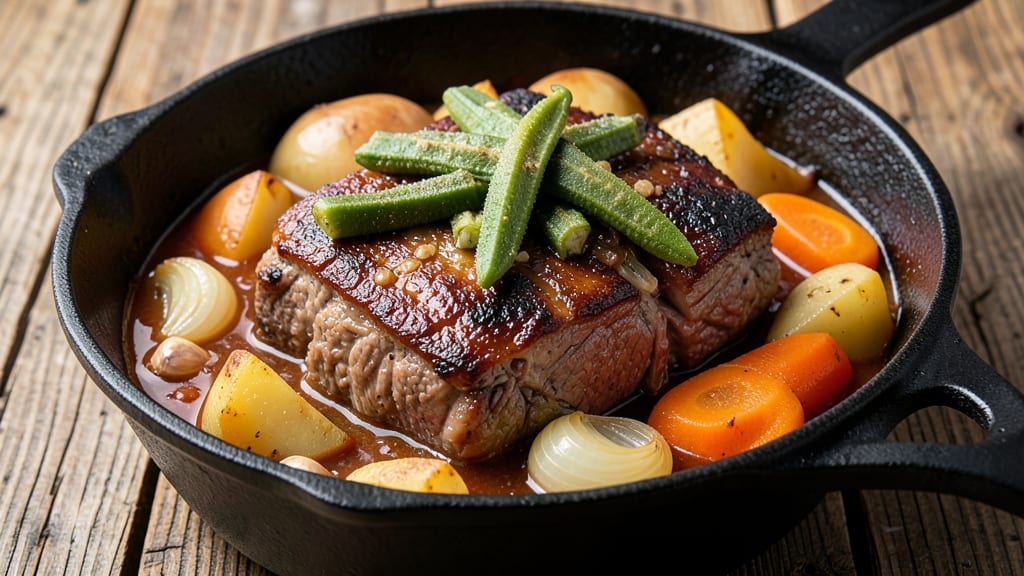
This authentic beef caldereta recipe brings the rich, savory heart of Filipino comfort food to your kitchen—where tender beef simmers in a tomato-okra broth until it's fall-apart perfect, crowned with crispy tortilla chips. The secret lies in slow cooking the meat until it's melt-in-your-mouth tender while developing deep, layered flavors from garlic, onions, and bay leaves. I've perfected this version after years of testing, ensuring every bite delivers that restaurant-quality balance of richness and acidity.
The magic happens in the slow simmer, where potatoes and carrots soften into the broth, creating a naturally thickened stew that's velvety yet substantial. Unlike many adaptations, this recipe stays true to tradition by using okra as the thickening agent—its natural sliminess binds the stew without altering the flavor.
The crispy tortilla crown adds a satisfying textural contrast that makes this dish unforgettable.
What you'll end up with is a steaming bowl of beef caldereta that's hearty enough for a family dinner yet elegant enough for gatherings. The aroma alone will have everyone gathering around the table, and the first bite delivers that perfect harmony of tender beef, silky broth, and crispy chips.
This is the kind of dish that becomes a staple in your recipe rotation.
Serve it with steamed rice to soak up every last drop of that flavorful broth, or pair it with garlic fried rice for extra texture. The leftovers taste even better the next day, making this an ideal meal for busy weeknights or special occasions. Let's get cooking!
Ingredients for authentic beef caldereta
Rich, hearty beef and silky okra broth—this is the Filipino comfort food you'll crave again and again.
| Ingredient | Amount | Notes |
|---|---|---|
| Beef Chuck Roast 🥩 | 2 ½ lb | Cut into 1.5-inch cubes |
| Yellow Onions 🧅 | 2 whole | Thinly sliced, about 4 cups |
| Garlic Cloves 🧄 | 8 cloves | Minced, about 2 tbsp |
| Okra Pods 🥦 | 1 lb | Trimmed, cut into 1-inch pieces |
| Russet Potatoes 🥔 | 2 lb | Peeled, cut into 1-inch cubes |
| Carrots 🥕 | 1 ½ lb | Peeled, cut into 1-inch chunks |
| Canned Tomato Sauce 🍅 | 2 cups | San Marzano preferred |
| Bay Leaves 🍃 | 4 whole | Dried, standard size |
| Ground Black Pepper 🌶️ | 1 ½ tsp | Freshly ground preferred |
| Salt 🧂 | 2 tsp | Kosher or sea salt |
| Tortilla Chips 🍟 | 2 cups | Crushed for crispy crown |
| Vegetable Oil 🫒 | ¼ cup | For frying chips |
| Fresh Parsley 🌿 | ¼ cup | Chopped, for garnish |
| White Wine 🍷 | ½ cup | Dry, like Sauvignon Blanc |
| Soy Sauce 🥢 | 1 tbsp | For umami depth |
The beef is everything here. Chuck roast gives that melt-in-your-mouth texture, but if you can't find it, chuck steak works too. Look for good marbling at Costco or Whole Foods—the meat should feel firm but yield slightly when pressed. I cube mine while it's still cold so it cooks evenly. For the okra, fresh pods are best (check the Latin market if your grocery store doesn't carry them), but frozen works in a pinch. Just don't thaw it first—toss it in straight from frozen when the stew is simmering.
No white wine? Chicken broth plus a splash of vinegar mimics the acidity. Fresh okra unavailable? 1 tbsp cornstarch mixed with water thickens just as well. The tortilla chips—Doritos or Fritos are classic, but any sturdy brand works. For extra richness, swap half the tomato sauce for coconut milk (Filipino adaptations often do this). The parsley is just for garnish, but if you're feeling fancy, toast the seeds first for extra flavor. And trust me on the soy sauce—it's what ties all the flavors together.
This tastes even better the next day once the flavors meld. Store leftovers in the fridge for 4-5 days or freeze for 3 months. The chips stay crispy for about 2 hours after toasting, so make them fresh when serving. For meal prep, portion the stew into containers and keep the chips separate—just fry them up when ready to eat. The broth reduces as it sits, so if you want to reheat, add a splash of water or broth to restore the consistency.
Why You'll Love This Recipe
- One-Pot Magic: I swear by this recipe when I’m too tired to wash a million dishes—just brown the beef, toss in onions and garlic, then let the okra and potatoes simmer in that rich, savory sauce. The beef practically melts off the bone while you’re chopping veggies, and boom, dinner’s done.
- Okra’s Secret Weapon: Honestly, I was skeptical about okra at first, but in caldereta? It’s the star. Those little pods turn tender and almost creamy, soaking up all the garlic and beef flavors while adding this subtle, satisfying bite. (Yes, even my picky husband asks for seconds.)
- Leftovers That Don’t Suck: Between us, most stews turn into sad, watery meals after day two. Not this one. The potatoes stay firm, the beef stays juicy, and the sauce only gets deeper—perfect for lunchboxes or a lazy Sunday reheat. I’ve had it cold, warm, and even as a filling for wraps (don’t judge).
- Budget-Friendly Feast: A pound of chuck roast and a few cheap veggies stretch into six servings without breaking the bank. I’ll be real: it’s the kind of dish I make when I’m feeding a houseful of guests or just trying to eat well without overspending. The potatoes and okra bulk it up so nicely, you won’t miss the fancy ingredients.
Step-by-step instructions for authentic beef caldereta
Here's how to create this rich, comforting stew with its signature crispy tortilla crown.
Sear the Beef and Build the Flavor Base
Heat the 0.25 cup vegetable oil in a large Dutch oven over medium-high heat. Working in batches, add the 2.5 lb beef chuck roast cut into 1.5-inch cubes, letting them brown undisturbed for 3-4 minutes until deeply golden on all sides. This step develops the deep, meaty flavor that forms the stew's foundation.
Once all beef is browned, remove it from the pot and set aside. In the same pot, add the 2 whole yellow onions sliced thinly and cook for 5 minutes until softened and translucent. Stir in the 8 cloves garlic cloves minced and cook for another 30 seconds until fragrant. Here's where the magic begins—add the 0.5 cup white wine and 1 tbsp soy sauce, scraping up all the browned bits from the bottom with a wooden spoon.
Simmer the Vegetables and Okra
Return the beef to the pot and add the 2 cups canned tomato sauce, 4 whole bay leaves, 2 tsp salt, and 1.5 tsp ground black pepper. Bring everything to a gentle boil, then reduce heat to low, cover, and let it simmer for 45 minutes. This initial cooking time allows the beef to become tender and the flavors to meld.
After 45 minutes, add the 1 lb okra pods cut into 1-inch pieces, 2 lb russet potatoes cubed, and 1.5 lb carrots chopped. The okra will begin to break down, creating that signature silky texture that thickens the stew naturally. Continue simmering uncovered for another 30 minutes until the potatoes are fork-tender and the carrots are easily pierced with a fork.
Create the Crispy Tortilla Crown
While the stew simmers, prepare the tortilla crown by heating the 0.25 cup vegetable oil in a separate skillet over medium heat. Add the 2 cups tortilla chips and fry for 2-3 minutes until they're golden and crispy. Drain on paper towels, then sprinkle with a pinch of salt while still warm. This step is crucial for achieving that satisfying crunch that contrasts beautifully with the stew's silky texture.
Here's the thing—don't overcrowd the skillet. Work in batches if needed to ensure all the chips get properly crisped. Once golden, transfer them to a paper towel-lined plate to drain excess oil. The chips should maintain their crispiness even after sitting for a few minutes, so act quickly but don't rush.
Finish and Serve
Once the vegetables are tender, taste the stew and adjust seasoning if needed. The okra should have thickened the stew slightly, creating that characteristic velvety texture. Stir in the 0.25 cup fresh parsley chopped just before serving to brighten the dish with freshness.
To serve, ladle the stew into bowls, placing a generous portion of the crispy tortilla chips on top to create that iconic "crown." The contrast between the crispy chips and the rich, silky stew is what makes this dish so special. Serve immediately while the chips are still crisp and the stew is piping hot—this is when the caldereta truly shines.
Pro Tips For Making Authentic Beef Caldereta
- SEAR THE MEAT FIRST: That beef chuck won’t tenderize itself—hit it with a screaming-hot pan until it’s deep brown in spots. I used to skip this and ended up with mushy beef that fell apart before it got juicy. Two minutes per side, no crowding the pan, and let the fat render out before you even think about adding onions.
- PEEL POTATOES LAST MINUTE: Okra and potatoes both soften fast in the stew, but peeled potatoes turn to mush if they sit too long. Keep them whole and unpeeled until the very end—just scrub them well and add them raw when the beef’s almost done. The skins stay intact, and you’ll have perfect, creamy chunks without the sloppy texture.
- CRUSH GARLIC LIKE A BRUTE: Minced garlic burns in 30 seconds flat, and that’s when your whole dish turns bitter. Smash those cloves with the flat side of your knife first, then give them a few firm presses with the blade—no need to chop finely. They’ll infuse the oil without turning to ash.
- SKIP THE OKRA IF IT’S TOO SLIMY: Fresh okra’s texture can make or break caldereta. If yours feels slimy or has a weird aftertaste, toss it and grab frozen instead—it’s prepped and ready to go. Or, if you’re committed to fresh, blanch it for 2 minutes first to toughen the fibers. Your stew will thank you.
Regional styles of this dish
Filipino Heartland Style
In the Luzon region, where caldereta originated, this dish is traditionally made with chuck roast and okra as the natural thickener. The stew is often simmered for hours to develop deep, caramelized flavors from the beef and onions.
I always use San Marzano tomato sauce for its natural sweetness, which balances the stew's rich, savory notes. 🥔
For extra authenticity, many Filipino families add a splash of coconut milk at the end for creaminess, though I prefer to keep it classic. The key is the slow simmer—never rush it. The longer it cooks, the more the flavors meld together, creating that restaurant-quality depth you crave.
Visayan Coastal Twist
In Visayas, coastal influences bring a brighter, slightly tangier version of caldereta. Here, lemongrass and turmeric are often stirred into the broth for a fragrant, golden hue.
I like to add ½ cup fish sauce to the simmering stew for an umami punch that pairs perfectly with the beef. 🌶️
This regional style also features smaller, more delicate potatoes and sliced carrots instead of chunks, keeping the vegetables tender-crisp. The tortilla crown remains the same, but the broth is often finished with a squeeze of calamansi (Filipino lime) for a citrusy kick that brightens every bite.
Mindanao Spicy Kick
Down in Mindanao, caldereta takes on a spicier profile with the addition of siling labuyo (Filipino chili) and ground black pepper. I like to toast 1 tbsp whole black peppercorns with the onions to infuse the oil with extra heat.
The stew is also thicker here, almost like a hearty stew, with more okra to bind the flavors. 🔥
For a Mindanao-style twist, add 1-2 tbsp of chopped siling labuyo (or ½ tsp cayenne) to the simmering stew. The heat is balanced by the natural sweetness of the carrots and potatoes, creating a perfect harmony of flavors.
This version is perfect for those who love a little extra kick!
Modern Filipino-American Adaptation
In the Filipino-American community, caldereta has evolved to include convenience-friendly swaps without sacrificing flavor. Many cooks use pre-minced garlic and onion mixes (like Goya) to save time, and instant okra powder (found in Asian markets) for thickening.
I still prefer fresh okra, but the powder works in a pinch. 🌿
Another popular adaptation is adding ground pork alongside the beef for extra richness. The tortilla crown is often replaced with crispy pork rinds for a different texture, though I still believe nothing beats the classic chips.
This version is great for busy weeknights while keeping the dish true to its roots.
Nutrition facts
Frequently asked questions
What's the secret to making the beef extra tender in caldereta?
The key is slow cooking and proper browning. Sear the beef cubes until deeply golden before adding liquid, then simmer covered on low heat for 1.5 hours—this breaks down collagen for melt-in-your-mouth texture. Don't skip the wine deglazing step either; it dissolves those flavorful browned bits that add richness.
Can I make caldereta without okra?
Yes, but the texture will be thinner. Replace 1 lb okra with 1 tbsp cornstarch mixed with 2 tbsp water—stir it in during the last 10 minutes of cooking. For extra flavor, add ½ cup coconut milk at the end. The dish will still taste delicious, just with a slightly different mouthfeel.
How do I prevent the tortilla chips from getting soggy?
Fry them just before serving in hot oil (350°F) for 2-3 minutes until golden. Drain on paper towels and sprinkle with salt immediately. For extra crispiness, store them in an airtight container with a paper towel underneath—this keeps them crunchy for up to 2 hours.
What's the best way to reheat leftovers?
Reheat gently on low heat with 2-3 tbsp water or broth to restore moisture. Cover and simmer for 10-15 minutes—never microwave directly as it makes the broth watery. For the chips, toast fresh in a dry skillet for 1-2 minutes to revive their crunch. Leftovers taste even better the next day!
Can I use chicken or pork instead of beef?
While traditional, you can substitute! For chicken, use bone-in thighs (simmer 30 minutes less) and add ½ cup coconut milk for creaminess. For pork, use shoulder cuts and cook 1 hour total. The okra still works as thickener, but reduce to ½ lb to prevent over-thickening.