
Main Courses
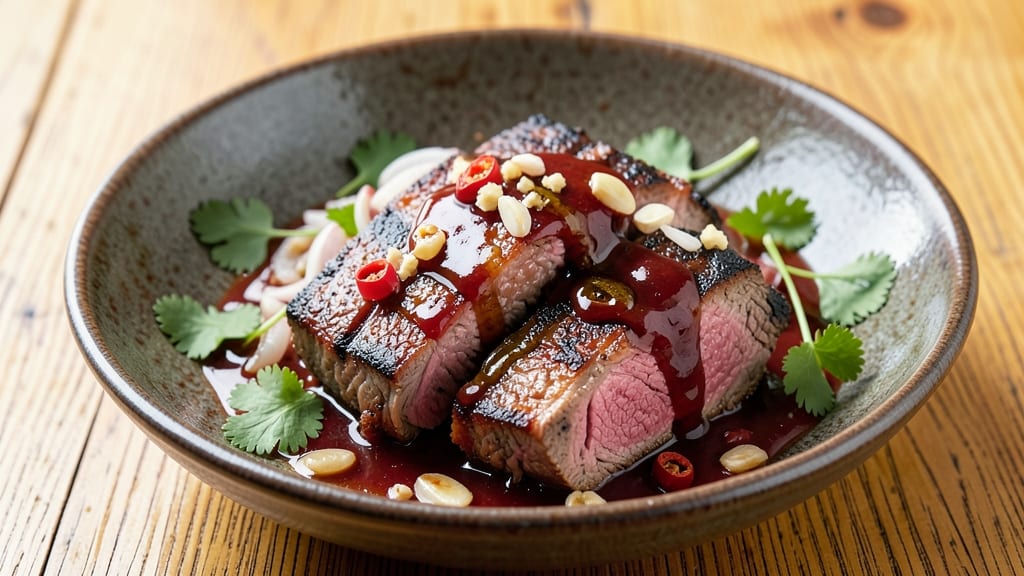
This authentic beef tinga recipe delivers the smoky, spicy, and herbaceous flavors of Mexico’s most beloved braised beef dish. The secret lies in slow-cooking chipotle-infused beef until it practically melts off the bone, then finishing it with fresh cilantro and a touch of lime for brightness.
I spent years perfecting this technique—from marinating the beef to achieving that perfect balance of smoky heat and tender texture.
The key to authentic tinga is patience. You’ll start by searing the beef to lock in flavors, then simmer it in a rich, smoky chipotle-adobo sauce until fork-tender.
The slow cook transforms tough cuts into melt-in-your-mouth perfection, while the final toss with fresh cilantro and lime adds that vibrant, restaurant-quality finish. This isn’t just a dish—it’s an experience that tastes like a trip to Oaxaca.
What you’ll end up with is a dish that’s rich, smoky, and packed with layers of flavor—ideal for tacos, burritos, or serving over warm tortillas with refried beans and Mexican rice. The sauce clings to every bite, delivering that signature tinga fire without overpowering the natural richness of the beef.
This recipe is designed to impress, whether you’re cooking for a crowd or treating yourself to a taste of Mexico.
Ready to master this classic? The process is straightforward, but the results are anything but ordinary. Let’s get started—your taste buds will thank you.
Ingredients for authentic beef tinga
The secret to authentic tinga lies in these smoky, herbaceous ingredients that transform tough beef into melt-in-your-mouth perfection.
| Ingredient | Amount | Notes |
|---|---|---|
| Chuck Roast 🥩 | 1 ½ lb | Tough cut for tender results |
| Chipotle Peppers in Adobo 🌶️ | 2 whole | With sauce, minced finely |
| Adobo Sauce 💧 | ½ cup | From chipotle jar |
| Garlic Cloves 🧄 | 6 cloves | Peeled, minced finely |
| White Onion 🧅 | 1 whole | Diced medium |
| Fresh Cilantro 🌿 | ½ cup | Chopped finely for finish |
| Lime 🍋 | 1 whole | Juiced, zest optional |
| Olive Oil 🫒 | ¼ cup | Extra-virgin preferred |
| Beef Broth 💧 | 1 cup | Low-sodium preferred |
| Tomato Paste 🍅 | 2 tbsp | Smooth, no lumps |
| Ground Cumin 🌿 | 1 tsp | Toasted for depth |
| Dried Oregano 🍃 | 1 tsp | Mexican preferred |
| Salt 🧂 | 1 tsp | Kosher preferred |
| Black Pepper 🌶️ | ½ tsp | Freshly ground |
The chuck roast is non-negotiable here—its collagen-rich fat turns into tender, flavorful sauce. Grab a 3-4 lb roast from the butcher section (not pre-cut) for best results, or ask for chuck roll if you want to trim it yourself. For the chipotle peppers, La Costeña or Goya brands are my go-to—they deliver consistent heat and smokiness. Always use the adobo sauce from the jar, not just the peppers—it’s packed with flavor. Toast the cumin seeds for 30 seconds in a dry pan before grinding if you’re using whole cumin; it makes all the difference.
No chipotle peppers? Smoked paprika plus a pinch of cayenne can mimic the smokiness, though it won’t have the same depth. Fresh cilantro is ideal, but dried works at one-third the amount if you’re in a pinch. The tomato paste can be swapped for fire-roasted crushed tomatoes (about 1/2 cup) if you prefer convenience. For the beef broth, avoid the ultra-low-sodium versions—they lack depth. If you’re short on time, canned diced tomatoes (drained) can replace the tomato paste, but you’ll lose some of that rich, caramelized flavor. The white onion should be sweet, not bitter—look for firm, pale globes at the store.
This sauce tastes even better the next day as the flavors meld. Store leftovers in an airtight container in the fridge for up to 5 days, or freeze for 3 months in portion-sized containers. I like to make a double batch—one for tacos tonight and one to reheat for lunches all week. The chipotle peppers and adobo sauce can be prepped ahead and stored in the fridge for 2 weeks, so don’t rush that step. When reheating, add a splash of water or broth to prevent drying out—this sauce is all about that silky texture.
Why You'll Love This Recipe
- One-Pot Magic: I swear, this recipe lives in my slow cooker or Dutch oven with zero fuss. Just toss in the chuck roast, adobo sauce, and those smoky chipotles—no chopping, no stress—while the onions and garlic caramelize right into the sauce. Honestly, the hardest part is waiting for it to finish.
- Smoky Depth Bomb: That chipotle-in-adobo paste? It’s the secret weapon. The slow simmer lets the heat mellow into this rich, smoky sweetness that clings to every bite of tender beef. Between us, I’ve never met a taco or bowl that didn’t improve with this stuff.
- Taco Night Every Day: Between us, this is my lazy Sunday-to-Wednesday go-to. Use it shredded in tacos, stuffed in burritos, or dumped over rice—even my picky teen devours it. The leftovers? They’re just as good reheated, which means I’m basically winning at life.
- Budget Tender Luxury: A chuck roast stretches for days, and the adobo sauce costs pennies compared to pre-made rubs. I’ll be real: my grocery bill dropped when I started making this. Plus, the flavor is so bold, you’ll never miss overpriced restaurant versions.
Step-by-step instructions for authentic beef tinga
This method delivers smoky, tender beef tinga with perfect texture and depth of flavor.
Sear the Chuck Roast Until Deeply Browned
Pat the 1.5 lb chuck roast dry with paper towels—this ensures maximum browning and flavor development. Heat 0.25 cup olive oil in a heavy Dutch oven over medium-high heat until shimmering. Add the chuck roast and sear on all sides for 8-10 minutes total, pressing down gently to prevent curling. You're aiming for deep golden-brown crusts that will form the flavor base for your tinga.
Once browned, remove the roast and set it aside. The goal here isn't just to cook the meat but to create those Maillard reaction flavors that will infuse your sauce. Don't rush this step—patience now means richer flavor later. The roast will finish cooking in the sauce, so it doesn't need to be fully tender yet.
Build the Smoky Chipotle Base
In the same Dutch oven, reduce heat to medium and add 6 cloves minced garlic and 1 whole white onion (diced medium). Sauté for 5-6 minutes until the onion softens and becomes translucent. Here's where the magic happens: add 2 whole chipotle peppers in adobo, minced finely, along with 0.5 cup adobo sauce. Cook for another 3 minutes, stirring constantly to distribute those smoky flavors.
This isn't just about adding heat—it's about building layers of flavor. The chipotle peppers should be fully incorporated into the onions and garlic, releasing their smoky essence. If you notice the mixture darkening too quickly, reduce heat slightly to prevent burning. The goal is deep, rich color without charring.
Develop the Sauce with Tomato and Spices
Stir in 2 tbsp tomato paste and cook for 2 minutes until it darkens slightly. This step creates the sauce foundation that will carry all the flavors. Add 1 tsp ground cumin, 1 tsp dried oregano, 1 tsp salt, and 0.5 tsp black pepper, stirring to combine. The spices should dissolve completely into the mixture, creating an aromatic paste.
Now pour in 1 cup beef broth and scrape up any browned bits from the bottom of the pot—this fond contains concentrated flavor. Return the seared chuck roast to the pot, along with 1 cup beef broth (if using the same pot, adjust total to 2 cups for proper liquid level). Bring to a gentle simmer, then reduce heat to low and cover partially. Let it cook for 1.5 hours, stirring occasionally.
Shred and Finish with Fresh Herbs
After 1.5 hours, the chuck roast should be fork-tender—easily shredding with two forks. Remove the roast and shred it directly in the pot, breaking it into small, even pieces. The meat should pull apart cleanly with minimal resistance. Return the shredded beef to the pot and stir to combine with the sauce.
Increase heat to medium and simmer uncovered for 5-7 minutes to reduce the sauce slightly. Finish with 0.5 cup chopped fresh cilantro and the juice of 1 whole lime. Taste and adjust seasoning—you might need a touch more salt to balance the smoky flavors. The tinga should have rich, smoky depth with bright acidity from the lime and freshness from the cilantro.
Rest and Serve for Maximum Flavor
Let the tinga rest for 10 minutes before serving. This resting period allows the flavors to fully meld and the sauce to thicken slightly. Serve immediately over corn tortillas or with warm tortilla chips for dipping. The authentic tinga should have tender beef, smoky chipotle heat, and bright, fresh cilantro in every bite.
For best results, make this ahead and let it sit overnight—flavors develop even more over time. The tinga will thicken as it cools, making it perfect for tacos, burritos, or as a filling for enchiladas. Each bite should deliver complex layers of smoky, spicy, and savory that define authentic Mexican street food.
Pro Tips For Making Authentic Beef Tinga
- Braise the Roast Low and Slow: Chuck roast needs time—don’t rush it. After searing, drop the heat to 300°F (150°C) and let it cook for 3–4 hours until fork-tender. I used to crank it up thinking it’d speed things along, but low and slow is the only way to avoid dry, stringy meat.
- Blend the Adobo Paste Smooth: Chipotle peppers in adobo sauce can be clumpy—blend them with the sauce until completely smooth before adding to the pot. I learned this the hard way when I just chopped them; now the sauce coats the beef evenly instead of floating in bits.
- Deglaze with Adobo First: After browning the beef, don’t reach for water or broth—use ½ cup of the adobo sauce to deglaze the pan. It pulls up all the meaty flavors that would otherwise disappear into the sink.
- Rest the Beef Before Slicing: Let the beef rest for 10–15 minutes under foil before slicing. I was skeptical until I tried it—now my tinga stays juicy instead of turning into a sad, dry pile of shreds. (Yes, even if you’re impatient like me.)
Regional styles of this authentic beef tinga
Oaxacan Street Style
In Oaxaca, beef tinga is often made with chipotle morita peppers (darker, earthier than the typical chipotle) and finished with hoja santa leaves for an aromatic twist. The sauce is typically thicker, almost paste-like, and served with handmade corn tortillas and quesillo cheese for a true street-food experience.
Look for La Costeña brand chipotles—they’re a local favorite. 🌶️
Northern Mexican Style
Up north, particularly in states like Coahuila and Nuevo León, tinga incorporates dried guajillo chiles alongside chipotle for a sweeter, fruitier heat profile. The beef is often braised with beer (like Modelo Negra) instead of broth, and finished with pickled red onions for tangy contrast.
This version is slightly lighter but still deeply smoky.
Yucatán Fusion
The Yucatán puts its own spin on tinga by adding achiote paste (about 1 tbsp) to the braising liquid, giving it a rich, reddish hue and nutty depth. Some recipes also include tomato seeds (removed from the fruit) for a slightly grainy texture.
Serve it with sopa de lima (a citrusy consommé) on the side—a classic pairing in Mérida.
Modern Mexican-American
In the U.S., tinga often gets a cheese twist—topped with Oaxaca cheese or Monterey Jack that melts into the sauce. Restaurants like Tacos El Gordo in Los Angeles add avocado crema (blended avocado + sour cream) for creaminess.
The heat level is usually dialed back slightly (using ½ the chipotle peppers) to suit broader palates while keeping the smoky essence intact.
Vegetarian Adaptation
For a plant-based version, swap the beef for mushrooms (like shiitake or portobello) or jackfruit shredded to mimic texture. Use vegetable broth and add 1 tbsp soy sauce for umami depth. The chipotle-adobo base remains the same, ensuring that smoky, spicy profile stays true to the original. 🌱
Regional Serving Styles
In Mexico City, tinga is often served as a taco filling with crumbled queso fresco and sliced radishes. In Puebla, it’s common to find it stuffed into sopes (thick, crispy masa discs).
For a hearty meal, pair it with charro beans and Mexican rice—the perfect trio to soak up every bit of that smoky sauce. 🍽️
Nutrition facts
Frequently asked questions
Can I use a different cut of beef for this recipe?
While chuck roast is ideal for its fat content and flavor, you can substitute with brisket or short ribs for similar results. Avoid lean cuts like sirloin—they won't develop the same rich texture. If using brisket, trim excess fat first and increase cooking time by 30 minutes to ensure tenderness.
How do I adjust the heat level for sensitive eaters?
Reduce the chipotle peppers to 1 whole pepper (instead of 2) and use only 2 tbsp adobo sauce. For extra mildness, remove the seeds and membranes from the peppers before mincing. You can also add 1 tbsp honey or sugar to balance the heat. The final lime juice will help brighten the flavors without adding more spice.
What's the best way to reheat leftover tinga?
Reheat in a skillet over medium-low heat with 1-2 tbsp beef broth to prevent drying. Stir frequently and cover for 5 minutes to restore moisture. For microwave reheating, cover with a damp paper towel and heat in 30-second intervals until warmed through. Never reheat completely dry—this sauce needs liquid to maintain its silky texture.
Can I make this in a slow cooker?
Sear the beef as directed, then transfer everything to your slow cooker. Cook on low for 6-8 hours or high for 3-4 hours until the beef is fork-tender. The slow cooker method actually enhances tenderness. Finish by simmering in a skillet for 5-7 minutes to reduce the sauce slightly and add the fresh cilantro and lime.
What's the difference between beef tinga and chicken tinga?
The main difference is the protein and cooking time. Chicken tinga uses shredded chicken thighs (never breasts) and cooks for only 20-30 minutes in the sauce. The sauce remains lighter and brighter, while beef tinga develops deeper, richer flavors from the longer braising. Both use the same chipotle-adobo base, but beef tinga benefits from the collagen breakdown that creates a more substantial sauce.