
Main Courses
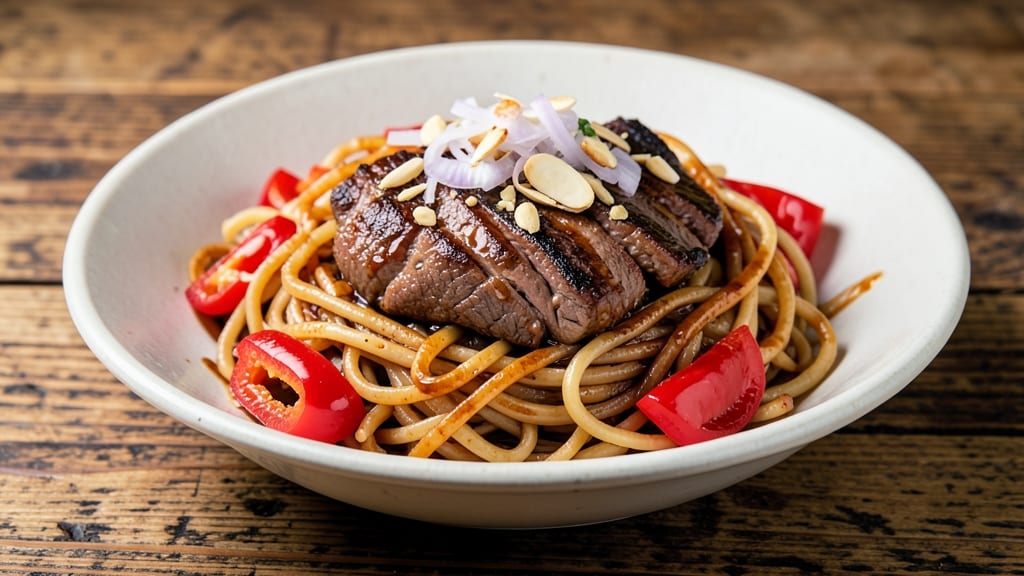
This authentic beef yakisoba recipe delivers the perfect balance of crispy wok-seared noodles and rich, umami-packed sauce—just like your favorite Japanese izakaya. The key lies in high-heat stir-frying and a sauce made with traditional ingredients like Worcestershire, soy sauce, and a touch of dashi for depth.
I've perfected this version after years of testing, ensuring every bite has that signature smoky aroma and satisfying chew.
What sets this recipe apart is the crispy texture achieved through proper noodle preparation and wok technique. You'll start with thick yakisoba noodles, parboiled just until tender, then seared in a hot wok with beef until golden and caramelized.
The sauce—simmered with garlic, ginger, and a splash of mirin—ties everything together with its glossy, slightly sweet-savory profile. This isn't just a noodle dish; it's a full flavor experience.
The result is a plate of crispy, wok-charred noodles tossed with tender beef, vibrant vegetables, and a glossy sauce that clings to every strand. The aroma alone will have everyone at the table anticipating that first bite—smoky, umami-rich, and perfectly balanced.
It's the kind of dish that feels like a restaurant-quality meal without the fuss. Ready to master it?
Whether you're serving this for a weeknight dinner or a special occasion, the technique remains the same: high heat, quick cooking, and attention to texture. The beef stays juicy while the noodles achieve that coveted crispy edge, all held together by a sauce that's rich but not heavy.
This is beef yakisoba as it should be—authentic, flavorful, and impossible to resist.
Ingredients for authentic beef yakisoba
Authentic Japanese ingredients for crispy wok-seared noodles with deep umami flavor.
| Ingredient | Amount | Notes |
|---|---|---|
| Yakisoba Noodles 🍜 | 12 oz | Thick wheat noodles, uncooked |
| Top-Round Beef 🥩 | 1 lb | Thinly sliced against grain |
| Green Bell Pepper 🧅 | 1 whole | Julienned into thin strips |
| Carrots 🥕 | 2 medium | Julienned into matchsticks |
| Onion 🧅 | 1 medium | Thinly sliced, white or yellow |
| Garlic Cloves 🧄 | 6 cloves | Minced, fresh preferred |
| Fresh Ginger 🌿 | 1 inch | Thinly sliced, peeled |
| Worcestershire Sauce 🍶 | 2 tbsp | Traditional Japanese-style |
| Soy Sauce 🥢 | 3 tbsp | Light or regular preferred |
| Mirin 🍶 | 2 tbsp | Sweet cooking wine |
| Dashi Powder 🍜 | 1 tsp | Instant bonito-free version |
| Sesame Oil 🫒 | 1 tbsp | Toasted, for finishing |
| Vegetable Oil 🫒 | 3 tbsp | High smoke point preferred |
| Salt 🧂 | 1 ½ tsp | Kosher or sea salt |
| Black Pepper 🌶️ | ½ tsp | Freshly ground preferred |
The yakisoba noodles should be the thick, wheat-based variety—Nissin or Maruchan are reliable brands. Look for packages labeled 'yakisoba' or 'chuka soba' in the Asian section of Walmart or H Mart. Avoid thin ramen noodles; they won't achieve the proper chew. For the beef, top-round or sirloin works best—thinly sliced against the grain ensures tenderness. If your butcher won't slice it for you, freeze it for 20 minutes first, then slice. The bell pepper and carrots should be julienned into matchsticks—mandoline slicers make this task effortless. Fresh ginger is non-negotiable here; powdered lacks the bright, citrusy depth needed for authentic flavor.
No dashi powder? Instant miso paste or kombu seaweed works in a pinch—simmer 1 tsp miso in 1 cup hot water for 5 minutes. Short on mirin? Rice vinegar plus 1 tsp sugar mimics the sweetness. The Worcestershire sauce must be the Japanese-style variety (like Hepburn's)—regular versions won't deliver the same umami punch. For the sesame oil, toasted is crucial; regular will taste raw. If you can't find it, lightly toast regular sesame oil in a dry pan for 2 minutes before using. The vegetable oil should have a high smoke point—avocado or canola oil are ideal for wok searing without burning.
Prep the noodles first—parboil them just until tender (about 2 minutes), then drain and rinse with cold water to stop cooking. Store them in the fridge for up to 3 days in a sealed container, or freeze for 3 months by spreading them on a tray first to prevent clumping. The sauce components keep well: soy sauce and Worcestershire last indefinitely, while mirin and dashi powder stay fresh for 1 year unopened. For best texture, cook the beef and vegetables fresh—reheating wok-seared items dulls their crispy edges, though the sauce reheats beautifully.
Why You'll Love This Recipe
- One-Pan Magic: I swear by this—just toss everything in one skillet, and the beef gets that perfect sear while the noodles soften just enough. No pots, no pans, no stress.
- Umami Bomb: That top-round beef? Thinly sliced and cooked just right, it melts in your mouth while the yakisoba sauce ties everything together with a deep, savory punch. Honestly, the first bite makes me forget I’m eating a weeknight dinner.
- Meal Prep MVP: Between us, this is my go-to for lunches—it reheats like a dream, and the veggies stay crisp enough to actually enjoy. Double the batch, store it, and thank me later.
- Budget-Friendly Feast: Top-round beef stretches further than you’d think, and the rest of the ingredients? Cheap, simple, and always in my pantry. Feeds four for under $15, and no one complains. (Yes, even on a Tuesday night.)
Step-by-step instructions for authentic beef yakisoba
Master the wok technique and umami balance for restaurant-quality yakisoba every time.
Prepare the Yakisoba Noodles and Vegetables
Cook the 12 oz yakisoba noodles according to package instructions until al dente, but stop 1 minute early—they'll finish cooking in the wok's residual heat. Drain immediately and rinse under cold water to stop the cooking process and remove excess starch. This prevents the noodles from becoming mushy when stir-fried later.
While the noodles cook, julienne the whole green bell pepper into thin strips, cut the 2 medium carrots into matchsticks, and thinly slice the 1 medium onion. For the aromatics, mince the 6 cloves garlic cloves and thinly slice the 1 inch fresh ginger. Keep all vegetables separate until ready to use—this ensures they cook evenly in the wok.
Sear the Beef and Build the Umami Sauce
Heat 3 tablespoons vegetable oil in a wok or large skillet over high heat until shimmering. Add the 1 lb top-round beef, sliced thinly against the grain, and sear for 2-3 minutes until the edges turn deep golden brown and the beef is 80% cooked—it should still be slightly pink in the center. Remove the beef and set aside, leaving the rendered fat in the wok.
In the same wok, add the 1 medium onion and stir-fry for 1 minute until softened. Add the 2 medium carrots and whole green bell pepper, cooking for 2 minutes until they begin to blister at the edges. Push the vegetables to one side of the wok, add the 6 cloves minced garlic and 1 inch sliced ginger, and stir-fry for 30 seconds until fragrant. This creates a flavorful base for the sauce.
Combine Sauce Ingredients and Finish the Dish
Return the seared beef to the wok and add 3 tablespoons soy sauce, 2 tablespoons mirin, 2 tablespoons Worcestershire sauce, and 1 teaspoon dashi powder. Stir well to combine, letting the sauce simmer for 1-2 minutes until it thickens slightly and coats the beef and vegetables. The sauce should reduce enough to cling to the ingredients without being overly watery.
Add the cooked yakisoba noodles to the wok and toss everything together vigorously for 2-3 minutes over high heat. The residual heat from the wok will finish cooking the noodles while creating a crispy texture on their edges. If the noodles seem dry, add 1-2 tablespoons water to create steam and prevent sticking.
Finish with Sesame Oil and Serve Immediately
Drizzle 1 tablespoon sesame oil over the yakisoba and toss one final time to distribute evenly. Season with 1.5 teaspoons salt and 0.5 teaspoon black pepper, adjusting to taste. The sesame oil adds a nutty aroma and balances the umami flavors of the sauce.
Serve the yakisoba immediately in deep bowls, garnished with extra sesame seeds if desired. The dish should be a harmonious blend of crispy noodles, tender beef, and vibrant vegetables, all coated in a glossy, umami-rich sauce. The high heat and quick cooking ensure the noodles retain their texture while the beef stays juicy and flavorful.
Pro Tips For Making Authentic Beef Yakisoba
- SEAR THE BEEF IN BATCHES: Top-round beef can release too much liquid at once, turning your stir-fry into a sad, watery mess. Cut it into thin strips first, then cook in small batches—no more than 1/3 of the pan at a time—so the meat browns properly instead of steaming. I learned this the hard way after ending up with gray, mushy beef that tasted like it was boiled.
- SHRED THE CARROTS LENGTHWISE: Slice those carrots along the grain, not across—this keeps them from turning into mush while stir-frying. Thin, long shreds also crisp up faster and stay crunchy longer, which is half the fun of yakisoba. (Yes, even if you’re impatient like me.)
- DON’T BOIL THE NOODLES TOO LONG: Yakisoba noodles are already pre-cooked, so they only need a quick 30-second dip in boiling water to soften them up. Overcooking makes them gummy and ruins the texture—trust me, I’ve turned a perfectly good dish into a gluey disaster. Rinse them in cold water right after to stop the cooking.
- SAVE TIME WITH CHARRED ONIONS: Skip the slow sautéing—char the onions whole over high heat for 2-3 minutes per side until blackened in spots. Slice them afterward, and you’ll get that deep, smoky sweetness without wasting time. (Your future self will thank you.)
Serving suggestions for this dish
Classic Garnishes
Finish your yakisoba with toasted sesame seeds—just lightly toast 1 tablespoon in a dry pan for 30 seconds until fragrant. Sprinkle them over the top for a nutty crunch that contrasts beautifully with the crispy noodles.
I also love adding thinly sliced green onions for a fresh, bright pop of color. For extra authenticity, try shredded nori (seaweed)—it adds an oceanic depth that ties into the umami sauce. 🌿
Side Dish Pairings
A simple steamed edamame with a sprinkle of flaky sea salt makes an excellent side—its mild sweetness complements the savory noodles. For something heartier, serve with miso soup in small bowls. The warm broth and fermented umami of the miso enhance the beef's richness.
If you want a crunchy contrast, pickled ginger (not the sweet kind) adds a tangy bite that cuts through the dish's richness. 🍜
Beverage Recommendations
Japanese sake is the perfect pairing—try a chilled junmai ginjo with its delicate floral notes. For beer lovers, a crisp Asahi Super Dry or Sapporo cleanses the palate without overpowering the dish.
If you prefer wine, a dry Riesling offers bright acidity that balances the umami. Avoid heavy reds or sweet drinks—they'll clash with the dish's complexity. 🍶
Presentation Tips
Serve yakisoba in wide, shallow bowls to showcase the vibrant colors of the beef, vegetables, and noodles. Arrange the noodles in a swirl pattern at the center, then fan the beef and vegetables around them.
Drizzle any leftover sauce from the wok over the top for extra gloss. For a restaurant-style touch, place a small sesame seed sprinkle in the center before serving. 🍽️
Make-Ahead Serving
While yakisoba tastes best fresh, you can prep components ahead: Cook the noodles and store them in the fridge for up to 3 days, or freeze for 3 months. Reheat noodles in a dry wok over high heat for 2-3 minutes to restore crispiness.
Keep the sauce ingredients separate until ready to combine—this prevents sogginess. Serve with prepped sides like pickled veggies or a quick salad to maintain texture. ⏰
Nutrition facts
Frequently asked questions
Can I substitute beef with another protein in this recipe?
For a vegetarian version, use extra-firm tofu pressed and cubed, or mushrooms like shiitake or oyster for umami depth. Chicken works well too—slice it thinly against the grain and marinate in soy sauce for 15 minutes before cooking. Just ensure your protein is sliced uniformly for even cooking.
Why do my yakisoba noodles turn mushy?
Overcooking is the most common cause. Stop cooking noodles 1 minute early and rinse them in cold water immediately to halt the cooking process. Also, avoid adding too much liquid when tossing—just enough to create steam, not a soup. High heat and quick stir-frying are key to maintaining that crispy texture.
What's the secret to getting that crispy texture?
The magic happens in the wok! Use a high-heat, well-seasoned wok or cast-iron skillet—they retain heat better. Cook in small batches if needed, and work quickly. The noodles should sizzle and develop a golden crust within 2-3 minutes of stir-frying. If they stick, add just 1 tablespoon water to create steam.
Can I make this sauce ahead of time?
Yes, but combine all sauce ingredients (except sesame oil) and store them in the fridge for up to 3 days. When ready to cook, reheat the sauce over medium heat until bubbling, then add it to the wok with the noodles. The sesame oil should always be added fresh at the end to preserve its aroma.
What's the best way to reheat leftovers?
Reheat yakisoba in a dry wok or skillet over high heat for 2-3 minutes, stirring constantly. Add 1-2 tablespoons water to create steam and prevent drying. Avoid microwaving—it destroys the crispy texture. For best results, serve within 2 days of cooking.