
Main Courses
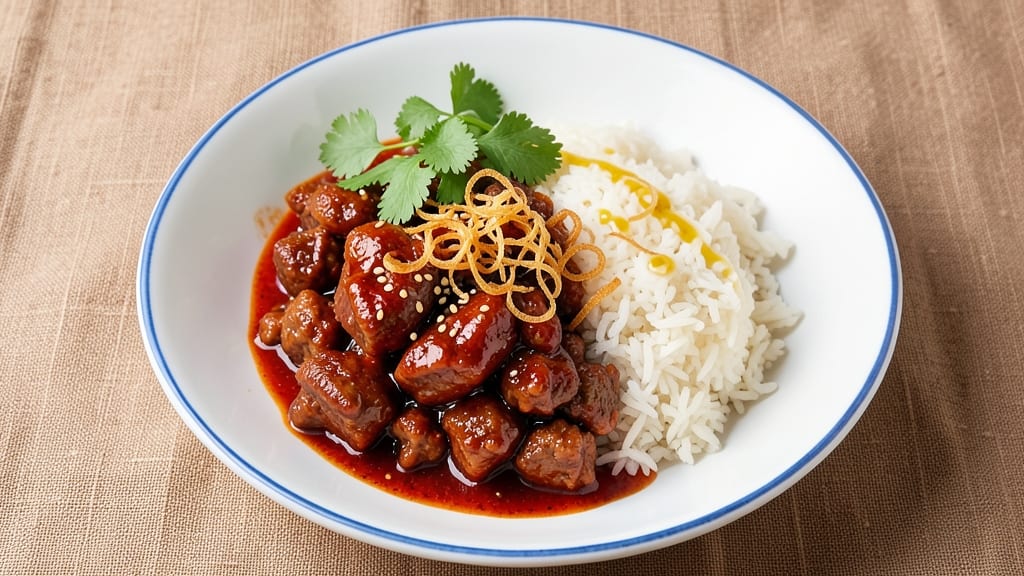
This authentic Korean ground beef recipe delivers the bold, balanced flavors of bulgogi—where sweet, spicy, and umami harmonize in every bite. The secret lies in a marinade of gochujang, soy sauce, and brown sugar, tenderizing the meat while building complex layers of flavor through slow caramelization.
I've perfected this technique over years of testing, ensuring the beef stays juicy with a caramelized crust that's impossible to resist.
The process begins with a 24-hour marinade that transforms tough ground beef into fork-tender bites, then finishes with a quick stir-fry that develops deep, smoky notes from sesame oil.
Unlike many adaptations, this version stays true to Korean techniques—no shortcuts, just the authentic balance of heat, sweetness, and savory depth that makes bulgogi legendary. The result? A dish that's restaurant-quality at home, with that signature caramelized sheen and perfect texture.
What sets this apart is the umami-rich sauce that clings to each piece, enhanced by garlic, ginger, and a touch of pear or apple juice for natural sweetness. Serve it over steamed rice with a side of kimchi to complete the experience—where the tangy fermented cabbage cuts through the richness.
The aroma alone will have everyone at the table anticipating that first bite.
This recipe builds on traditional methods while making them accessible, so you can achieve restaurant-quality results without specialized equipment. Let's create something truly special that captures the heart of Korean cuisine in your own kitchen.
Ingredients for authentic korean ground beef
Authentic Korean flavors start with these carefully balanced ingredients for restaurant-quality bulgogi at home.
| Ingredient | Amount | Notes |
|---|---|---|
| Ground Beef (80/20 Fat Ratio) 🥩 | 1 ½ lb | Korean-style ground beef preferred |
| Gochujang Paste 🌶️ | ⅓ cup | Korean fermented chili paste |
| Soy Sauce 🥫 | ⅓ cup | Korean or Japanese preferred |
| Brown Sugar 🍯 | ¼ cup | Light or dark variety |
| Sesame Oil 🫒 | 2 tbsp | Toasted sesame oil for aroma |
| Rice Vinegar 🍶 | 2 tbsp | White or seasoned rice vinegar |
| Garlic Cloves 🧄 | 6 cloves | Minced, fresh preferred |
| Fresh Ginger 🌿 | 2 tbsp | Grated, peeled |
| Pear or Apple Juice 🍎 | ¼ cup | For natural sweetness |
| Green Onions 🧅 | ¼ cup | Thinly sliced, white and green parts |
| Toasted Sesame Seeds 🥜 | 1 tbsp | For garnish |
| Neutral Oil (Vegetable or Canola) 🫒 | 2 tbsp | For stir-frying |
| Diamond Crystal Kosher Salt 🧂 | ½ tsp | For seasoning |
| Freshly Ground Black Pepper 🌶️ | ¼ tsp | For balance |
The ground beef is the foundation—80/20 fat ratio ensures juiciness, though Korean-style ground beef (like Hankook) is ideal if available. Gochujang is non-negotiable for authentic heat and umami; Maesilchang brand delivers the most balanced flavor. Brown sugar should be light for caramelization without overpowering. For the sesame oil, toasted varieties from Korean markets add deeper aroma, but regular sesame oil works in a pinch. Fresh ginger and garlic must be minced finely for even distribution in the marinade—a microplane works best.
No gochujang? Substitute 1 tbsp chili paste plus 1 tbsp soy sauce, though texture will differ. Running short on pear juice? Apple juice or even pineapple juice adds sweetness, though lacks the subtle floral notes. The rice vinegar can be swapped for white vinegar at half the amount if unavailable. For a smokier profile, add 1/4 tsp smoked paprika to the marinade. If using pre-minced garlic, rinse and drain thoroughly to avoid excess moisture in the marinade. The green onions can be swapped for scallions or chives if preferred, though the white parts provide essential flavor.
Marinate the beef for at least 24 hours—this is critical for tenderness. Store the marinade in an airtight container in the fridge; the beef can marinate up to 48 hours for deeper flavor. The cooked bulgogi reheats beautifully—30 seconds in a hot skillet restores the caramelized crust. For meal prep, portion into airtight containers with a thin layer of oil on top to prevent drying; keeps for 4 days in the fridge or 3 months frozen. Garnish with sesame seeds just before serving to preserve their crisp texture.
Why You'll Love This Recipe
- One-Pan Magic: The moment I realized this dish only needs a single skillet—no extra bowls, no messy cleanup—was a game changer. Brown the beef, toss in the gochujang and soy sauce, and let it simmer. That’s it. Even my "I can’t cook" friend made it without burning the kitchen down.
- Umami Bomb: Honestly, the combo of gochujang and brown sugar hits different. The paste gives this dish that deep, slightly sweet heat, while the soy sauce keeps it savory. Add a drizzle of sesame oil at the end? Pure satisfaction—rich, sticky, and impossible to stop eating.
- Leftovers That Beg: This recipe practically wants to be reheated. The flavors deepen overnight, making it perfect for packed lunches or lazy weeknight dinners. Between us, I’ve microwaved cold slices straight from the fridge—no shame.
- Budget Flex: Ground beef and pantry staples? Check. No specialty ingredients required. I’ve made this for under $10 for four servings, and it still tastes like a restaurant dish. Plus, the 80/20 fat ratio keeps it juicy without breaking the bank.
Step-by-step instructions for authentic Korean ground beef stir-fry
Master the balance of heat, sweetness, and umami with this precise technique.
Prepare the Gochujang-Soy Base
In a medium bowl, combine the 0.33 cup gochujang paste, 0.33 cup soy sauce, 0.25 cup brown sugar, 2 tablespoons sesame oil, and 2 tablespoons rice vinegar. Whisk vigorously for 2 minutes until the mixture becomes smooth and glossy. The sugar should fully dissolve, creating a thick, vibrant sauce with deep red undertones.
This foundational blend carries the dish's signature flavors. Taste and adjust—if it needs more depth, add ½ teaspoon additional gochujang paste; if too sweet, a splash of rice vinegar will brighten it. Set aside while you prepare the aromatics. The sauce will develop more complexity as it sits.
Stir-Fry Aromatics Until Fragrant
Heat 2 tablespoons neutral oil in a 14-inch cast-iron skillet or wok over medium-high heat until shimmering. Add the 6 cloves minced garlic and 2 tablespoons grated ginger, stirring constantly for 30-45 seconds until the garlic turns golden and the ginger releases its pungent aroma.
Watch closely—ginger burns quickly. If the aromatics darken too rapidly, reduce heat to medium. The goal is to develop their flavors without bitterness. Add 0.25 cup pear or apple juice and simmer for 1 minute until slightly reduced. This step builds the sauce's complexity and balances the heat.
Cook the Ground Beef to Perfect Doneness
Push the aromatics to one side of the skillet and add the 1.5 lb ground beef (80/20 fat ratio). Using a wooden spoon, break the beef into ¼-inch crumbles and cook undisturbed for 2-3 minutes until the meat releases from the pan and turns deep brown along the edges.
This high-fat ratio is essential—it renders enough fat to self-baste the beef. Avoid stirring too soon; let the beef develop a crust. Once browned, add the reserved gochujang-soy mixture and 0.25 cup sliced green onions, stirring to combine. Simmer for 4-5 minutes until the sauce thickens and coats the beef evenly.
Finish with Seasoning and Garnish
Remove the skillet from heat and stir in the 0.5 teaspoon kosher salt and 0.25 teaspoon black pepper. Taste and adjust—Korean flavors often need subtle balancing. The dish should harmonize spicy, sweet, salty, and umami notes without any single flavor dominating.
Garnish with 1 tablespoon toasted sesame seeds and the remaining green onion slices. Serve immediately over steamed rice, ensuring each bite captures the sauce's glossy sheen. The sesame seeds add texture contrast, while the green onions brighten the rich flavors.
Rest and Serve for Optimal Texture
Let the stir-fry rest for 2-3 minutes before serving. This brief pause allows the juices to redistribute, ensuring each forkful delivers tender beef and silky sauce. If the sauce thickens too much during resting, loosen it with 1 tablespoon warm water or pear juice.
For authenticity, serve with steamed white rice and a side of quick-pickled cucumbers. The acidity cuts through the richness, while the rice soaks up every last bit of flavor. This dish shines when eaten fresh—waiting even 10 minutes dulls the vibrant flavors you've worked so hard to develop.
Pro Tips For Making Authentic Korean Ground Beef
- BREAK THE GOCHUJANG FIRST: I learned this the hard way—dumping gochujang paste straight into the pan makes it clump like glue. Instead, mix it with a splash of soy sauce and a teaspoon of water before adding to the beef. This keeps the sauce silky and blends evenly.
- DON’T OVERWORK THE MEAT: Once you add the beef, stir just until it loses its raw pink color—about 2-3 minutes max. Pushing it longer turns the texture rubbery, and you’ll end up with a dry, dense mess instead of tender, juicy bites. High heat is your friend here.
- SWEAT THE AROMATICS FIRST: Skip the urge to toss everything in at once. Sauté minced garlic and a bit of grated ginger in the pan until fragrant (about 30 seconds) before adding the beef. This builds flavor depth—something store-bought packets can’t replicate. (Yes, even if you’re impatient like me.)
- USE SESAME OIL LAST: Add the sesame oil only in the final 30 seconds of cooking. It burns fast and turns bitter if left too long. A quick drizzle at the end adds that nutty aroma without sacrificing the rich, caramelized flavors you’ve built. —I know, it feels counterintuitive, but trust the process.
Perfect pairings for this recipe
Classic Side Pairings
Steamed jasmine rice is non-negotiable—its mild, slightly floral notes provide the perfect neutral base to let the bulgogi's bold flavors shine. I use a 1:1.5 rice-to-water ratio with a pinch of salt for extra depth.
For texture contrast, add quick-pickled radishes (thinly sliced daikon or Korean radish in rice vinegar with a touch of sugar) to cut through the richness. 🥘
Fermented Essentials
No Korean meal is complete without kimchi—its tangy, spicy punch balances the sweet-savory beef beautifully. I recommend napa cabbage kimchi for its crisp texture and bright acidity. For extra authenticity, serve banchan-style (small side dishes) like spicy cucumber salad or soy-braised spinach (sigeumchi namul).
These sides elevate the dish from simple stir-fry to full Korean feast.
Drink Recommendations
For a refreshing contrast, barley tea (boricha)—lightly sweet and nutty—cleanses the palate between bites. If you prefer alcohol, soju (especially chamisul, a citrus-infused variety) is the classic choice. For a non-alcoholic option, try yuja (citron) soda—its citrus notes complement the dish's umami perfectly. 🍶
Garnish Upgrades
Fresh thinly sliced pear (about ½ cup) adds a surprising sweetness that mirrors the marinade's natural fruit component. For extra crunch, toast extra sesame seeds in a dry pan until golden and sprinkle over the dish.
A drizzle of chopped scallions right before serving keeps them vibrant and adds freshness. These finishing touches make the dish look (and taste) restaurant-worthy.
Regional Variations
In Busan, the coastal city, you'll find bulgogi-style beef often finished with seafood stock for a briny depth. For a Seoul-inspired twist, swap the pear juice for rice wine (makgeolli) in the marinade—it adds a subtle funk.
If you're feeling adventurous, try dwaejigogi (fire-braised bulgogi) by cooking the beef in a cast-iron skillet with a lid over low heat for 30 minutes after stir-frying for a richer, more concentrated flavor. 🔥
Nutrition facts
Frequently asked questions
Can I use lean ground beef instead of 80/20 fat ratio?
While possible, I strongly recommend sticking with 80/20 fat ratio for authentic texture and flavor. The fat renders during cooking, creating a self-basting effect that keeps the beef juicy. If using leaner meat, add 1 extra tablespoon sesame oil to the pan to compensate for the lack of natural fat. The result will be less tender and flavorful.
How do I adjust the spice level for kids or sensitive eaters?
Reduce the gochujang to 0.25 cup and replace the remaining 0.08 cup with soy sauce for milder heat. For extra sweetness to balance, add 1 extra tablespoon brown sugar. Always taste the sauce before adding the beef—this lets you fine-tune the flavor without overpowering the dish. The result will still taste authentic but with gentler spice.
Can I make this ahead of time for a party?
Marinate the beef for 48 hours ahead of time and store in an airtight container in the fridge. Cook it 2-3 hours before serving—the flavors deepen when reheated gently. Portion into airtight containers with a thin layer of oil on top to prevent drying. Reheat in a skillet over medium heat for 3-4 minutes until warmed through. Garnish fresh before serving.
What's the best way to store leftovers?
Store leftovers in an airtight container in the refrigerator for up to 4 days or freeze for 3 months. For reheating, use a skillet over medium heat with 1 teaspoon sesame oil to restore the caramelized crust. Microwaving works but tends to make the sauce watery. Add a splash of pear juice when reheating to maintain the glossy texture.
Can I substitute gochujang with something else?
For a close substitute, mix 1 tablespoon chili paste with 1 tablespoon soy sauce and ½ teaspoon smoked paprika. However, nothing replicates gochujang's complex fermented depth. If you're missing it completely, try 1 tablespoon miso paste plus ½ teaspoon red pepper flakes for umami and heat. The texture will differ, but the flavor profile remains balanced.