
Main Courses
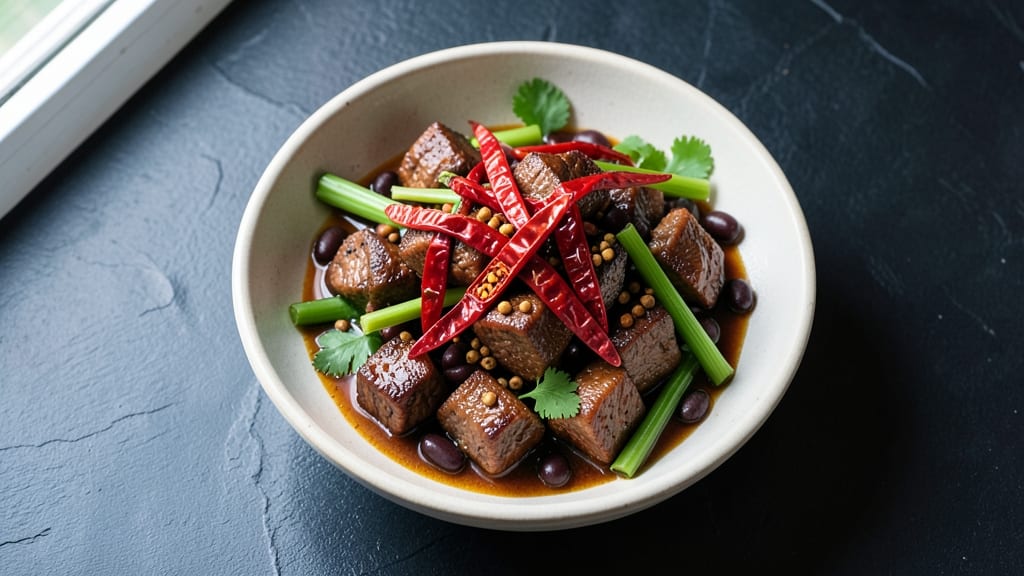
This authentic kung pao beef recipe delivers the bold, fiery flavors of Sichuan cuisine right to your kitchen—no shortcuts, no substitutes. The secret lies in balancing Sichuan peppercorns for that signature numbing heat, chili oil for smoky depth, and a sweet-savory sauce that clings to every bite.
I’ve perfected this technique over years of testing, ensuring the beef stays tender while the vegetables blister just enough for texture contrast.
The dish begins with a quick marinade of soy sauce, cornstarch, and a touch of baking soda to tenderize the beef, followed by a high-heat stir-fry that unlocks the wok hei—that coveted smoky breath of the wok.
Fermented black beans and dried chilies add umami and heat, while roasted peanuts deliver the signature crunch. Every element comes together in a symphony of spicy, sweet, and slightly tangy notes that define this Sichuan classic.
What sets this recipe apart is the authentic technique: tossing the beef in small batches to ensure even cooking, blooming the aromatics in hot oil, and finishing with a splash of Shaoxing wine to brighten the sauce.
The result? A dish that’s restaurant-quality—crispy edges on the beef, vibrant red-green peppers, and a sauce that’s sticky, spicy, and irresistibly addictive.
Serve it over steamed rice to soak up every last drop of that complex, flavor-packed sauce. The leftovers? Even better the next day as the flavors meld further. Let’s get cooking—this is kung pao beef done right.
Ingredients for authentic kung pao beef
Authentic Sichuan flavors start with these carefully selected ingredients—each playing a crucial role in the dish's signature balance.
| Ingredient | Amount | Notes |
|---|---|---|
| Beef Chuck Roast 🥩 | 1 ½ lb | Cut into 1-inch cubes, boneless |
| Sichuan Peppercorns 🌶️ | 1 tbsp | Toasted for authentic numbing heat |
| Dried Red Chilies 🔥 | 1 tbsp | Whole, stems removed |
| Fermented Black Beans 🫘 | ½ cup | Rinsed, drained |
| Shaoxing Wine 🍷 | ¼ cup | Dry Chinese cooking wine |
| Light Soy Sauce 🥫 | ½ cup | Kikkoman preferred |
| Cornstarch 🌾 | 2 tbsp | For tenderizing beef |
| Ginger Root 🧄 | 1 ½ tbsp | Fresh, finely grated |
| Garlic Cloves 🧄 | 6 cloves | Minced, aromatic |
| Red Bell Pepper 🌶️ | 1 whole | Sliced into strips |
| Green Bell Pepper 🥒 | 1 whole | Sliced into strips |
| Roasted Peanuts 🥜 | ½ cup | Crushed, unsalted |
| Vegetable Oil 🫒 | ½ cup | High smoke point |
| Baking Soda 🧪 | ¼ tsp | For tenderizing |
| Sugar 🍚 | 1 ½ tbsp | White granulated |
The beef chuck roast is non-negotiable—its fat content ensures tender, flavorful bites. Look for well-marbled cuts at Asian markets or specialty butchers, where they often carry pre-cut versions for stir-fries. Sichuan peppercorns must be toasted in a dry pan until fragrant (about 2 minutes) to unlock their signature numbing heat—don't skip this step. For fermented black beans, H Mart or 99 Ranch carry the best quality in sealed packages, preserving their umami depth. The ginger and garlic should be freshly grated and minced respectively, as frozen versions lack the aromatic punch this dish demands.
No Sichuan peppercorns? Substitute with a mix of black pepper and cayenne at half the amount, though you'll lose that signature tingling sensation. Dried chilies can be omitted entirely if you prefer less heat, but the fermented black beans are essential—their funky, salty flavor anchors the dish. Shaoxing wine isn't just alcohol; it's the soul of the sauce. Trader Joe's carries a decent bottle, but authentic versions are available at Asian grocery stores. For the peppers, any bell pepper variety works, but stay true to the red and green combination for that classic color contrast. The roasted peanuts should be crushed just enough to maintain texture—no fine powder.
Store the raw beef marinade in an airtight container for up to 24 hours in the fridge, though fresh is ideal. The toasted Sichuan peppercorns lose potency after 2 weeks, so grind them fresh each time. Once cooked, the dish reheats beautifully—simmer gently with a splash of water to restore moisture. For leftovers, portion into containers with a thin layer of oil on top to preserve that crispy texture. The sauce thickens as it cools, so don't over-worry about consistency during cooking—it'll come together.
Why You'll Love This Recipe
- One-Pan Magic: I swear by this recipe—just one skillet, a few minutes of prep, and you’re done. The beef chuck roast gets tender while the Sichuan peppercorns toast right in the same pan, so no extra bowls or mess. Honestly, the only cleanup is rinsing one utensil.
- Fiery-Sweet Balance: That first bite? Chef’s kiss. The fermented black beans add umami depth, the dried red chilies bring heat without overpowering, and the Shaoxing wine cuts through it all like a silk ribbon. It’s not just spicy—it’s complex, smoky, and addictive in the best way.
- Weeknight to Dinner Party: I make this when I’m too tired to think (Tuesday nights, anyone) but also when I’m hosting because it always impresses. Serve it over rice with a side of cucumbers to cool the palate, and suddenly you’ve got a restaurant-worthy dish without the fuss.
- Budget-Friendly Feast: Beef chuck roast is cheaper than sirloin but just as tender when sliced thin—plus, the fermented black beans and Sichuan peppercorns stretch the flavor. A single batch feeds four, and leftovers reheat like a dream. Between us, this is how I feed my family for under $15.
Step-by-step instructions for authentic kung pao beef
Here's the method I use to deliver the signature balance of Sichuan heat, sweetness, and crunchy texture in every bite.
Tenderize the Beef Using the Baking Soda Method
In a large bowl, combine the 1.5 lb beef chuck roast cut into 1-inch cubes, the 2 tbsp cornstarch, and the 0.25 tsp baking soda. The baking soda works like a magic tenderizer—it breaks down the muscle fibers to create melt-in-your-mouth texture. Add 0.25 cup Shaoxing wine and toss everything together until the beef is evenly coated. Let it marinate for 20-30 minutes at room temperature.
While the beef marinates, prepare the Sichuan spice blend by lightly toasting the 1 tbsp Sichuan peppercorns and 1 tbsp dried red chilies in a dry skillet over medium heat for 1-2 minutes until fragrant. This activates their flavors and removes any raw bitterness. Transfer them to a mortar and pestle or small bowl and crush them lightly—you want to release their oils but not make them into a powder.
Stir-Fry the Beef Until Caramelized
Heat 0.25 cup vegetable oil in a wok or large skillet over high heat until shimmering. Working in batches to avoid crowding, add the marinated beef and stir-fry for 2-3 minutes until the exterior develops a deep golden-brown crust. The high heat is crucial here—it creates that signature caramelized flavor. Remove the beef and set aside.
In the same wok, add the 0.5 cup fermented black beans and stir-fry for 1 minute until they darken slightly. Add the 6 cloves minced garlic and 1.5 tbsp finely grated ginger root, cooking for 30 seconds until fragrant. This aromatic base will form the flavor foundation of your dish. The reason we cook the garlic and ginger separately is to prevent them from burning before the beef is fully cooked.
Build the Signature Kung Pao Sauce
Return the beef to the wok and add 0.5 cup light soy sauce, 1.5 tbsp sugar, and the crushed Sichuan peppercorn-chili mixture. Stir everything together and let it cook for 1-2 minutes until the sauce begins to thicken slightly. The sugar helps balance the heat while caramelizing the soy sauce for depth of flavor.
Add the 1 whole red bell pepper and 1 whole green bell pepper, sliced into strips, and stir-fry for 2 minutes until they begin to soften but still retain their vibrant color. The peppers should be cooked just until tender-crisp—they'll finish cooking as the dish rests. Here's where the authenticity comes in: the combination of sweet, spicy, and slightly smoky flavors should be evident in every spoonful.
Finish with Crunchy Peanuts and Serve Immediately
Remove the wok from heat and stir in the 0.5 cup crushed roasted peanuts. The contrast between the warm, spicy beef and the cool, crunchy peanuts is what makes this dish so satisfying. Taste and adjust seasoning if needed—you might want to add a splash more Shaoxing wine or a pinch of sugar to balance the heat.
Serve the kung pao beef immediately over steamed rice, garnished with additional crushed peanuts and a sprinkle of the Sichuan peppercorn-chili mixture. The dish should be vibrant red-orange from the chilies, with visible chunks of beef, black beans, and peppers in every bite. The sauce should coat the back of a spoon but remain slightly glossy, indicating it's at the perfect consistency for dipping rice.
Pro Tips For Making Authentic Kung Pao Beef
- Freeze the Beef First: Toss your beef chuck roast in the freezer for 30 minutes before cutting—it stays tidier and cooks more evenly. I used to skip this and ended up with ragged edges and uneven thickness, which soaks up sauce instead of searing properly.
- Toast the Sichuan Peppercorns: Dry-toast the whole peppercorns in a pan for 30 seconds until fragrant before grinding—this brings out their numbing heat and aroma. I learned this the hard way when my dish tasted flat because I just crushed them raw.
- Bloom the Chili Oil Separately: Cook the dried chilies and Sichuan peppercorns in oil before adding the beef—this prevents burning and lets their flavors meld first. My first attempt had bitter, overcooked chilies because I tossed everything in at once.
- Use Cold Shaoxing Wine: Add the Shaoxing wine after the beef has seared, not at the start—it keeps the sauce from evaporating too fast. I was skeptical until I tried it; now my sauce stays rich and balanced instead of alcohol-heavy.
Perfect pairings for these flavors
Classic Side Dishes
Steamed jasmine rice is the traditional base for kung pao beef—its mild, slightly floral notes let the dish's bold flavors shine. I use a 1:1.5 rice-to-water ratio with long-grain jasmine rice from Thai Kitchen brand, steamed until just tender.
For extra flair, sprinkle toasted sesame seeds and a drizzle of chili oil on top. 🍚
Quick-pickled cucumbers add refreshing acidity to cut through the richness. Toss 1 cucumber (sliced into half-moons) with 2 tbsp rice vinegar, 1 tsp sugar, and a pinch of red pepper flakes. Let sit for 15 minutes before serving. The crunch contrasts perfectly with the sticky-sweet beef.
Beverage Pairings
A crisp green tea like Dragon Well from China cleanses your palate between bites. Its vegetal notes complement the dish's umami without overpowering it. For a non-alcoholic option, try sparkling yuzu soda—the citrus brightness balances the spicy-sweet flavors. 🍵
For wine lovers, a dry Riesling from Germany stands up to the dish's complexity. The wine's acidity and subtle sweetness mirror the kung pao's flavor profile.
Avoid heavy reds—they'll clash with the Sichuan peppercorns' numbing effect. I keep a bottle of Dr. Loosen Blue Slate Riesling on hand specifically for this dish.
Garnishes & Finishing Touches
Fresh cilantro leaves add a bright, herbaceous note that brightens each bite. I tear them by hand and sprinkle lightly over the finished dish—just enough to see the stems peeking through. A drizzle of chili oil (store-bought or homemade) adds another layer of heat and smokiness. 🌿
For a restaurant-worthy presentation, arrange the beef and vegetables in a swirling pattern on the plate, with rice forming a base. Top with crushed peanuts and a final sprinkle of Sichuan peppercorns for both visual appeal and that signature tingling sensation.
The contrast of colors—red peppers, green peppers, black beans—makes the dish instantly inviting.
Nutrition facts
Frequently asked questions
Why does authentic kung pao beef need Sichuan peppercorns?
Sichuan peppercorns create the signature numbing heat that sets this dish apart. When toasted and crushed, they release oils that give a tingling sensation on your tongue—unlike regular chili, which only burns. This unique flavor comes from the compound hydrocarazoles in the peppercorns, which is why substitutions like black pepper won't capture the same effect.
Can I make this recipe without a wok?
A heavy-bottomed skillet or even a cast-iron pan works perfectly. The key is maintaining high heat and working in small batches to get that signature caramelization on the beef. Just make sure your pan is large enough to stir everything without crowding.
What's the secret to tender beef in kung pao?
The baking soda trick is non-negotiable! It breaks down muscle fibers for ultra-tender results. Marinate the beef for 20-30 minutes (no longer) with cornstarch and Shaoxing wine, then cook over high heat for just 2-3 minutes per batch—overcooking turns it tough.
How do I adjust the spice level?
Start with the 1 tbsp dried chilies called for, then taste as you go. For milder heat, remove stems first or use fewer chilies. If you want more spice, add 1 extra tbsp chili oil** at the end—it amplifies heat without altering texture. The Sichuan peppercorns' numbing effect balances the spice naturally.
Can I make this ahead of time?
While fresh is best, you can prep components in advance: marinate the beef for up to 24 hours, toast the Sichuan peppercorns (store in an airtight container for 2 weeks), and chop all vegetables. Reheat gently in a pan with a splash of water to restore moisture—just don't overcook the peanuts.