
Main Courses
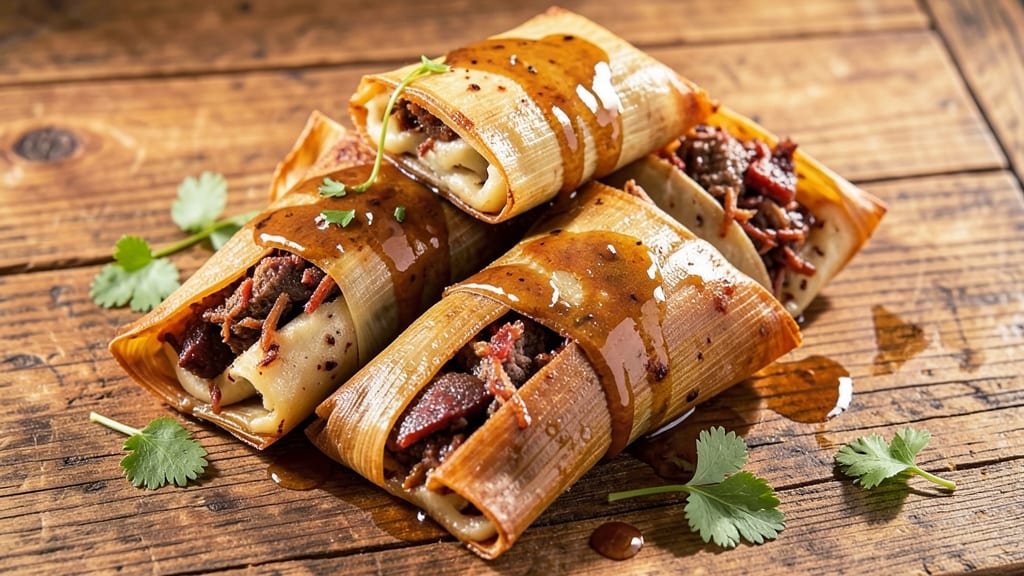
Authentic Mexican beef tamales from scratch bring the soul of Mexican cuisine to your kitchen table—layered with deep, smoky flavors and the satisfying texture of handmade masa. 🌟 The secret lies in making everything from scratch: the masa, the spiced beef filling, and the careful wrapping in corn husks, all steamed to perfection. This isn’t just a recipe; it’s a tradition you can recreate at home, step by step, with techniques passed down through generations.
The process begins with masa harina, which transforms into a tender, crumbly dough when mixed with lard and warm broth—a texture that’s the heart of every tamale.
Meanwhile, the beef filling gets its rich, earthy depth from a blend of dried chiles, achiote paste, and warm spices like cinnamon and cloves. The combination of tender meat and fragrant masa creates a flavor profile that’s impossible to resist.
What makes these tamales truly special is the hands-on technique: soaking the husks just right, spreading the masa evenly, and folding the filling into neat, compact packages. When steamed to perfection, the result is a tamale with a delicate, slightly chewy exterior and a meltingly tender interior.
Serve them with your favorite salsa, crema, and a sprinkle of chopped onions for the full experience.
This recipe delivers restaurant-quality tamales with an authentic touch—no shortcuts, just the real deal. Whether you’re hosting a fiesta or simply craving a taste of Mexico, these tamales will impress everyone at the table. Let’s get started on this labor of love.
Ingredients for authentic mexican beef tamales recipe from scratch
Twelve essential ingredients to bring authentic Mexican tradition to your kitchen table.
| Ingredient | Amount | Notes |
|---|---|---|
| Masa Harina 🌾 | 4 cups | Maseca brand preferred |
| Lard 🧈 | 1 cup | Leaf lard, not leaf fat |
| Chicken Broth 💧 | 2 ½ cups | Homemade or low-sodium |
| Ground Beef 🥩 | 3 lb | 80/20 fat ratio preferred |
| Dried Ancho Chiles 🌶️ | 4 whole | Stems and seeds removed |
| Dried Guajillo Chiles 🌶️ | 2 whole | Stems and seeds removed |
| Achiote Paste 🌿 | 2 tbsp | For vibrant color and flavor |
| Ground Cumin 🌿 | 1 tbsp | Toasted for deeper flavor |
| Ground Cinnamon 🍃 | 1 tsp | For warmth and depth |
| Cloves 🌿 | 4 whole | Lightly crushed |
| Bay Leaves 🌿 | 2 whole | Fresh or dried |
| Onions 🧅 | 2 whole | Yellow or white, chopped |
| Garlic Cloves 🧄 | 6 cloves | Peeled and minced |
| Corn Husks 🌽 | 24 whole | Soaked in warm water |
| Salt 🧂 | 2 tsp | Kosher or sea salt |
| Black Pepper 🌶️ | 1 tsp | Freshly ground |
The masa harina and lard are the soul of tamales—Maseca brand is the gold standard, but any quality masa harina works. Leaf lard gives that rich, tender texture (don’t substitute with vegetable shortening—it’s a game-changer). For the chiles, Mexican markets or specialty stores carry the best dried ancho and guajillo—avoid the pre-ground powders. Soak the corn husks in warm water for at least 30 minutes before using, or they’ll crack when wrapping. The beef should be 80/20 fat ratio—this keeps the filling juicy during steaming.
No ancho chiles? Dried pasilla or mulato chiles work in a pinch, but the flavor will be different. Want extra depth? Add 1 tsp of dried oregano to the spice mix. The achiote paste is non-negotiable for that signature color—Penzeys or Mexican markets sell it. For the broth, homemade is best, but low-sodium store-bought works if you’re short on time. If you can’t find leaf lard, lard from the grocery store (not leaf fat) will do, but render it first to remove impurities.
Store dried chiles in a cool, dark place for up to 6 months—they’ll lose potency if exposed to light. The masa dough keeps for 2 days in the fridge, but it’s best made fresh. Leftover tamales reheat beautifully—steam them again for 10-15 minutes or microwave with a damp towel. For a crowd, double the recipe—these disappear fast at parties. The secret to perfect tamales? Patience: let the masa rest and steam gently.
Why You'll Love This Recipe
- No Fuss, Big Payoff: I’ll admit—mixing masa harina with lard takes two minutes, not hours. The dough comes together smoother than store-bought, and honestly? No steamy corn husk battles here. Just spread, fold, and let the magic happen.
- Smoky Depth in Every Bite: That dried ancho chile soaking in warm broth? It’s the secret weapon—earthy, slightly sweet, with a slow-building heat. The ground beef gets caramelized right in the masa, so every tamale has that rich, savory punch that makes you reach for another.
- Weeknight or Party Star: Between us, these are my go-to for lazy Sundays and holiday gatherings. Freeze half the batch, reheat in steam, and boom—you’ve fed a crowd without stress. (Yes, even on a Tuesday night.)
- Budget-Friendly Feast: A pound of beef stretches across 20 tamales, and masa harina costs pennies compared to pre-made mixes. Leftovers? They reheat like a dream, and honestly, they taste better the next day—if you can resist eating them all fresh.
Step-by-step instructions for authentic Mexican beef tamales
Let's make tamales the traditional way—homemade masa, spiced beef filling, and all.
👨🍳 Step 1: Prepare the Corn Husks and Soak the Chiles
First, remove the corn husks from their packaging and rinse them under cold water. You want them clean but not wet—just damp enough to be pliable. Spread them out on a clean kitchen towel to dry slightly. While they dry, soak the 4 whole dried ancho chiles and 2 whole dried guajillo chiles in a bowl of hot water for 15 minutes. This softens them so they rehydrate completely and blend smoothly into the filling.
Here's the thing—don't skip soaking the chiles. Dry chiles will make your filling grainy and uneven in texture. After soaking, drain them and remove stems and seeds. I like to tear them into small pieces by hand—this gives you better control over the size than a knife would.
🍳 Step 2: Make the Spiced Beef Filling
In a large skillet, heat 1 tablespoon of the lard over medium heat. Add the 2 chopped onions and cook for 5 minutes until softened and translucent. Add the 6 minced garlic cloves and cook for another 1 minute until fragrant—this is where all the flavor starts building.
Push the onions and garlic to one side of the pan and add the 3 lb ground beef to the empty space. Cook until the meat is browned and no longer pink, breaking it up with a wooden spoon. Drain any excess fat if needed—you want the filling to be moist but not greasy.
Add the soaked chiles, 2 tbsp achiote paste, 1 tbsp ground cumin, 1 tsp ground cinnamon, 4 crushed cloves, 2 bay leaves, 2 tsp salt, and 1 tsp black pepper. Stir well and cook for 5 minutes until everything is well combined and the spices are toasted. Remove from heat and let cool slightly—this filling needs to be cool enough to handle when we mix it with the masa later.
👨🍳 Step 3: Make the Masa Dough
In a large bowl, combine the 4 cups masa harina and 1 cup lard. Mix with your hands or a wooden spoon until the lard is evenly distributed and the mixture looks like coarse crumbs. This step is crucial—you want the lard to coat every bit of masa so your tamales will be tender, not dry.
Gradually add the 2.5 cups chicken broth while mixing. Start with 1 cup at a time and mix well after each addition. You're looking for a dough that's soft but not sticky—it should hold together when pressed but still be pliable. If it's too dry, add a splash more broth; if too sticky, add a bit more masa harina. This dough should be easy to work with but not crumbly.
🥘 Step 4: Assemble the Tamales
Working with one corn husk at a time, spread about 2 tablespoons of the masa dough in a thin layer along the wide side of the husk, leaving about 1 inch uncovered at the top. Place 1 tablespoon of the beef filling in the center of the masa layer, then fold the sides of the husk inward, gently pressing to seal. Fold the bottom up and roll tightly to form a neat package, leaving the top open.
Here's where tradition matters: the way you fold the husk affects how the tamale steams. I like to make a small pleat at the top to keep the filling contained. As you work, keep the assembled tamales covered with a damp towel to prevent them from drying out. You should have enough masa and filling for about 12 tamales—that's one for each serving.
⏰ Step 5: Steam to Perfection
Line the bottom of a large pot with a steamer basket or a colander. Fill the pot with about 2 inches of water and bring to a boil. Arrange the tamales upright in the steamer, leaving a little space between them so steam can circulate. Cover tightly with a lid or foil.
Reduce heat to medium-low and steam for 60-75 minutes. You'll know they're done when the corn husks peel away easily from the tamales and the masa is firm to the touch. Don't peek during steaming—every time you lift the lid, you lose heat and steam, which can make your tamales unevenly cooked.
Once steamed, let the tamales rest for 10 minutes before serving. This resting time lets the juices redistribute, ensuring each bite is moist and flavorful. Serve with a simple salsa or extra spicy chile sauce for the full experience—just like your abuela used to make!
Pro Tips For Making Authentic Mexican Beef Tamales Recipe From Scratch
- BROWN THE BEEF FIRST: I learned this the hard way—skipping the sear means your tamales will taste like they’re swimming in broth instead of rich, deep flavor. Cook the ground beef until it’s actually brown, not just cooked through, and drain most of the fat. That’s where the umami lives.
- SOAK ANCHOS IN HOT WATER: Cold water makes ancho peppers tough as leather. Heat 2 cups of water until it’s steaming, pour over the dried peppers, and let them sit for 10 minutes. Strain out the skins and seeds—this keeps the sauce smooth and the heat balanced, not bitter.
- WORK THE MASA FAST: Once you mix the masa harina with lard and broth, don’t let it sit. The longer it waits, the tougher the tamales get. Keep everything nearby, work quickly, and fold in the beef mixture just before wrapping—this guarantees a tender, not dense, bite.
- STEAM AT A RAGE: Your steamer isn’t doing its job if the water is simmering—it needs to be rolling hard. A steady boil guarantees even heat, so tamales cook through without drying out. If you’re using a pot, make sure the water level stays above the tamales’ tops the whole time. No excuses.
Troubleshooting perfect results
Dry or Crumbly Masa
If your masa dough feels too dry or crumbly, you likely didn’t incorporate enough liquid. Start by adding 1 tablespoon of warm chicken broth at a time while mixing until the dough becomes pliable but not sticky.
For extra insurance, let the masa rest for 10 minutes before assembling—this allows the masa harina to fully hydrate. If you’re still struggling, try adding ½ teaspoon of vegetable oil to help bind the dough. 💡
Undercooked Tamales
Tamales that aren’t fully cooked often happen when the steam isn’t hot enough or the cooking time is insufficient. Ensure your pot has at least 2 inches of water and maintain a steady medium-low heat—the water should simmer gently, not boil vigorously.
Steaming time varies, but 60-75 minutes is standard. Test doneness by peeling back a husk: the masa should be firm, and the filling should be piping hot. If they’re still undercooked, return them to the steamer for another 10-15 minutes.
Leaking or Messy Filling
Leaky tamales usually mean the husks weren’t sealed properly or the filling was packed too tightly. When folding,
Husks Cracking or Breaking
Corn husks crack when they’re either too dry or not soaked long enough. Before using, soak them in warm water for at least 30 minutes to make them pliable. Drain well and pat dry with a towel to remove excess moisture, which can also cause cracking. If you’re working in a dry climate, keep a damp towel over the husks while assembling to maintain flexibility. Avoid handling them roughly, especially when spreading the masa.
Tamales Too Greasy
Greasy tamales often result from too much lard in the masa or filling. For the masa, stick to the 1 cup of lard called for—any more will make the dough too rich. In the filling, drain excess fat after browning the beef, leaving just enough to keep the meat moist.
If your tamales are still greasy, reduce the lard in the masa by 1 tablespoon next time and increase the broth slightly to maintain texture. 🔥
Steamed Tamales Too Hard
Overly firm tamales usually mean the masa was overworked or the steaming time was too long. Handle the masa gently—mix just until the lard is evenly distributed, and avoid kneading it like bread dough. If the tamales are rock-hard after steaming, they may have dried out.
To fix, steam them again for 5-10 minutes with a splash of water in the pot to add moisture. For future batches, ensure the pot isn’t too dry—add ½ cup extra water if needed during steaming.
Nutrition facts
Frequently asked questions about authentic Mexican beef tamales
Can I make tamales without corn husks?
Traditional tamales require corn husks for their distinctive texture and flavor, but you can use banana leaves as an alternative. Soak them in water for 10 minutes to soften, then follow the same wrapping technique. For modern convenience, some brands sell pre-packaged tamale foil wrappers—just reduce steaming time by 10-15 minutes since they cook faster than husks.
How do I store leftover tamales?
Store cooked tamales in an airtight container in the fridge for up to 4 days. To reheat, wrap them in fresh foil or husks and steam for 10-15 minutes over simmering water. For freezing, let them cool completely, then wrap individually in plastic wrap before placing in a freezer bag. Thaw overnight in the fridge and reheat using the same steaming method.
What's the difference between red and green tamales?
These beef tamales are the classic red variety, using ancho and guajillo chiles for their signature color and smoky flavor. Green tamales replace the red chiles with tomatillos, cilantro, and green chiles like serrano or poblano. The masa preparation remains identical—only the filling changes. For a fusion twist, try adding 1 tbsp of green chile paste to the beef filling while keeping the red chiles.
Can I substitute beef with another protein?
While beef gives the most authentic flavor, you can substitute with pork shoulder (cooked until tender) or chicken thighs (for a lighter version). For vegetarian tamales, use seasoned black beans or a mix of mushrooms and lentils. The key is maintaining moisture—ground meats work best, but shredded proteins need extra broth in the filling. Adjust cooking times accordingly (pork/chicken may need 5-10 minutes longer steaming time).
Why do my tamales taste bland?
Bland tamales usually result from skipping key flavor components. Double-check your chile soaking time (15 minutes minimum) and ensure you're using achiote paste for color and depth. Toast your spices (cumin, cinnamon) in a dry pan for 30 seconds before adding to the filling. For extra richness, add 1 tsp of beef bouillon to the broth. Remember: tamales should have a balance of smoky, spicy, and slightly sweet notes—don't be afraid of bold flavors!