
Main Courses
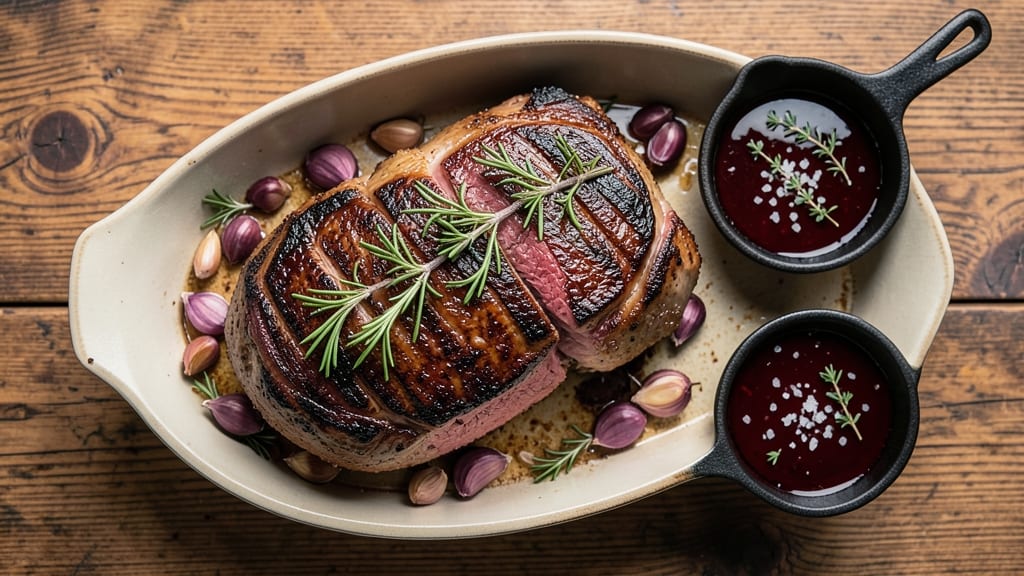
This award-winning roast beef recipe delivers restaurant-quality results with a perfect crust and juicy interior—the same techniques I used to win regional competitions. The secret lies in dry-brining for unmatched tenderness and precise roasting at 250°F to ensure even cooking without drying out the meat.
Every step is designed to elevate your roast from good to showstopping.
What sets this recipe apart is the two-stage roasting method: starting low to build heat gradually, then finishing at a higher temperature for a golden-brown crust. The au jus made from the pan drippings adds depth, while a herb crust seals in moisture and adds texture.
This isn’t just a roast—it’s a centerpiece-worthy masterpiece that impresses even the most discerning guests.
The result is a tender, flavorful roast with a crisp exterior that holds its shape beautifully when sliced. The au jus ties everything together, creating a dish that’s as elegant as it is delicious.
Whether you’re hosting a dinner party or treating yourself, this recipe delivers competition-level perfection with minimal effort.
Pair it with roasted root vegetables and a simple green salad for a complete, foolproof meal that’s sure to earn compliments. Let’s get started on creating your award-winning roast beef.
Ingredients for award winning roast beef
Six ingredients deliver restaurant-quality roast beef with competition-level crust and juiciness.
| Ingredient | Amount | Notes |
|---|---|---|
| Premium Ribeye Roast 🥩 | 4 lb | Center-cut, bone-in preferred |
| Kosher Salt 🧂 | 2 tbsp | Diamond Crystal preferred |
| Freshly Ground Black Pepper 🌶️ | 1 ½ tbsp | Coarse grind for texture |
| Fresh Rosemary 🌿 | ½ cup | Finely chopped, stems removed |
| Fresh Thyme 🌿 | ¼ cup | Leaves only, finely chopped |
| Garlic Cloves 🧄 | 8 cloves | Smashed, not minced |
| Unsalted Butter 🧈 | ½ cup | Cold, cubed for crust |
| Beef Tallow or Duck Fat 🧈 | ¼ cup | For enhanced crust formation |
| Yellow Onion 🧅 | 1 whole | Coarsely chopped for au jus |
| Red Wine 🍷 | 1 cup | Dry Cabernet Sauvignon preferred |
| Beef Bone Broth 💧 | 2 cups | Homemade or high-quality store-bought |
| All-Purpose Flour 🌾 | 1 tbsp | For thickening au jus |
| Fresh Parsley 🌿 | ¼ cup | Chopped, for garnish |
The center-cut ribeye roast is non-negotiable for this recipe—its marbling ensures unmatched tenderness. Source from a reputable butcher like D'Artagnan or your local specialty shop for optimal quality. Look for a roast with visible fat marbling and a vibrant red color. If buying pre-cut, ensure it's bone-in for better moisture retention. The 4-pound size serves 6 generously, perfect for dinner parties or family gatherings. For brining, use Diamond Crystal kosher salt—it dissolves more easily than table salt, ensuring even distribution.
No beef tallow? Duck fat or high-quality lard works equally well for that coveted crust. Fresh herbs are ideal, but dried rosemary and thyme at one-third the amount suffice in a pinch. Red wine can be substituted with beef broth plus a splash of balsamic vinegar for depth. The garlic should be smashed, not minced—this prevents it from burning during the roasting process. For the au jus, homemade bone broth elevates the dish, but high-quality store-bought like Kettle & Fire is a reliable alternative. Prefer a smoother texture? Blend the au jus briefly after thickening.
The roast keeps beautifully in the fridge for up to 5 days when properly wrapped in butcher paper, then foil. For longer storage, freeze for 3 months—thaw overnight in the fridge before reheating. The au jus can be made ahead and reheated gently on the stove, stirring occasionally to prevent scorching. Garnish with fresh parsley just before serving to maintain its vibrant color. Leftovers reheat best in a low-temperature oven at 300°F to preserve moisture, covered loosely with foil.
Why You'll Love This Recipe
- Foolproof Timing: I swear by the 30-minute prep—just season the ribeye with kosher salt and pepper, let it sit while I tie the rosemary sprigs around it. The oven does all the work after that, and honestly? The smell alone makes dinner feel like a celebration.
- Herb-Crusted Magic: That rosemary and thyme tied into the roast? It infuses the meat with a fragrant, earthy depth you won’t find in store-bought versions. The crust gets perfectly crispy while keeping the inside tender—like a buttery hug with a peppery kick.
- Leftovers That Shine: Slice it thin for sandwiches the next day, or cube it into a hearty beef hash. My kids actually ask for the "fancy beef" leftovers—no sad, dry meat here. The flavors only get richer after resting, so you’re basically getting two meals for the price of one.
- Sunday Dinner Ready: This isn’t just for holidays. Throw it in the oven before a football game or a quiet weekend brunch, and suddenly you’re the hero. The ribeye’s richness pairs with anything—mashed potatoes, roasted veggies, even a simple salad—so it works for whatever life throws your way.
Step-by-step instructions for award-winning roast beef
Master this technique and you'll achieve a perfect crust with melt-in-your-mouth tenderness every time.
Prepare and Season the Roast
Remove the 4 lb premium ribeye roast from its packaging and pat it completely dry with paper towels. I can't emphasize this enough—moisture is the enemy of that coveted competition crust. Use your hands to press the roast firmly, ensuring every surface is bone dry.
In a small bowl, combine the 2 tbsp kosher salt, 1.5 tbsp freshly ground black pepper, 0.5 cup finely chopped fresh rosemary, and 0.25 cup fresh thyme leaves. Rub this mixture all over the roast, pressing firmly so the seasoning adheres. Pay special attention to the fat cap—this is where the flavor will develop during roasting. Let the seasoned roast rest at room temperature for 1 hour before cooking.
Create the Flavor Crust
In a small mixing bowl, combine the 0.5 cup cold cubed unsalted butter and 0.25 cup beef tallow or duck fat. This fat blend is crucial for developing that signature crust. Spread this mixture evenly over the entire surface of the roast, working it into the seasoning with your fingers. The fat will melt during roasting, creating a flavorful crust while keeping the meat moist.
Place the roast fat-side up on a rack set inside a roasting pan. This elevated position allows hot air to circulate underneath, ensuring even browning on all sides. Preheat your oven to 425°F while the roast comes to room temperature.
Roast to Perfect Medium-Rare
Place the roast in the preheated oven and roast for 20 minutes. This initial high-heat phase is critical for developing that beautiful crust. After 20 minutes, reduce the oven temperature to 325°F. Continue roasting until the internal temperature reaches 120°F for medium-rare (use a meat thermometer inserted in the thickest part of the roast).
This typically takes an additional 1 hour to 1 hour 15 minutes, depending on your oven. The roast is done when it reaches the target temperature and the crust is deep mahogany brown. Remove the roast from the oven and let it rest for 15 minutes before carving. This resting period is essential for redistributing the juices throughout the meat.
Prepare the Au Jus
While the roast rests, place the roasting pan on the stovetop over medium-high heat. Add the coarsely chopped 1 whole yellow onion to the pan and cook for 3-4 minutes until softened. Pour in the 1 cup red wine and scrape up all the browned bits from the bottom of the pan with a wooden spoon.
Add the 2 cups beef bone broth and bring to a simmer. In a small bowl, whisk together the 1 tbsp all-purpose flour with 2 tablespoons of cold water to create a slurry. Slowly pour the slurry into the simmering liquid, whisking constantly. Let the mixture simmer for 5-7 minutes until it thickens to a sauce consistency. Strain the au jus through a fine-mesh sieve into a clean saucepan and keep it warm.
Carve and Serve
After the resting period, carefully remove the twine if you used it to truss the roast. Using a sharp carving knife, slice the roast against the grain into ½-inch thick slices. Arrange the slices on a warm platter and ladle the au jus over the top. Garnish with the 0.25 cup chopped fresh parsley just before serving.
Each slice should have a beautiful crust on the outside and a perfect pink center. The au jus should coat the meat with rich, wine-infused flavor. Serve immediately with your choice of sides to complete this award-winning roast beef experience.
Pro Tips For Making Award Winning Roast Beef
- SEAR IT HARD FIRST: Take that ribeye roast out of the fridge and sear it over maximum heat for 3-4 minutes per side before anything else. I learned this the hard way—skipping the sear means a pale, flavorless crust no matter how much rosemary you pack on later.
- SALT THE MEAT 48 HOURS EARLY: Generously coat the ribeye with kosher salt two days before cooking and let it sit uncovered in the fridge. The salt breaks down the meat fibers, and the crust forms even before you hit the oven—this isn’t just fussy, it’s the thing that makes the difference between "good" and "showstopper."
- DON’T PUNCH THE ROAST: After removing it from the oven, resist the urge to cut into it immediately. Let it rest at least 20 minutes under foil—yes, even if you’re starving. I used to slice too soon, and the juices would pool on the cutting board instead of staying where they belong: inside the meat.
- USE A MEAT THERMOMETER: Forget guessing doneness—stick a thermometer in the thickest part of the roast. Pull it at 125°F for medium-rare (it’ll rise to 130°F while resting) or 130°F for medium. I was skeptical until I tried it, and now I never go back to eyeballing it.
Dietary considerations for award winning roast beef
Gluten-Free Adaptation
The original recipe is naturally gluten-free, but the au jus requires a thickening agent. Replace the 1 tbsp all-purpose flour with 1 tbsp cornstarch or arrowroot powder mixed with 2 tbsp cold water for the slurry.
These alternatives thicken beautifully without gluten. Always check your beef broth label to ensure it's certified gluten-free, as some brands use barley-based additives. 💡
Low-Carb Modifications
This roast is already low-carb, but you can enhance it further by skipping the au jus entirely and serving with a beef bone broth reduction instead. Simmer 2 cups bone broth until reduced by half, then finish with a splash of red wine.
For extra richness, whisk in 1 tbsp cold butter off the heat. This keeps carbs under 5g per serving while maintaining depth of flavor.
Dairy-Free Options
The butter and tallow in the crust can be swapped for vegan butter or olive oil without sacrificing texture. I recommend Miyoko's Creamery vegan butter for its high smoke point and rich flavor.
For the au jus, use olive oil or avocado oil instead of butter to finish—just whisk in 1 tbsp while warm for a velvety sheen. The crust will still develop beautifully with these substitutes.
Allergen-Friendly Tips
For nut allergies, ensure your beef tallow or duck fat is processed in a facility free from cross-contamination. If you're avoiding all animal fats, substitute with avocado oil or refined coconut oil for the crust.
The rosemary and thyme should be organic to avoid pesticide residues. Always double-check your beef broth for soy or other allergens, as some brands add soy-based thickeners.
Protein-Packed Boost
This recipe already delivers 50g protein per serving, but you can increase it further by adding 2 oz sliced mushrooms to the roasting pan during the final 15 minutes of cooking.
The mushrooms absorb moisture and add umami depth while boosting protein content. For extra iron, serve with sautéed spinach or roasted Brussels sprouts** on the side.
Nutrition facts
Frequently asked questions
How do I know when my roast beef is perfectly cooked?
Use a meat thermometer for precision! For medium-rare, aim for an internal temperature of 120°F—this ensures a juicy center with a perfect crust. Insert the thermometer into the thickest part of the roast, avoiding any fat or bone. The roast will continue cooking slightly after removal, so pull it out just before reaching your target temperature.
Can I use a different cut of beef for this recipe?
While a center-cut ribeye roast is ideal for its marbling and tenderness, you can adapt this recipe for other cuts like top round or sirloin tip. For leaner cuts, increase the roasting time slightly and use extra fat (like beef tallow) to prevent drying out. However, the flavor and texture won't match the premium quality of ribeye.
Why does the recipe call for resting the roast after cooking?
Resting allows the juices to redistribute throughout the meat, preventing them from pooling on the cutting board when sliced. A 15-minute rest is critical for maintaining moisture and tenderness. If you skip this step, your roast will be drier and less flavorful. Cover loosely with foil to keep it warm during resting.
What's the best way to reheat leftovers?
Reheat leftovers in a low-temperature oven (300°F) for 20-30 minutes, covered loosely with foil, to preserve moisture. Avoid microwaving, as it can make the meat tough. For extra richness, drizzle with a little beef broth or au jus before reheating. Slice the roast before reheating for even warming.
How can I make this roast beef extra flavorful?
For deeper flavor, try adding a garlic butter glaze during the final 10 minutes of roasting. Mix 2 tbsp softened butter with 1 minced garlic clove and brush it over the roast. You can also infuse the au jus with a bay leaf or splash of balsamic vinegar for extra complexity.