
Appetizers
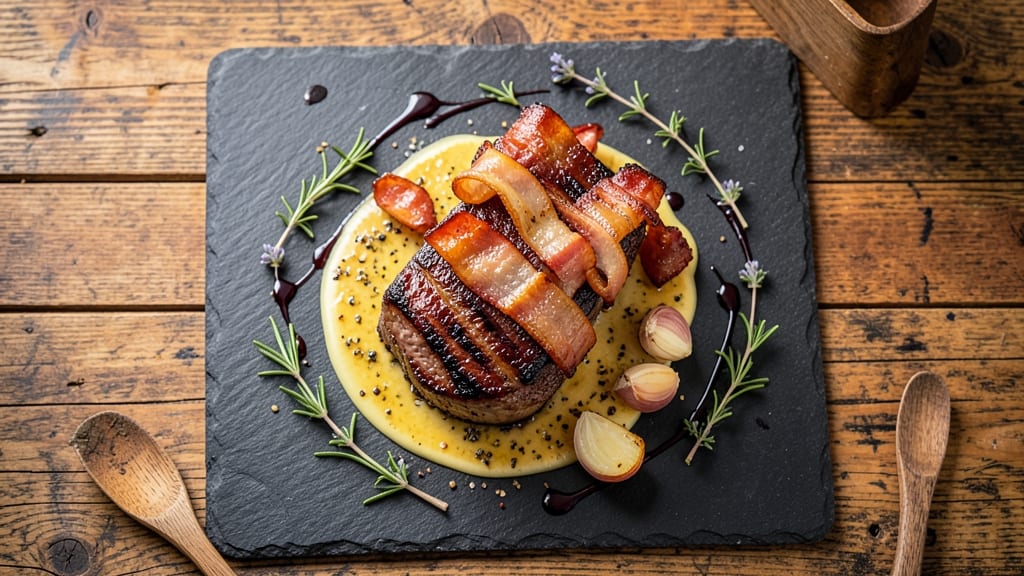
This bacon-wrapped beef tenderloin recipe in the oven delivers restaurant-quality results with minimal effort—juicy, tender beef encased in smoky, crispy bacon that transforms a weeknight dinner into a showstopper.
I developed this method after years of perfecting oven techniques, ensuring the beef stays perfectly pink inside while the bacon develops that addictive crunch. The secret lies in a simple herb rub and precise cooking temperature that guarantees foolproof results every time.
What sets this recipe apart is the balance of textures: tender, melt-in-your-mouth beef paired with bacon that's crisp enough to stand up to a knife. No fancy equipment is needed—just a baking sheet, a meat thermometer, and about 90 minutes of hands-off cooking time.
The herb rub infuses the beef with bright, aromatic flavors, while the bacon adds a salty, smoky depth that elevates the dish without overpowering it.
By the time you're slicing into this masterpiece, you'll have a centerpiece that's impossible to resist—golden, crispy bacon peeling back to reveal juicy, pink beef that practically falls apart.
The aroma alone will have everyone gathering around the table, and the first bite delivers that perfect harmony of smoky, savory, and rich flavors. This is the kind of dish that makes you feel like a professional chef, even on a busy weeknight.
Serve with roasted garlic mashed potatoes or a crisp green salad to complete the meal. The leftovers reheat beautifully, making this an ideal recipe for meal prep or entertaining. Let's get started on creating your next dinner party favorite.
Ingredients for bacon wrapped beef tenderloin recipe oven
These premium ingredients transform simple beef and bacon into a showstopping dinner masterpiece.
| Ingredient | Amount | Notes |
|---|---|---|
| Beef Tenderloin 🥩 | 2 lb | Center-cut, trimmed of fat |
| Thick-Cut Bacon 🥓 | 12 oz | Applewood smoked preferred |
| Olive Oil 🫒 | 2 tbsp | Extra-virgin for richness |
| Fresh Rosemary 🌿 | ¼ cup | Chopped, stems removed |
| Fresh Thyme 🌿 | ¼ cup | Leaves only, chopped fine |
| Garlic Cloves 🧄 | 6 cloves | Minced, fresh preferred |
| Kosher Salt 🧂 | 1 ½ tsp | Diamond Crystal preferred |
| Freshly Ground Black Pepper 🌶️ | 1 tsp | Coarse grind preferred |
| Dijon Mustard 🍯 | 1 tbsp | For herb paste adhesion |
| Unsalted Butter 🧈 | 2 tbsp | Softened for basting |
| Heavy Cream 🥛 | ¼ cup | For basting mixture |
| Red Wine 🍷 | ¼ cup | Cabernet Sauvignon preferred |
| Fresh Parsley 🌿 | ⅛ cup | Chopped, for garnish |
The beef tenderloin is your star—center-cut with good marbling ensures melt-in-your-mouth texture. Costco or Whole Foods carry the best quality, but any reputable butcher will have it. Look for pieces with even diameter (about 1.5-2 inches thick) so the bacon wraps evenly. If you can't find applewood bacon, hickory-smoked is the next best choice. The herb blend is where the magic happens: fresh rosemary and thyme make all the difference—dried just won't cut it. I always grab extra because fresh herbs elevate everything.
No applewood bacon? Regular thick-cut bacon works fine—just add an extra 5 minutes to the cooking time. Short on fresh herbs? Dried rosemary at half the amount gets you close, but the flavor won't be as vibrant. The Dijon mustard might seem odd, but it's essential for helping the herb paste stick to the beef. Want to skip the wine? Beef broth works perfectly. The red wine adds depth, but it's not mandatory. For the garlic, roasted garlic adds a sweetness that pairs beautifully with the smoky bacon. If your tenderloin is particularly lean, add an extra tablespoon of butter to the basting mixture for moisture.
This dish reheats beautifully—4-5 days in the fridge or 3 months frozen—though it's best enjoyed fresh. For leftovers, wrap tightly in foil and reheat in a 350°F oven for 15-20 minutes. The bacon stays crispy if you reheat it separately on a baking sheet. I always make double portions because this is the kind of dish that disappears fast. Store the beef and bacon separately to maintain texture. The herb paste can be made 1 day ahead and kept in the fridge, saving you prep time on cooking day.
Why You'll Love This Recipe
- One-Pan Magic: I swear by this—just sear the tenderloin, wrap it in bacon, and tuck it onto a sheet pan with rosemary and thyme. No chopping, no fuss, and the oven does all the work while I sip wine and pretend I’m not cooking.
- Crispy-Creamy Obsession: That first bite? The bacon’s smoky crunch gives way to perfectly pink beef—juicy inside, caramelized outside. The herbs? They infuse into the fat like a secret weapon, turning simple beef into something ridiculously good.
- Weeknight to Dinner Party: Honestly, this is my go-to for both lazy Fridays and impressing in-laws. Slice it thin for sandwiches or serve it whole for a showstopper. The leftovers? Just as good cold in salads or reheated for lunch.
- Budget-Friendly Luxury: Thick-cut bacon and tenderloin might sound fancy, but you’re stretching one beef cut into multiple meals. I’ll often cut half the tenderloin into cubes for a skillet hash the next day—zero waste, all flavor. (Yes, even on a Tuesday night.)
Step-by-step instructions for bacon-wrapped beef tenderloin
Here's how to transform a simple beef tenderloin into a showstopping centerpiece with smoky, crispy bacon and tender, juicy meat.
Prepare the Herb Butter Paste
In a small mixing bowl, combine the 2 tablespoons softened unsalted butter, 1 tablespoon Dijon mustard, 1.5 teaspoons kosher salt, 1 teaspoon freshly ground black pepper, 0.25 cup chopped fresh rosemary, 0.25 cup chopped fresh thyme, and 6 minced garlic cloves. Mix thoroughly with a fork until fully incorporated, creating a smooth, aromatic paste. This herb butter will infuse the tenderloin with deep flavor and help create a golden crust.
I like to press the mixture through a fine-mesh sieve to ensure even distribution of the herbs and garlic. Cover the bowl and refrigerate while you prepare the bacon—this keeps the paste from melting prematurely. The Dijon mustard acts as a binder, helping the herbs cling to the meat instead of falling off during cooking.
Wrap the Tenderloin in Bacon
Remove the 2-pound beef tenderloin from the refrigerator and pat it dry with paper towels—this is crucial for achieving crispy bacon. In a small bowl, whisk together 2 tablespoons extra-virgin olive oil and 0.25 cup red wine. Brush this mixture generously over the entire surface of the tenderloin, including all sides and the ends.
Cut the 12 ounces thick-cut bacon into 8 equal strips, each about 3 inches long. Working quickly, wrap 2 strips of bacon around the tenderloin, overlapping them slightly as you go. Secure each layer with a toothpick to keep the bacon in place. Repeat until the entire tenderloin is completely wrapped. This creates a protective layer that renders fat and adds incredible smoky flavor.
Apply the Herb Butter and Sear
Remove the herb butter paste from the refrigerator and let it soften slightly for 2-3 minutes. Using your hands, spread the paste evenly over the bacon-wrapped tenderloin, pressing it gently into the surface. This ensures maximum flavor penetration and helps create that beautiful crust during cooking.
Heat a large oven-safe skillet over medium-high heat. Add the wrapped tenderloin and sear on all sides for 2-3 minutes per side until the bacon begins to crisp and the herb butter starts to brown. Don't rush this step—the caramelization creates deep flavor. Transfer the skillet to a preheated 425°F oven for roasting.
Roast to Perfect Doneness
Roast the bacon-wrapped tenderloin for 20-25 minutes until the internal temperature reaches 125°F for medium-rare (use a meat thermometer for accuracy). The bacon should be golden brown and crispy, and the herb crust should be beautifully caramelized. Here's the thing—beef tenderloin cooks quickly, so don't walk away. Check the temperature at the 15-minute mark to avoid overcooking.
During the last 5 minutes of roasting, add 0.25 cup heavy cream to the skillet. The steam will help keep the meat moist and create a delicious pan sauce. Remove the tenderloin from the oven and let it rest for 10-15 minutes before slicing. This resting period is critical—it allows the juices to redistribute, ensuring each slice remains tender and flavorful.
Create the Pan Sauce and Garnish
After resting, transfer the tenderloin to a cutting board and slice it into 1-inch thick medallions. Return the skillet to the stovetop over medium heat and scrape up any browned bits from the bottom with a wooden spoon. Add 0.125 cup chopped fresh parsley and let it warm through for 1 minute. Pour the sauce over the sliced tenderloin and serve immediately.
The result should be perfectly tender beef with crispy, smoky bacon and a rich, herby pan sauce. Each bite delivers the perfect balance of textures and flavors—juicy beef, crispy bacon, and aromatic herbs. This is the kind of dish that makes your guests rave about your cooking skills.
Pro Tips For Making Bacon Wrapped Beef Tenderloin Recipe Oven
- Trim the Fat First: Thick-cut bacon sticks to better when the rind is intact, but the fat layers need trimming—especially if your bacon is extra thick. Use kitchen shears to snip the fat edges down to about ¼-inch; this keeps the bacon crisp while letting the beef breathe underneath.
- Sear the Beef First: I used to skip this, but a quick sear in a screaming-hot pan (450°F, cast iron if you have it) for 2-3 minutes per side before wrapping builds a crust that holds up in the oven. Just don’t overcrowd the pan—work in batches if needed.
- Wrap Tight, But Not Too Tight: Loose bacon = slipping bacon. Too tight = squished beef. Fold each strip over itself once before wrapping, then secure with a toothpick every 2 inches. This keeps the bacon snug without strangling the meat—yes, even if it looks like a bacon mummy.
- Baste with Bacon Grease: Midway through baking, pull the pan out and spoon that rendered bacon fat over the top. It’s like free flavor insurance—crispier bacon, juicier beef, and zero extra effort. Just don’t let it pool; spread it evenly.
Common mistakes when making your bacon wrapped beef tenderloin recipe oven
Overcooking the Beef
Beef tenderloin cooks faster than you might expect, and once it hits 130°F, it can go from perfect to dry in minutes. I’ve seen this happen when people rely on time instead of temperature—125°F for medium-rare is your target, not "20 minutes in the oven."
Use a meat thermometer and check at the 15-minute mark to avoid overcooking. 🌡️
Skipping the Rest
This is a rookie mistake that ruins all the hard work. The 10-15 minute rest lets juices redistribute—skipping it means dry, stringy meat. I’ve had guests ask why their bacon-wrapped tenderloin was tough, only to realize they sliced it immediately.
Trust the process and let the meat rest under foil on a cutting board.
Uneven Bacon Wrapping
If the bacon isn’t wrapped evenly, you’ll end up with some strips crispy and others limp. Cut bacon into 8 equal strips and overlap them slightly for full coverage.
Secure with toothpicks—this prevents gaps where the beef might dry out. I’ve had bacon peel back during cooking because it wasn’t secured properly, leaving the tenderloin exposed.
Ignoring the Sear
Skipping the sear means missing out on the Maillard reaction, which builds deep flavor. A quick sear in a hot skillet before roasting ensures crispy bacon and a caramelized crust.
If you’re in a rush, at least brown the bacon strips in the oven for 5 minutes at 425°F before wrapping the tenderloin.
Overcrowding the Pan
Stuffing too much bacon into a small skillet causes steam buildup, which makes the bacon soggy instead of crispy. Use a large oven-safe skillet and leave space between the bacon strips. If your pan is too small, cook in batches—crispy bacon is non-negotiable for this dish. 🥓
Using Thin Bacon
Thin bacon won’t crisp properly and can burn before the beef is done. Stick with thick-cut bacon (about ¼-inch thick) for that perfect crunch. If you only have thin bacon, double-wrap the tenderloin or add an extra layer of herb butter to compensate for the lack of fat.
Nutrition facts
Frequently asked questions
Can I use a different cut of beef instead of tenderloin?
While tenderloin is ideal for this recipe, you can substitute with filet mignon or striploin (cut into a similar shape). Avoid tougher cuts like flank steak—they won't become tender enough. For striploin, trim excess fat and pat dry thoroughly to mimic tenderloin's texture. The cooking time remains similar, but check for doneness at 120°F for medium-rare.
How do I adjust the recipe for a larger crowd?
For 6-8 servings, use a 3-4 pound tenderloin and increase bacon to 18-24 ounces. Double the herb butter paste and red wine mixture, but keep the oven temperature at 425°F. The key is to maintain the same thickness of bacon layers (about ¼-inch) and check internal temp with a thermometer. Cooking time will extend by 5-10 minutes for larger cuts.
Can I make this recipe ahead of time?
Yes! Assemble the bacon-wrapped tenderloin up to 24 hours ahead and refrigerate uncovered (this prevents soggy bacon). On cooking day, let it sit at room temperature for 30 minutes before roasting. For the herb butter paste, make it 1 day ahead and store in the fridge. The bacon stays crispy if you reheat it separately at 350°F for 5 minutes after slicing the beef.
What's the best way to serve this dish?
Pair with roasted garlic mashed potatoes or creamy polenta to soak up the pan sauce. A crisp green salad with red wine vinaigrette balances the richness, while grilled asparagus adds freshness. For a heartier meal, serve with caramelized onions or roasted root vegetables. The bacon fat alone makes everything taste better—don't skip the sauce!
Why is my bacon not crispy?
Soggy bacon usually means one of three things: overcrowding in the pan, thin bacon slices, or steam buildup from uncovered cooking. Use thick-cut bacon and leave space between strips. If your pan isn't oven-safe, transfer the seared tenderloin to a baking sheet lined with a wire rack. For extra crispiness, broil for 1-2 minutes at the end (watch closely!).