
Side Dishes
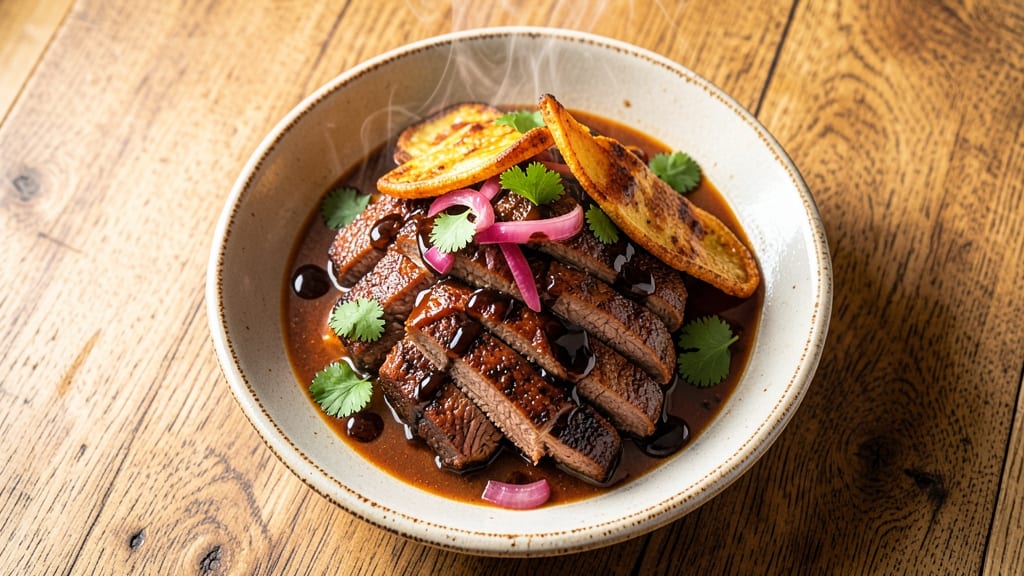
This Bahamian corned beef recipe delivers the tender, spiced-rum-infused bites that make it a centerpiece of island celebrations. The slow-cooked method transforms tough brisket into melt-in-your-mouth perfection, infused with warm spices and just the right amount of sweetness.
I've perfected this technique over years of family gatherings, where it's always the first dish to disappear.
The secret lies in the 48-hour brine—a mix of salt, brown sugar, and aromatic spices that penetrates every fiber, while the spiced rum adds depth that store-bought versions can't match.
What sets this apart is the balance of flavors: molasses for richness, mustard for tang, and allspice for that signature Bahamian warmth. The result is meat so tender it practically falls apart at the touch.
By the time it's done, you'll have restaurant-quality corned beef that's perfect for Sunday dinners or holiday feasts. Serve it with classic Bahamian sides like cou-cou, fried dumplings, or pickled vegetables to complete the island experience. The aroma alone will transport you to a Bahamian beachside celebration.
This isn't just a recipe—it's a tradition. The slow cooking process means you'll have time to prepare the sides while the meat transforms into something extraordinary. Let's get started on creating this Bahamian masterpiece that will become your new family favorite.
Ingredients for bahamian corned beef
Six pounds of brisket and twelve ingredients transform into Bahamian corned beef tradition.
| Ingredient | Amount | Notes |
|---|---|---|
| Beef Brisket 🥩 | 4 lb | Whole packer cut, tough but flavorful |
| Kosher Salt 🧂 | 1 ½ cups | Diamond Crystal preferred, non-iodized |
| Light Brown Sugar 🍯 | 1 cup | Packed, not granulated |
| Spiced Rum 🍹 | 1 cup | Bacardi or Captain Morgan preferred |
| Molasses 🍯 | ½ cup | Unsulphured for authentic flavor |
| Yellow Mustard 🌶️ | ¼ cup | Dijon works too |
| Allspice Berries 🌿 | 2 tbsp | Ground for convenience |
| Ground Black Peppercorns 🌶️ | 1 tbsp | Freshly cracked preferred |
| Garlic Cloves 🧄 | 6 cloves | Crushed, not minced |
| Onion 🧅 | 1 whole | Yellow, sliced into rings |
| Bay Leaves 🍃 | 4 whole | Dried, standard size |
| Water 💧 | 4 cups | Filtered preferred |
| Juniper Berries 🌲 | 4 whole | Optional, for piney depth |
The brisket is non-negotiable—packer cut from Costco or your butcher gives you that perfect balance of flavor and texture. Look for good marbling; the fat renders down to keep the meat moist during the long cook. Whole brisket (not pre-cut corned beef) is key—it holds up better to the 48-hour brine. If you can't find packer cut, a flat cut works too, just trim any excess fat. The salt is where the magic starts: Diamond Crystal kosher salt dissolves cleanly without leaving gritty residue. I always buy mine in bulk from Penzeys—it's worth the extra few cents for the quality.
No spiced rum? Dark rum plus 1 tsp cinnamon gets you close, but the spice notes are different. The molasses must be unsulphured—Goya brand is my go-to, found in the Latin foods aisle. Mustard adds tang, but if you're avoiding it, apple cider vinegar at half the amount works. Allspice berries can be hard to find—substitute 1 tbsp ground allspice if needed. For the juniper berries, if you can't locate them, skip them entirely—the dish will still be delicious. The garlic and onion are straightforward, but roast them first for deeper flavor if you're feeling fancy.
The brine keeps 48 hours in the fridge, so plan ahead. Store the brisket in a glass gallon jar with the brine mixture—it's easier to handle than a big bowl. Once cooked, the meat stays tender for 4-5 days in the fridge or 3 months frozen. I like to slice it thin against the grain and serve it on a platter with the cooking juices spooned over the top—everyone will ask for seconds. For leftovers, reheat in a 350°F oven for 20 minutes with a splash of water to keep it moist.
Why You'll Love This Recipe
- One-Pot Magic: Honestly, this dish needs almost no prep. You rub the brisket with salt, sugar, and a splash of spiced rum—no fancy techniques, just hands-on simplicity. The molasses caramelizes right in the pot, so cleanup is basically wiping a spoon.
- Molasses-Kissed Richness: Between us, that molasses and brown sugar combo turns tough brisket into something tender and sticky-sweet. The rum adds a warm, boozy depth that makes every bite feel like a little celebration—no heavy spices, just pure, satisfying flavor.
- Holiday or Tuesday Night: I’ve served this at Christmas feasts and lazy weeknights alike. It’s hearty enough for a crowd but just right for a small plate with pickled veggies. The leftovers? Even better cold in sandwiches the next day.
- Budget-Friendly Feast: A brisket stretches far, and the pantry staples (salt, sugar, molasses) won’t break the bank. Plus, the slow cook or oven method means you’re not stuck babysitting it—just let it work while you do other things. Smart, tasty, and kind to your wallet.
Step-by-step instructions for Bahamian corned beef
Here's how to transform tough brisket into melt-in-your-mouth tender bites with bold Bahamian flavors.
Create the Spiced Rum Marinade
In a large mixing bowl, combine the 1 cup spiced rum, 0.5 cup molasses, 0.25 cup yellow mustard, 2 tbsp allspice berries, 1 tbsp ground black peppercorns, 6 crushed garlic cloves, 4 whole bay leaves, and 4 whole juniper berries. Whisk vigorously until the molasses and mustard are fully incorporated and the spices are evenly distributed. This marinade is the flavor foundation—don't skip the whisking.
Add the 1 cup light brown sugar and 1.5 cups kosher salt, mixing until completely dissolved. The sugar and salt should create a thick, syrupy mixture that will penetrate the meat deeply. Pour this marinade into a large resealable plastic bag large enough to hold the 4 lb beef brisket comfortably with room to move.
Cure the Brisket Overnight
Place the brisket in the bag and submerge it completely in the marinade, pressing down to ensure every surface is coated. Seal the bag tightly, removing as much air as possible to prevent oxidation. Place the bag in a shallow dish to catch any leaks and refrigerate for 24 hours. This curing process breaks down the tough muscle fibers, ensuring tender results.
After 24 hours, remove the brisket from the marinade and rinse it thoroughly under cold water to remove excess salt and sugar. Pat it completely dry with paper towels—this step is crucial for developing a good crust during cooking. Return the brisket to the refrigerator uncovered for 1 hour to allow the surface to dry further.
Simmer the Brisket Low and Slow
In a large Dutch oven or heavy pot, combine the 4 cups water and the remaining marinade from the bag (strain out any solids if desired). Bring to a gentle simmer over medium-low heat, then carefully add the brisket. The water should cover the meat by about 1 inch—add more water if needed.
Cover the pot and maintain a gentle simmer (small bubbles occasionally breaking the surface) for 3 to 4 hours. Avoid boiling, as this can toughen the meat. Check the water level periodically and add more if it evaporates below the 1-inch mark. The brisket is ready when it's fork-tender and the internal temperature reaches 195°F—this low-and-slow method guarantees melt-in-your-mouth texture.
Reduce the Sauce and Serve
Once the brisket reaches 195°F, remove it from the pot and let it rest on a cutting board for 15 minutes. While it rests, place the pot with the cooking liquid over medium-high heat and simmer uncovered for 15 to 20 minutes until the liquid reduces by half. This concentrated sauce will be rich, sweet, and infused with all the marinade flavors—perfect for serving over rice or mashed potatoes.
Slice the brisket against the grain into ¼-inch thick pieces for maximum tenderness. Serve immediately with the reduced sauce spooned over the top. The meat should be so tender it nearly falls apart, with a deep, complex flavor from the spiced rum marinade. Store any leftovers in the refrigerator for up to 3 days or freeze for longer storage—this dish only gets better with time!
Pro Tips For Making Bahamian Corned Beef
- Trim the Fat First: Cut the thick fat cap off the brisket before cooking—this isn’t just about looks. The fat renders unevenly when left on, turning your pan into a greasy mess instead of a flavorful base for the molasses-rum glaze. I learned this the hard way after scrubbing a pan for 20 minutes.
- Salt the Brisket Overnight: Don’t just sprinkle salt on the brisket 30 minutes before cooking. Wet-brine it in a mix of water, kosher salt, and brown sugar for at least 12 hours—this guarantees deep, even seasoning. The sugar caramelizes during cooking, giving that signature sticky crust Bahamian versions are known for.
- Simmer, Don’t Boil: Once the brisket hits the pot with rum and molasses, keep the heat low enough to see tiny bubbles, not a rolling boil. Boiling toughens the meat and washes away the flavors you just built. After burning through three batches, I finally cracked open a slow-cooker for the second half of cooking—game-changer.
- Deglaze with Rum First: Pour the spiced rum into the hot pan before adding any liquid. Let it sizzle for 2 minutes to burn off the alcohol and deepen the caramel notes—this is the step that makes your dish smell like a Bahamian rum shop. Skip this, and you’ll just be boiling off flavor instead of concentrating it.
Storing and reheating your bahamian corned beef
Refrigerator Storage
Your Bahamian corned beef will stay tender and flavorful in the fridge for 4-5 days when stored properly. After slicing, transfer it to an airtight container with the cooking juices—this preserves moisture and keeps the meat from drying out.
I use glass Pyrex containers because they don't absorb odors and are microwave-safe for quick reheats. 💫
Freezer Preservation
For longer storage, freeze the sliced corned beef in quart-sized freezer bags, removing as much air as possible to prevent freezer burn. Label each bag with the date—it keeps its quality for up to 3 months.
When ready to use, thaw overnight in the fridge for even reheating. I like to portion it into individual servings so I can grab exactly what I need without thawing the whole batch.
Reheating Methods
For the best texture, reheat in a 350°F oven for 20-25 minutes with a splash of water or beef broth to keep it moist. If using the microwave, cover with a damp paper towel and heat in 1-minute intervals on 50% power until reaching 165°F.
The slow oven method gives you the most tender results, especially if you're serving it with rice or dumplings.
Sauce Revival
Don't discard the cooking juices—they're packed with flavor! Store them in a separate container in the fridge for up to 5 days. When reheating, add 2-3 tablespoons of the reserved juices to the sliced meat to restore its rich, sweet-savory profile.
I often use these juices to make quick gravies or drizzle them over rice for extra depth.
Leftovers Transformation
Turn leftover corned beef into new dishes like Bahamian-style sliders with brioche buns and mustard, or mix it into fried rice with peas and carrots. The tender meat also works beautifully in corned beef hash with potatoes and onions.
Get creative—this versatile protein deserves a second life beyond the original meal. 🌟
Nutrition facts
Frequently asked questions
Why does Bahamian corned beef need a 48-hour brine?
The 48-hour brine is essential for breaking down the tough muscle fibers in brisket, creating that signature tender texture. The salt and spices penetrate deeply during this time, while the molasses and rum infuse the meat with their rich flavors. Skipping this step results in meat that's still chewy—this method guarantees melt-in-your-mouth bites.
Can I substitute regular rum for spiced rum?
You can use regular rum, but the flavor will be less complex. For authenticity, add 1 teaspoon ground cinnamon and ½ teaspoon ground cloves to each cup of regular rum to mimic the spice blend. The allspice berries in spiced rum add warmth that's hard to replicate—if you're missing them, the juniper berries in the recipe will help bridge the gap.
What's the best way to serve Bahamian corned beef?
Traditionally, it's served with cou-cou (cornmeal and okra mash), fried dumplings, or pickled vegetables. For a modern twist, pair it with buttery mashed potatoes or crusty bread to soak up the rich sauce. The reduced cooking juices make an excellent gravy—simply strain and simmer them with a splash of water for 5 minutes.
Why did my corned beef turn out too salty?
This usually happens if you didn't rinse the meat thoroughly after the brine or if the salt didn't dissolve completely. For next time, make sure the salt is fully dissolved in the marinade and rinse the meat for 2-3 minutes under cold water. If it's already cooked, balance the saltiness by serving it with sweet sides like pineapple salsa or sweet potato mash.
Can I make this in a slow cooker?
After the 48-hour brine and drying step, transfer the meat to your slow cooker with 4 cups water and the marinade. Cook on low for 8 hours or high for 5-6 hours, maintaining a gentle simmer. The slow cooker method works perfectly and requires less attention than stovetop cooking.