
Main Courses
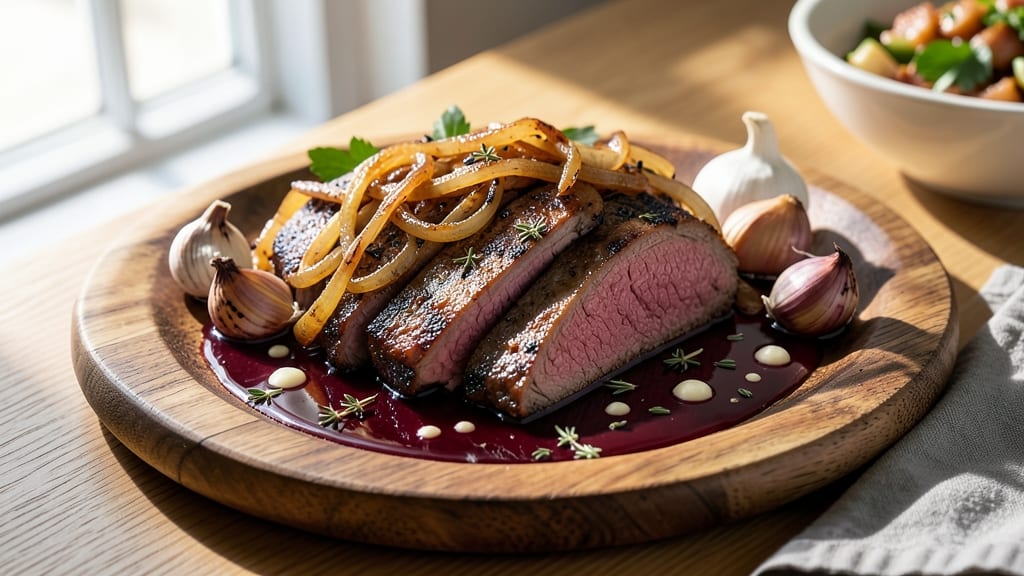
This baked beef liver and onions recipe transforms a classic into a restaurant-worthy dish with pan-seared richness and caramelized sweetness—perfect for adventurous home cooks. The secret lies in searing the liver to lock in juices before baking, ensuring tender, medium-rare perfection every time.
I’ve refined this method over years of testing, balancing traditional techniques with modern twists like herb-infused butter and wine reductions.
What sets this apart is the two-step cooking process: first, a quick sear in a hot pan to create a flavorful crust, then a gentle bake until the liver reaches 125°F—just enough to melt in your mouth without drying out.
The onions caramelize beautifully, adding natural sweetness that complements the liver’s deep, savory notes. This approach guarantees a dish that’s both elegant and foolproof, even for those new to cooking liver.
By the time you plate it, you’ll have golden-brown liver slices with crisp edges and tender centers, topped with glossy, caramelized onions that add a touch of sweetness. The aroma alone will have everyone at the table anticipating each bite—rich, umami-packed, and impossibly tender.
Serve with a bold red wine or a crisp white to cut through the richness.
The best part? This recipe scales effortlessly—whether you’re cooking for two or a crowd. The key is timing and temperature control, which I’ll walk you through step by step. Let’s get started on a dish that’s equal parts comforting and sophisticated.
Ingredients for baked beef liver and onions
Pan-seared beef liver meets caramelized onions—rich, tender, and restaurant-quality at home.
| Ingredient | Amount | Notes |
|---|---|---|
| Beef Liver 🥩 | 1 ½ lb | Fresh, evenly sliced (1/2-inch thick) |
| Yellow Onions 🧅 | 3 large | Yellow or red, sliced into 1/4-inch rings |
| Unsalted Butter 🧈 | ½ cup | Cold, cut into 1-inch pieces |
| Fresh Thyme Leaves 🌿 | 2 tbsp | Chopped, or 1 tsp dried thyme |
| Garlic Cloves 🧄 | 4 cloves | Minced, for herb butter |
| Dry Red Wine 🍷 | ½ cup | Bold, like Cabernet Sauvignon |
| Beef Broth 💧 | ½ cup | Low-sodium preferred |
| Olive Oil 🫒 | 2 tbsp | For searing |
| Salt 🧂 | 1 ½ tsp | Kosher or sea salt |
| Black Pepper 🌶️ | ½ tsp | Freshly ground |
| Balsamic Vinegar 🍶 | 1 tbsp | For deglazing |
| Fresh Parsley 🌿 | ¼ cup | Chopped, for garnish |
The liver is the star, so pick the freshest cut—ask your butcher for beef liver with good marbling. Costco or Whole Foods usually carry it pre-sliced, but if you're buying whole, slice it yourself into even 1/2-inch pieces. The onions? Yellow or red work best—they caramelize more beautifully than white. I always grab extra because they're the backbone of the dish. For the butter, Plugrá or Land O'Lakes unsalted are my go-tos—cold butter sears better and creates that golden crust.
No red wine? Substitute with beef broth plus 1 tbsp balsamic vinegar—it mimics the depth. Short on thyme? Rosemary works too, but use half the amount. The onions can be swapped for shallots if you're feeling fancy, though yellow onions are more accessible. Want to skip the wine entirely? Dry sherry or apple cider adds a nice brightness. The key is balancing the richness of the liver with acidity—don’t skip the balsamic or vinegar when deglazing, even if you’re substituting the wine.
Liver cooks fast—plan to serve it immediately. If prepping ahead, slice the onions and store them in the fridge for 2 days, but wait to caramelize until you're ready to cook. The herb butter can be made a day ahead and kept in the fridge. For leftovers (if any), reheat gently in a skillet with a splash of broth—never microwave. This dish tastes even better the next day, so I often make extra for sandwiches. Store any unused liver in the freezer for up to 3 months, but thaw it slowly in the fridge overnight.
Why You'll Love This Recipe
- One-Pan Magic: I swear by this recipe when I’m too tired to scrub pots—just slice the liver, caramelize the onions in butter, add thyme and garlic, and bake. The sheet pan does all the work while I sip wine and pretend I’m not cooking.
- Rich Umami Bomb: That beef liver? It’s like a meaty, savory hug—especially when the onions turn sweet and the thyme infuses every bite. The butter makes it silky, but the garlic keeps it sharp. Honestly, it’s the kind of dish that makes you close your eyes mid-bite.
- Weeknight to Weekend: I serve this to my book club friends (they don’t even know it’s liver) and my kids eat it straight from the pan. It’s fancy enough for a dinner party but unfussy enough for a Tuesday. Just adjust the thyme for extra elegance or keep it simple for a quick meal.
- Budget Powerhouse: Liver is cheaper than steak, and this recipe stretches it further with onions and butter. I make a double batch, slice the leftovers for sandwiches, or freeze them for lazy mornings. Between us, it’s my secret for feeding the family without breaking the bank.
Step-by-step instructions for baked beef liver and onions
Here's how to transform tender beef liver into a luxurious dish with perfectly caramelized onions and a rich wine-infused sauce.
Prepare the Beef Liver for Cooking
Pat the 1.5 lb beef liver slices completely dry with paper towels—this is crucial for achieving that perfect sear. Arrange the slices in a single layer on a plate and season both sides generously with 1.5 tsp salt and 0.5 tsp black pepper. Let them sit at room temperature for 15 minutes while you prepare the onions. This resting period ensures even cooking and prevents the liver from curling up in the pan.
Real talk: Don't skip the drying step. Any moisture on the liver will steam it instead of searing, and you'll end up with a sad, gray slice instead of a beautiful golden-brown one. I like to press down gently on each slice with my fingers to ensure they maintain their thickness during cooking.
Create the Herb Butter and Sear the Liver
In a small bowl, combine the 0.5 cup unsalted butter (cut into 1-inch pieces), 4 cloves minced garlic, and 2 tbsp chopped fresh thyme leaves. Mix well and set aside. Heat 2 tbsp olive oil in a large oven-safe skillet over medium-high heat until shimmering. Add the liver slices and cook undisturbed for 2-3 minutes per side until they develop a deep golden-brown crust.
Here's the thing—don't move the liver around in the pan. You want that crust to form evenly, and that takes patience. When the bottoms are golden and the edges start to curl slightly, it's time to flip. The liver should release easily from the pan at this point. Once both sides are beautifully seared, transfer the liver to a plate and tent loosely with foil to keep warm.
Caramelize the Onions and Deglaze the Pan
In the same skillet (no need to wipe it clean—those browned bits are flavor gold), add the 3 large yellow onions sliced into ¼-inch rings. Cook over medium heat for 15-20 minutes, stirring occasionally, until they turn a deep golden brown and caramelize beautifully. You want them to be soft but still hold their shape—almost jammy in texture.
About halfway through cooking the onions, push them to the sides of the pan and add the reserved herb butter. Let it melt completely, then stir to coat the onions evenly. This step infuses the onions with that incredible thyme and garlic flavor that makes this dish sing. If the onions start to stick, add a splash of water and scrape up those delicious browned bits from the bottom of the pan.
Build the Rich Wine Sauce
Once the onions are perfectly caramelized, pour in the 0.5 cup dry red wine and 1 tbsp balsamic vinegar. Scrape up any browned bits from the bottom of the pan with a wooden spoon—this is called deglazing, and it captures all the flavor that would otherwise be lost. Let the wine simmer for 3-4 minutes until it reduces by about half and the alcohol smell dissipates.
Add the 0.5 cup beef broth and bring to a gentle simmer. Let it reduce by another 3-4 minutes until the sauce thickens slightly and coats the back of a spoon. Here's where it gets good—taste and adjust the seasoning if needed. You might need a pinch more salt or a crack of black pepper to balance the flavors. The sauce should be rich, slightly tangy from the balsamic, and perfectly balanced.
Finish and Serve with Fresh Parsley
Return the seared liver slices to the skillet and spoon the warm sauce over them. Let everything heat through together for 1-2 minutes, just enough to meld the flavors. The liver should be warm but not overcooked—it's delicate and should remain tender.
Transfer the liver and onions to a serving platter, garnish with 0.25 cup chopped fresh parsley, and serve immediately. The contrast of the tender, slightly crispy liver with the sweet, caramelized onions creates a dish that's both luxurious and comforting. Pair it with a simple arugula salad or crusty bread to soak up that incredible sauce.
Pro Tips For Making Baked Beef Liver And Onions
- USE COLD BUTTER: I learned this the hard way—melting butter in the baking dish first makes it pool instead of coat. Instead, cut the unsalted butter into small cubes and scatter them directly over the liver and onions before baking. The heat will distribute it evenly, giving you that rich, glossy finish without a greasy mess.
- SALT THE LIVER FIRST: Don’t wait until the last minute. Pat the liver dry, then sprinkle it generously with salt right after slicing—let it sit for 10 minutes before baking. This draws out moisture so the exterior crisps properly, and the flavor penetrates deeper. (Yes, even if you’re impatient like me.)
- BAKE LOW AND SLOW: Beef liver turns rubbery if overcooked, so resist the urge to crank the oven to 400°F. Start at 350°F for 15 minutes, then drop to 300°F until the internal temp hits 145°F—about 20-25 minutes total. A meat thermometer is your best friend here; guesswork ruins good liver.
- CARAMELIZE ONIONS SEPARATELY: Skimping on this step means bland, watery onions. Sauté thinly sliced yellow onions in butter with garlic until deep golden—about 15 minutes—before baking. Spread them evenly over the liver in the dish, so every bite gets that sweet, jammy texture. (Does it look weird? Yes. Does it work? Every single time.)
Regional styles of this baked beef liver and onions
British Pub Classic
In British pubs, this dish is traditionally served as "liver and bacon"—though we’re keeping it simple with onions here. The British version often includes apple cider vinegar in the sauce for a sharper tang, balancing the liver’s richness.
I’ve seen classic pub recipes use black pudding (blood sausage) alongside the liver, but that’s a whole other adventure. The key is keeping the liver medium-rare—British cooks often check doneness by cutting into a slice and ensuring it’s still pink in the center. 🍺
French Bistros Twist
French bistros elevate this dish with a wine reduction and herb butter—just like we’re doing here! The French call for Cognac or Armagnac instead of red wine to deglaze, adding a deep, nutty complexity.
I’ve adapted this by using dry red wine (like Cabernet Sauvignon) for accessibility, but if you’re feeling fancy, a splash of brandy at the end takes it to bistro-level luxury.
The French also love to finish with a sprinkle of fresh parsley and a drizzle of truffle oil for an extra touch of sophistication. 🥖
Southern U.S. Comfort Food
In the Southern U.S., this dish often gets a smoky, spicy kick—think hot sauce or crispy fried onions on top. I’ve seen versions where the liver is pan-fried with Cajun seasoning and served over mashed potatoes or cornbread.
The Southern approach leans into bold flavors and hearty sides, making it a perfect comfort food. For a Southern twist, add ½ tsp smoked paprika to the herb butter or serve with crispy fried shallots on top. 🌶️
Spanish Tapas Adaptation
In Spain, this dish might appear as "hígado a la plancha" (grilled liver) with roasted garlic and olive oil. The Spanish often serve it as part of a tapas spread, pairing it with marinated artichokes or grilled bread.
For a Spanish-inspired version, swap the red wine for sherry vinegar and add smoked paprika to the onions. Garnish with thinly sliced serrano ham for a salty, umami contrast. 🍷
Modern Fusion Approach
If you’re feeling experimental, try a Korean-inspired twist—add gochujang (Korean chili paste) to the sauce for a sweet-spicy kick. Or go Italian with a white wine reduction and sun-dried tomatoes on top. For a Mexican fusion, serve the liver with charred corn salsa and avocado crema.
The beauty of this dish is how adaptable it is—play with global flavors while keeping the core technique intact. 🌎
Nutrition facts
Frequently asked questions
How do I know when beef liver is cooked perfectly?
Beef liver should be cooked to 125°F internal temperature—this gives you tender, medium-rare slices that melt in your mouth. Use a meat thermometer for accuracy. Overcooking turns liver tough and dry, so remove it from heat immediately when it reaches the right temp. The edges should be golden-brown while the center remains slightly pink.
Can I substitute chicken liver for beef liver in this recipe?
You can try, but the texture and flavor will differ significantly. Chicken liver is milder and more delicate, cooking faster than beef liver. For best results, stick with beef liver, which has a richer, more robust flavor that pairs perfectly with the caramelized onions. If you must substitute, reduce cooking time by about 1-2 minutes per side.
What's the best way to store leftover beef liver?
Store leftover liver in an airtight container in the refrigerator for up to 2 days. For longer storage, freeze it for up to 3 months. Thaw frozen liver slowly in the fridge overnight—never at room temperature. Reheat gently in a skillet with a splash of beef broth to maintain moisture. Leftovers make great sandwiches or can be added to pasta dishes.
Why did my liver turn gray instead of golden-brown?
Gray liver usually means it steamed instead of searing. This happens when moisture isn't fully dried from the surface before cooking. Pat slices very dry with paper towels, then let them sit 15 minutes at room temperature before searing. Also, ensure your pan is hot enough—medium-high heat is key for that perfect crust. If it still happens, try a different pan or increase heat slightly.
Can I make this recipe ahead of time?
You can prep components ahead, but don't fully cook the liver in advance. Slice onions and store them in the fridge for 2 days. Make the herb butter a day ahead. On cook day, sear the liver fresh and finish with the onions. The sauce can be made ahead and reheated gently. Never cook liver ahead—it's best served immediately after searing for perfect texture.