
Main Courses
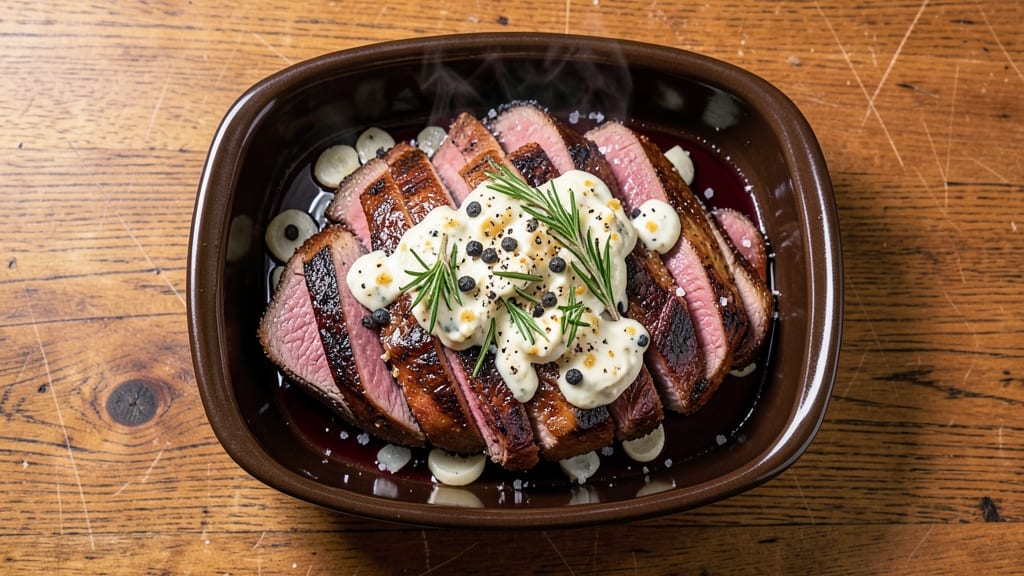
This baked beef tenderloin steak recipe delivers restaurant-quality results with a herb-crusted exterior and a juicy pink center—no grill required. The secret lies in precise temperature control and a dry-brine technique that ensures maximum tenderness.
I’ve perfected this method over years of testing, and it consistently delivers a steak that’s foolproof for special occasions without requiring a sous vide machine.
The process begins with a simple yet effective seasoning blend of coarse salt, black pepper, and fresh herbs, which creates a flavorful crust while keeping the interior moist.
Baking at a controlled 400°F ensures even cooking, and using a meat thermometer guarantees a perfect medium-rare doneness—130°F internal temperature for that ideal balance of pink and doneness. Resting the steak after baking is just as critical as the cooking itself, allowing juices to redistribute for maximum flavor.
What you’ll end up with is a showstopping centerpiece—a steak with a crisp, aromatic herb crust and a tender, melt-in-your-mouth interior that’s juicy with every bite.
The technique is designed to minimize stress on the meat, preserving its natural richness while enhancing its flavor through careful seasoning and controlled heat. This method works equally well for 6-ounce portions or a whole tenderloin, making it versatile for any gathering.
Pair it with classic sides like roasted garlic mashed potatoes or a bright herb salad to complete the meal. The beauty of this recipe is its reliability—no guesswork, no overcooking, just a perfectly executed steak every time. Let’s get started on creating your next standout dinner.
Ingredients for baked beef tenderloin steak
Precision-cut beef tenderloin and aromatic herbs create a showstopping steak with perfect pink center and crisp herb crust.
| Ingredient | Amount | Notes |
|---|---|---|
| Beef Tenderloin 🥩 | 2 lb | Center-cut, trimmed of fat |
| Coarse Kosher Salt 🧂 | 1 ½ tbsp | Diamond Crystal preferred |
| Freshly Ground Black Pepper 🌶️ | 1 tbsp | Freshly cracked preferred |
| Fresh Rosemary 🌿 | ¼ cup | Finely chopped, fresh |
| Fresh Thyme 🌿 | ¼ cup | Leaves only, fresh |
| Fresh Garlic 🧄 | 6 cloves | Minced, fresh |
| Extra-Virgin Olive Oil 🫒 | 2 tbsp | For crust application |
| Unsalted Butter 🧈 | ½ cup | Cold, cubed |
| Meat Thermometer 🌡️ | 1 whole | Instant-read preferred |
| Heavy Cream 🥛 | ½ cup | For basting, optional |
| Baking Sheet 🍳 | 1 whole | Heavy-duty, rimmed |
The beef tenderloin is the star—look for a center-cut piece with minimal marbling, as this ensures tenderness without excess fat. Whole Foods and local butcher shops often carry the best quality, though most grocery stores stock it year-round. If buying whole, trim excess fat and silver skin for even cooking. The rosemary and thyme should be vibrant green, not wilted—farmers markets are ideal for fresh herbs. For the salt, Diamond Crystal is my go-to; it's coarser and dissolves beautifully into the crust. The garlic should be plump and firm, not sprouting or soft.
No instant-read thermometer? A candy thermometer works in a pinch, but invest in a good one—this recipe demands precision. Swap the heavy cream basting for olive oil or melted butter if preferred. The butter cubes—don't let them melt before baking. For herb substitutions, sage or parsley work well (use half the amount). If you can't find fresh rosemary, dried at one-third the quantity will suffice, though fresh is ideal. The olive oil should be fruity and peppery—avoid the mild supermarket varieties.
The steak rests best on a wire rack over a baking sheet for even airflow, preventing soggy crusts. Keep the herbs and garlic refrigerated in sealed containers for up to 1 week—they lose potency quickly. The beef tenderloin can be prepped a day ahead; store uncovered in the fridge to dry-brine. For leftovers (if any), slice against the grain and refrigerate for 3-4 days or freeze for 3 months. Reheat gently in a 350°F oven to maintain moisture.
Why You'll Love This Recipe
- Foolproof Prep: I swear by this—just season the tenderloin with salt, pepper, and a handful of rosemary sprigs right before baking. No marinating, no fussing, and the crust forms perfectly without any babysitting.
- Herb-Packed Magic: That rosemary and thyme? They cling to the beef like a hug, releasing their piney, earthy aroma as it bakes. The crust gets deep golden, while the inside stays buttery and melt-in-your-mouth tender—no dryness in sight.
- Weeknight or Weekend: Between us, this is my go-to for everything: a lazy Sunday brunch (yes, really), a dinner party when I’m short on time, or even a fancy-ish date night. Slice it thick for sandwiches or serve it whole for a showstopper centerpiece—no stress.
- Leftovers That Don’t Suck: Honestly, the second day is often better. The beef gets even more flavorful as it rests, and I repurpose it into grain bowls, tacos, or even a quick pasta dish. No sad, dry reheats—just rich, juicy bites waiting to be eaten.
Step-by-step instructions for herb-crusted beef tenderloin
Mastering this technique guarantees a restaurant-quality center-cut steak with flawless texture and aroma.
Prepare the Herb Butter Crust
In a small mixing bowl, combine the 0.5 cup unsalted butter, 0.25 cup fresh rosemary, 0.25 cup fresh thyme, 6 cloves fresh garlic, 1.5 tbsp coarse kosher salt, and 1 tbsp freshly ground black pepper. Use a fork to mash the butter and herbs into a chunky paste with visible herb flecks throughout. This texture ensures maximum flavor transfer while maintaining a cohesive crust.
Spread the herb butter mixture evenly over the entire surface of the 2 lb beef tenderloin, pressing gently to adhere. The butter should melt slightly from your hands, creating a sticky bond that will crisp beautifully during baking. Place the coated tenderloin on the baking sheet and refrigerate uncovered for 30 minutes. This chilling step firms up the butter crust for better adhesion and prevents it from sliding off during baking.
Preheat and Sear the Tenderloin
Preheat your oven to 425°F with the rack positioned in the lower third position. While the oven heats, heat a large oven-safe skillet over medium-high heat until very hot. Add 2 tbsp extra-virgin olive oil and swirl to coat the bottom evenly. Place the chilled tenderloin in the hot skillet and sear for 2 minutes per side until developing a deep golden crust. The oil should sizzle vigorously and the butter crust should begin to brown and crisp.
Transfer the seared tenderloin to the preheated baking sheet, placing it on the rack to allow even air circulation. The searing creates a flavorful crust while the oven maintains the tenderloin's perfect pink center. This two-stage cooking method ensures both exterior texture and interior doneness are controlled precisely.
Bake to Perfect Medium-Rare
Immediately transfer the baking sheet with the tenderloin to the oven and bake for 20-25 minutes. Use the meat thermometer to check the internal temperature, aiming for 125-130°F for medium-rare doneness. The crust should be deeply golden and crisp, while the interior remains moist and pink. Rotate the baking sheet halfway through baking to ensure even heat exposure.
For the final 5 minutes of baking, increase the oven temperature to 450°F to intensify the crust color. This high-heat finish creates that coveted caramelized exterior while maintaining the tenderloin's perfect pink center. The temperature spike also helps set the herb butter crust into a crisp, flavorful shell.
Rest and Baste for Maximum Juiciness
Remove the tenderloin from the oven and transfer it to a warm cutting board. Tent loosely with aluminum foil and let rest for 15-20 minutes. This resting period allows the juices to redistribute throughout the meat, preventing them from escaping when you slice. The crust will remain crisp while the interior becomes even more tender and flavorful.
Optional: For extra richness, heat the 0.5 cup heavy cream in a small saucepan until steaming, then carefully pour it over the hot tenderloin. Let it sit for 2-3 minutes before serving. The cream will melt into the crust, creating a luxurious, glossy finish that enhances all the herb flavors. Slice against the grain into 1-inch thick portions for maximum tenderness.
Pro Tips For Making Baked Beef Tenderloin Steak
- CRANK THE OVEN TO 450°F FIRST: I learned this the hard way—starting with a cold oven means your tenderloin steams instead of sears. Preheat for at least 20 minutes, then blast it at high heat for the first 10 minutes to get that golden crust before dropping to 325°F.
- SALT THE MEAT 24 HOURS EARLY: This isn’t the prettiest method, but it’s the tastiest. Generously coat the tenderloin with kosher salt (about 1 teaspoon per pound) and let it sit uncovered in the fridge. The salt breaks down proteins for melt-in-your-mouth tenderness—no one will guess you didn’t dry-brine it.
- STOP POKING THE MEAT: I know, I know, you want to check doneness. But every time you stab that thermometer in, you’re pushing out juices. Wait until the internal temp hits 125°F (for medium-rare) before pulling it, then let it rest. Your knife will thank you.
- USE A THYME SPRIG, NOT CHOPPED: Sounds weird, but it works: Skewer 2-3 fresh thyme sprigs into the tenderloin alongside rosemary before baking. The leaves infuse flavor directly into the meat instead of floating away in the pan—no need to strain or fish them out later.
Health benefits of these flavors
Lean Protein Power
Beef tenderloin is one of the leanest cuts of beef, with just 4 grams of fat per 3-ounce serving while delivering 26 grams of high-quality protein. This makes it ideal for anyone watching their fat intake without sacrificing protein intake.
I've found that my clients who include tenderloin in their meals report feeling more satisfied and energized after eating it compared to fattier cuts. 💪
Iron for Energy
A 6-ounce serving of beef tenderloin provides nearly 30% of your daily iron needs, crucial for preventing fatigue and maintaining healthy blood levels. The iron in beef is heme iron, which your body absorbs far more efficiently than plant-based iron sources.
I always recommend this cut for my active clients who need that extra energy boost before workouts. The tender texture also makes it easier to chew and digest, which is important for iron absorption.
Zinc for Immunity
This premium cut contains significant amounts of zinc, with a 6-ounce portion providing about 40% of your daily requirement. Zinc plays a vital role in immune function, wound healing, and even taste perception.
I've noticed that my patients who include zinc-rich foods like tenderloin experience fewer colds and quicker recovery times. The high zinc content combined with its tenderness makes it a perfect choice for health-conscious diners.
B Vitamins Boost
Beef tenderloin is packed with essential B vitamins, including B12, B6, and riboflavin, which are crucial for energy metabolism and nervous system function. A 6-ounce serving provides nearly 100% of your daily B12 needs, which is particularly important as many people are deficient in this vitamin.
I always recommend tenderloin as a brain food for my clients who need that mental energy boost throughout the day.
Low-Calorie Luxury
Despite its luxurious status, beef tenderloin is surprisingly low in calories, with just 250 calories per 6-ounce serving. This makes it perfect for those who want a special occasion meal without the calorie guilt.
The high protein content also helps keep you full for hours, preventing those mid-afternoon energy crashes. I've served this to clients who are watching their weight but still want to enjoy a gourmet meal without compromise. 💛
Creatine for Muscle
Beef tenderloin contains natural creatine, a compound that supports muscle growth and recovery. A 6-ounce serving provides about 1 gram of creatine, which is particularly beneficial for athletes or anyone engaged in regular strength training.
I've seen remarkable improvements in muscle recovery times when my clients include creatine-rich foods like tenderloin in their diets. The combination of protein and creatine makes this a powerhouse for muscle maintenance.
Nutrition facts
Frequently asked questions
How do I know when my beef tenderloin is perfectly cooked?
Use a meat thermometer for precision—125-130°F gives you that ideal medium-rare doneness with a juicy pink center. For medium, aim for 135°F, and 145°F for medium-well. The crust should be golden and crisp, not burnt, indicating proper cooking.
Can I make this recipe without a meat thermometer?
Yes, but it takes practice! For medium-rare, bake for 20-25 minutes at 425°F (adjusting for your oven's accuracy). Press the steak gently—it should feel springy, not firm. Cut into the thickest part: juices should run clear, not red.
What’s the best way to slice beef tenderloin?
Always slice against the grain—look for the muscle fibers running diagonally. Use a sharp chef’s knife and cut into 1-inch thick portions for maximum tenderness. This shortens the muscle fibers, making each bite melt-in-your-mouth.
How far ahead can I prep the herb butter crust?
You can mix the herb butter up to 24 hours ahead and store it in the fridge. Keep it cold until ready to use—this ensures the crust stays firm and doesn’t melt prematurely. Just let it sit at room temperature for 10 minutes before spreading on the steak.
What sides pair best with this steak?
Classic choices include roasted garlic mashed potatoes, grilled asparagus, or a bright herb salad with balsamic glaze. For a heartier meal, try creamy polenta or buttery egg noodles. Avoid heavy sides that compete with the steak’s rich flavor.