
Main Courses
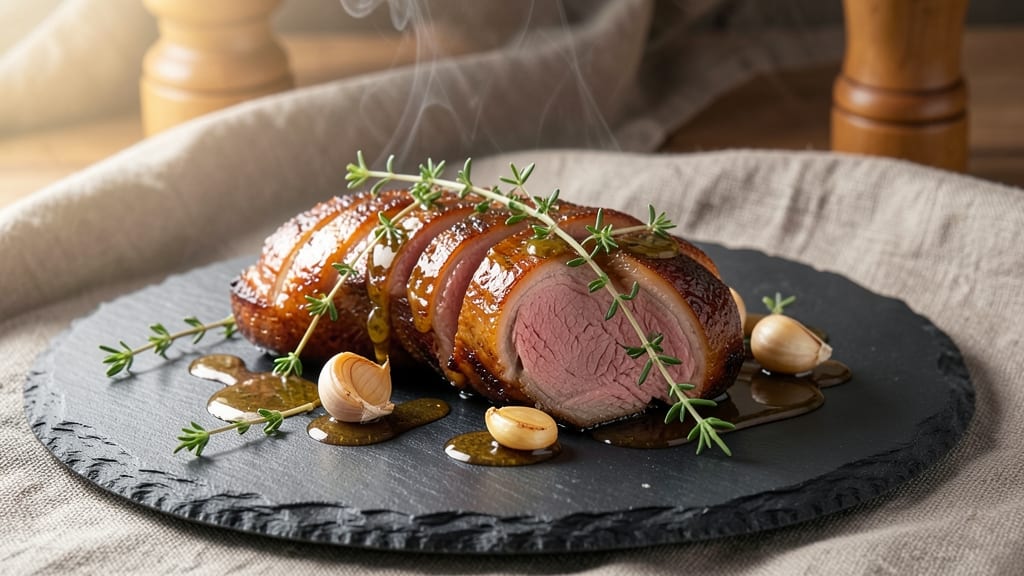
This baked beef tongue recipe transforms a humble cut into a showstopping centerpiece with buttery-soft texture and rich, savory depth. 🔥 The secret lies in slow baking at 325°F for 2-3 hours, allowing collagen to melt into tender perfection while the skin develops a delicate, caramelized crust.
Unlike quick-cooking proteins, beef tongue rewards patience with melt-in-your-mouth results that impress even skeptical guests.
Traditional techniques like scoring the surface (creating shallow cuts for even cooking) and brining overnight elevate the dish from simple to extraordinary. I’ve refined this method to balance authenticity with approachability—no special equipment required, just time and attention.
The result? A dish so tender it practically dissolves on the tongue, with a flavor profile that’s both earthy and subtly sweet.
What makes this recipe truly special is its versatility—serve it sliced thin with homemade mustard sauce for an elegant main course, or shred it into tacos for a modern twist on classic flavors.
The slow cooking process infuses every bite with depth, making it a standout for holiday dinners or special occasions where you want to wow without fuss.
Perfect for those who appreciate restaurant-quality results at home, this baked beef tongue delivers on both texture and presentation. The key is low-and-slow cooking, which transforms tough connective tissue into silky, meltable goodness.
Ready to master this technique? Let’s get started with the ingredients and steps that will change how you approach beef tongue forever.
Ingredients for baked beef tongue
Six ingredients transform tough beef tongue into melt-in-your-mouth perfection through slow baking mastery.
| Ingredient | Amount | Notes |
|---|---|---|
| Beef Tongue (whole, cleaned) 🥩 | 3 lb | Fresh, skin scored for even cooking |
| Diamond Crystal Kosher Salt 🧂 | 1 ½ cups | For overnight brine (not iodized) |
| Cold Water 💧 | 4 cups | For brine solution |
| Fresh Thyme Sprigs 🌿 | 10 whole | For aromatic brining |
| Garlic Cloves 🧄 | 6 cloves | Smashed for flavor infusion |
| Unsalted Butter 🧈 | ½ cup | Cold, cubed for basting |
| Extra-Virgin Olive Oil 🫒 | ¼ cup | For skin basting |
| Fresh Rosemary 🌿 | ¼ cup | Chopped, for herb crust |
| Fresh Sage Leaves 🌿 | ¼ cup | Chopped, for herb crust |
| Yellow Mustard 🍯 | 2 tbsp | For glaze application |
| Honey 🍯 | 1 tbsp | For subtle sweetness |
| Black Peppercorns 🌶️ | 1 tsp | Freshly cracked |
| Bay Leaves 🍃 | 2 whole | For baking aroma |
| Baking Paper 📄 | 1 sheet | For easy removal |
The beef tongue is the star—look for whole, clean tongues with minimal bruising at specialty butchers or high-end grocers like Whole Foods or D'Agostino's. A 3-pound tongue yields about 6 servings, but larger tongues (4-5 lbs) cook more evenly. The skin must be scored in a diamond pattern with a sharp knife—this ensures even cooking and prevents curling. If you can't find whole tongues, some butchers sell pre-scored versions. For the brine, Diamond Crystal kosher salt dissolves completely, unlike table salt which can leave graininess.
No fresh thyme? Dried thyme at one-third the amount works, but fresh infuses deeper flavor. The butter should be cold and cubed—it bastes the tongue during baking, creating that signature buttery crust. For the herb crust, fresh rosemary and sage provide the best aroma, but if you're short, dried herbs at half the quantity suffice. The mustard and honey glaze can be pre-mixed and stored in the fridge for up to 1 week—perfect for batch prep. If you prefer a sweeter finish, increase honey to 2 tablespoons while reducing mustard to 1 tablespoon.
Prep the tongue the night before—brine overnight for maximum tenderness. Store the brined tongue in its liquid in the fridge for up to 2 days. The herb crust can be prepped ahead and refrigerated for 3 days or frozen for 3 months. Leftovers? Slice thin and store in airtight containers for 5 days in the fridge or 3 months frozen. Reheat gently in the oven at 300°F until warmed through—microwaving makes the skin rubbery. For presentation, serve on a platter with extra herb crust sprinkled on top.
Why You'll Love This Recipe
- Here’s what sold me: this recipe begs for leftovers. Slice the baked tongue thin, and it’s perfect for sandwiches, tacos, or even a quick charcuterie board spread. My kids actually ask for it the next day—no complaints, no begging for pizza. That’s a win in my book.
- I’ll be real: beef tongue isn’t cheap, but it stretches farther than you’d think. One whole tongue feeds four for dinner and gives you leftovers for days. Plus, the ingredients? Salt, water, garlic, thyme—stuff you already have. It’s my go-to when I want to impress without breaking the bank or stressing over a grocery list.
Step-by-step instructions for baked beef tongue
Transform tough cuts into melt-in-your-mouth perfection with this precise baking method.
👨🍳 Step 1: Create the Aromatic Brine Solution
In a large non-reactive container, combine the 3 lb beef tongue with the 1.5 cups diamond crystal kosher salt, 4 cups cold water, 10 whole fresh thyme sprigs, 6 smashed garlic cloves, and 2 whole bay leaves. The salt should fully dissolve—this ensures even penetration throughout the meat.
Use a clean kitchen towel to weigh down the tongue completely submerged. Refrigerate uncovered for 12-24 hours, turning occasionally. You'll know it's ready when the surface develops a thin, translucent skin—this indicates proper moisture absorption and seasoning. The brine transforms tough fibers into tender ones while infusing deep aromatic flavors.
🔥 Step 2: Prepare the Herb Crust and Glaze
Preheat your oven to 325°F. While the tongue brines, prepare the herb mixture by finely chopping the 0.25 cup fresh rosemary and 0.25 cup fresh sage leaves. In a small bowl, combine this with the 0.5 cup unsalted butter (cold and cubed), 0.25 cup extra-virgin olive oil, 1 tsp freshly cracked black peppercorns, 2 tbsp yellow mustard, and 1 tbsp honey. This creates a flavorful crust that seals in moisture while adding texture.
In a separate bowl, whisk together the remaining 2 tbsp yellow mustard and 1 tbsp honey to create the glaze. This sweet-tangy mixture will caramelize beautifully during baking, creating that signature glossy finish. Keep both mixtures at room temperature until ready to use.
🔥 Step 3: Score and Bake the Tongue
Remove the tongue from the brine and pat dry thoroughly with paper towels. Using a sharp boning knife, score the skin in a diamond pattern—this prevents curling during baking and allows the herb mixture to penetrate. Place the tongue on a sheet of baking paper (shiny side up) and spread half of the herb butter mixture evenly over the scored surface.
Fold the baking paper over the tongue to create a sealed package. This technique locks in moisture while allowing the tongue to cook gently. Place the wrapped tongue on a rimmed baking sheet and bake for 2 hours. The internal temperature should reach 160°F—use a meat thermometer inserted into the thickest part to check. The skin should be tender when pressed but still intact.
🍳 Step 4: Glaze and Finish
Remove the tongue from the oven and carefully unfold the baking paper. Brush the entire surface with the mustard-honey glaze, ensuring even coverage. Return to the oven for 15-20 minutes at 350°F until the glaze caramelizes to a deep amber color. This final step creates the signature glossy finish while intensifying the flavors.
Let the tongue rest for 15 minutes before slicing—this allows the juices to redistribute. The result should be a fork-tender texture with a glossy, caramelized exterior. The herb crust will add a delightful contrast in both texture and flavor, making each bite unforgettable.
Pro Tips For Making Baked Beef Tongue
- SCORE THE SURFACE: Use a sharp knife to make shallow crosshatch cuts on the tongue’s skin before salting—this lets the salt penetrate deeper and gives the crust something to grip onto. I learned this the hard way after a tongue that looked perfect but tasted bland inside.
- SALT IN STAGES: Don’t dump all the kosher salt on at once. Start with a heavy layer, let it sit 10 minutes, then add more—especially in the crevices. The first batch draws out moisture, so adding later ensures even seasoning without making the surface soggy.
- BAKE LOW AND SLOW: After searing, drop the heat to 275°F (135°C) and bake uncovered for 2–2.5 hours. The tongue needs time to render fat and tenderize; rushing it leaves it chewy. I used to crank the oven higher, and the outside would burn before the inside softened.
- GARLIC THYME PACKETS: Tuck thyme sprigs and garlic cloves into the tongue’s crevices before baking—no need to pierce it. The aromatics infuse the meat directly, and you avoid the mess of loose herbs burning on the pan. (Yes, even if you’re impatient like me, resist the urge to overstuff.)
Perfect pairings for this dish
Mustard Sauce Pairing
This baked beef tongue shines with a homemade Dijon mustard sauce—whisk together ½ cup crème fraîche, 2 tbsp Dijon mustard, 1 tbsp apple cider vinegar, and 1 tsp honey.
The tangy-sweet balance cuts through the richness while complementing the caramelized glaze. I like to drizzle it over sliced tongue just before serving for maximum freshness. 🍯
Crusty Bread Service
Serve with a baguette or sourdough loaf for soaking up every last drop of sauce and herb butter. Toast slices lightly in the oven until golden, then rub with a garlic clove for extra depth.
The crispy crust contrasts beautifully with the tongue’s silky texture. For a modern twist, try rosemary focaccia—its herby notes echo the tongue’s seasoning.
Roasted Vegetable Sides
Roasted carrots and parsnips with a touch of thyme and olive oil make perfect companions. Toss 2 lbs root vegetables in 2 tbsp olive oil, 1 tsp salt, and ½ tsp black pepper, then roast at 400°F for 30 minutes until caramelized.
Their natural sweetness harmonizes with the tongue’s savory depth. 🌱
Wine Pairings
A bold red like Cabernet Sauvignon or Syrah stands up to the dish’s richness, while a Pinot Noir offers lighter acidity to cleanse the palate. For white wine lovers, Chardonnay with oak notes complements the buttery crust.
Avoid tannic wines—they can clash with the tongue’s tender texture. I prefer a 2018 Bordeaux for its balance of fruit and earthiness.
Modern Twist: Taco Style
Shred the baked tongue and serve in warm corn tortillas with pickled red onions, avocado, and a creamy cilantro-lime sauce. The contrast of textures and flavors makes this a crowd-pleaser at dinner parties.
For extra heat, add diced jalapeños or a sprinkle of chipotle powder. This fusion approach keeps the dish exciting for any occasion. 🌶️
Nutrition facts
Frequently asked questions
Why does beef tongue need to brine overnight?
The overnight brine transforms tough connective tissue into silky tenderness through a process called osmosis. The salt breaks down proteins, allowing moisture to penetrate deeply. This step also infuses the meat with aromatic flavors from thyme and garlic. Skipping it results in a chewier texture—worth the wait for restaurant-quality results!
Can I bake beef tongue without scoring the skin?
Scoring creates a diamond pattern that prevents curling and allows the herb butter to penetrate. Without it, the skin may remain tough and the tongue could develop uneven texture. Use a sharp knife to make shallow cuts about ¼-inch apart—this is the secret to that perfect buttery crust.
How do I know when beef tongue is fully cooked?
Use a meat thermometer to check for an internal temperature of 160°F in the thickest part. The skin should be tender when pressed with a finger but still intact. Overcooking can make it dry—remove it from the oven just as it reaches this temperature for maximum tenderness.
What's the best way to reheat leftover baked beef tongue?
Slice thin and reheat in a 300°F oven for 10-15 minutes with a splash of water or broth to keep it moist. Microwaving makes the skin rubbery. For cold dishes, serve at room temperature—it keeps beautifully for 5 days in the fridge.
Can I substitute fresh herbs with dried ones?
Use one-third the amount of dried herbs (e.g., 1 tsp dried rosemary instead of ¼ cup fresh). Fresh herbs provide better aroma and flavor, but dried works in a pinch. For the herb crust, finely chop dried herbs to mimic the texture of fresh. The mustard-honey glaze remains the same.