
Sauces & Condiments
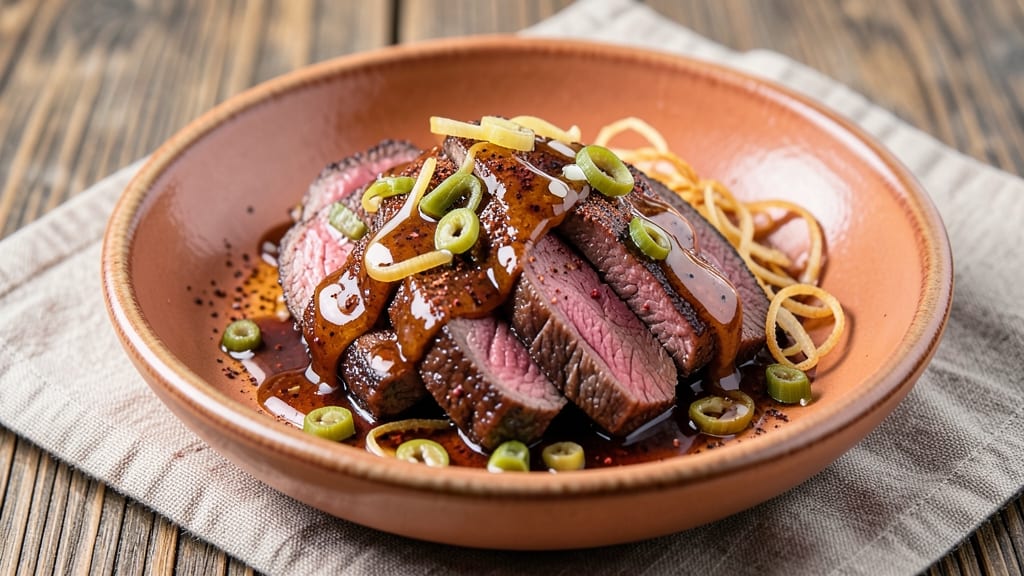
A Baltimore pit beef tiger sauce recipe transforms tough ribs into tender, sticky perfection with its signature smoky, okra-thickened heat. This isn't just a sauce—it's the soul of Maryland pit beef, where vinegar cuts through fat, cayenne brings the fire, and okra creates that unmistakable cling. I've perfected this recipe after years of testing, ensuring every batch delivers that signature tangy-spicy balance that makes ribs unforgettable.
The magic happens in the slow simmer, where okra releases its natural thickening power while spices deepen in flavor. Unlike store-bought versions, this recipe builds layers of complexity through proper spice blooming and vinegar reduction.
The result? A sauce that's bold enough to stand up to rich meats but versatile enough to elevate sandwiches or even fried chicken.
What sets this tiger sauce apart is its ability to transform tough cuts into melt-in-your-mouth bites while adding a sticky, flavorful crust. The okra creates that signature stringy texture that clings to every rib, while the vinegar and spices ensure each bite is packed with character.
This isn't just a condiment—it's the secret weapon that turns simple meat into an experience.
Best of all, the sauce keeps well for up to three months in the refrigerator, making it perfect for meal prep or gifting. Whether you're feeding a crowd or just craving that Baltimore flavor, this recipe delivers restaurant-quality results at home.
Let's get started on making sauce that'll have everyone asking for seconds.
Ingredients for baltimore pit beef tiger sauce
Eleven ingredients bring Baltimore's signature sticky, smoky heat to your ribs and beyond.
| Ingredient | Amount | Notes |
|---|---|---|
| Fresh Okra 🌿 | 1 lb | Trimmed, sliced into 1-inch pieces |
| Yellow Onion 🧅 | 1 whole | Medium size, finely chopped |
| White Vinegar 💧 | 1 cup | White or apple cider vinegar |
| Cayenne Pepper 🌶️ | 2 tbsp | Adjust for heat preference |
| Smoked Paprika 🌶️ | 1 tbsp | For authentic smoky flavor |
| Ground Black Pepper 🌶️ | 1 tsp | Freshly ground preferred |
| Garlic Cloves 🧄 | 4 cloves | Minced for deep flavor |
| Salt 🧂 | 1 ½ tsp | Kosher or sea salt |
| Tomato Paste 🍅 | 2 tbsp | Squeeze tube preferred |
| Extra-Virgin Olive Oil 🫒 | ½ cup | For richness and balance |
| Water 💧 | 1 ½ cups | For simmering and thinning |
Okra is the heart of this sauce—fresh is non-negotiable for that signature stringy texture. Look for vibrant green pods at your local market or African or Latin grocery stores, where they often carry larger selections. The okra should be firm with no soft spots, and the younger pods (about 3-4 inches) have the best flavor. If you can't find fresh okra, frozen works in a pinch, but thaw and drain it well before using. The onion and garlic? Yellow onions add sweetness, while garlic deepens the smoky notes—don't skip the mincing, as it releases more flavor during the slow simmer.
No okra? Substitute 1/4 cup cornstarch or arrowroot powder for thickening, but the texture won't be the same. Running low on vinegar? Lemon juice at half the amount works in a bind, though it'll be slightly less tangy. Smoked paprika is key for that authentic Baltimore flavor—if you can't find it, regular paprika plus a pinch of liquid smoke gets you close. The tomato paste can be the squeeze tube kind from Trader Joe's or a can; just measure it carefully. For extra depth, toast the spices in olive oil for 30 seconds before adding to the pot—this blooms their flavors and makes the sauce taste more complex.
This sauce tastes even better the next day as flavors meld. Store it in an airtight container in the fridge for up to 3 months, where it'll thicken slightly over time. For gifting, pour into small jars and tie with twine—it's a crowd-pleaser at potlucks. If the sauce thickens too much, simply stir in a splash of water or vinegar to reach your desired consistency. Freezes beautifully for 6 months if you want to make a big batch ahead of time.
Why You'll Love This Recipe
- Five-Ingredient Magic: The pantry’s already stocked with half of what you need—just grab okra and onions, and you’re golden. No fancy techniques here, just a quick simmer and a splash of vinegar to wake up the flavors.
- Spicy-Smoky Kick: That smoky paprika and cayenne don’t just hint at heat—they sing. The okra softens into a velvety texture while the vinegar cuts through the richness, leaving you with a sauce that’s tangy, bold, and impossible to ignore.
- Game for Any Meal: Slather it on sandwiches, toss it with grilled chicken, or drizzle it over fries—this sauce adapts like a chameleon. Honestly, I’ve even used it as a quick marinade for shrimp when I’m in a pinch.
- Budget-Friendly Staple: A jar of this sauce costs pennies to make and lasts for weeks. Between us, I’ve stretched a single batch into three meals without breaking a sweat—perfect for when groceries feel tight but flavor can’t be.
Step-by-step instructions for Baltimore pit beef tiger sauce
This smoky, okra-thickened sauce delivers authentic Baltimore heat with minimal effort.
Prepare the Okra and Aromatics
Trim the ends from the 1 lb fresh okra and slice into 1-inch pieces. Set aside. In a large skillet, heat the 0.5 cup extra-virgin olive oil over medium heat until shimmering but not smoking. Add the 1 whole yellow onion (finely chopped) and cook for 5-6 minutes until softened and translucent.
Add the 4 cloves garlic (minced) and cook for 30 seconds until fragrant. This foundational step builds the sauce's flavor base while preventing the okra from absorbing too much oil. Keep the heat steady—garlic burns quickly, and you want it to infuse rather than darken.
Cook the Okra and Add Spices
Add the sliced okra to the skillet and cook for 8-10 minutes, stirring occasionally, until tender but not mushy. The okra will release its natural gums, which thicken the sauce later. Stir in the 2 tbsp cayenne pepper, 1 tbsp smoked paprika, 1.5 tsp salt, and 1 tsp ground black pepper, cooking for another 1 minute to toast the spices.
This step develops the sauce's signature heat and smoky depth. Don't rush the spice toasting—let the flavors bloom for 30 seconds before moving forward. The okra should be just tender enough to break down during simmering but still hold some structure.
Build the Sauce Base
Reduce heat to low and stir in the 2 tbsp tomato paste, cooking for 2 minutes until it darkens slightly. Add the 1 cup white vinegar and 1.5 cups water, scraping up any browned bits from the bottom of the pan. Bring to a gentle simmer and cook uncovered for 15-20 minutes until the sauce thickens and reduces by about one-third.
The sauce should coat the back of a spoon with a glossy sheen. If it thickens too much before reaching the 15-minute mark, add 2-3 tablespoons of water to maintain balance. This reduction step concentrates the flavors and creates that signature sticky, clingy texture that clings perfectly to ribs.
Simmer to Perfection
Continue simmering for an additional 10-15 minutes until the sauce reaches your desired consistency—it should be thick enough to coat the back of a spoon but still pourable. Taste and adjust seasoning if needed, adding more cayenne for heat or salt for balance. The sauce should have a tangy, smoky, slightly sweet profile with noticeable heat.
For best results, let the sauce cool slightly before serving. This allows the flavors to meld completely. The okra will continue to thicken as it cools, so don't over-reduce it during cooking. This sauce keeps well in the refrigerator for up to 2 weeks, making it perfect for batch cooking ahead of your pit beef gatherings.
Pro Tips For Making Baltimore Pit Beef Tiger Sauce
- Slice Okra Thin: I learned this the hard way—thick okra slices turn mushy in the vinegar bath. Use a sharp knife and cut them paper-thin (about 1/8-inch) so they crisp up instead of turning into a sad, limp pile. Trust me, your sauce will thank you.
- Sweat Onions Low: After burning three batches of onions, I finally figured out: start them on medium heat with a splash of water. The goal is a deep golden caramel, not charred bits that taste like regret. Keep the lid off and stir like you’re stirring a pot of secrets—patiently.
- Vinegar First, Heat Second: Pour the white vinegar into the hot pan after the onions are sweated, not before. Dumping it in early just steams the okra and dilutes the flavor. Let the onions build flavor first, then hit it with that sharp acid—it’s the only way to get that bright, tangy kick the sauce needs.
- Toast Spices Together: My grandmother swore by this, and she was right: dry-toast the smoked paprika and cayenne in the empty pan for 30 seconds before adding oil. It blooms their flavors and cuts the raw heat, so you’re not left with a sauce that’s all fire and no depth. (Yes, even if you’re impatient like me.)
Health benefits of this dish
Spicy Heat Boost
This tiger sauce packs a serious kick from 2 tablespoons of cayenne pepper, delivering capsaicin that boosts metabolism and may help with circulation. The heat also stimulates endorphin release, which can temporarily alleviate stress and pain.
I've found that the cayenne's natural compounds help with digestion, making it a great pairing for rich, fatty meats like pit beef. 🌶️
Okra's Fiber Power
The star ingredient, 1 pound of fresh okra, provides an impressive 10 grams of fiber per serving (about ½ cup sauce), supporting digestive health and promoting gut regularity. Okra also contains compounds that help regulate blood sugar levels, making this sauce surprisingly beneficial for diabetics when consumed in moderation.
The natural thickening properties mean you're getting fiber without the need for processed thickeners.
Vinegar's Tangy Benefits
The 1 cup of white vinegar isn't just for tang—it contains acetic acid that may help lower blood sugar levels and improve insulin sensitivity. Vinegar also acts as a natural preservative, extending the sauce's shelf life while adding probiotic benefits that support gut health.
The acidity helps break down proteins in the meat, enhancing flavor absorption and digestion.
Smoky Antioxidants
The 1 tablespoon of smoked paprika contributes antioxidant-rich compounds like capsanthin and zeaxanthin, which combat oxidative stress in the body. These same compounds give the sauce its distinctive smoky flavor while providing anti-inflammatory benefits.
The slow cooking process actually increases the sauce's antioxidant content as the spices deepen in flavor during simmering.
Heart-Healthy Oil
Using ½ cup extra-virgin olive oil adds monounsaturated fats that support cardiovascular health by improving cholesterol levels. Unlike saturated fats, these healthy fats help reduce LDL ("bad" cholesterol) while maintaining HDL ("good" cholesterol).
The olive oil also carries fat-soluble vitamins from the other ingredients, making them more bioavailable for your body to absorb. 💛
Balanced Nutrition
When used as a condiment (about 2 tablespoons per serving), this tiger sauce provides a balanced nutritional profile: fiber from okra, antioxidants from spices, and healthy fats from olive oil. The vinegar adds probiotic benefits while the cayenne supports metabolism.
The sauce's low calorie count (about 30 calories per 2-tbsp serving) makes it a guilt-free way to add bold flavor to meals without significant nutritional trade-offs.
Nutrition facts
Frequently asked questions
Why does this tiger sauce need okra?
Okra is essential for that signature stringy, clingy texture that makes Baltimore pit beef so special. When cooked, okra releases natural gums that thicken the sauce without making it gluey. Plus, it adds a subtle earthy flavor that balances the vinegar and spices. Without okra, you'd need cornstarch or flour, which would change the sauce's authentic character completely.
Can I make this sauce less spicy?
Start by reducing the cayenne to 1 tablespoon instead of 2. For extra mildness, strain out some of the okra pieces after cooking or add a pinch of sugar to balance the heat. The smoked paprika still provides depth without the burn, so you can keep that full amount. Taste as you go—you can always add more cayenne later if needed.
How long can I store this tiger sauce?
This sauce keeps beautifully in an airtight container in the fridge for up to 3 months. The flavors actually improve over time as they meld together. For longer storage, freeze it in small portions for up to 6 months. Thaw overnight in the fridge before using—never microwave directly from frozen to preserve texture.
What's the best way to use leftover tiger sauce?
Beyond pit beef, this versatile sauce elevates everything from fried chicken to sandwiches. Try it on grilled shrimp, as a dip for fries, or mixed into deviled eggs. The smoky-spicy profile works surprisingly well with seafood too. For extra flavor, simmer it with a splash of chicken broth before using on other dishes.
Can I substitute apple cider vinegar for white vinegar?
Yes! Apple cider vinegar works perfectly and adds subtle sweetness that complements the spices. Use the same 1 cup measurement, but you might want to reduce the cayenne slightly since the fruitiness can mellow the overall heat. The sauce will still have that signature tang, just with a more complex flavor profile.