
Main Courses
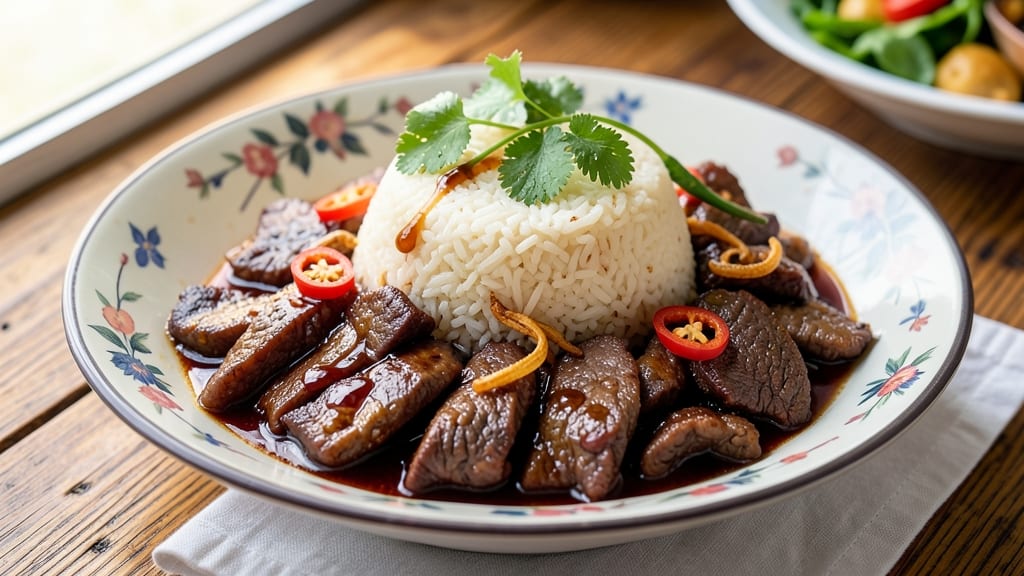
This Bangkok beef recipe transports you straight to the bustling streets of Thailand with its perfect balance of sweet, spicy, and tangy flavors. The secret lies in marinating thinly sliced beef with a blend of tamarind, fish sauce, and aromatic spices, then stir-frying it until caramelized.
I’ve perfected this dish over years of testing—it’s the one that finally convinced even my pickiest eaters to try Thai food.
The magic happens in layers: a tangy tamarind glaze cuts through the richness of the beef, while garlic, ginger, and Thai basil add depth. This recipe delivers restaurant-quality results without requiring specialty equipment—just a hot pan and a few simple techniques.
The beef stays tender and flavorful, not chewy or overcooked, and the glaze clings perfectly to every bite.
Serve it over steamed jasmine rice with a side of quick-pickled vegetables or a simple cucumber salad to balance the bold flavors. The aroma alone will have everyone gathering around the table, and the first bite delivers that perfect harmony of sweet, spicy, and umami that makes this dish legendary.
Ready to bring Bangkok to your kitchen?
What makes this recipe truly special is its adaptability—use lean beef for a lighter version or swap in pork for a different twist. The tamarind glaze can be made ahead, and the marinade works just as well for chicken or tofu. Let’s get cooking!
Ingredients for bangkok beef
Sweet, spicy, tangy—just these simple ingredients transform into Bangkok's most iconic beef dish.
| Ingredient | Amount | Notes |
|---|---|---|
| Thinly Sliced Beef 🥩 | 1 ½ lb | Flank or sirloin, against grain |
| Tamarind Paste 🍯 | ½ cup | Or 1 cup tamarind concentrate |
| Fish Sauce 🍶 | 3 tbsp | Red Boat preferred |
| Brown Sugar 🍚 | ¼ cup | Packed, light brown preferred |
| Garlic Cloves 🧄 | 6 cloves | Minced, fresh preferred |
| Fresh Ginger 🌿 | 2 tbsp | Grated, peeled |
| Thai Bird's Eye Chilies 🌶️ | 2 whole | Seeds removed, finely chopped |
| Thai Basil Leaves 🌿 | ½ cup | Packed, stems removed |
| Lime Juice 🍋 | 2 tbsp | Freshly squeezed |
| Vegetable Oil 🫒 | 2 tbsp | High smoke point |
| Jasmine Rice 🍚 | 1 ½ cups | Uncooked, long grain |
| Salt 🧂 | 1 tsp | Kosher or sea salt |
| Black Pepper 🌶️ | ½ tsp | Freshly ground |
| Soy Sauce 🍶 | 1 tbsp | Light or regular |
The beef is everything here. Flank or sirloin slices thinly against the grain—Costco or Whole Foods often have pre-sliced packages that save time. Look for good marbling, not lean cuts. Tamarind paste can be tricky to find, so Thai markets or Amazon are your best bets. If you can't find it, tamarind concentrate works in a pinch—just reduce the amount by half. The fish sauce? Red Boat is the gold standard, but any good-quality brand will do. Skip the cheap stuff—it's the umami backbone of this dish.
No Thai basil? Regular basil or cilantro changes the flavor but works in a bind. Running short on tamarind? Lime juice plus 1 tbsp molasses mimics that tangy depth. The brown sugar should be packed—light brown gives a better caramelized glaze. Chilies too spicy? Remove seeds before chopping or swap for milder jalapeños. The marinade keeps for 3 days in the fridge, so make extra if you're feeding a crowd. And trust me, the beef tastes even better the next day after the flavors meld.
Cook the rice first—it takes the longest. The beef marinade can sit while you prep everything else. Once cooked, the beef reheats beautifully—just toss with a splash of water and stir-fry again. Store leftovers in an airtight container for 3-4 days or freeze for 3 months. I always double the recipe because it disappears faster than you can say 'pad thai.' Serve with extra lime wedges and fresh basil on top—because presentation matters when you're bringing Bangkok home.
Why You'll Love This Recipe
- Foolproof Prep: I swear by this—no fancy knife skills needed. That thinly sliced beef? You can buy it pre-sliced at most Asian markets, or even pulse it in your food processor if you’re in a rush. Five minutes of chopping garlic and stirring, and you’re done.
- Tamarind Magic: Between us, tamarind paste is underrated. That tangy-sweet balance? It cuts through the richness of the beef while the brown sugar caramelizes just enough to make every bite addictive. (Yes, even on a Tuesday night.)
- Leftover Hero: This dish tastes better the next day—honestly. The flavors meld into something deeper, and reheating it on a sheet pan with a splash of water keeps it juicy. Pack it for lunch or freeze portions for those nights you’d rather binge Netflix than cook.
- Budget Flex: Fish sauce and brown sugar stretch this recipe far. A pound of beef feeds four, and the sauce costs pennies per serving. I’ll be real: my grocery bill dropped when I started making this weekly instead of takeout.
Step-by-step instructions for sweet-spiced stir-fry with tangy tamarind glaze
Here's how to make this Bangkok classic with perfect balance of sweet, spicy, and tangy flavors.
Cook the Jasmine Rice
Rinse the 1.5 cups jasmine rice thoroughly under cold water until the water runs clear. This removes excess starch and prevents gummy rice. Drain well in a fine-mesh strainer, then transfer to a pot with 2 cups water and 1 teaspoon salt. Bring to a boil over medium-high heat, then reduce to a simmer, cover, and cook for 15 minutes. Turn off the heat and let it steam for another 10 minutes—don't peek! The rice will absorb all the water and become perfectly fluffy. Fluff with a fork before serving.
I like to use a rice-to-water ratio of 1:1.33, which gives us that signature Thai jasmine texture. If you're short on time, you can use a rice cooker instead—just follow the same rinsing step first.
Prepare the Tangy Tamarind Glaze
In a small bowl, whisk together the 0.5 cup tamarind paste, 0.25 cup brown sugar, 3 tablespoons fish sauce, and 1 tablespoon soy sauce until the sugar dissolves completely. This glaze is the heart of the dish—it's what gives that signature sweet-sour balance. If using tamarind concentrate, thin it slightly with 1 tablespoon water first to make it easier to whisk.
Taste the mixture and adjust to your preference. I usually add a pinch more fish sauce for umami depth or a bit more sugar if I want it sweeter. Set this aside while you prep the rest of the ingredients—it'll thicken slightly as it sits.
Marinate and Sear the Beef
In a large bowl, combine the 1.5 lb thinly sliced beef with 2 tablespoons lime juice, 1 tablespoon soy sauce, ½ teaspoon black pepper, and 1 tablespoon vegetable oil. Toss gently but thoroughly to coat all the slices. Let it marinate for 10-15 minutes at room temperature—this ensures even cooking and maximum flavor absorption.
Heat 1 tablespoon vegetable oil in a wok or large skillet over high heat until shimmering. Working in batches if needed, add the beef and sear for 1-2 minutes per side until just cooked through but still tender. The beef should turn a rich caramel color—this is your signal it's ready. Remove and set aside, leaving the rendered juices in the pan.
Stir-Fry the Aromatics and Chilies
In the same pan (no need to wipe it clean—those beef juices are flavor gold), add the remaining 1 tablespoon vegetable oil over medium-high heat. Add the 6 cloves minced garlic and 2 tablespoons grated ginger, stirring constantly for 30 seconds until fragrant but not browned. Add the 2 whole Thai bird's eye chilies (seeds removed) and cook for another 20 seconds—this releases their heat without burning them.
Here's where it gets aromatic. The garlic should smell like a Thai street market, and the chilies should be just starting to turn bright red. If they darken too quickly, reduce the heat slightly. You want flavor, not bitterness.
Combine Everything for the Perfect Stir-Fry
Return the seared beef to the pan along with the prepared tamarind glaze. Stir everything together and bring to a gentle simmer over medium heat. Let it cook for 2-3 minutes until the sauce thickens slightly and coats the beef. The beef should be tender but still holding its shape—overcooking will make it tough.
Stir in the 0.5 cup packed Thai basil leaves and cook for just 30 seconds—they'll wilt dramatically but retain their bright flavor. Taste and adjust seasoning if needed. The dish should balance sweet, spicy, tangy, and umami perfectly. Serve immediately over the cooked jasmine rice, garnished with extra basil leaves if you're feeling fancy.
Pro Tips For Making Bangkok Beef
- STIR-FRY FAST, LOW: Cook the beef in one hit over high heat—30 seconds max—until just barely wilted, not browned. Overcooking turns it rubbery, and you’ll end up drowning it in sauce. Pull it out early; it’ll finish cooking in the tamarind mix.
- DILUTE TAMARIND PASTE: Mix the tamarind paste with equal parts hot water first—about 1 tablespoon paste to 1 tablespoon water. It’s sticky as glue otherwise, and you’ll end up with clumps in your sauce. Trust me, your mouth will thank you.
- SALT THE GARLIC: Toss the minced garlic in a pinch of salt before adding it to the pan. It softens the edges and prevents it from burning while the beef cooks. (Yes, even if you’re impatient like me.)
- SWEAT THE BEAN SPROUTS: If using bean sprouts, blanch them in boiling water for 10 seconds, then shock in ice water. This removes bitterness and keeps them crisp—no soggy, sad greens in your finished dish. (I learned this the hard way after a sad, limp bowl.)
Perfect pairings for these flavors
Rice Pairings
Jasmine rice is the classic partner for Bangkok beef, absorbing the tangy tamarind glaze beautifully. Cook 1.5 cups uncooked jasmine rice with 2 cups water and 1 tsp salt for perfectly fluffy grains.
For extra flair, try Thai-style coconut rice—simmer rice in coconut milk with a pinch of salt for a creamy, aromatic twist. 🍚
Vegetable Sides
Quick-pickled cucumbers or shredded cabbage add refreshing crunch to cut through the richness. Toss 2 cups shredded cabbage with 1 tbsp rice vinegar, 1 tsp sugar, and ½ tsp salt for a 10-minute pickled side.
For something heartier, stir-fry bell peppers and snap peas> with a splash of soy sauce and garlic.
Dipping Sauces
Serve with a simple sweet chili sauce> (mix 2 tbsp chili sauce with 1 tbsp lime juice) or a creamy peanut sauce> (blend ¼ cup peanut butter, 2 tbsp soy sauce, 1 tbsp lime juice, and 1 tsp brown sugar).
Both enhance the dish’s bold flavors without overpowering it. 🍶
Beverage Pairings
A crisp Thai iced tea> (sweetened black tea with condensed milk) complements the dish’s sweet-spicy profile perfectly. For alcohol lovers, a light lager> like Singha or a dry white wine> like Sauvignon Blanc cleanses the palate. Avoid heavy reds—they’ll clash with the tangy glaze.
Garnishes for Presentation
Finish with Thai basil leaves> and lime wedges> for a restaurant-worthy touch. For extra color, add red onion slices> or cilantro>. The contrast of bright greens against the caramelized beef makes every bite visually appealing.
Make-Ahead Additions
Prep the tamarind glaze> and marinade> a day ahead—they taste even better after flavors meld. Store in airtight containers in the fridge. Reheat the beef gently with a splash of water to maintain tenderness. 💡
Nutrition facts
Frequently asked questions
Can I substitute tamarind paste if I can't find it?
Yes! You can use 1 cup tamarind concentrate (reduce by half) or mix 1 tbsp molasses with 2 tbsp lime juice for a similar tangy-sweet balance. The key is replicating that signature sour-sweet profile—just taste as you go and adjust with more sugar or lime if needed.
How do I keep the beef tender when stir-frying?
Slice the beef thinly against the grain (about ¼-inch thick) and marinate for 10-15 minutes before cooking. Use high heat and cook for 1-2 minutes per side—just until it turns caramelized. Overcooking is the #1 reason beef gets tough.
What's the best way to store leftovers?
Let the beef cool completely, then store in an airtight container in the fridge for 3-4 days. To reheat, add a splash of water and stir-fry over medium heat for 2-3 minutes—this prevents drying out. For longer storage, freeze for up to 3 months.
Can I make this recipe with chicken or pork instead?
Use the same marinade and cooking method for chicken thighs (boneless, skinless) or pork tenderloin. Chicken needs 2-3 minutes per side to cook through, while pork should reach 145°F internally. The tamarind glaze works beautifully with either protein—just adjust cooking times accordingly.
Why does my sauce taste too salty?
Fish sauce is salty, so taste as you go! If it's too strong, balance it with 1-2 tbsp more brown sugar or 1 tbsp lime juice. For a milder version, reduce fish sauce to 2 tbsp and add ½ tsp sugar instead. The tamarind's natural sweetness helps counteract saltiness naturally.