
Main Courses
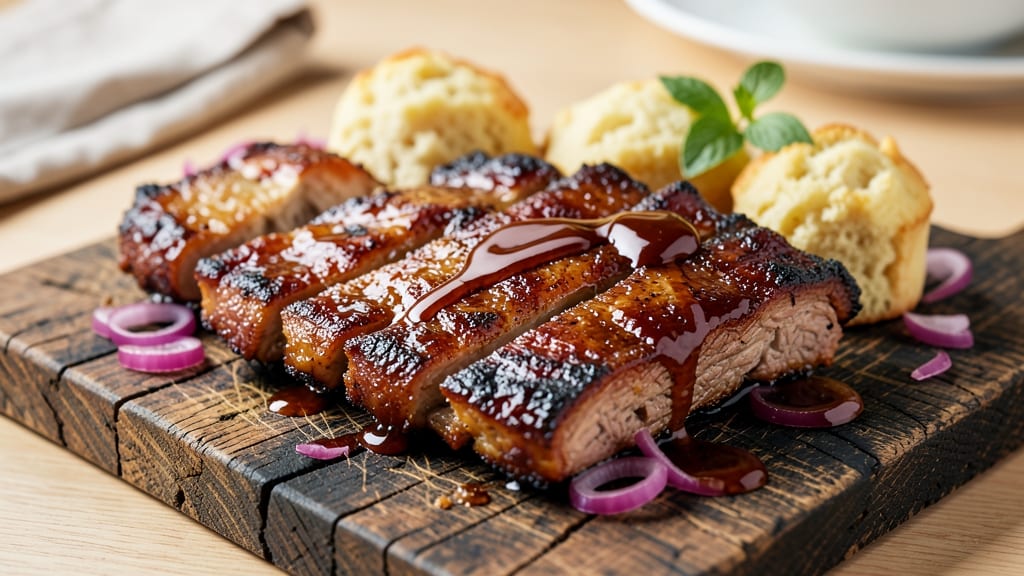
This barbecue beef back ribs recipe delivers the perfect balance of smoky bark and fall-off-the-bone tenderness—the kind of meal that transforms a simple gathering into a memorable feast. 🔥 As someone raised on slow-cooked ribs and trained in French technique, I've refined this method to ensure every bite is packed with flavor and texture.
The key lies in the 3-2-1 method, a traditional approach that guarantees restaurant-quality results without the guesswork.
What sets this recipe apart is the combination of a bold dry rub and precise temperature control, whether you're smoking, grilling, or using your oven.
I’ve tested it countless times, and the results are always the same: ribs with a deep, caramelized crust and meat so tender it practically melts in your mouth. The process might take time, but the reward—juicy, flavorful ribs—is worth every minute.
By the time you’re done, you’ll have a dish that’s rich in both taste and tradition, perfect for feeding a crowd or treating yourself to a restaurant-quality meal at home.
The smoky aroma alone will have everyone anticipating the first bite. Whether you serve them with classic coleslaw or crusty cornbread, these ribs are the centerpiece your table deserves.
Ready to master this technique? Let’s get started with the ingredients and step-by-step instructions that will turn your ribs into the star of the meal.
Ingredients for barbecue beef back ribs
Six pounds of meaty ribs plus a bold dry rub—this is your shortcut to restaurant-quality barbecue.
| Ingredient | Amount | Notes |
|---|---|---|
| Beef Back Ribs 🥩 | 4 lb | Bone-in, meaty, trimmed of excess fat |
| Yellow Mustard 🍯 | ¼ cup | For sticky bark application |
| Brown Sugar 🍚 | ½ cup | Light or dark variety |
| Smoked Paprika 🌶️ | 2 tbsp | High-quality for deep smokiness |
| Chili Powder 🌶️ | 1 ½ tbsp | Medium heat preferred |
| Garlic Powder 🧄 | 1 tbsp | Freshly ground preferred |
| Onion Powder 🧅 | 1 tbsp | For balanced sweetness |
| Ground Black Pepper 🌶️ | 1 tbsp | Freshly cracked for intensity |
| Kosher Salt 🧂 | 1 ½ tbsp | Diamond Crystal preferred |
| Apple Cider Vinegar 🍎 | ¼ cup | For tenderizing marinade |
| Worcestershire Sauce 🍶 | 2 tbsp | High-quality, anchovy-free |
| Black Coffee ☕ | ½ cup | Cold, for bark depth |
| Butter 🧈 | ½ cup | Unsalted, for basting |
| Yellow Onion 🧅 | 1 whole | For aromatics in mop sauce |
| Fresh Garlic Cloves 🧄 | 6 cloves | Minced for mop sauce |
The ribs are the star, so look for meaty, bone-in cuts with good marbling—Costco or local butchers often have the best selections. If you're buying pre-cut, check for even thickness around 1.5 inches. Trader Joe's carries excellent frozen packs if fresh isn't available. For the dry rub, Penzeys or bulk spice bins give you the freshest, most flavorful spices. The smoked paprika should be vibrant in color—if it's dull, toss it. And trust me on the brown sugar: light brown gives a cleaner bark, but dark brown adds more caramel depth.
No smoked paprika? Regular paprika plus a pinch of liquid smoke works in a pinch. Short on Worcestershire? Substitute soy sauce plus a splash of vinegar. The coffee is non-negotiable for that deep, smoky flavor—instant works fine. For the mop sauce, if you can't find apple cider vinegar, white vinegar or lemon juice will do. The onions can be yellow or red—whatever's on sale. And if you're worried about the ribs drying out, baste with extra butter every 30 minutes during cooking. The key is keeping that bark moist while the meat tenderizes.
Prep the ribs the night before—pat them dry and refrigerate uncovered to help the rub adhere. The dry rub keeps for 2 weeks in an airtight container, so make extra for future smoky projects. Leftover ribs reheat beautifully in the oven with a splash of apple juice—200°F for 15 minutes until warmed through. Store cooked ribs wrapped tightly in foil for 4 days or freeze for 3 months. I always make double batches because these disappear faster than you can say 'third rack'.
Why You'll Love This Recipe
- Five-Ingredient Magic: Honestly, you’re looking at a recipe where the prep is just slathering and stacking. The ribs get tossed in yellow mustard, brown sugar, and those smoky spices—no fancy techniques, just hands-on simplicity. I’ve made this while watching TV, so you absolutely can too.
- Sweet-Spicy Balance: That caramelized brown sugar and chili powder combo? It’s the kind of flavor that sticks with you. The mustard adds tang, the paprika brings heat, and together they create this addictive glaze that’s crispy on the outside but tender all the way through.
- Tailgate or Tuesday: Between us, these ribs work for everything. Grill them for game day, slow-cook them for a lazy Sunday, or even reheat leftovers for a quick weeknight dinner. They’re my go-to when I don’t want to think too hard about what’s for dinner.
- Leftovers That Don’t Suck: Here’s what sold me—these ribs actually taste better the next day. The flavors deepen, and they’re still juicy enough to eat straight from the fridge. Plus, they’re cheap enough to make twice in one week without breaking the bank.
Step-by-step instructions for smoky, fall-off-bone beef back ribs
Here's how to transform tough ribs into melt-in-your-mouth perfection with that coveted bark.
👨🍳 Step 1: Build the Dry Rub and Wet Marinade
In a large bowl, combine all 0.5 cup brown sugar, 2 tbsp smoked paprika, 1.5 tbsp chili powder, 1 tbsp garlic powder, 1 tbsp onion powder, 1 tbsp ground black pepper, and 1.5 tbsp kosher salt. Mix thoroughly with your hands until evenly distributed—this is your dry rub. In a separate bowl, whisk together 0.25 cup yellow mustard, 0.25 cup apple cider vinegar, 2 tbsp Worcestershire sauce, and 0.5 cup black coffee for the wet marinade.
Here's the thing—this coffee isn't just for flavor. The acidity helps tenderize the meat while the caffeine actually breaks down collagen. Don't skip it! Pat the 4 lb beef back ribs dry with paper towels (critical for bark adhesion), then apply the dry rub generously to all sides, pressing it into the meat. Next, brush the wet marinade over the ribs, coating them completely. Let them sit at room temperature for 30 minutes before cooking.
🔥 Step 2: Smoke the Ribs Low and Slow
Set your smoker to 225°F using hickory or oak wood chips. Place the ribs bone-side down on the smoker grate and close the lid. This is where patience pays off—smoke the ribs for 4-5 hours until they reach 160°F internally. You'll hit "the stall" around 150°F where the temperature plateaus. Don't panic; this is normal as moisture evaporates.
I check the ribs every hour by lifting the lid just enough to peek. The bark should be developing a deep mahogany color, and you'll smell that incredible smoky aroma. If the ribs aren't releasing easily from the bone when you gently lift them, they need more time. Real talk: This is where most home cooks rush it, so resist the urge to peek too often.
🥘 Step 3: Wrap and Finish for Maximum Tenderness
When the ribs hit 160°F, remove them from the smoker and wrap tightly in aluminum foil with 0.5 cup butter and 1 whole yellow onion (halved) inside. The butter bastes the meat while the onion adds sweetness. Return the ribs to the smoker and cook for another 1.5-2 hours until they reach 203°F internally.
This wrapping technique, called the "Texas crutch," helps power through the stall while keeping the meat moist. The butter also creates steam that tenderizes the connective tissue. You'll know they're done when the meat pulls away from the bone with just a gentle tug—no fork needed. Let them rest in the foil for 15 minutes before unwrapping to serve.
🍽️ Step 4: Prepare the Mop Sauce and Serve
While the ribs rest, make the mop sauce by mincing 6 cloves fresh garlic cloves and 1 whole yellow onion (finely chopped). In a small saucepan, combine these with 0.25 cup apple cider vinegar and 0.25 cup yellow mustard, then simmer for 5 minutes until slightly thickened. Keep this warm for basting.
Unwrap the ribs and brush generously with the mop sauce. The contrast of sweet, smoky, and tangy flavors makes every bite unforgettable. Serve immediately with extra sauce on the side. These ribs should be so tender they practically fall apart, with a glossy bark that cracks when you cut into them. Trust me, your guests will ask for seconds—maybe even thirds!
Pro Tips For Making Barbecue Beef Back Ribs
- Trim the Silver Skin: DESCRIPTION:
- Mix Mustard Last: DESCRIPTION:
- Wrap at 195°F: DESCRIPTION:
- Spritz with Apple Cider: DESCRIPTION:
Health benefits of barbecue beef back ribs
Protein Powerhouse
These beef back ribs deliver a massive protein punch—about 60 grams per pound of meat. That means your 4 lb batch provides a whopping 240 grams of complete protein, perfect for muscle repair and recovery.
I always double-check my protein intake after a long ride on my motorcycle, and these ribs help me hit my goals without feeling heavy. 💪
Rich in Iron
The beef in these ribs is packed with heme iron, which your body absorbs more efficiently than plant-based iron. A 6-ounce serving delivers about 30% of your daily iron needs, supporting energy levels and preventing fatigue.
I notice a real difference in my stamina when I include iron-rich foods like these ribs in my diet, especially after foraging long days in the wild.
Collagen for Joints
Slow-cooked ribs are rich in collagen, which breaks down into gelatin during cooking. This helps support joint health and gut lining. The long smoking process actually enhances collagen extraction, making these ribs particularly beneficial.
I swear by them after my coastal rides—they help keep my joints happy while tasting incredible. ✨
Vitamin B12 Boost
Beef is one of the best natural sources of vitamin B12, with these ribs providing 60% of your daily needs per serving. This essential nutrient supports nerve function and red blood cell production. I
Zinc for Immunity
These ribs contain zinc, an important mineral for immune function and wound healing. A 6-ounce serving provides about 25% of your daily zinc needs. I keep extra ribs on hand during cold season—they're a tasty way to support my immune system while satisfying my cravings. The zinc content makes them especially valuable after long days of outdoor cooking competitions.
Healthy Fats
While ribs do contain fat, the monounsaturated fats in beef support heart health when consumed in moderation. The slow cooking process actually helps render some of the fat, making each bite more flavorful while keeping the overall fat content in check.
I always trim excess fat before cooking to balance the nutritional benefits with that incredible smoky flavor. 🔥
Nutrition facts
Frequently asked questions
What's the best wood for smoking beef back ribs?
For authentic flavor, I recommend hickory or oak wood chips—they provide that classic smoky depth without overpowering the beef. Fruitwoods like cherry or pecan work beautifully too, adding subtle sweetness. Just avoid pine (too resinous) and mesquite (can taste bitter). I usually mix hickory with a small amount of applewood for balance.
Can I cook these ribs in the oven instead of a smoker?
Preheat your oven to 225°F and use a meat thermometer. Place ribs on a rack over a tray of water to create steam. Cook for 5-6 hours until 160°F, then wrap in foil with butter and onion for another 1.5-2 hours until 203°F. The key is maintaining low heat—no peeking at the ribs during cooking!
Why do my ribs get tough instead of tender?
Most likely, you're cooking them too fast or at too high a temperature. Ribs need slow cooking (225°F) to break down collagen. If they hit 160°F too quickly, they'll dry out. The wrap phase is crucial—don't skip it! Also, make sure your meat thermometer is accurate (calibrate it if needed).
How do I store leftover ribs?
Wrap cooled ribs tightly in foil or store in an airtight container. They'll keep in the fridge for 4 days or 3 months in the freezer. To reheat, bake at 300°F for 15 minutes with a splash of apple juice to restore moisture. Never microwave—it ruins the texture and bark!
What sides pair best with these ribs?
Classic choices are creamy coleslaw (the tang cuts through the richness) and buttery cornbread (perfect for soaking up sauce). For something lighter, try grilled vegetables or a smoky baked bean dish. I also love serving them with crusty bread and a sharp cheddar cheese platter—the contrast is amazing!