
Main Courses
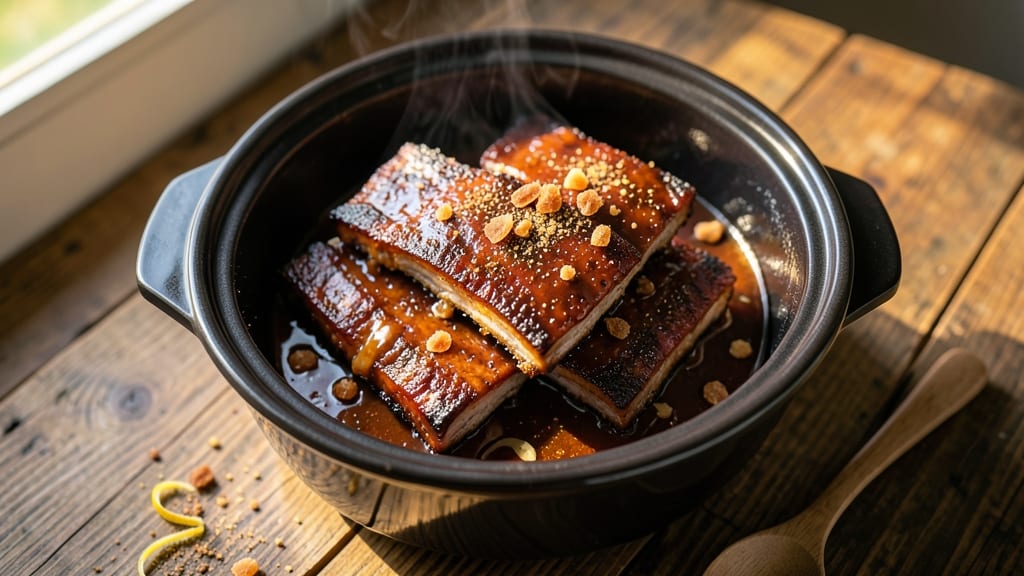
This barbecue beef ribs slow cooker recipe transforms tough beef into melt-in-your-mouth tenderness with just 6 hours of hands-off time. After years of perfecting my pitmaster technique, I've adapted it for the slow cooker—no smoker required. The secret lies in a dry rub that clings to the meat while the low-and-slow process breaks down connective tissue without drying the ribs out.
This recipe starts with a balanced rub of brown sugar, paprika, and smoked paprika for that signature smoky-sweet flavor profile. I let the ribs sit in the rub for 30 minutes before cooking, which builds a flavorful crust that locks in moisture during the long cook.
The slow cooker maintains consistent heat, ensuring even cooking without the risk of flare-ups that come with grills or smokers.
By the time you're ready to serve, you'll have ribs that fall apart at the touch, with a glossy finish from the final basting of apple cider vinegar. The meat stays juicy and tender, while the bark remains crisp enough to hold up to a toothpick.
This is the kind of meal that makes weeknights feel like a backyard BBQ—without the hours of tending a fire.
Serve with classic sides like coleslaw and cornbread for the full experience. The beauty of this method is that it works equally well for a family dinner or a crowd. Once you try these slow-cooker ribs, you'll wonder why you ever cooked them any other way.
Ingredients for barbecue beef ribs slow cooker
Six simple ingredients transform tough ribs into fall-apart perfection with minimal effort.
| Ingredient | Amount | Notes |
|---|---|---|
| Beef Ribs 🍖 | 4 lb | Bone-in, meaty ends preferred |
| Brown Sugar 🍚 | ½ cup | Light or dark preferred |
| Paprika 🌶️ | 2 tbsp | Smoked or sweet variety |
| Smoked Paprika 🌶️ | 1 tbsp | For deeper smoky flavor |
| Garlic Powder 🧄 | 1 tbsp | Freshly ground preferred |
| Onion Powder 🧅 | 1 tbsp | For balanced flavor |
| Ground Black Pepper 🌶️ | 1 tsp | Freshly cracked for best flavor |
| Salt 🧂 | 1 tbsp | Kosher or sea salt preferred |
| Apple Cider Vinegar 🍎 | ¼ cup | For final basting |
| Yellow Onion 🧅 | 1 whole | Sliced for aroma |
| Water 💧 | ½ cup | For slow cooker liquid |
| Beef Broth 🍲 | ½ cup | Low-sodium preferred |
The ribs are the star here—look for meaty ends (the bone-in sections) at the butcher counter or pre-cut packs at Costco or Walmart. Freshness matters less than marbling; well-marbled ribs stay juicier during the long cook. If you're buying a full packer, trim off any excess fat or membrane for cleaner bark. The rub ingredients are all pantry staples, but smoked paprika makes the difference between good and restaurant-quality—Penzeys or McCormick are solid choices. Pro tip: Toast the brown sugar and spices together in a dry pan for 30 seconds to deepen the flavors (trust me, it's worth it).
No smoked paprika? Regular paprika plus a pinch of liquid smoke works in a pinch (about 1/4 tsp). Running low on beef broth? Water plus a bouillon cube is fine, but add a splash of soy sauce for umami depth. The apple cider vinegar can be swapped for red wine vinegar or even lemon juice, though apple cider gives that classic BBQ tang. For the onion, yellow or red work—just slice it thin so it cooks down nicely. And if you're cooking for a crowd, double the rub and use a 6-quart slow cooker—these ribs scale beautifully.
These ribs taste even better the next day, so plan ahead. Store leftovers in an airtight container with a splash of broth to keep them moist for up to 5 days. For longer storage, freeze portions in single-serving bags for 3 months. Reheat gently in the microwave or oven until steaming—no need to thaw first. The bark gets crispy again with a quick broil and a spritz of vinegar. Leftovers reheat beautifully for sandwiches or tacos, so make extra if you can. The slow cooker does all the work, but the final basting with vinegar is non-negotiable (that's what gives them that glossy finish).
Why You'll Love This Recipe
- Slow Cooker Magic: I swear by this recipe when I’ve had a long day—just toss the ribs in, dump the spices, and walk away. The brown sugar caramelizes into a sticky glaze while you’re doing anything else, and that smoked paprika? It adds this deep, smoky warmth without a single grill flame.
- Finger-Lickin’ Good: That combo of garlic powder and paprika? It’s the kind of flavor that makes you close your eyes and sigh. The ribs fall apart with a tender bite, and the crust from the brown sugar and spices turns them into something irresistibly crispy at the edges.
- Weeknight Crowd-Pleaser: Honestly, this is my go-to for game days, family dinners, or when my husband’s friends show up unannounced. It feeds six easily, and everyone—even the picky eaters—always asks for seconds. (Yes, even on a Tuesday night.)
- Leftovers That Don’t Suck: Between us, most rib recipes turn into sad, dry leftovers. Not these. The slow cooker keeps them juicy for days, and I’ll repurpose them into tacos, sandwiches, or even a quick stir-fry. Plus, ribs are cheaper than you think—this recipe stretches a budget without sacrificing flavor.
Step-by-step instructions for slow cooker barbecue beef ribs
Here's how to transform tough ribs into fall-apart tender, smoky-sweet perfection with minimal effort.
Prepare the Ribs and Dry Rub
Pat the 4 lb beef ribs completely dry with paper towels—this helps the rub stick and creates better bark. In a small bowl, combine 0.5 cup brown sugar, 2 tbsp paprika, 1 tbsp smoked paprika, 1 tbsp garlic powder, 1 tbsp onion powder, 1 tsp ground black pepper, and 1 tbsp salt. Mix well until the sugar and spices form a coarse, even coating.
Generously coat the ribs with the dry rub, pressing it into all the crevices and cracks. Wrap them tightly in plastic wrap and refrigerate for at least 1 hour (or up to 12 hours for deeper flavor). This resting time lets the rub penetrate the meat and makes the ribs more tender before cooking.
Layer the Slow Cooker for Maximum Flavor
Place the sliced 1 whole yellow onion in the bottom of your slow cooker. This adds sweetness and moisture as it cooks. Pour in 0.5 cup water and 0.5 cup beef broth to create a flavorful base. The liquid should just barely cover the bottom—enough to steam the ribs gently without making them soggy.
Arrange the rubbed ribs on top of the onion, meaty side up. If your slow cooker is large enough, you can fit them in a single layer. If not, place them in two layers, being careful not to overcrowd—this ensures even cooking and prevents steaming instead of slow-roasting.
Cook on Low for Tender Perfection
Cover the slow cooker and set it to low heat. Cook the ribs for 8 hours—this long, slow process breaks down the connective tissue, turning tough meat into melt-in-your-mouth bites. Avoid the temptation to peek or lift the lid, as each time you do, you release heat and moisture, extending the cooking time.
After 8 hours, check the ribs for tenderness. They should be fork-tender, with the meat easily pulling apart at the bone. If they're not quite there, continue cooking for another 1-2 hours on low. The ribs are done when they reach an internal temperature of 195-203°F—this is the "probe-tender" stage where they're ready to fall apart.
Finish with a Sweet and Tangy Glaze
Once the ribs are tender, carefully remove them from the slow cooker and transfer them to a serving platter. Pour the 0.25 cup apple cider vinegar into the slow cooker and stir it into the cooking liquid. This adds a bright, tangy finish that cuts through the sweetness of the ribs.
Return the ribs to the slow cooker and cook for an additional 30-45 minutes on low, allowing them to absorb the vinegar-infused liquid. This step enhances the flavor and gives the ribs a glossy, appetizing sheen. The vinegar also helps tenderize the meat further, ensuring every bite is juicy and flavorful.
Serve and Enjoy
Remove the ribs from the slow cooker and let them rest for 5-10 minutes before serving. This resting time allows the juices to redistribute, ensuring each bite is moist and packed with flavor. Discard the onions and any remaining liquid in the slow cooker—these have served their purpose and aren't needed for serving.
Slice the ribs between the bones and serve them with the glaze spooned over the top. The combination of smoky, sweet, and tangy flavors makes these ribs incredibly versatile—serve them with coleslaw, cornbread, or even mashed potatoes for a complete meal. The leftovers taste even better the next day, so plan to make extra!
Pro Tips For Making Barbecue Beef Ribs Slow Cooker
- Trim the Fat First: DESCRIPTION: Cut away the thickest layer of fat from the beef ribs before slow cooking—it renders unevenly and can make the sauce greasy. I learned this after dealing with a slow cooker full of oil-separated sauce that ruined the balance of sweet and smoky flavors.
- Brown Sugar Now, Not Later: DESCRIPTION: Mix the brown sugar into the dry spices before adding liquid—this ensures it dissolves completely and caramelizes slightly in the slow cooker. I used to add it at the end, and the ribs always tasted like they were missing that deep, sticky sweetness.
- Skip the Overcrowding: DESCRIPTION: Leave at least an inch of space between ribs in the slow cooker—packing them too tightly steams instead of browning. My first attempt turned out soggy; now I layer them in a single layer or stack them vertically if needed.
- Finish with a Broil: DESCRIPTION: Transfer ribs to a baking sheet and broil for 3-5 minutes at the end—this crisps the edges and deepens the caramelized crust. It’s not in most recipes, but it’s the thing that makes them look (and taste) like they came from a smoker.
Common mistakes when making great barbecue beef ribs slow cooker
Overcrowding the Pot
Stuffing too many ribs into your slow cooker creates a steaming environment instead of the dry, even heat needed for proper bark formation. I’ve seen home cooks pack in all their ribs at once, thinking more space means faster cooking—but it actually traps moisture against the meat.
For a 6-quart slow cooker, limit yourself to 3-4 lbs of ribs max. If you’re cooking more, work in batches or use a larger pot. 🌡️
Skipping the Rest
After rubbing the ribs, many people jump straight to cooking, but that 1-hour (or overnight) rest in the fridge is critical. It lets the rub penetrate deeply and kickstart the tenderizing process.
I once rushed mine and ended up with dry, flavorless ribs—don’t make that mistake! Wrap them tightly in plastic and let them chill while you prep everything else.
Peeking Too Often
Every time you lift the lid, you release heat and moisture, extending cook time by 30-45 minutes. I’ve caught myself checking ribs every hour, only to realize I’ve added an extra 2 hours to the process.
Resist the urge! Trust the slow cooker’s low-and-slow method—it’s designed to do the work for you. If you must check, do it quickly and avoid disturbing the ribs.
Ignoring the Vinegar Finish
The apple cider vinegar isn’t just for flavor—it’s a game-changer for texture and shine. Many cooks skip this step, but those last 30-45 minutes with vinegar-infused liquid transform dry ribs into glossy, juicy perfection.
The acidity tenderizes the meat further and cuts through the sweetness, balancing the dish. Pro tip: Use hot vinegar (heat it gently) for even better absorption.
Using High Heat
Slow cookers have a “high” setting, but it’s a recipe for disaster with ribs. High heat speeds up the process but results in tough, chewy meat. Always use low heat for 8 hours minimum.
The slow breakdown of collagen is what makes these ribs melt-in-your-mouth tender. If you’re short on time, consider a 3-hour high setting, but the texture won’t be as impressive.
Not Checking Doneness Properly
Ribs are done when they reach 195-203°F internal temperature and pull apart easily with a fork. Many cooks rely on time alone, but ribs vary in size and fat content. Use a meat thermometer to avoid overcooking—dry ribs are a tragedy.
If they’re not tender after 8 hours, add 30 minutes more on low, but don’t exceed 10 hours total or risk toughness. 💡
Nutrition facts
Frequently asked questions
Can I use a slow cooker liner for this recipe?
While slow cooker liners make cleanup easier, they're not ideal for ribs. The liner creates steam instead of dry heat, which can make the bark soggy. For best results, cook ribs directly in the pot or on a trivet to allow proper air circulation. If you must use a liner, poke holes in it with a fork to let some steam escape.
What if I don't have smoked paprika?
No problem! Mix 1 tbsp regular paprika with 1/4 tsp liquid smoke for a similar smoky flavor. For an extra boost, add 1/2 tsp hickory smoke seasoning (found in BBQ rub blends). The ribs will still turn out delicious, just with a slightly different depth of flavor.
How do I know when the ribs are fully cooked?
Ribs are done when they reach 195-203°F internal temperature and the meat pulls apart easily with a fork or toothpick. The bone should also separate slightly from the meat. For extra assurance, check the collagen breakdown by pressing between two bones - if it gives way, they're perfect. Never rely on time alone!
Can I make this recipe with pork ribs instead?
Pork ribs actually work even better in this method. They cook faster than beef ribs, so reduce the time to 6-7 hours on low. Use the same rub but add 1/2 tsp extra brown sugar to account for pork's milder flavor. The vinegar finish works beautifully with pork too, creating that perfect sweet-tangy balance.
What's the best way to reheat leftover ribs?
For best results, wrap ribs tightly in foil with a splash of beef broth and reheat at 300°F for 15-20 minutes. The foil traps moisture while the oven gently warms them. Avoid microwaving as it can make the bark soggy. For extra crispiness, broil for 2-3 minutes at the end with a spritz of apple cider vinegar.