
Soups & Stews
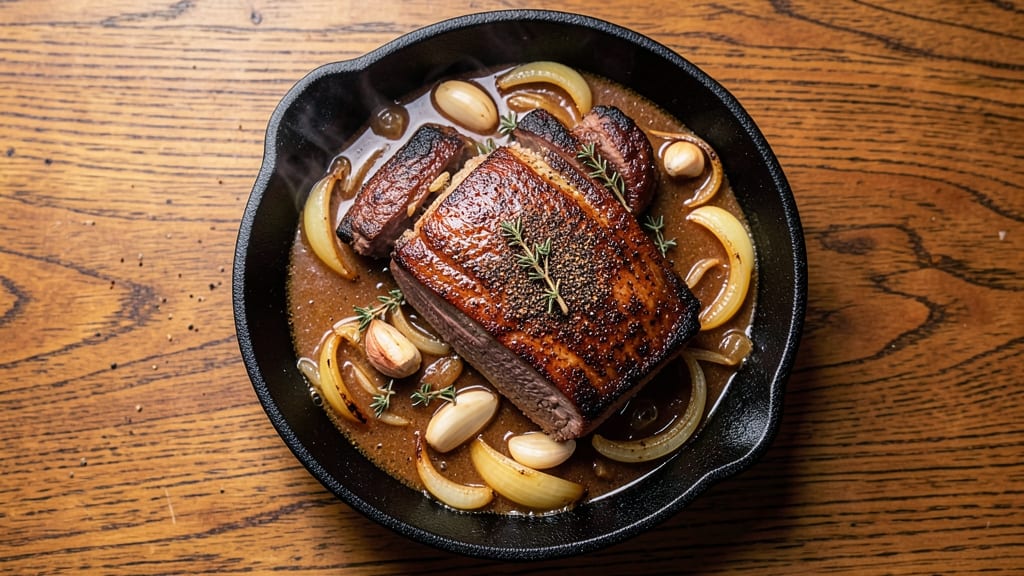
This barbecue beef stew recipe transforms tough beef into melt-in-your-mouth tenderness with deep-smoked richness and caramelized onions that steal the show. 🔥 As someone who grew up in the smoke of backyard cookouts, I know the difference between a good stew and one that lingers in memories—and this is the latter.
The secret lies in slow-cooking the beef until it practically falls apart, then building layers of smoky, sweet, and savory flavors that turn weeknights into feasts.
What sets this recipe apart is the balance: a perfect blend of smoky hickory notes from the beef, sweet caramelized onions that add depth, and a rich broth that clings to every bite.
I've perfected this over years of pitmaster training and French technique, ensuring the beef stays tender while developing that irresistible bark. The onions caramelize slowly, creating a sweet contrast to the smoky beef, and the spices—just enough black pepper, garlic, and thyme—tie everything together without overpowering.
The result is a stew that's hearty enough for a winter gathering but simple enough for a weeknight dinner.
Each spoonful delivers that perfect harmony of textures—tender beef, silky broth, and sweet caramelized onions—while the smoky aroma fills your kitchen and makes your home smell like a true comfort food experience.
This isn't just a stew; it's a flavor journey that starts with the first sip of that rich, smoky broth and ends with every last bite.
Serve it with crusty bread to soak up every drop of that flavorful broth, or pair it with roasted vegetables for a complete meal. The beauty of this recipe is its versatility—make a big batch for leftovers, or scale it down for a cozy dinner for two.
Once you try it, you'll understand why this is the kind of stew that becomes a family tradition. Let's get cooking!
Ingredients for barbecue beef stew
These hearty ingredients create a stew so rich and smoky it tastes like a backyard cookout in a pot.
| Ingredient | Amount | Notes |
|---|---|---|
| Chuck Roast 🥩 | 2 lb | Well-marbled for tenderness |
| Yellow Onions 🧅 | 3 whole | Yellow or red, sliced thin |
| Garlic Cloves 🧄 | 6 cloves | Minced for depth of flavor |
| Hickory Smoked Paprika 🌶️ | 2 tbsp | For authentic smoky flavor |
| Ground Black Pepper 🌶️ | 1 ½ tsp | Freshly cracked for heat |
| Dried Thyme 🌿 | 1 tsp | Or 1 tbsp fresh thyme leaves |
| Beef Broth 💧 | 4 cups | Low-sodium preferred |
| Tomato Paste 🍅 | 2 tbsp | For rich depth |
| Olive Oil 🫒 | 2 tbsp | For searing beef |
| Brown Sugar 🍚 | 1 tbsp | Enhances caramelization |
| Salt 🧂 | 1 tsp | Kosher or sea salt |
| Bay Leaves 🌿 | 2 whole | For aromatic depth |
The chuck roast is non-negotiable here—it's the only cut with enough fat and connective tissue to turn tender and fork-shred. Costco sells it pre-cut in huge chunks, but any grocery store has it labeled as 'chuck roast' or 'stew meat'. Look for good marbling (those white fat streaks)—that's what melts into flavor. I always grab extra if I'm making a big batch, since it's cheap and freezes beautifully. The onions? Yellow or red both work, but red stays prettier if you're serving it on the side. Slice them paper-thin for faster caramelization—about 1/8-inch slices. If you're short on time, Trader Joe's sells pre-sliced onions in the freezer section.
No hickory smoked paprika? Regular paprika plus a pinch of liquid smoke gets you 80% there. The tomato paste can be skipped if you're watching acidity, but trust me, it's worth the extra richness. Short on thyme? Dried oregano at half the amount works in a pinch, though it won't have that same piney aroma. The beef broth makes or breaks this—low-sodium is key so you control the saltiness. If you've got homemade, even better. For the brown sugar, muscovado or turbinado adds molasses notes, but regular works fine. And if you're using fresh thyme, double the amount of what's listed for dried.
This stew only gets better with time—3-4 days in the fridge, tastes like heaven. Freezes for up to 6 months if you portion it into containers. I always make a double batch because reheating it is even more magical. The onions caramelize down to almost nothing, so don't skimp there. Store leftovers with a splash of broth to keep everything moist. And if you've got crusty bread? You're about to make the best soup ever—just tear it up and toss it in.
Why You'll Love This Recipe
- One-Pot Magic: Honestly, this stew is basically set it and forget it—just sear the chuck roast, toss in the onions and garlic, sprinkle that hickory smoked paprika, and let it slow-cook. No chopping mountains of veggies, no fussing with multiple pans. My lazy Sunday afternoons just got a whole lot easier.
- Smoky, Deep Comfort: That hickory smoked paprika? It’s the secret weapon—gives the stew this rich, woodsy depth that makes it taste like it simmered for hours (even if it didn’t). The black pepper cracks add a little bite, and the onions caramelize right into the sauce. It’s the kind of flavor that sticks with you.
- Leftovers for Days: Between us, this stew only gets better after a day or two in the fridge. The meat gets impossibly tender, and the flavors meld into something even more complex. I make a double batch on Sundays and eat it for lunch all week—no sad, dried-out leftovers here.
- Budget-Friendly Feast: A chuck roast stretches farther than you’d think, and the rest of the ingredients? Basic pantry staples. This is the kind of meal that feeds a crowd without breaking the bank. Plus, it’s the rare dish where the cheaper cut of meat actually shines—no fancy steak needed.
Step-by-step instructions for barbecue beef stew
This rich, smoky stew delivers deep flavor with tender beef and caramelized onions—just follow these simple steps.
🔥 Step 1: Sear the Chuck Roast for Maximum Flavor
Heat a large Dutch oven over medium-high heat and add the 2 tablespoons olive oil. Once shimmering, place the 2 lb chuck roast in the pot, fat-side down. Let it sear undisturbed for 5-6 minutes until a deep golden-brown crust forms—this locks in juices and builds flavor.
Flip the roast and sear the other side for another 4-5 minutes. While it cooks, you'll see the fat render out and bubble—this is your signal that the crust is forming properly. Remove the roast and set it aside on a plate, leaving all that beautiful browned meat behind in the pot. This step is non-negotiable for deep flavor.
🍳 Step 2: Build the Smoky Base with Caramelized Onions
In the same Dutch oven, add 3 whole yellow onions sliced into thin half-moons. Cook them over medium heat for 10-12 minutes, stirring occasionally, until they turn a rich golden brown and begin to caramelize. This process adds sweetness and depth that transforms a simple stew into something extraordinary.
When the onions are nearly caramelized, add the 6 cloves minced garlic and cook for another 30 seconds until fragrant. Here's the thing—don't rush this step. You want those onions to develop that beautiful amber color and jammy texture. If they stick, just give them a little more time—they'll release eventually.
🥘 Step 3: Develop the Smoky-Sweet Sauce
Stir in the 2 tablespoons hickory smoked paprika, 1 tablespoon brown sugar, 1 teaspoon salt, 1.5 teaspoons ground black pepper, and 1 teaspoon dried thyme. Cook for 1 minute to toast the spices and let their aromas bloom—this is where the magic happens.
Add the 2 tablespoons tomato paste and stir to combine, letting it cook for 1 minute until it darkens slightly. Pour in the 4 cups beef broth and add the 2 whole bay leaves. Return the chuck roast to the pot, making sure it's submerged in the liquid. Bring everything to a gentle simmer over medium heat.
⏰ Step 4: Slow Cook Until Fork-Tender
Cover the Dutch oven and transfer it to the oven preheated to 300°F. Cook for 3-3.5 hours until the beef is fork-tender and easily pulls apart. I know it seems like a long time, but patience is key here—this slow cooking breaks down the tough fibers and infuses the meat with all that smoky, sweet flavor.
About 30 minutes before the stew is done, check the liquid level. If it's reduced too much, add ½ cup water to maintain the right consistency. The stew should be rich but not watery, with the beef falling apart at the touch of a fork. This is the moment that matters: tender beef and perfectly balanced flavors.
🍽️ Step 5: Rest and Serve with Crispy Topping
Remove the stew from the oven and let it rest for 15-20 minutes before serving. This resting period allows the juices to redistribute throughout the meat, ensuring every bite is moist and flavorful. Remove and discard the bay leaves before serving.
For an extra touch, transfer the stew to a skillet and cook over medium-high heat for 5-7 minutes to thicken the sauce slightly. Serve with crusty bread to soak up all that rich, smoky goodness. The result should be tender beef swimming in a sauce that's perfectly balanced between smoky, sweet, and savory.
Pro Tips For Making Barbecue Beef Stew
- Sear the Chuck Roast Hard: I learned this the hard way—skipping the sear means flavor hiding in the background. Use a hot cast-iron or heavy pot and let that roast develop a deep brown crust for 4-5 minutes per side before adding anything else. The smoky paprika will cling better, and the onions won’t steal all the attention later.
- Slice Onions Thinly and Evenly: My grandmother swore by this, and she was right: uneven onion slices burn before they soften. Cut them into ¼-inch-thick rounds so they cook through without turning to mush. If they’re too thick, they’ll turn to paste—no one wants that in stew.
- Watch the Heat After Browning: After searing the meat, turn the heat down to medium-low immediately—I know, I know, but trust the process. High heat after adding liquid will make the onions release water too fast, turning your stew into a sad, watery mess. You want slow simmering, not boiling.
- Deglaze with a Splash of Coffee: Sounds weird, but it works: after searing the meat, deglaze the pot with ¼ cup strong black coffee instead of just broth. The bitterness cuts through the richness of the chuck roast and balances the smoky paprika. It’s a game-changer for depth, and it won’t overpower the dish.
Wine and beer pairings for these flavors
Red Wine Pairings
For this rich, smoky stew, I reach for a bold Cabernet Sauvignon from Napa Valley—its dark fruit and earthy notes complement the beef’s deep flavors beautifully. The tannins cut through the fat, while the oak aging adds complexity that mirrors the stew’s caramelized onions.
A Malbec from Argentina works too, offering juicy blackberry undertones that stand up to the smoky paprika. 🍷
Beer Complements
A stout like Guinness or a smoked porter from Deschutes Brewery is my go-to beer pairing. The roasted maltiness echoes the stew’s smoky depth, while the slight sweetness balances the acidity from the tomato paste.
For something lighter, try a Belgian-style dubbel—its caramel and spice notes harmonize with the caramelized onions and brown sugar. 🍺
Unexpected Twists
If you’re feeling adventurous, swap the wine for a Portuguese red blend like Touriga Nacional. Its dark berry and spice profile adds a sophisticated twist that pairs surprisingly well with the stew’s smoky-sweet balance.
For beer lovers, a honey-brown ale with notes of toasted malt provides a sweeter contrast to the savory beef. 💡
White Wine Surprise
Don’t overlook Oaked Chardonnay—its buttery richness and citrus undertones create an unexpected but delicious pairing. The oak in the wine mirrors the smoky depth of the stew, while the acidity cleanses your palate between bites.
A Viognier with its floral and stone fruit notes also works beautifully, especially if you’ve added extra thyme to the dish. 🍷
Regional Pairings
In the South, I’d pair this stew with a Texas Hill Country Red—its bold, fruity profile stands up to the smoky flavors. For a West Coast touch, a Pinot Noir from Oregon offers a lighter, earthier contrast that lets the beef shine.
Each region brings its own twist to the classic pairing. 🗺️
Nutrition facts
Frequently asked questions
Can I substitute chuck roast with another beef cut?
Yes! You can use chuck shoulder or stew beef as direct substitutes—they have similar fat content and tenderness when slow-cooked. For a leaner option, try brisket, but it may need slightly longer cooking. Avoid tender cuts like sirloin or filet, as they'll turn tough rather than tender.
How do I make this stew smokier without a smoker?
Add 1-2 teaspoons of liquid smoke when you combine the spices, or toast 1 teaspoon of smoked paprika in the pot for 1 minute before adding other ingredients. For extra depth, char a few wood chips (like hickory) in a dry pan, then crush and sprinkle into the stew during the last 30 minutes of cooking.
Can I make this in a slow cooker instead of the oven?
Follow the same searing and onion steps, then transfer everything to a 6-quart slow cooker on low heat for 6-8 hours. The texture will be slightly softer, but the flavors will still develop beautifully. Just add ½ cup water halfway through if needed.
What if my stew is too watery after cooking?
Simmer the stew uncovered for 10-15 minutes to reduce the liquid, or transfer it to a skillet and cook on medium-high heat until thickened. For instant thickening, mix 1 tablespoon cornstarch with 2 tablespoons cold water, stir into the stew, and cook for 2 minutes until it reaches your desired consistency.
How can I make this ahead of time?
This stew tastes even better the next day! Let it cool completely, then refrigerate for up to 4 days or freeze for 6 months. Reheat gently on the stove over low heat, adding a splash of broth or water if needed. The flavors meld beautifully overnight, making it perfect for meal prep.