
Sauces & Condiments
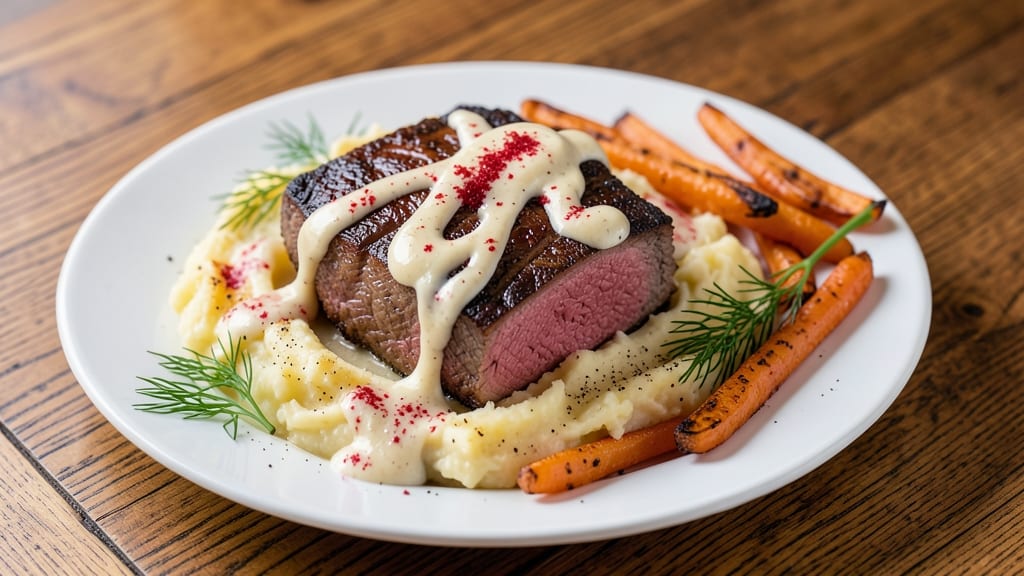
This Barefoot Contessa beef tenderloin with horseradish sauce delivers the perfect balance of buttery tenderness and bold, zesty horseradish—elevating a weeknight dinner to restaurant-worthy elegance.
The secret lies in precise searing and roasting techniques that lock in juices while creating a caramelized crust, paired with a creamy horseradish sauce that adds depth without overpowering the delicate beef. I’ve refined this recipe over countless dinner parties, ensuring it’s approachable yet impressive enough for special occasions.
The beef tenderloin itself is where the magic happens—starting with a hot sear in a cast-iron skillet to build flavor, then finishing in the oven until the internal temperature reaches 130°F for medium-rare.
The horseradish sauce, made with just a few simple ingredients, cuts through the richness of the beef with its bright, peppery kick, while the butter and cream add luxurious smoothness. Together, they create a dish that’s both comforting and sophisticated.
What sets this recipe apart is the attention to detail—from properly resting the meat to plating with confidence. The result is a perfectly pink center with a crisp exterior, paired with a sauce that’s creamy yet tangy, ready to drizzle generously over each slice.
Serve with roasted root vegetables or creamy mashed potatoes for a complete, foolproof meal that feels like a five-star dining experience.
This method ensures restaurant-quality results without the fuss, making it ideal for both novice and experienced cooks. The horseradish sauce can be made ahead, and the beef comes together in just 45 minutes—perfect for when you want to impress without spending all day in the kitchen.
Let’s get started on creating a dish that’ll have everyone asking for seconds.
Ingredients for barefoot contessa beef tenderloin with horseradish sauce
The tenderloin and horseradish sauce ingredients deliver restaurant-worthy elegance with minimal fuss.
| Ingredient | Amount | Notes |
|---|---|---|
| Beef Tenderloin 🥩 | 1 ½ lb | Center-cut, trimmed of fat |
| Unsalted Butter 🧈 | ½ cup | Cold, cut into 1-inch cubes |
| Kosher Salt 🧂 | 1 ½ tsp | Diamond Crystal preferred |
| Freshly Ground Black Pepper 🌶️ | 1 tsp | Cracked, not pre-ground |
| Heavy Cream 🥛 | ¼ cup | Full-fat for richness |
| Prepared Horseradish 🌿 | 2 tbsp | Freshly grated preferred |
| Fresh Lemon Juice 🍋 | 1 tbsp | From 1 small lemon |
| Garlic Cloves 🧄 | 2 cloves | Peeled, minced finely |
| Shallots 🧅 | 2 whole | Minced, about 2 tbsp |
| Yellow Onion 🧅 | 1 whole | Large, diced small |
| Carrots 🥕 | 2 medium | Peeled, cut into matchsticks |
| Parsley 🌿 | ¼ cup | Flat-leaf, chopped finely |
| Olive Oil 🫒 | 2 tbsp | High smoke point |
The beef tenderloin is the star—center-cut and trimmed for maximum tenderness. Source it from a trusted butcher or Whole Foods meat department, where they'll often trim it for you. Look for rich marbling and vibrant color; avoid any with grayish edges. The horseradish should be freshly grated for maximum kick—prepared jars work but lack the same depth. For the sauce, full-fat heavy cream is non-negotiable; it creates that luxurious texture. If you can't find Diamond Crystal kosher salt, Morton is fine but measure carefully—it's coarser.
No fresh horseradish? Creamed horseradish from a jar works in a pinch, but reduce to 1 tbsp for milder flavor. Substitute shallots with 3 tbsp finely chopped red onion if needed. For the sauce, half-and-half can replace heavy cream, though the texture will be slightly lighter. The carrots and onion can be swapped for parsnips or celery root if you prefer. If you're prepping ahead, make the sauce first—it keeps beautifully in the fridge for up to 3 days, ready to reheat with the beef.
The beef should rest at room temperature for 30 minutes before cooking—never skip this step. Store any unused horseradish in an airtight container with a thin layer of olive oil on top to preserve its potency. The sauce reheats well; simply warm on low heat with a splash of water or milk to restore creaminess. For leftovers, wrap the beef tightly in parchment and refrigerate for up to 2 days. The sauce freezes beautifully for up to 3 months, making it perfect for meal prep.
Why You'll Love This Recipe
- Two-Ingredient Magic: The beef tenderloin does most of the work—just season, sear, and let the butter and horseradish sauce transform it. I swear, the only real effort is slicing the butter into pats.
- Creamy-Spicy Kick: That horseradish sauce—tangy, sharp, and rich from the heavy cream—cuts through the buttery beef like a knife. It’s the kind of flavor that makes people ask, "What’s in this?" before you even answer.
- Sunday Dinner Ready: Between us, this is my go-to for company or lazy weekends. The sauce feels fancy, but the prep is so simple it won’t stress you out. (Yes, even on a Tuesday night.)
- Leftovers That Don’t Suck: Cold slices the next day? Still amazing. The horseradish sauce clings to the beef, and the butter keeps it juicy. Honestly, I’ve reheated these leftovers three times and never tired of them.
Step-by-step instructions for beef tenderloin with horseradish sauce
Master this elegant cut with precise techniques for melt-in-your-mouth tenderness and vibrant horseradish sauce.
Prepare the Beef Tenderloin for Perfect Cooking
Remove the beef tenderloin from the refrigerator and let it sit at room temperature for 30 minutes before cooking. This allows for even cooking throughout. Pat the surface dry with paper towels—this step is critical for achieving a beautiful sear. Using a sharp boning knife, make a shallow cut every 1½ inches around the tenderloin, about ¼ inch deep, to prevent curling during cooking.
In a small bowl, combine 1.5 teaspoons kosher salt and 1 teaspoon freshly ground black pepper. Rub this mixture evenly over the entire surface of the tenderloin, pressing gently to ensure the seasoning adheres. The salt will begin to draw out moisture, which is why we pat it dry first—this creates the perfect crust when seared.
Sear the Tenderloin to Lock in Juices
Preheat your oven to 450°F. Heat a large oven-safe skillet over high heat until it's very hot—you should see a slight shimmer of smoke when you add the oil. Add 2 tablespoons olive oil and swirl to coat the bottom evenly. Place the seasoned tenderloin in the skillet, fat-side down, and sear for 2-3 minutes until a deep golden-brown crust forms. Flip carefully and sear the other side for another 2-3 minutes.
Transfer the skillet to the preheated oven and continue roasting for 15-20 minutes, or until the internal temperature reaches 125°F for medium-rare. The tenderloin's size and your oven's heat will determine the exact time, so use a meat thermometer for precision. Remove the tenderloin from the oven and let it rest on a cutting board for 10 minutes before slicing—this resting period ensures juices redistribute for maximum tenderness.
Build the Horseradish Sauce with Fresh Aromatics
While the tenderloin rests, prepare the horseradish sauce by sautéing the vegetables. Heat 2 tablespoons olive oil in a medium saucepan over medium heat. Add the minced shallots, minced garlic cloves, and diced yellow onion, cooking for 5-6 minutes until softened and fragrant. Add the peeled and julienned carrots and cook for another 3-4 minutes until they begin to caramelize slightly.
Pour in 0.5 cup heavy cream and bring to a gentle simmer. Reduce the heat to low and let it cook for 5 minutes, stirring occasionally, until slightly thickened. Stir in the 2 tablespoons prepared horseradish and 1 tablespoon fresh lemon juice, then remove from heat. The sauce should have a bright, tangy kick with a velvety texture—this is where the horseradish truly shines.
Slice and Serve with the Horseradish Sauce
Slice the rested beef tenderloin against the grain into ½-inch thick slices. The grain direction will be visible as you cut—slicing perpendicular to it ensures each bite is tender. Arrange the slices on a warm platter and drizzle generously with the horseradish sauce. Garnish with ¼ cup finely chopped parsley for a pop of color and freshness.
Serve immediately with the sauce spooned over the top or on the side for dipping. The contrast of the rich, buttery beef with the sharp, zesty horseradish sauce creates a harmonious balance of flavors. Pair with roasted potatoes or a simple green salad to complete the meal. The tenderloin should be juicy, with a pink center for medium-rare doneness, and the sauce should coat each slice beautifully.
Pro Tips For Making Barefoot Contessa Beef Tenderloin With Horseradish Sauce
- Season Meat First: Pat the tenderloin dry, then coat it with kosher salt and black pepper before searing—this isn’t just seasoning, it’s building that crust. I used to skip this when I was in a hurry, and the butter would just slide off instead of sticking and caramelizing like it should.
- Use Cold Butter: Chill the unsalted butter for the sear until it’s just firm but not rock-hard—this means it’ll melt slowly and baste the meat as it cooks, rather than splattering everywhere. After burning three batches of butter splatter, I finally got the temperature right: about 15 minutes out of the fridge.
- Check Internal Temp: Pull the beef at 120°F for medium-rare—yes, it’ll rise to 125°F while resting, but don’t let it creep higher. I learned this the hard way when I took it out at 125°F and ended up with dry, overdone meat that tasted like it was cooked in a microwave.
- Whisk the Horseradish: Mix the horseradish into the cream after heating it—this prevents the cream from curdling and keeps the sauce silky smooth. I was skeptical until I tried it; now I never make the sauce any other way. (And if you’re using prepared horseradish, strain it first—lumps are a no-go.)
Storing and reheating this recipe
Refrigerator Storage
After slicing your beef tenderloin, store leftovers in an airtight container with a tight-fitting lid. Place a piece of parchment paper between slices to prevent sticking, and refrigerate for up to 2 days.
The horseradish sauce can be stored separately in a sealed jar with a thin layer of olive oil on top to preserve its freshness and prevent oxidation. I always reheat the sauce gently on the stovetop with a splash of water or milk to restore its creamy texture. 🥩
Freezer Preservation
For longer storage, wrap the sliced beef tenderloin tightly in plastic wrap, then place it in a freezer-safe zip-top bag with all air removed. Label with the date and freeze for up to 3 months.
The horseradish sauce freezes beautifully too—portion it into ice cube trays or small containers, then transfer to a freezer bag. When ready to use, thaw overnight in the refrigerator and reheat gently. Never refreeze beef once thawed. ❄️
Reheating Beef
To reheat beef tenderloin, place slices in a skillet over medium-low heat with a splash of beef broth or water. Cover and heat for 3-4 minutes, stirring occasionally, until reaching an internal temperature of 165°F.
Avoid high heat to prevent drying out. For microwave reheating, cover slices with a damp paper towel and heat in 30-second intervals on medium power, stirring between each interval. 🔥
Sauce Refresh
If your horseradish sauce seems separated after refrigeration, simply whisk in 1 tablespoon of heavy cream and warm gently on the stovetop. For extra richness, add a pat of cold butter while stirring.
If the sauce tastes too strong, balance it with a pinch of sugar or an extra splash of lemon juice. I find that reheating the sauce with the beef in the same pan adds depth to both components. ✨
Make-Ahead Sauce
Prepare the horseradish sauce 1-2 days ahead and store it in the refrigerator. This gives the flavors time to meld beautifully. When ready to serve, warm the sauce gently and adjust seasoning if needed.
The sauce also reheats well in the microwave for 20-30 seconds, stirring halfway through. For a restaurant-quality touch, finish with a sprinkle of fresh parsley just before serving. 🌿
Plating Leftovers
When serving reheated beef tenderloin, arrange slices on a warmed platter and drizzle with freshly reheated horseradish sauce. Garnish with chopped parsley and a few lemon zest shavings for brightness.
Serve with roasted vegetables or mashed potatoes to complete the meal. The key to great leftovers is proper storage and gentle reheating—never let the beef dry out! 💫
Nutrition facts
Frequently asked questions
Can I substitute fresh horseradish for the prepared kind?
Fresh horseradish delivers a more vibrant, peppery kick. Simply grate 1 tablespoon of fresh horseradish root (wear gloves—it's potent!) and use it in place of the 2 tablespoons prepared horseradish. Start with half the amount and adjust to taste, as fresh horseradish is much stronger. The sauce will have a brighter, more complex flavor profile.
How do I adjust the cooking time for a larger tenderloin?
For every additional 1 pound of beef, add 10-15 minutes to the roasting time. Use a meat thermometer to check doneness—125°F for medium-rare. For example, a 3-pound tenderloin will need about 25-30 minutes after searing. Always let the meat rest 10 minutes before slicing, regardless of size.
What’s the best way to reheat leftover beef tenderloin?
Reheat slices gently in a skillet over medium-low heat with a splash of beef broth for 3-4 minutes until reaching 165°F. For microwave reheating, cover with a damp paper towel and heat in 30-second bursts, stirring between each interval. Avoid high heat—it dries out the meat. The horseradish sauce reheats best on the stovetop with a splash of cream.
Can I make the horseradish sauce ahead of time?
Yes! The sauce keeps beautifully in the fridge for up to 3 days and freezes for 3 months. Store it in an airtight container with a thin layer of olive oil on top to preserve freshness. Reheat gently before serving—whisk in a splash of cream if it thickens too much. This makes prep day-of even easier!
What sides pair best with this beef tenderloin?
Roasted root vegetables (like carrots, parsnips, or sweet potatoes) or creamy mashed potatoes complement the dish perfectly. For a lighter option, a crisp arugula salad with lemon vinaigrette balances the richness. The horseradish sauce’s brightness also pairs well with buttery dinner rolls or crusty bread for dipping.