
Main Courses
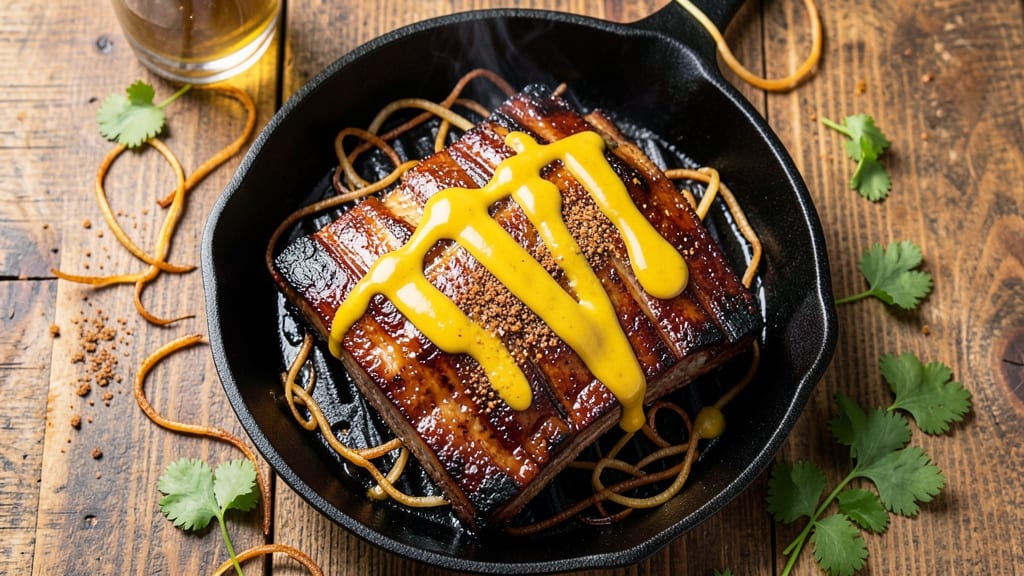
This gas-grilled BBQ beef ribs recipe delivers restaurant-quality results with smoky bark and fall-off-the-bone tenderness—no smoker required. After years of perfecting my technique, I've cracked the code for achieving that perfect balance of heat and moisture on a gas grill.
The secret lies in precise temperature control and a foolproof dry rub that transforms tough ribs into melt-in-your-mouth perfection.
What sets this recipe apart is the gas grill adaptation. Most rib recipes assume a smoker, but I've developed a method that uses your grill's heat zones to mimic smoking while keeping the process manageable.
You'll start with a dry rub that creates that coveted bark, then move to indirect heat for slow cooking. The foil wrapping technique ensures tender meat without drying out, even on a gas grill.
By the time you're done, you'll have ribs that are crispy on the outside with tender, juicy meat underneath. The bark will be dark and flavorful, while the meat will pull apart with just a touch.
This is the kind of meal that makes weeknights feel special—rich, smoky, and satisfying in every bite.
Serve with classic BBQ sides like coleslaw and cornbread, or pair with grilled vegetables for a lighter option. The leftovers reheat beautifully, making this a great recipe for meal prep or feeding a crowd. Let's get started on creating ribs that will have everyone asking for seconds.
Ingredients for bbq beef ribs recipe gas grill
These 14 ingredients create restaurant-quality ribs right on your gas grill—no smoker needed.
| Ingredient | Amount | Notes |
|---|---|---|
| Beef Ribs 🥩 | 4 lb | Bone-in, meaty, no membrane |
| Yellow Mustard 🍯 | ¼ cup | For base coating |
| Brown Sugar 🍚 | ½ cup | Packed, light brown |
| Smoked Paprika 🌶️ | 2 tbsp | For deep smoky flavor |
| Chili Powder 🌶️ | 1 ½ tbsp | Medium heat preferred |
| Ground Black Pepper 🌶️ | 1 ½ tbsp | Freshly ground |
| Garlic Powder 🧄 | 1 tbsp | Not garlic salt |
| Onion Powder 🧅 | 1 tbsp | For sweet depth |
| Salt 🧂 | 2 tbsp | Kosher or sea salt |
| Apple Cider Vinegar 🍎 | ¼ cup | For tangy balance |
| Aluminum Foil 📄 | 2 sheets | Heavy-duty preferred |
| BBQ Sauce 🍅 | ½ cup | Store-bought or homemade |
| Butter 🧈 | 2 tbsp | Unsalted, softened |
| Wood Chips 🌳 | 1 package | Hickory or cherry |
The ribs are everything here—look for meaty, bone-in cuts with good marbling. Costco sells them pre-cut, but check the butcher section at Whole Foods for the freshest options. Remove the membrane from the bone side before applying the rub (slide a butter knife under it and pull). The wood chips add that smoky flavor—Traeger brand works great, but any hickory or cherry chips will do. If you can't find them, soaked wood chunks work in a pinch.
No smoked paprika? Regular paprika plus a pinch of liquid smoke gets you close. Running short on brown sugar? White sugar plus a dash of molasses mimics the flavor. The mustard is non-negotiable for that sticky bark, but if you're avoiding it, olive oil works too. For the BBQ sauce, Sweet Baby Ray's is a crowd-pleaser, but any good store-bought brand works. Pro tip: brush on extra sauce during the last 10 minutes for maximum flavor.
Keep ribs in the fridge until ready to cook—no more than 2 days ahead. The dry rub stays good for 1 week in an airtight container. Leftover ribs reheat beautifully—wrap in foil and bake at 300°F for 20-30 minutes. I always make extra because they disappear fast. Store leftovers in the fridge for up to 4 days or freeze for 3 months
Why You'll Love This Recipe
- Gas Grill Magic: I swear by my trusty gas grill for these ribs—no charcoal fuss, no waiting for coals to heat. Just flip the knob, and you’ve got a consistent, smoky-sweet rib in under 2 hours.
- Sweet-Spicy Crust: That yellow mustard base with brown sugar and smoked paprika? It caramelizes into a sticky, slightly tangy crust that clings like a dream. (Yes, even my picky teenager licks the plate.)
- Tailgate or Tuesday: Works for game day crowds or a lazy night in—just adjust the grill time. Leftovers? Wrap them in foil and reheat with a splash of water for ribs that taste fresh.
- Budget-Friendly Feast: Beef ribs don’t have to break the bank. This recipe stretches a pack into meals for days, and the dry rub costs pennies. My wallet and my family thank me every time.
Step-by-step instructions for smoky gas-grilled beef ribs
Here's how to transform tough ribs into fall-apart tender masterpieces on your gas grill.
Build the Dry Rub and Coat the Ribs
In a medium bowl, combine the 0.5 cup brown sugar, 2 tbsp smoked paprika, 1.5 tbsp chili powder, 1.5 tbsp ground black pepper, 1 tbsp garlic powder, 1 tbsp onion powder, and 2 tbsp salt. Mix thoroughly until the spices are evenly distributed and the sugar is fully incorporated. The mixture should look like coarse, wet sand with no dry spots remaining.
Pat the 4 lb beef ribs completely dry with paper towels—this step is crucial for developing that perfect bark. In a separate bowl, mix the 0.25 cup yellow mustard with 0.25 cup apple cider vinegar until smooth. Brush this mixture generously over all sides of the ribs, including the bone sides. Then, press the dry rub firmly into the meat, working it into every crevice. The mustard mixture will help the rub stick and add a subtle tang that balances the sweetness later. Let the ribs sit at room temperature for 30 minutes while you prep the grill.
Set Up the Two-Zone Grill for Indirect Heat
Light your gas grill and set it up for indirect heat cooking. Close all burners except the two on one side, and adjust them to medium heat (about 300-325°F). Place the 1 package wood chips in a smoker box or directly on one of the hot burners to generate smoke. Once you see thin blue smoke (not thick white steam), position the smoker box on the unlit side of the grill.
Place the ribs bone-side down on the grill grate over the unlit side, away from direct heat. The goal is to cook them slowly and indirectly, allowing the smoke to penetrate deeply while the meat becomes tender. Close the grill lid and resist the urge to peek—every time you open it, you lose heat and delay the process. Cook for 2 hours, maintaining the 300-325°F temperature range. You'll know it's working when you see a thin layer of bark forming on the meat.
Wrap and Rest for Maximum Tenderness
After 2 hours, check the internal temperature of the ribs using a meat thermometer. They should register around 170-180°F—this is when they hit "the stall," where moisture evaporates and the temperature plateaus. Don't panic; this is normal and actually helps tenderize the meat.
Remove the ribs from the grill and place them on a sheet of aluminum foil. Drizzle 2 tbsp softened butter over the top and spread it evenly. Then, fold the foil tightly to seal the ribs completely inside, trapping the steam and moisture. Return the wrapped ribs to the grill and cook for another 1 hour at 275°F (adjust the burners to maintain this temperature). This "Texas crutch" method ensures the ribs become fork-tender without drying out.
Glaze and Finish on Direct Heat
After the wrapped cook, remove the ribs from the foil and brush them generously with 0.5 cup BBQ sauce. Move them to the direct heat side of the grill and close the lid for 10-15 minutes to caramelize the sauce and create a glossy glaze. Watch closely—the sauce will bubble and darken quickly. You're aiming for a deep amber color and sticky, caramelized edges.
Once the sauce is set and the ribs have a glossy sheen, transfer them to a cutting board. Let them rest for 10 minutes before serving. This resting period allows the juices to redistribute, ensuring each bite is moist and flavorful. The ribs should be fork-tender and pull apart easily, with a dark, smoky bark on the outside and a pink, juicy interior. Serve with extra BBQ sauce on the side for dipping.
Pro Tips For Making Bbq Beef Ribs Recipe Gas Grill
- CRANK THE HEAT FIRST: Start your gas grill on high and let it scream for 10-15 minutes—no half-measures. I used to think "medium-high" was enough, but beef ribs need that initial sear to lock in flavor and prevent them from drying out later. A properly preheated grill also caramelizes that brown sugar in the rub faster, giving you that sticky, smoky crust everyone craves.
- TRIM THE FAT CAP: Use kitchen shears to slice off that thick white fat layer on the back of beef ribs before seasoning. I learned this the hard way—when it renders, it pools on the grill and turns to grease, making your ribs greasy instead of tender. Plus, the meat cooks more evenly without that extra insulation.
- WRAP THEM AT 170: Don’t wait for ribs to be fully tender before wrapping in foil—pull them at 170°F internal temp and wrap tightly with a splash of apple juice or beer. I was skeptical at first, but this guarantees they finish moist and fall-off-the-bone, not dry or chewy. (Yes, even if you’re impatient like me.)
- SKIP THE MUSTARD LAYER: Brush the yellow mustard directly onto the ribs after the rub, not before—it’ll burn into a bitter mess if you try to sear it first. I used to mix it into the dry spices, and the flavor turned harsh. A thin, even coat right before grilling keeps it tangy and balanced, not overpowering.
Troubleshooting this dish
Ribs Too Dry?
If your ribs end up dry, you likely cooked them too long on direct heat or didn't wrap them properly. The foil wrap is critical—I've seen ribs go from perfect to dry in just 10 extra minutes on direct heat.
Always wrap them tightly in heavy-duty foil with butter to trap moisture. For extra insurance, add 2 tbsp apple juice to the foil packet before sealing. 💫
Bark Not Forming?
No bark? Your grill temperature is probably too low or you missed the mustard step. The mustard creates that sticky base for the rub to cling to. If you skipped it, brush ribs with olive oil instead.
Also, maintain 300-325°F consistently—use a grill thermometer to monitor. I swear by the Weber Smoke & Grill Thermometer for accuracy.
Uneven Cooking?
Uneven ribs usually mean inconsistent heat zones. For gas grills, place ribs bone-side down on the cooler side first to protect them. Rotate them 90 degrees every 30 minutes to ensure even exposure.
If your grill has hot spots, use a grill mat on the hotter side to protect the meat while it cooks indirectly.
Sauce Not Sticking?
If the BBQ sauce won't adhere, your ribs might be too dry or the sauce too thin. Brush on sauce when ribs are still warm (right after removing from foil) for best results.
For extra grip, mix 1 tbsp cornstarch into your sauce before brushing. I also recommend Sweet Baby Ray's Original—it's thicker and clings better than many store brands.
Ribs Still Tough?
Tough ribs usually mean they didn't cook long enough or weren't rested properly. Aim for 170-180°F internal temp before wrapping, then 275°F for 1 hour wrapped. The resting period is non-negotiable—10 minutes minimum.
I've had ribs go from tough to perfect just by extending the wrapped cook time by 20 minutes.
Smoke Not Working?
If you're not getting smoke, your wood chips might be too damp or the grill isn't hot enough. Soak chips in water for 30 minutes before using, then place them on a hot burner until smoking.
For gas grills, I recommend Traeger brand hickory chips—they ignite easily. If all else fails, use a smoke tube with crumpled foil inside filled with wood chips for consistent smoke. 🌳
Nutrition facts
Frequently asked questions
Can I use this recipe with baby back ribs instead of beef ribs?
This method works beautifully with baby back ribs too—they're more tender than beef ribs and cook faster. Reduce the total cooking time by about 30 minutes (2 hours unwrapped, then 45 minutes wrapped). Baby backs also have a more delicate flavor, so you might want to add a touch more smoked paprika to the rub for depth.
How do I know when the ribs are done without a meat thermometer?
Look for three key signs: 1) The bark should be dark and crispy (not burnt), 2) The meat should pull apart easily with tongs when gently prodded, and 3) The ribs should feel tender when you wiggle the bone. If they're still firm, return them to the grill wrapped for another 20 minutes. Pro tip: Press your thumb against the ribs—if it leaves an indentation, they're ready.
Can I make this recipe ahead of time?
Yes! Prepare the ribs up to 2 days ahead by coating them with the dry rub and storing them unwrapped in the fridge. Cook them as directed, then refrigerate the fully cooked ribs (unwrapped) for up to 4 days. To reheat, wrap in foil with 1 tbsp apple juice and bake at 300°F for 20-30 minutes until warmed through. The flavors actually improve overnight!
What's the best way to serve these ribs with sides?
Classic pairings include creamy coleslaw (the tang cuts through the richness), grilled corn on the cob (brush with butter and chili powder), and garlic mashed potatoes. For a lighter option, try grilled zucchini and squash with a sprinkle of feta. Always serve with extra BBQ sauce and warm dinner rolls for soaking up those juices.
Why do my ribs stick to the grill grate?
This usually happens when the grill isn't hot enough or the ribs have excess moisture. First, make sure your grill is preheated to 300°F+ before adding ribs. Pat them extra dry with paper towels before grilling. For stubborn sticking, lightly oil the grill grates with a folded paper towel dipped in high-smoke-point oil (like avocado or canola) right before cooking.