
Soups & Stews
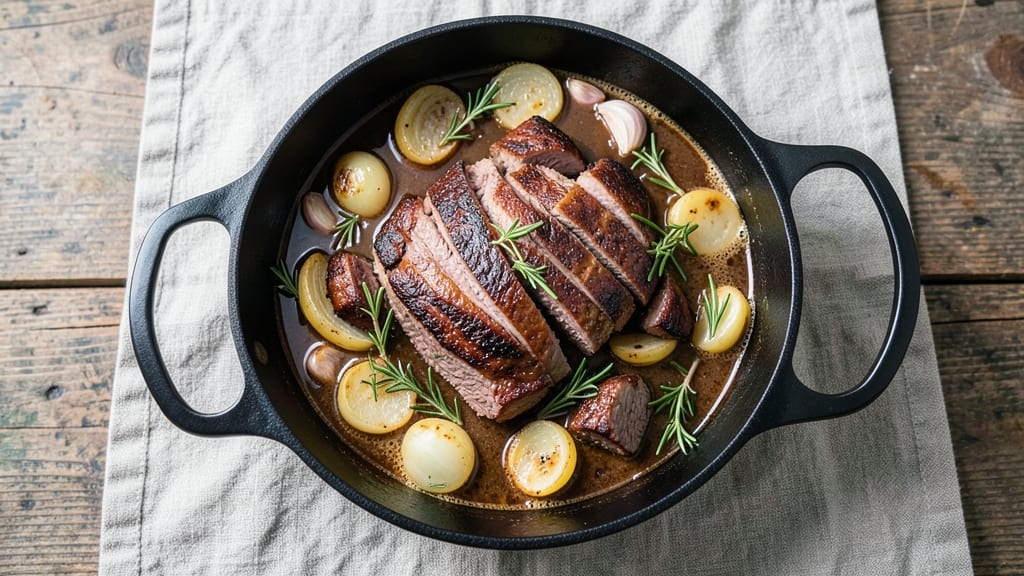
Gordon Ramsay’s beef and ale stew delivers restaurant-quality depth with caramelized onions and slow-braised beef that melts in your mouth. This isn’t just a stew—it’s a bold, aromatic masterpiece that transforms tough cuts into tender perfection through precise technique.
The key? Browning the beef deeply, layering flavors with ale reduction, and letting it simmer until the meat falls apart effortlessly. Every bite carries that rich, malty complexity you’d expect from a Michelin-starred kitchen.
The recipe hinges on three critical steps: searing the beef to lock in juices, building a flavorful base with onions and herbs, and reducing the ale to concentrate its depth. Ramsay’s method ensures the stew develops layered umami—from the caramelized onions to the slow-cooked meat—without relying on shortcuts.
While it requires patience (8 hours of simmering), the result is a foolproof dish that impresses even skeptical guests. The ale isn’t just an ingredient; it’s the soul of the stew, balancing sweetness and bitterness in every spoonful.
What sets this apart is the textural contrast: fork-tender beef, velvety sauce, and caramelized onions that add sweetness without overpowering. The stew thickens naturally as it cooks, creating a silky, clingy gravy that coats every noodle or slice of crusty bread.
Serve it with mashed potatoes or crusty sourdough to soak up every last drop—because this isn’t just dinner; it’s an experience. The aroma alone will have your kitchen smelling like a pub, and the first bite will justify every minute spent.
Perfect for weeknight dinners or holiday feasts, this stew scales effortlessly and tastes even better the next day. The secret? Don’t rush it. The longer it simmers, the richer the flavors become.
Whether you’re a home cook aiming for restaurant quality or a seasoned chef refining your technique, this recipe delivers uncompromising results. Let’s get started—your taste buds will thank you.
Ingredients for beef and ale stew gordon ramsay
Sixteen ingredients. Eight hours of simmering. One restaurant-quality masterpiece.
| Ingredient | Amount | Notes |
|---|---|---|
| Beef Chuck Roast 🥩 | 3 lb | Tough cut, well-marbled for tenderness |
| Yellow Onions 🧅 | 3 whole | Yellow or red, sliced into 1/4-inch pieces |
| Fresh Thyme 🌿 | 2 sprigs | Or 2 tsp dried thyme if fresh unavailable |
| Fresh Rosemary 🌿 | 1 sprig | Woody stems removed, leaves only |
| Garlic Cloves 🧄 | 6 cloves | Peeled, lightly smashed |
| Dark Ale Beer 🍺 | 2 cups | Stout or porter, not light lager |
| Beef Stock 💧 | 2 cups | Homemade preferred, low-sodium |
| Tomato Paste 🍅 | 2 tbsp | Squeeze tube or canned, no water added |
| Olive Oil 🫒 | 2 tbsp | Extra-virgin, for searing |
| All-Purpose Flour 🌾 | 2 tbsp | For thickening, not baking |
| Bay Leaves 🍃 | 2 whole | Fresh preferred, removed before serving |
| Salt 🧂 | 1 ½ tsp | Diamond Crystal preferred, kosher |
| Black Peppercorns 🌶️ | 1 tsp | Freshly cracked, not ground |
| Worcestershire Sauce 🍯 | 1 tbsp | Vegetarian version if needed |
| Red Wine Vinegar 🍷 | 1 tbsp | For brightness, optional but recommended |
The beef is non-negotiable—chuck roast with visible marbling is your best bet. Costco or Whole Foods carry excellent cuts, but check the butcher counter for the best selection. Look for meat that's bright red with white fat streaks; anything grayish means it's past its prime. If you're buying a whole roast, ask for it to be cut into 1.5-inch chunks—pre-cubed saves time but costs more. The onions? Yellow or red both work, but yellow caramelizes slightly better. Slice them evenly so they cook at the same rate as the beef. Fresh herbs are ideal, but dried thyme and rosemary will get you close if you're in a pinch.
No dark ale? Substitute with beef broth plus 1 tbsp molasses for depth, though the flavor won't be identical. Worcestershire sauce contains anchovies, so if you're avoiding that, use 1 tbsp soy sauce plus 1 tsp vinegar instead. The tomato paste can be skipped entirely if you're avoiding umami—just add an extra splash of vinegar. For the flour, all-purpose works fine, but if you're gluten-free, use cornstarch at the same ratio. The bay leaves add earthy notes; if you're short, one sprig of fresh thyme works in a bind. The Worcestershire and vinegar might seem like small amounts, but they're critical for that restaurant-quality tang.
This stew tastes even better the next day—plan ahead. Store in an airtight container in the fridge for up to 5 days, or freeze portions for 3 months. For freezing, cool completely first to prevent ice crystals. The onions will soften but retain their sweetness. If reheating, add a splash of water or broth to prevent thickening. Leftovers reheat beautifully in a Dutch oven or large pot—low heat only to avoid breaking up the meat. Serve with crusty bread or mashed potatoes to soak up every last drop of that silky sauce.
Why You'll Love This Recipe
- One-Pot Magic: I swear by this—just brown the beef, toss in the onions and garlic, then let the ale and herbs do the work. No extra pots, no fuss, and that deep, savory aroma fills the whole house while it simmers.
- Rich, Rustic Depth: That beef chuck roast turns insanely tender, while the ale adds a malty sweetness that balances the rosemary’s piney kick. Honestly? The first bite makes you forget it’s just a stew.
- Weeknight Hero: Between us, this is my go-to when I’m too tired to think. Serve it over mashed potatoes or with crusty bread—either way, it disappears fast. (Yes, even on a Tuesday night.)
- Budget-Winning Leftovers: A single roast stretches for days, and the flavor only gets better after reheating. I’ll be real: I make double batches just to have it for lunch the next week. Cheap, hearty, and always a win.
Step-by-step instructions for beef and ale stew
Here's how to create a rich, slow-braised masterpiece with deep flavors and caramelized onions.
Sear the Beef Chuck Roast for Deep Flavor
Pat the 3 lb beef chuck roast dry with paper towels—this ensures a proper sear. Heat 1 tablespoon of the olive oil in a heavy Dutch oven over medium-high heat until shimmering. Place the beef in the pan and sear for 3-4 minutes per side until deeply browned. I press down gently on the roast during the first minute to prevent curling and ensure even contact with the pan.
Remove the beef and set it aside. If the pan isn't coated with browned fond, add a bit more olive oil and sear the beef again. This step is crucial—it develops the rich, meaty flavor that forms the base of your stew. Don't rush this; patience here pays off in the final result.
Caramelize the Onions Until Golden Brown
In the same Dutch oven, add the remaining 1 tablespoon olive oil and reduce heat to medium. Add the 3 whole yellow onions, sliced into ¼-inch pieces, and cook them undisturbed for 10 minutes. This allows them to develop a deep, sweet caramelization without burning. Stir occasionally, but resist the urge to move them too frequently.
After 10 minutes, when the onions are soft and starting to turn golden, add the 6 peeled and lightly smashed garlic cloves, the 2 sprigs fresh thyme, and the 1 sprig fresh rosemary (woody stems removed). Cook for another 2 minutes until the garlic is fragrant. This aromatic base forms the flavor foundation of your stew—don't skip this step.
Build the Stew Base with Flour and Tomato Paste
Sprinkle the 2 tablespoons all-purpose flour over the onions and stir to coat them evenly. Cook for 1 minute to toast the flour lightly, which removes its raw taste. Add the 2 tablespoons tomato paste and stir for another 30 seconds until it darkens slightly and releases its rich, umami flavor.
Now pour in the 2 cups dark ale beer and scrape up any browned bits from the bottom of the pan. This deglazing step captures all the concentrated flavors you've built so far. Let the mixture simmer for 5 minutes until the beer reduces by half and the flavors meld together.
Slow-Braise Until Tender Perfection
Return the seared beef chuck roast to the Dutch oven. Add the 2 cups beef stock, the 2 whole bay leaves, 1.5 teaspoons salt, and 1 teaspoon freshly cracked black peppercorns. Bring to a simmer, then reduce heat to low, cover, and let it cook for 2.5 hours. This long, slow braising time transforms the tough chuck roast into fork-tender beef.
After 2 hours, check the beef for tenderness. If it's not quite there, continue cooking for another 30 minutes. The stew should be rich and velvety, with the beef falling apart easily. If it's too thick, add a splash of water or beer to reach your desired consistency.
Finish with Brightness and Serve
Remove the bay leaves and adjust the seasoning if needed. Stir in the 1 tablespoon Worcestershire sauce and 1 tablespoon red wine vinegar for a bright, tangy finish. Let the stew simmer uncovered for an additional 10 minutes to allow the flavors to meld and the sauce to thicken slightly.
Ladle the beef and ale stew into bowls, skimming off any excess fat if desired. Serve immediately with crusty bread or mashed potatoes. Each bite should deliver tender beef, sweet caramelized onions, and a rich, malty beer broth that's perfectly balanced with bright acidity.
Pro Tips For Making Beef And Ale Stew Gordon Ramsay
- SEAR THE ROAST FIRST: I learned this the hard way—skipping the sear means flavorless beef. Get that Chuck Roast screaming hot in a dry pan for 3-4 minutes per side until deep brown. The crust locks in juices and builds the foundation for that rich ale stew flavor.
- CHOP ONIONS UNIFORMLY: Thin, even slices caramelize faster and cook through without turning to mush. Aim for ¼-inch thick half-moons—thicker pieces stay tough, and thinner ones burn. (Yes, it takes 10 minutes, but it’s worth it.)
- DON’T SKIP THE ALCOHOL BURN-OFF: After deglazing with ale, let the liquid reduce by half before adding broth. This concentrates the flavor and cuts the sharpness. I used to rush it, and the stew always tasted thin and boozy—now it’s rich and balanced.
- USE A DUTCH OVEN FOR LOW HEAT: If your stove struggles with gentle simmering, finish the stew in a 325°F (160°C) oven instead. The Chuck stays tender without drying out, and the ale reduces evenly. (Pro move: Cover loosely with foil to trap steam.)
Wine and beer pairings for this dish
Ale Selection
The dark ale is the soul of this stew, so choose wisely. I recommend a stout like Guinness or a porter such as Founders Kentucky Breakfast Stout—their roasted malt flavors and slight bitterness complement the beef beautifully.
Avoid light lagers or IPAs; they lack the depth needed to balance the rich beef and caramelized onions. If you can’t find dark ale, substitute 2 cups beef broth with 1 tbsp molasses for a similar depth, though it won’t match the complexity. 🍺
Wine Pairings
For a classic contrast, pair this stew with a bold red wine that stands up to its richness. A Cabernet Sauvignon from Napa Valley (like Caymus Vineyards) works wonders—its dark fruit and tannins cut through the fat while harmonizing with the malty ale.
Alternatively, a Syrah from the Rhône Valley (such as Guigal Côtes du Rhône) adds peppery notes that echo the stew’s caramelized onions. Avoid light whites; their acidity won’t complement the hearty flavors. 🍷
Beer Pairings
Since the stew already features ale, why not serve it with another? A Belgian-style dubbel like Westmalle Dubbel or a German Dunkel (such as Weihenstephaner Dunkel) enhances the dish’s maltiness without overpowering it.
For a lighter option, a crisp English bitter (like Fuller’s ESB) balances the stew’s richness with its hoppy brightness. Skip sweet or overly hoppy beers—they’ll clash with the stew’s savory depth. 🍻
Non-Alcoholic Options
Don’t drink alcohol? No problem. A sparkling apple cider (like Martinelli’s) adds a refreshing acidity that cleanses the palate between bites. For something richer, try a root beer float with a scoop of vanilla ice cream—it mimics the stew’s sweet-savory balance.
Even a chilled hibiscus tea (like Tazo Hibiscus Lemon) offers a tangy contrast that brightens the dish. 🍏
Serving Temperature
Serve the stew piping hot at 180–190°F to highlight its silky texture and aromatic flavors. If pairing with wine, chill it to 55–60°F for reds or 45–50°F for whites. For beer, serve ale at 45–50°F and stouts slightly warmer (50–55°F) to enhance their roasted notes.
Pro tip: Use an ice bucket for quick chilling without diluting the drink. The temperature contrast makes every bite feel like a revelation. ❄️
Nutrition facts
Frequently asked questions
Why does this recipe use chuck roast instead of a more tender cut?
Chuck roast is perfect for slow-braised dishes like this because its marbled fat and connective tissue break down during the long cooking time, creating fork-tender meat with incredible flavor. Tender cuts like sirloin would turn mushy and dry. The 8-hour simmer transforms tough fibers into melt-in-your-mouth perfection—exactly what makes this stew so satisfying.
Can I make this stew in a slow cooker instead of a Dutch oven?
Transfer the seared beef and all ingredients (except Worcestershire and vinegar) to a 6-quart slow cooker. Cook on low for 8 hours or high for 5-6 hours. Stir in the Worcestershire and vinegar during the last 30 minutes of cooking. The texture will be slightly different but still delicious—just expect a thinner sauce. Pro tip: Sear the beef in a skillet first to build flavor before transferring.
How do I know when the beef is tender enough?
The beef should be fork-tender—it should fall apart easily when pierced with a fork or spoon. Insert a fork into the thickest piece: if it slides in with minimal resistance and the meat crumbles, it's ready. If not, cook for another 30-60 minutes. Overcooking can make the meat mushy, so check frequently after 2 hours. A quick test is to taste a small piece—it should be silky, not chewy.
What if I don’t have dark ale? What’s the best substitute?
Use 2 cups beef stock plus 1 tbsp molasses for depth, or substitute with 1 cup beef stock + 1 cup stout coffee (the bitterness mimics ale). Avoid light beers—they lack the malty richness. For a non-alcoholic option, try 2 cups strong black tea (like Earl Grey) + 1 tbsp soy sauce. The key is balancing sweetness and umami to replace the ale's complexity.
Can I prep this stew ahead of time?
This stew tastes even better the next day! Assemble it completely (up to adding Worcestershire and vinegar) and refrigerate for up to 5 days or freeze for 3 months. Reheat gently on low heat, adding a splash of water or broth if needed. The flavors deepen overnight as the meat continues to tenderize. For make-ahead convenience, prep the onions and aromatics a day ahead—just store them in the fridge until ready to use.