
Soups & Stews
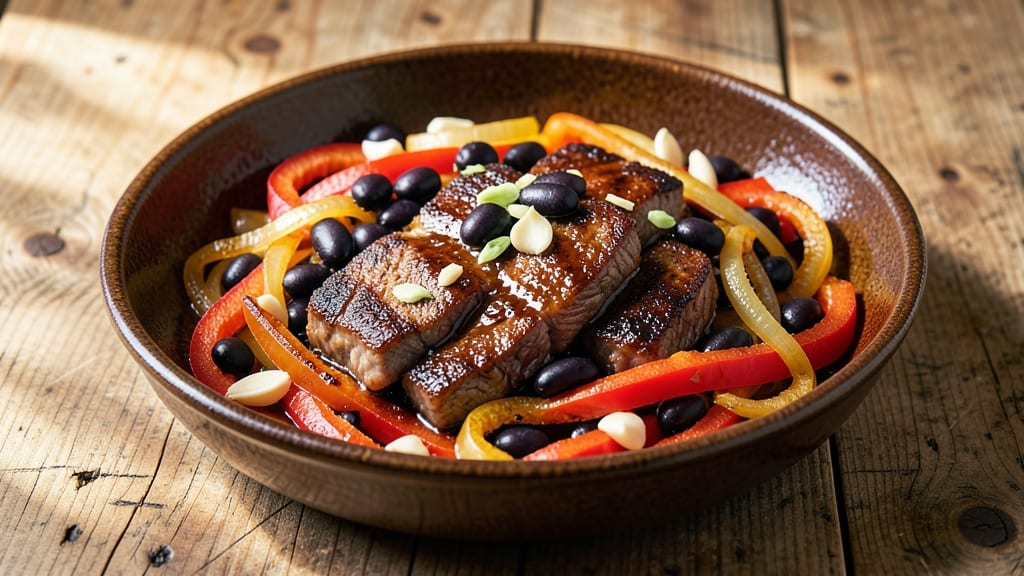
This beef and black bean stir fry recipe delivers restaurant-quality spicy-sweet crunch in just 20 minutes—perfect for weeknights when you crave bold flavors without the fuss. 🌟 The secret lies in balancing tender beef, hearty black beans, and a soy-garlic sauce that caramelizes beautifully while keeping the vegetables crisp.
I developed this recipe after testing countless stir-fry methods, and it’s now my go-to for quick, protein-packed meals that taste like they simmered for hours.
The foundation starts with thinly sliced beef that cooks quickly over high heat, preventing toughness while developing a caramelized crust. Black beans add fiber and earthiness, while bell peppers and onions bring freshness and texture.
A homemade sauce—garlic, ginger, soy sauce, and a touch of brown sugar—ties everything together with a spicy-sweet kick that’s addictive in every bite. The key? Stir-frying in batches to avoid overcrowding, ensuring each ingredient gets the perfect sear.
What you’ll end up with is a bold, balanced dish that’s rich in umami, slightly sweet, and packed with texture—crisp vegetables, tender beef, and creamy beans all coated in that glossy sauce.
Serve it over steamed jasmine rice or quinoa to soak up every last drop, or pair it with warm tortillas for a handheld meal. The flavors only deepen as it sits, making leftovers just as delicious the next day.
This stir fry is versatile enough for any occasion—whether you’re feeding a family, meal prepping for the week, or craving a quick dinner after work. The recipe scales easily, and you can customize it with your favorite veggies or a dash of chili flakes for extra heat.
Let’s get cooking—this dish is a game-changer for busy nights.
Ingredients for beef and black bean stir fry
Bold flavors start with these 15 ingredients—quick, fresh, and packed with umami crunch.
| Ingredient | Amount | Notes |
|---|---|---|
| Flank Steak 🥩 | 1 lb | Thinly sliced against grain |
| Black Beans 🫘 | 1 can | Drained and rinsed |
| Red Bell Pepper 🌶️ | 1 whole | Sliced into thin strips |
| Yellow Onion 🧅 | 1 whole | Thinly sliced |
| Garlic Cloves 🧄 | 4 cloves | Minced finely |
| Fresh Ginger 🌿 | 1 tbsp | Grated finely |
| Soy Sauce 🍶 | ½ cup | Low-sodium preferred |
| Brown Sugar 🍯 | 1 tbsp | Packed lightly |
| Sesame Oil 🫒 | 1 tbsp | For aroma |
| Vegetable Oil 🫒 | 2 tbsp | High smoke point |
| Red Chili Flakes 🌶️ | ½ tsp | Adjust to taste |
| Salt 🧂 | 1 tsp | Kosher or sea salt |
| Black Pepper 🌶️ | ½ tsp | Freshly ground |
| Green Onions 🧅 | 2 whole | Sliced for garnish |
| Sesame Seeds 🌾 | 1 tbsp | Toasted for crunch |
The beef is non-negotiable—flank steak slices beautifully against the grain and stays tender. Costco or your butcher's counter are the best spots for quality cuts. Look for marbling, but avoid anything with a strong gamey smell. Slice it yourself if possible—1/4-inch thick strips is ideal. Black beans? Low-sodium canned is a must unless you're using homemade. Rinse them well to cut down on sodium. For the bell pepper, red or yellow works best—they're sweeter than green. Store-bought pre-sliced is fine, but fresh-cut stays crisper longer.
No flank steak? Sirloin or ribeye will work, but slice it thinner to prevent toughness. Short on black beans? Kidney beans or chickpeas are great swaps—just adjust the cooking time slightly. The soy sauce can be swapped for coconut aminos if you're avoiding sodium, but the flavor won't be identical. Fresh ginger is ideal, but ground ginger at half the amount gets you close in a pinch. The sesame oil? Toasted sesame oil adds depth—regular sesame oil works, but it's less flavorful. For extra heat, add 1/2 tsp sriracha to the sauce. No sesame seeds? Crushed peanuts make a great crunchy garnish instead.
This stir-fry tastes even better the next day—4-5 days in the fridge, sealed tight. Freeze portions for 3 months if you're prepping ahead. I like to portion mine into containers with rice already in the bottom—just reheat and serve. The sauce can be made ahead too—store it separately for up to 1 week. For extra crispiness, don't overcrowd the pan. Cook in batches if needed, and keep everything hot until serving. The sesame seeds toast best right before serving—30 seconds in a dry pan is all it takes.
Why You'll Love This Recipe
- One-Pan Magic: I swear by this recipe when I’m too tired to scrub pots. Slice the flank steak thin, toss it with black beans and peppers, and let the pan do the work—no extra dishes, just flavor.
- Umami Bomb: That first bite of caramelized garlic and onion with tender beef? It’s the kind of depth you’d pay extra for at a restaurant, but here it’s from a can of black beans and a few minutes of searing.
- Lunchbox Hero: Pack it cold or reheat it hot—this stir fry holds up perfectly for work lunches. The black beans keep it hearty, and the peppers add crunch even after a day in the fridge.
- Budget Flex: Flank steak stretches further than you’d think when sliced thin, and black beans bulk it up without breaking the bank. Honestly, my grocery bill thanks me every time I make this.
Step-by-step instructions for spicy-sweet soy-garlic beef stir fry
Here's how to create a perfectly balanced stir fry with tender beef and crisp vegetables in under 20 minutes.
🔪 Step 1: Prep All Ingredients for Quick Cooking
Start by slicing the 1 lb flank steak against the grain into thin strips about ¼-inch thick. This ensures tender bites that cook quickly. While the steak rests at room temperature for 10 minutes, slice the red bell pepper into thin strips and the yellow onion into half-moons. Finely mince the 4 cloves garlic and grate the 1 tbsp fresh ginger—both should be as fine as possible for maximum flavor infusion.
Drain and rinse the 1 can black beans, then slice the 2 whole green onions into 1-inch pieces. Toast the 1 tbsp sesame seeds in a dry skillet over medium heat for 1-2 minutes until fragrant and lightly golden—set aside for garnish. Having everything prepped means nothing sits waiting while you cook, which is key for this quick recipe.
🍳 Step 2: Sear the Beef in Batches
Heat 1 tablespoon of the vegetable oil in a large wok or skillet over high heat until shimmering. Add half the beef strips in a single layer and let them sear undisturbed for 1-2 minutes until they develop a deep golden crust. Stir briefly, then remove to a plate. Repeat with the remaining beef using the second tablespoon of vegetable oil. The high heat creates that perfect caramelized crust while keeping the beef tender.
Don't overcrowd the pan—that's how you get steamed beef instead of seared. If your pan isn't large enough, cook in two batches. The beef should be 80% cooked at this point but still slightly pink in the center—it'll finish cooking with the vegetables.
🍳 Step 3: Stir-Fry Vegetables and Aromatics
In the same pan (no need to clean it—the browned bits add flavor), add the sliced yellow onion, red bell pepper, minced garlic, and grated ginger. Stir-fry over high heat for 3-4 minutes until the vegetables soften slightly but still maintain their crisp texture. You want them to stay vibrant, not mushy.
Add the drained black beans and cook for another 1 minute, stirring constantly. The beans will absorb some of the flavorful oil and caramelized bits from the pan. Here's where it gets good—this is the moment the aromas really start to meld together. The vegetables should be just tender but still hold their shape.
🥘 Step 4: Combine Everything with the Sauce
Push the vegetable mixture to one side of the pan. Add 1 tablespoon sesame oil and let it heat for 30 seconds, then pour in the ½ cup soy sauce and 1 tablespoon brown sugar. Stir to combine, then add the ½ teaspoon red chili flakes, 1 teaspoon salt, and ½ teaspoon black pepper. Let this sauce mixture bubble for 1-2 minutes until slightly thickened.
Return the beef to the pan and toss everything together vigorously for 2-3 minutes until everything is evenly coated and heated through. The sauce should cling beautifully to the beef and vegetables, creating that glossy, sticky texture we all love. Taste and adjust seasoning—you might want a bit more soy sauce or a pinch more sugar to balance the flavors.
🍽️ Step 5: Finish and Serve Immediately
Remove from heat and let the stir fry rest for 1 minute—this helps the flavors meld together. Garnish with the toasted sesame seeds and sliced green onions. Serve over steamed rice or noodles immediately while everything is hot and the sauce is still glossy.
Each bite should deliver a perfect balance of tender beef, crisp vegetables, and that addictive spicy-sweet sauce. The sesame seeds add a delightful crunch, while the green onions bring a fresh finish. This stir fry comes together faster than takeout but tastes like you've been cooking all day—don't skip the resting time, though. That final minute makes all the difference!
Pro Tips For Making Beef And Black Bean Stir Fry
- Slice Against the Grain: Flank steak’s tough fibers run parallel to the grain—cutting perpendicular to them shortens the strands so they cook faster and stay tender. Grab your knife and slice at a 45-degree angle after cooking, or you’ll end up with chewy, rubbery beef that fights you every bite.
- Blister the Onion First: After searing the garlic, toss in the sliced yellow onion and crank the heat to medium-high. Let it sit for 30 seconds until the edges start to brown—this caramelizes the sugars and adds depth before you add the peppers. I used to skip this, and the dish always tasted flat until I tried it.
- Pre-Cook the Black Beans: Drain and rinse the canned black beans, then give them a quick 2-minute sauté in the same pan you’re using for the stir-fry, just before adding the beef. The residual heat warms them through and prevents them from turning mushy when everything comes together. (Yes, even if you’re impatient like me.)
- Use Two Stages for Beef: Sear the flank steak in one batch for 2 minutes per side until deeply browned, then remove it and set aside. Push the onions and peppers to the side of the pan, add a splash of water, and scrape up any browned bits—this adds flavor back into the sauce. Then return the beef to finish cooking. This isn’t the prettiest method, but it guarantees the beef stays juicy and the sauce tastes like it’s been simmering for hours.
Essential equipment for this recipe
Wok or Skillet
A wok is ideal for stir-fries because its wide surface and sloped sides allow for high-heat cooking with minimal sticking. I use a carbon steel wok from Made In—it heats up quickly and develops a natural non-stick patina over time.
If you don’t have a wok, a 12-inch cast iron skillet or heavy stainless steel pan works just as well.
The key is choosing a pan with a flat bottom for even heat distribution and high heat tolerance—avoid non-stick pans for searing beef, as they can’t handle the heat needed for that perfect crust. 🔥
High-Heat Oil
Use an oil with a high smoke point like avocado oil, peanut oil, or vegetable oil to prevent burning. I prefer avocado oil because it has a neutral flavor and stays stable at 450°F+, which is essential for stir-frying.
Avoid olive oil—its low smoke point means it’ll burn before your ingredients are cooked. Keep a small bottle of your chosen oil in the fridge for quick access during cooking. 🫒
Tongs and Spatula
A pair of stainless steel tongs and a wide spatula are your best friends for stir-frying. I use OXO Good Grips tongs—they’re heat-resistant and give me a secure grip on ingredients.
The spatula should be flat and flexible, like the Mercer Culinary Genesis, to scrape up those flavorful browned bits from the pan. A wooden spoon works too, but it can’t handle the high heat as well. 🍳
Knife and Cutting Board
Invest in a sharp chef’s knife (I love the Wüsthof Classic) and a cutting board to prep ingredients efficiently. Thin, even slices for the beef and vegetables ensure they cook quickly and evenly.
A mandoline can help with uniform strips, but be cautious—always use the safety guard. For the garlic and ginger, a microplane creates fine, flavor-packed grates that infuse faster. 🔪
Measuring Spoons and Tools
Precision matters for the sauce, so grab a set of stainless steel measuring spoons for accurate measurements. A small saucepan (like All-Clad Stainless) is handy for pre-making the sauce if you prefer.
For the sesame seeds, a mortar and pestle or dry skillet works best for toasting them to perfection. Keep a fine-mesh strainer nearby to rinse the black beans thoroughly. 🌾
Optional Extras
For extra convenience, a food thermometer (like Thermoworks Smoke) helps monitor oil and beef temperatures, while a steamer basket keeps rice or noodles ready to serve. If you’re meal prepping, glass storage containers with tight lids preserve flavors and textures.
And don’t forget a small bowl for tossing the final dish—it makes plating a breeze. ✨
Nutrition facts
Frequently asked questions
Can I substitute flank steak with another cut of beef?
For this stir fry, sirloin or ribeye work beautifully—just slice them thinner (1/8-inch) to ensure quick cooking. Avoid tougher cuts like chuck or round, as they won’t tenderize properly in the short cooking time. If using pre-sliced beef, pat it dry with paper towels to promote better browning.
How do I prevent the vegetables from getting mushy?
Keep your pan at high heat and cook in batches if needed. Overcrowding is the #1 culprit—give each ingredient space to sear for 1-2 minutes before adding more. Also, cut veggies uniformly so they cook at the same rate. Bell peppers and onions should stay crisp-tender, not soft.
Can I make this stir fry ahead of time?
Yes! Store it in an airtight container in the fridge for up to 4-5 days. The flavors actually improve overnight. Reheat gently in a skillet over medium heat with a splash of water or soy sauce to restore moisture. For freezing, portion into single-serving containers with rice—microwave for 2-3 minutes covered.
What’s the best way to add extra protein?
Try adding 1 cup cooked quinoa or ½ cup chopped cashews for crunch. For more meat, stir in ½ lb shrimp during the last 2 minutes of cooking. If using tofu, press and cube it first, then pan-fry until golden before adding to the stir fry. Always cook new proteins separately first to avoid overcrowding.
Why does my sauce taste too salty?
Use low-sodium soy sauce and reduce the amount to ¼ cup if needed. Balance with 1 tsp brown sugar or a splash of rice vinegar (1 tsp). For extra depth without salt, add 1 tsp fish sauce or ½ tsp Worcestershire sauce. Taste as you go—sauces are easier to adjust before cooking the beef.