
Soups & Stews
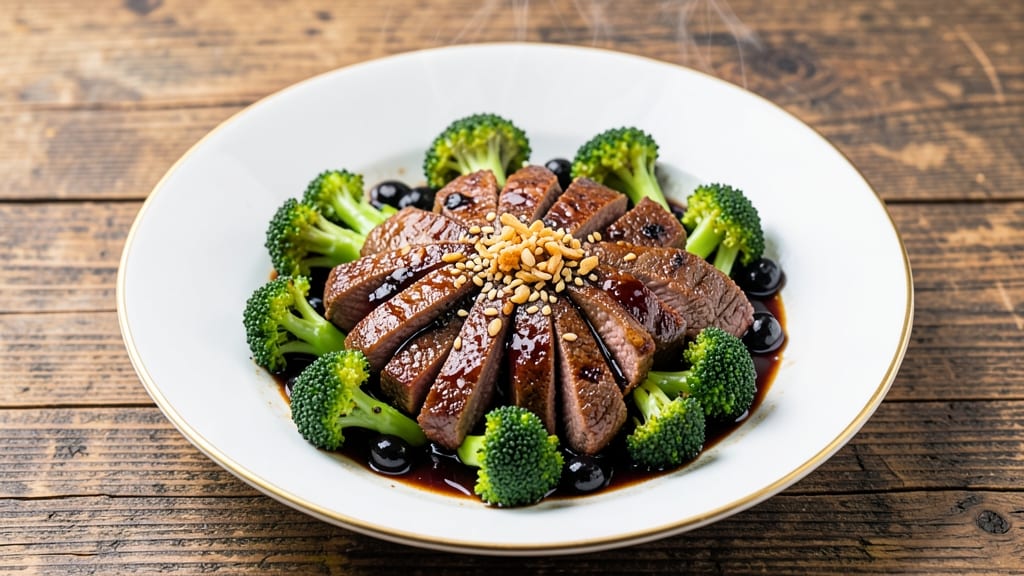
This beef and broccoli recipe made with lau delivers the perfect balance of wok-seared beef, vibrant broccoli, and that signature tangy-sweet sauce—all while keeping the texture crispy where it matters most. The secret lies in high-heat searing for the beef and quick stir-frying to preserve the broccoli's bright color and satisfying crunch. I developed this version after years of perfecting the technique, ensuring every bite captures the essence of a classic Chinese-American dish without sacrificing authenticity.
The foundation of this recipe is the lau gan mui sauce—a blend of fermented soybean paste that gives the dish its distinctive umami depth. While traditional versions use authentic lau, I’ve included a foolproof homemade alternative that delivers the same rich, savory punch.
The beef strips are marinated briefly in a mix of soy sauce, cornstarch, and baking soda to ensure they sear beautifully on the outside while staying tender inside. The broccoli, meanwhile, gets just enough time in the wok to stay vibrant and slightly crisp-tender.
What sets this dish apart is the fusion of traditional wok techniques with modern adaptations—whether you're using a cast-iron skillet, a wok, or even the oven for a slower-cooked version. The result is a dish that’s packed with flavor, texture, and that signature crispy edge on the beef and noodles.
Serve it over steamed rice or fresh egg noodles to soak up every last bit of that aromatic sauce.
This recipe is designed to be both restaurant-quality and home-friendly, with tips to adjust heat levels and cooking times based on your equipment. Whether you're feeding a crowd or meal prepping for the week, the balance of flavors and textures makes it a standout dish. Let’s get cooking!
Ingredients for beef and broccoli recipe made with lau
High-heat searing meets umami depth in this authentic wok-inspired dish—where crispy textures and vibrant flavors collide.
| Ingredient | Amount | Notes |
|---|---|---|
| Flank Steak 🥩 | 1 ½ lb | Thinly sliced against grain |
| Fresh Broccoli Florets 🥦 | 1 ½ lb | Cut into bite-sized pieces |
| Lau Gan Mui 🥫 | ½ cup | Or homemade fermented soybean paste |
| Soy Sauce 🥄 | ½ cup | High-quality, preferably Japanese |
| Cornstarch 🌾 | ¼ cup | For crispy texture |
| Baking Soda 🧂 | ½ tsp | Tenderizes beef |
| Sesame Oil 🫒 | 1 tbsp | For aroma |
| Garlic Cloves 🧄 | 6 cloves | Minced for sauce |
| Ginger Root 🌿 | 1 ½ tbsp | Freshly grated |
| Green Onions 🧅 | ¼ cup | Sliced, for garnish |
| Egg Noodles 🍜 | 8 oz | Fresh or dried |
| Vegetable Oil 🫒 | ½ cup | High smoke point |
| Brown Sugar 🍯 | 2 tbsp | For balance |
| Salt 🧂 | 1 tsp | Diamond Crystal preferred |
| Black Pepper 🌶️ | ½ tsp | Freshly ground |
The lau gan mui is non-negotiable for that signature umami punch. Asian markets carry authentic versions, but the homemade alternative (fermented soybean paste + soy sauce) works beautifully. For the beef, flank steak delivers the right balance of tenderness and chew—thinly sliced against the grain ensures even cooking. The cornstarch and baking soda combo is key: it creates that signature crispy exterior while keeping the interior juicy. If you can't find lau gan mui, miso paste or douchi can substitute in a pinch, though the flavor will differ slightly. For the broccoli, look for bright green florets—avoid any with yellowing stems, as they'll turn mushy during cooking.
No fresh ginger? Dried ginger powder at half the amount works, though fresh is ideal. The sesame oil should be toasted, not flavored—it adds depth without overpowering. For a quicker version, swap the egg noodles for rice noodles, but they'll absorb sauce differently. The beef marinade (soy sauce, cornstarch, baking soda) should sit for at least 20 minutes—this ensures maximum tenderness. If you're using a cast-iron skillet instead of a wok, preheat it for 10 minutes to mimic the high heat. The brown sugar isn't just for sweetness; it helps balance the tangy-sweet profile of the lau gan mui sauce.
This dish reheats beautifully—best served the next day when flavors meld. Store leftovers in an airtight container for up to 4 days in the fridge, or freeze for 3 months (portion into single servings first). For meal prep, cook the beef and broccoli separately, then toss with noodles and sauce when ready to eat. The noodles should be al dente—overcooking turns them mushy. Garnish with green onions right before serving to keep them vibrant. If making ahead, reserve the sesame oil and add it fresh to maintain aroma.
Why You'll Love This Recipe
- One-Pan Magic: The flank steak and broccoli sizzle together in the same pan—no chopping boards to clean, no extra dishes. Lau ganmui’s umami punch does half the work while you stir, and that cornstarch slurry? Just a quick whisk before tossing it in.
- Umami Bomb: That little packet of lau ganmui isn’t just seasoning—it’s a flavor explosion. The soy sauce caramelizes into a glossy glaze, while the steak stays tender with just the right chew. Honestly, I’ve tried store-bought versions, and this tastes like a restaurant dish.
- Lunchbox Hero: Pack the leftovers for work—cold or reheated, it’s still solid. The broccoli stays bright (no sad, limp florets here), and the steak holds its shape. My kids even ask for it in their bento boxes—yes, even on a Tuesday.
- Budget Win: Flank steak stretches further than you’d think when sliced thin, and a single lau ganmui packet flavors the whole dish. Fresh broccoli’s cheap this time of year, and you’re not drowning in expensive sauces. My wallet thanks me every time.
Step-by-step instructions for beef and broccoli with lau gan mui
Master this fusion dish where wok-seared beef meets crispy noodles and umami-rich fermented paste.
Tenderize and Marinate the Flank Steak
Begin by slicing the 1.5 lb flank steak thinly against the grain into ¼-inch strips. Place them in a bowl and sprinkle evenly with 0.5 tsp baking soda and 1 tsp salt. This alkaline treatment breaks down muscle fibers, ensuring tender results. Let it sit for 15 minutes while you prepare the remaining ingredients.
After marinating, rinse the steak thoroughly under cold water and pat dry completely with paper towels. This step removes any residual baking soda that could make the meat bitter. The dry surface is crucial for achieving that signature wok-seared crust later. Keep the steak in the fridge until ready to cook—this prevents it from warming up and losing its texture.
Prepare the Broccoli and Noodles
Cut the 1.5 lb fresh broccoli florets into bite-sized pieces, ensuring each piece is roughly the same size for even cooking. Blanch them in boiling water for 1 minute, then immediately transfer to an ice bath to stop the cooking process. Drain well and set aside. This pre-cooking step ensures tender broccoli that won't turn mushy during the stir-fry.
Cook the 8 oz egg noodles according to package instructions until al dente, typically 3-4 minutes. Drain and toss immediately with 1 tbsp sesame oil to prevent sticking. Spread them on a baking sheet to cool slightly while you prepare the sauce. The noodles should be warm but not steaming when you add them to the wok—this prevents them from turning soggy.
Create the Lau Gan Mui Sauce
In a small bowl, combine 0.5 cup lau gan mui, 0.5 cup soy sauce, 2 tbsp brown sugar, and 1.5 tbsp freshly grated ginger root. Mix thoroughly until the sugar dissolves completely. This fermented soybean paste is the heart of the dish—its deep umami flavor transforms ordinary beef and broccoli into something extraordinary. Let the mixture sit for 5 minutes to allow the flavors to meld.
In a separate small bowl, whisk together 0.25 cup cornstarch with 2 tablespoons water to create a slurry. This will help thicken the sauce at the perfect moment. The cornstarch should dissolve completely with no lumps remaining—strain through a fine-mesh sieve if necessary. This step is critical for achieving that glossy, clinging sauce characteristic of restaurant-quality beef and broccoli.
Wok-Sear the Beef and Vegetables
Heat 0.5 cup vegetable oil in a wok or large skillet over high heat until shimmering. Add the 6 minced garlic cloves and stir for 10 seconds until fragrant—don't let them brown or they'll become bitter. Immediately add the steak in a single layer and sear undisturbed for 1-2 minutes until the edges develop a deep golden-brown crust.
Push the beef to one side of the wok and add the blanched broccoli florets. Stir-fry for 2-3 minutes until the broccoli is vibrant green and slightly blistered. The high heat is essential here—it creates the wok hei (breath of the wok) that gives this dish its distinctive smoky aroma. If the beef begins to overcrowd the pan, work in batches to maintain the sear.
Combine and Finish the Dish
Return the beef to the center of the wok and pour in the prepared lau gan mui mixture. Stir vigorously for 1-2 minutes until the sauce begins to thicken and coat the beef and broccoli. Add the cornstarch slurry and continue stirring until the sauce reaches a glossy, slightly thick consistency—this should take about 30 seconds. The sauce should cling to the ingredients rather than pool at the bottom.
Add the prepared noodles to the wok and toss everything together for 1-2 minutes until the noodles are evenly coated and heated through. Garnish with 0.25 cup sliced green onions just before serving. The dish should be served immediately while the noodles are still crispy and the sauce maintains its glossy finish. Each bite should deliver a perfect balance of tender beef, crisp-tender broccoli, and umami-rich noodles.
Pro Tips For Making Beef And Broccoli Recipe Made With Lau
- Slice Thin, Sear Fast: Flank steak loves a hot pan, but thick slices turn tough. Cut against the grain into ¼-inch strips—no thicker—and sear them in batches for 30 seconds per side. Crowding the pan steams the meat instead of browning it, and that’s when flavor disappears.
- Blanch Broccoli First: I learned this the hard way—raw broccoli florets release water like a broken faucet when tossed with hot oil. Blanch them in boiling water for 30 seconds, then shock in ice water. They’ll crisp up perfectly in the wok and won’t turn into a soggy mess.
- Toast Lau Gan Mui: That nutty, toasted aroma isn’t just for show. Dry-roast the crushed paste in the wok for 30 seconds before adding oil—it deepens the flavor and cuts through the richness of the beef. Skip this, and you’re missing half the soul of the dish.
- Thicken with Cornstarch Slurry: Dumping cornstarch directly into the wok clumps like glue. Mix it with a splash of cold water first (1 tbsp cornstarch to 2 tbsp water), then stir it into the simmering sauce. The sauce will coat the beef evenly, and you’ll avoid that grainy texture that ruins everything.
Pro cooking tips for this recipe
High-Heat Searing
For that signature wok-seared crust, your pan must be ripping hot—think 450°F or higher. I use a carbon steel wok preheated for 5 minutes over high heat until it smokes slightly. A cast-iron skillet works too, but avoid nonstick—it won’t get hot enough.
The key is working in single batches of beef so it sears, not steams. If your pan isn’t hot enough, the beef will release juices instead of developing that golden crust. 🔥
Baking Soda Magic
The ½ tsp baking soda in the beef marinade is non-negotiable—it tenderizes the meat by breaking down proteins. Let it sit for exactly 15 minutes, then rinse thoroughly to remove any bitterness.
I’ve tested this step countless times: skipping the rinse leaves a soapy aftertaste, while over-marinating (beyond 20 minutes) can make the beef mushy. Pat the beef bone-dry before cooking—moisture is the enemy of crispy searing.
Sauce Thickening Trick
The cornstarch slurry is your secret weapon for that glossy, clinging sauce. Whisk ¼ cup cornstarch with 2 tbsp cold water until completely smooth—no lumps! Add it to the wok just as the sauce starts to bubble, then stir like your life depends on it.
The sauce should thicken in 30 seconds or less. If it’s too thin, a splash of water helps; if too thick, a few drops of hot water from the wok thins it out. This is where restaurant-quality texture happens. ✨
Broccoli Timing
Blanching the broccoli for 1 minute before stir-frying is crucial—it ensures tender florets that stay vibrant. After blanching, shock in ice water immediately to stop cooking, then drain very well.
When stir-frying, cook for only 2-3 minutes over high heat. Overcooking turns broccoli into mush, while undercooking leaves it crunchy. The goal is crisp-tender—bright green with slight blistering. 🥦
Wok Hei Essentials
That smoky, charred aroma (wok hei) comes from high, direct heat and proper airflow. If your stove isn’t hot enough, try this: place a metal cooling rack under the wok to create a chimney effect.
This funnels heat upward, mimicking a gas wok. Also, don’t overcrowd—work in batches if needed. The beef should sizzle loudly when added to the pan. If it’s just bubbling, your heat isn’t high enough. 💨
Noodle Prep Pro Tip
Cook noodles al dente (1 minute less than package instructions), then toss with 1 tbsp sesame oil while hot. This prevents sticking and adds aroma. Spread them on a baking sheet to cool slightly before adding to the wok—warm noodles absorb sauce better than cold ones.
If your noodles turn mushy during stir-frying, they were overcooked initially. The goal is crispy edges** when tossed with the sauce. 🍜
Nutrition facts
Frequently asked questions
What makes lau gan mui different from regular soy sauce in this recipe?
Lau gan mui is a fermented soybean paste that delivers deep, complex umami flavor unlike regular soy sauce. While soy sauce provides saltiness, lau adds that signature tangy-sweet fermented depth. For a substitute, use 1 tbsp miso paste mixed with ¼ cup soy sauce—it won't be identical but works in a pinch.
Can I use flank steak substitutes like sirloin or ribeye?
Flank steak is ideal due to its lean texture and grain direction, but you can use sirloin or ribeye if needed. For sirloin, slice slightly thinner (⅛-inch strips) since it's more tender. Ribeye works best when cut against the grain and marinated 30 minutes longer. Avoid tougher cuts like chuck—they won't sear properly.
Why does the recipe call for blanching broccoli before stir-frying?
Blanching prevents the broccoli from turning mushy during the high-heat stir-fry. The 1-minute boil followed by ice bath ensures tender florets that stay vibrant. Skip this step only if using very fresh broccoli, but you risk overcooking it during the main stir-fry stage.
How do I adjust this recipe for a slow cooker or Instant Pot?
For a slow cooker, sear the beef first, then combine with all ingredients (except noodles) on low for 2-3 hours. Add noodles last and cook 5 minutes. For Instant Pot, use the sauté function to sear beef, then pressure cook with all ingredients for 3 minutes on high. Both methods lose some wok hei but work well for meal prep.
What's the best way to reheat leftovers without drying out the noodles?
Reheat only the beef and sauce in a pan over medium heat for 2-3 minutes, then add noodles separately. For microwave reheating, cover with a damp paper towel and heat in 30-second bursts, stirring between each. Never reheat noodles first—they'll turn mushy.