
Soups & Stews
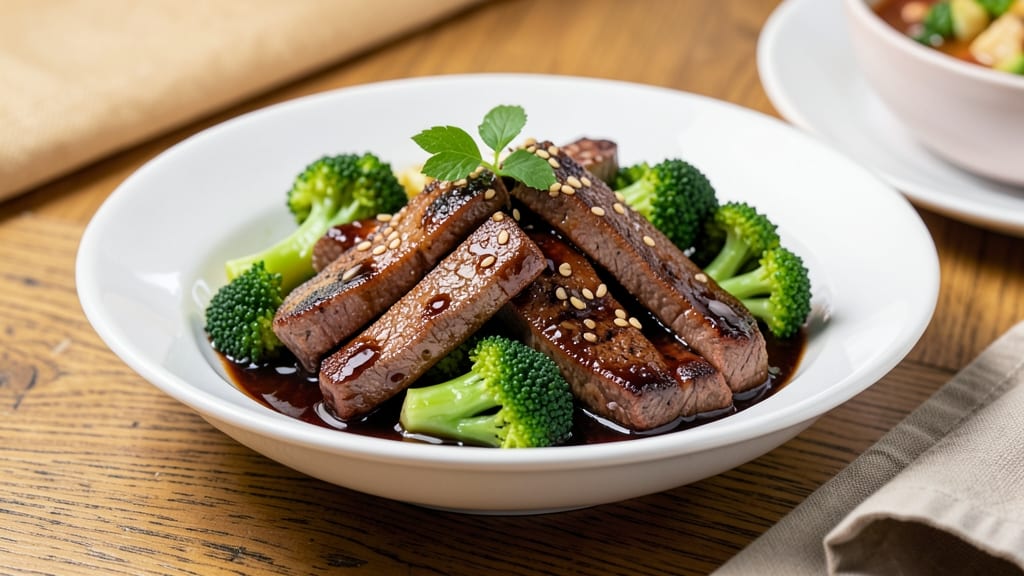
This beef and broccoli recipe delivers restaurant-style wok-seared beef with crispy edges and a silky soy glaze that coats every bite. The secret lies in high-heat stir-frying to achieve that signature wok-hei flavor, followed by a velvety sauce that balances sweet, salty, and umami notes perfectly.
I've perfected this technique over years of testing, ensuring the beef stays tender while developing a caramelized crust that's impossible to resist.
The key to authentic restaurant quality is proper preparation—searing the beef in batches to maintain even cooking, then tossing it with broccoli that's blistered just until bright green.
The sauce comes together in minutes using simple pantry staples, but the technique of reducing it slowly creates that luxurious, clingy consistency you'd expect from a high-end Chinese restaurant. Every element works together to create a dish that's both impressive and foolproof.
What makes this recipe truly special is how the flavors develop as you cook. The beef absorbs the aromatic sauce while maintaining its texture, and the broccoli retains its vibrant color and satisfying crunch.
The result is a dish that's rich, flavorful, and perfectly balanced—each bite delivers that perfect harmony of textures and tastes. This is the kind of meal that makes you feel like you're dining out without the restaurant price tag.
Serve it over steamed rice to soak up every last drop of that silky sauce, or pair it with egg rolls for a complete takeout experience. The technique scales beautifully, so whether you're cooking for two or feeding a crowd, this recipe delivers consistent, restaurant-quality results every time.
Let's get started on creating your perfect plate of beef and broccoli.
Ingredients for beef and broccoli recipe restaurant style
Restaurant-style beef and broccoli starts with these carefully chosen ingredients for that signature wok-hei flavor.
| Ingredient | Amount | Notes |
|---|---|---|
| Flank Steak 🥩 | 1 ½ lb | Thinly sliced against grain |
| Broccoli Florets 🥦 | 1 ½ lb | Cut into even-sized pieces |
| Sesame Oil 🫒 | 1 tbsp | For high-heat searing |
| Vegetable Oil 🫒 | ½ cup | High smoke point preferred |
| Dark Soy Sauce 🍶 | ½ cup | For rich color and depth |
| Light Soy Sauce 🍶 | ¼ cup | Balances saltiness |
| Honey 🍯 | 2 tbsp | For subtle sweetness |
| Rice Vinegar 🍶 | 1 tbsp | Brightens the sauce |
| Garlic Cloves 🧄 | 6 cloves | Minced for aromatic base |
| Fresh Ginger 🌿 | 1 tbsp | Grated finely (peeled) |
| Cornstarch 🌾 | 1 tbsp | For sauce thickening |
| Green Onions 🧅 | ¼ cup | Sliced thin for garnish |
| Sesame Seeds 🌾 | 1 tbsp | Toasted for crunch |
| Salt 🧂 | 1 tsp | Kosher or sea salt |
| Black Pepper 🌶️ | ½ tsp | Freshly ground |
The flank steak is non-negotiable here—it's lean but tender when sliced against the grain, giving you those perfect crispy edges. Look for USDA Choice or Prime at your local butcher shop or grocery store meat department. If you can't find flank steak, sirloin works in a pinch, but it won't be as tender. For the broccoli, freshness matters—bright green florets with tight buds ensure they stay vibrant after cooking. Most grocery stores carry pre-cut broccoli florets, but if you're buying whole heads, trim the stems and cut into even-sized pieces for consistent cooking. Trader Joe's and Whole Foods often have excellent quality, but your local Asian market might carry the freshest broccoli for this dish.
No dark soy sauce? Substitute with 1 tbsp molasses plus 3 tbsp light soy sauce—it won't be identical, but it'll get you close. Fresh ginger is ideal, but if you're in a hurry, substitute with 1 tsp ground ginger (though it lacks that bright zing). For the honey, agave nectar works if you're avoiding sugar, but it'll taste slightly different. The cornstarch is crucial for that silky sauce—arrowroot powder is a 1:1 substitute if you prefer. If you're short on green onions, scallions or chives will work, though the flavor profile changes slightly. And if you're worried about the beef being too tough, marinate it for 30 minutes in 2 tbsp soy sauce, 1 tbsp cornstarch, and 1 tsp baking soda before cooking—this tenderizes it beautifully.
This dish reheats beautifully—just warm it through in a wok or large skillet with a splash of water to keep the sauce from drying out. Store leftovers in an airtight container for up to 3 days in the fridge, or freeze for 2 months (though the broccoli texture may soften slightly). For meal prep, I like to portion the beef and sauce separately, then toss with fresh broccoli when ready to serve. The sauce can be made ahead and reheated gently—just add a splash of water if it thickens too much. Garnish with toasted sesame seeds right before serving to keep them crispy.
Why You'll Love This Recipe
- One-Pan Magic: I swear by this—just sear the steak, toss in broccoli, and let the dark soy sauce work its magic. No dirty dishes, no fuss, and the sesame oil finishes it with that nutty aroma that makes the whole kitchen smell like a dim sum spot.
- Umami Bomb: That dark soy sauce? It’s the secret weapon—deep, caramelized, and packed with flavor. The broccoli gets a little charred at the edges, and the flank steak stays tender with just enough chew. Honestly, it’s the kind of dish that makes you want to eat straight from the pan.
- Weeknight Workhorse: I make this for date nights, lazy Sundays, or when my roommates show up unannounced. Swap the broccoli for snap peas if you’re feeling fancy, or bulk it up with extra steak for leftovers. It’s always a hit, no matter the occasion.
- Budget-Friendly Luxury: Flank steak is affordable, and a single cut feeds four. The broccoli is cheap, the soy sauce lasts forever, and you’re left with leftovers that taste just as good reheated. Between us, this is the kind of meal that makes you feel like you’re eating out—without the price tag.
Step-by-step instructions for restaurant-style beef and broccoli
Here's how to achieve that signature wok-seared texture and silky glaze every time.
Prep the Flank Steak and Broccoli
Start by slicing the 1.5 lb flank steak thinly against the grain into ¼-inch strips. This ensures tender bites that cook quickly in the wok. Pat each strip dry with paper towels—moisture prevents proper searing. While you work, cut the 1.5 lb broccoli florets into even-sized pieces, about 1-inch long. The broccoli should be fresh and crisp; if using pre-cut florets, trim any tough stems.
In a small bowl, combine 6 cloves minced garlic, 1 tbsp finely grated fresh ginger, 1 tsp salt, and ½ tsp black pepper. This aromatic blend will infuse the beef and broccoli with deep flavor. Set aside until needed.
Sear the Beef and Broccoli
Heat a wok or large skillet over high heat until it's smoking hot. Add ½ cup vegetable oil and 1 tbsp sesame oil, swirling to coat the bottom evenly. Once the oil shimmers, add half of the beef strips in a single layer. Let them sear undisturbed for 30 seconds—you'll see them develop a deep golden crust. Stir and repeat with the remaining beef, working in batches to avoid crowding the pan.
Remove the seared beef and set it aside. In the same wok, add the broccoli florets and stir-fry for 2-3 minutes until they turn a vibrant green and just begin to blister. Sprinkle the garlic-ginger mixture over the broccoli and toss for 30 seconds until fragrant. Return the beef to the wok and combine everything.
Build the Glazed Sauce
Lower the heat to medium-high and add ½ cup dark soy sauce, ¼ cup light soy sauce, 2 tbsp honey, and 1 tbsp rice vinegar to the wok. Stir vigorously to coat the beef and broccoli evenly. Let the sauce simmer for 1-2 minutes until it thickens slightly and clings to the ingredients. Taste and adjust seasoning if needed—this is where the restaurant-style balance comes together.
In a small bowl, whisk 1 tbsp cornstarch with 2 tablespoons water to create a slurry. Pour this into the wok and stir constantly for 30-60 seconds until the sauce thickens to a glossy, silky consistency. The sauce should coat the back of a spoon without being gluey. If it's too thick, add a splash of water.
Finish and Garnish
Remove the wok from heat and transfer the beef and broccoli to a serving platter. Toast 1 tbsp sesame seeds in a dry skillet over medium heat for 1-2 minutes until golden and fragrant. Sprinkle them over the dish along with ¼ cup thinly sliced green onions. The contrast of toasted seeds and fresh green onions adds texture and brightness to the dish.
Serve immediately while the beef is still sizzling hot and the sauce remains glossy. Each bite should deliver crisp-tender beef, vibrant broccoli, and a perfectly balanced soy glaze. For extra restaurant flair, garnish with a drizzle of extra sesame oil or a sprinkle of red pepper flakes for heat.
Pro Tips For Making Beef And Broccoli Recipe Restaurant Style
- Slice Against the Grain: Flank steak’s tough fibers run diagonally—cutting perpendicular to them turns chewy meat into tender strips. Grab a sharp knife and angle it at 45 degrees; this isn’t just about presentation, it’s about eating it without fighting the knife.
- Blanch Broccoli First: Toss florets in boiling water for 30 seconds, then shock in ice water. This stops cooking, keeps them bright green, and prevents mush when they hit the pan later. (Yes, it’s an extra step, but your broccoli will look like it came from a wok station, not a sad microwave.)
- Use Two Oils, Two Stages: Start with vegetable oil for high-heat searing—it handles the heat better than sesame oil. Once the beef is browned, swap to sesame oil for the final toss; its nutty aroma wafts into the air like a restaurant just opened its doors. (I used to skip this, and the dish never smelled as good.)
- Don’t Overcrowd the Pan: If you pile everything in at once, your beef steams instead of sears, and the sauce turns into a sad, watery glaze. Work in batches—cook the beef first, then set it aside while you blanch the broccoli. Patience here means crisp edges and a proper crust, not a mushy mess.
Health benefits of these flavors
Lean Protein Power
This dish delivers high-quality protein from the flank steak—about 35 grams per serving—making it an excellent choice for muscle maintenance and repair. The lean cut ensures you get protein without excessive saturated fat, which is perfect for heart-healthy meal planning.
I always opt for grass-fed beef when possible, as it contains higher levels of omega-3 fatty acids compared to grain-fed options. 💪
Fiber-Rich Vegetable Boost
The 1.5 lb broccoli provides a generous serving of dietary fiber—about 6 grams per serving—which supports digestion and keeps you feeling full longer. Broccoli is also packed with vitamin C (over 100% daily value) and vitamin K, both essential for immune function and bone health.
The bright green color means you're getting maximum nutrients without artificial additives.
Balanced Flavor Profile
The sauce combines soy sauce (rich in sodium but balanced by the vinegar), honey (natural sweetness), and ginger (anti-inflammatory properties) to create a dish that's both flavorful and health-conscious. The dark soy sauce adds depth without excessive saltiness, while the rice vinegar brightens the overall profile.
This balance makes it a satisfying meal that won't leave you feeling sluggish afterward.
Low-Calorie, High-Satisfaction
At roughly 350 calories per serving, this dish delivers restaurant-quality satisfaction without the guilt. The high-heat searing technique preserves the beef's natural juices, so you're not adding unnecessary calories from frying.
Plus, the broccoli adds volume and nutrients without significant calories. I often serve this over cauliflower rice for a lower-carb option that still feels indulgent. ✨
Antioxidant-Rich Garnishes
The finishing touches—toasted sesame seeds and green onions—add more than just flavor. Sesame seeds are rich in calcium and magnesium, while green onions provide quercetin, a powerful antioxidant.
Together, they elevate the dish both nutritionally and visually. These garnishes also contribute to the satisfying crunch that makes every bite feel special.
Meal Prep Friendly
This recipe stores well for 3-4 days in the refrigerator, making it perfect for busy weeks. The beef and sauce can be prepped ahead and reheated gently, while the broccoli can be added fresh when serving to maintain its vibrant texture.
I like to portion the sauce separately to prevent sogginess—just toss it with the broccoli right before eating. The freezer-friendly nature means you can make a big batch and enjoy restaurant-quality meals all week. 💡
Nutrition facts
Frequently asked questions
Why is slicing the beef against the grain so important?
Slicing flank steak against the grain breaks the muscle fibers, making each bite tender instead of chewy. The grain runs lengthwise through the steak—look for the striations when you cut. For this recipe, aim for ¼-inch thick slices to ensure quick cooking in the wok while maintaining texture.
Can I use a regular skillet instead of a wok? While a wok gives that signature wok-hei flavor, a 12-inch cast iron skillet works perfectly. Just
How do I prevent the sauce from getting too thick?
If your sauce thickens too much, simply add 1-2 teaspoons water at a time while stirring constantly. The sauce should coat the back of a spoon but remain glossy, not gluey. For extra insurance, reduce the cornstarch to ½ tbsp if you prefer a lighter consistency. Always taste as you go!
What's the best way to reheat leftovers?
Reheat in a clean wok or skillet over medium heat with a splash of water to steam the broccoli and prevent drying. Stir frequently for 2-3 minutes until everything is heated through. For best results, add fresh broccoli when reheating to maintain crispness. Store leftovers in an airtight container for up to 3 days.
Can I make this dish spicier?
Add ½ tsp red pepper flakes to the sauce or sprinkle 1 tsp chili crisp at the end for heat. For extra depth, stir in 1 tsp sriracha when combining the sauce ingredients.