
Sauces & Condiments
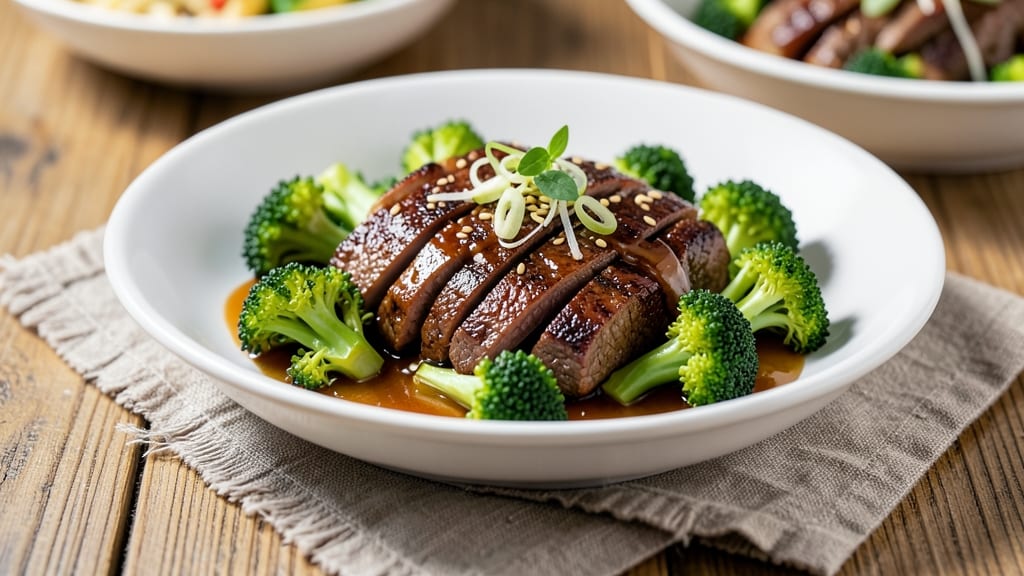
This beef and broccoli recipe with teriyaki sauce delivers restaurant-quality results with a glossy sauce that clings to every bite—no takeout required. 🔥 After years of perfecting stir-fry techniques, I've developed a method that balances tender beef, crisp-tender broccoli, and a rich teriyaki sauce that's both sweet and savory.
The secret lies in properly marinating the beef and cooking it at high heat to achieve that signature wok hei flavor.
What sets this recipe apart is the sauce—homemade teriyaki that's glossy, slightly sticky, and packed with umami from soy sauce and ginger. Unlike many recipes that treat sauce as an afterthought, here it's integrated into the cooking process, creating a dish where every bite is coated in flavor.
The beef stays juicy while developing a caramelized crust, and the broccoli maintains its vibrant color and satisfying crunch.
By the time you're done, you'll have a complete dish that's hearty enough for a weeknight dinner but elegant enough for company. The teriyaki sauce doesn't just sit on top—it penetrates the beef and broccoli, creating a harmonious blend of textures and flavors.
This is the kind of meal that transforms simple ingredients into something truly special.
Whether you're using a wok for authentic wok hei or a cast-iron skillet for convenience, this recipe delivers professional results. The method is straightforward but yields restaurant-quality outcomes—proof that you don't need fancy equipment to create impressive meals at home. Let's get started!
Ingredients for beef and broccoli recipe with teriyaki sauce
Restaurant-quality teriyaki sauce and perfectly seared beef transform simple ingredients into a dish worthy of takeout.
| Ingredient | Amount | Notes |
|---|---|---|
| Flank Steak 🥩 | 1 ½ lb | Thinly sliced against grain |
| Fresh Broccoli Crowns 🥦 | 1 ½ lb | Cut into 1-inch florets |
| Sesame Oil 🫒 | 1 tbsp | For high heat aroma |
| Extra-Virgin Olive Oil 🫒 | 2 tbsp | Light variety preferred |
| Low-Sodium Soy Sauce 🥫 | ½ cup | Kikkoman preferred |
| Honey 🍯 | ¼ cup | Wildflower preferred |
| Rice Vinegar 🍶 | ¼ cup | Seasoned preferred |
| Fresh Ginger 🌿 | 2 tbsp | Finely grated |
| Garlic Cloves 🧄 | 6 cloves | Minced for sauce |
| Cornstarch 🌾 | 1 tbsp | For sauce thickening |
| Sesame Seeds 🌰 | 1 tbsp | Toasted for garnish |
| Diamond Crystal Kosher Salt 🧂 | 1 ½ tsp | Adjust to taste |
| Freshly Ground Black Pepper 🌶️ | ½ tsp | For seasoning |
| Green Onions 🧅 | 3 whole | Sliced for garnish |
The flank steak is non-negotiable—its lean yet tender texture holds up to high-heat cooking while developing that signature wok hei flavor. Ask your butcher to slice it thinly against the grain (about 1/4-inch thick) if you can't do it yourself. For freshness, purchase it the day you plan to cook and keep it refrigerated until ready to use. Whole Foods and specialty Asian markets carry high-quality cuts, but even mainstream grocers stock flank steak. Avoid pre-sliced packages—they often lose moisture during packaging. If you're working with a thicker cut, slice it yourself for maximum tenderness.
No sesame oil? Toasted peanut oil works in a pinch, though the aroma won't be identical. The teriyaki sauce relies on a balance of sweet, salty, and umami—substitute maple syrup for honey if needed, but reduce to 2 tbsp to maintain balance. For the ginger, fresh is essential—dried lacks the bright punch, though you could use 1 tsp ground ginger in a bind. The cornstarch is critical for that glossy finish; if unavailable, arrowroot powder at the same amount works equally well. For the broccoli, baby broccoli crowns (sold pre-trimmed) save prep time without sacrificing texture.
Marinate the beef for at least 30 minutes, but overnight yields best results—the acid in the rice vinegar tenderizes the meat. Store leftover sauce in an airtight container in the fridge for up to 5 days; it reheats beautifully and works as a marinade for chicken or tofu. The cooked beef and broccoli keep well for 3 days refrigerated, though the texture softens slightly. For longer storage, freeze portions for up to 3 months. Garnish with toasted sesame seeds just before serving—they add crunch and visual appeal that disappears quickly once added to the dish.
Why You'll Love This Recipe
- One-Pan Magic: The steak and broccoli cook together in the same pan—no flipping between dishes, no extra pots. Just sear the beef, toss in the florets, and let the teriyaki sauce work its magic while you stir. My sink stays cleaner, and honestly? That’s a win.
- Teriyaki Magic: That homemade teriyaki—just soy sauce, a touch of honey, and a splash of rice vinegar—coats the beef with a glossy, caramelized sheen. The sesame oil at the end? Pure umami gold dust. It’s the kind of flavor that makes you reach for seconds without thinking.
- Weeknight Workhorse: I’ve served this for date nights, lazy Sundays, and even as a take-to-work lunch. The leftovers reheat beautifully, and the broccoli stays crisp-tender—no sad, mushy florets here. Pack it in containers, and you’ve got dinner covered for days.
- Budget-Friendly Feast: Flank steak stretches further than you’d think when sliced thin, and broccoli crowns are cheaper than pre-cut florets. A little sesame oil and olive oil make this dish feel fancy without breaking the bank. My wallet and my family both approve.
Step-by-step instructions for beef and broccoli with teriyaki sauce
Master this classic stir-fry with a glossy sauce that clings perfectly to tender beef and crisp broccoli.
🔪 Step 1: Prep the Flank Steak and Broccoli
Slice the 1.5 lb flank steak thinly against the grain using a sharp knife—this ensures tender bites. Arrange the slices on a plate and season both sides generously with 1.5 tsp diamond crystal kosher salt and 0.5 tsp freshly ground black pepper. Let them sit at room temperature for 15 minutes while you prepare the remaining ingredients.
Cut the 1.5 lb fresh broccoli crowns into 1-inch florets, reserving the stems for another use if desired. Rinse the florets under cold water to remove any dirt, then drain thoroughly on paper towels. This step prevents a soggy stir-fry—critical for maintaining crisp texture.
🍳 Step 2: Sear the Beef and Broccoli
Heat a large wok or skillet over high heat until smoking. Add 2 tbsp extra-virgin olive oil and 1 tbsp sesame oil, swirling to coat the pan evenly. Working in batches to avoid crowding, add the seasoned steak slices and sear for 1-2 minutes per side until they develop a deep golden-brown crust. Remove the beef and set aside on a plate.
In the same pan, add the broccoli florets in a single layer. Stir-fry for 3-4 minutes until they turn bright green and develop slight char marks. The high heat is key here—it preserves the broccoli's vibrant color and crisp texture. Return the beef to the pan and toss everything together for 30 seconds to combine.
🥘 Step 3: Make the Glossy Teriyaki Sauce
Reduce the heat to medium and add the 2 tbsp finely grated fresh ginger and 6 cloves minced garlic cloves to the pan. Cook for 30 seconds until fragrant, stirring constantly to prevent burning. Pour in the 0.5 cup low-sodium soy sauce, 0.25 cup honey, and 0.25 cup rice vinegar, scraping up any browned bits from the bottom of the pan.
Bring the mixture to a gentle simmer and let it reduce for 3-4 minutes until slightly thickened. In a small bowl, whisk together 1 tbsp cornstarch with 2 tablespoons water to create a slurry. Slowly pour this into the pan while stirring continuously. The sauce should thicken enough to coat the back of a spoon—this creates that signature glossy finish.
🔥 Step 4: Finish and Garnish
Return the beef and broccoli to the pan and toss everything together for 1-2 minutes until the sauce evenly coats all ingredients. Taste and adjust seasoning if needed—you might want to add a pinch more salt or a splash of rice vinegar for brightness. The sauce should be perfectly balanced between sweet, salty, and tangy.
Transfer the beef and broccoli to serving plates and garnish with 1 tbsp toasted sesame seeds and 3 whole green onions, sliced thinly on the bias. Serve immediately over steamed rice to soak up every last bit of that clinging teriyaki sauce.
Pro Tips For Making Beef And Broccoli Recipe With Teriyaki Sauce
- SEAR STEAK IN BATCHES: I learned this the hard way—crowding the pan turns your flank steak into sad, gray sludge. Cut the steak into thin strips first, then sear in two batches over medium-high heat for 2-3 minutes per side. The extra time pays off with crisp edges and juicy centers.
- TRIM BROCCOLI LIKE A PRO: Skip the tiny florets—big, even crowns (about 1.5 inches) cook faster and look better. Cut the stems into thick matchsticks (½-inch) and blanch them separately for 30 seconds before tossing with the florets. They’ll stay tender while the florets crisp slightly.
- USE SESAME OIL LAST: Add that fragrant sesame oil after the teriyaki sauce and broccoli come off the heat. A splash in the final stir keeps it aromatic instead of burning off in the pan. (Yes, even if you’re impatient like me—just wait 30 seconds.)
- REST THE MEAT UNDER FOIL: After searing, transfer the beef to a plate and tent loosely with foil for 5 minutes. This guarantees juicy slices—no more dry, stringy bites when you slice against the grain. (Your future self will thank you.)
Wine and beer pairings for this dish
Japanese Sake Pairings
For this dish, I reach for a dry, crisp junmai ginjo sake with its delicate floral notes and clean finish. The Miyagikyo Junmai Ginjo from Japan is my go-to—its subtle sweetness and acidity complement the teriyaki sauce without overpowering the beef's richness.
Serve it slightly chilled (45-50°F) to enhance its aromatic qualities. 🍶
If you prefer something more robust, a dai-ginjo with higher alcohol content (around 15-16% ABV) like Gekkeikan Premium stands up to the dish's bold flavors. The extra body mirrors the teriyaki's depth while maintaining balance. For a budget-friendly option, Kubota Junmai delivers excellent quality at half the price.
Dry Riesling Options
German or Alsatian dry riesling makes an unexpected but brilliant pairing. The Dr. Loosen Blue Slate Kabinett from the Mosel region offers bright acidity and mineral notes that cut through the dish's richness while harmonizing with the teriyaki's sweet-savory profile.
I keep a bottle chilled (45-50°F) in my fridge for these occasions.
For a New World twist, try an Australian riesling like Pauletts Riesling. Its tropical fruit notes complement the honey in the sauce, while the acidity keeps the palate refreshed. The slightly higher alcohol content (around 13% ABV) also stands up to the beef's heartiness.
Light Lager Complements
When I crave something refreshing, I serve this dish with a crisp Japanese lager. Asahi Super Dry is my top pick—its clean, slightly bitter finish balances the teriyaki's sweetness perfectly.
The 3.5% ABV keeps it light enough to let the dish's flavors shine through. I often serve it ice-cold (38-40°F) to enhance its crispness.
For a craft beer alternative, look for a Belgian witbier like Hoegaarden. The citrusy coriander notes and effervescence create a delightful contrast with the dish's umami richness. The 5% ABV provides just enough body to complement the beef without overwhelming it.
Serving Temperature Tips
Proper serving temperature makes all the difference. For sake, I never serve it at room temperature—always chilled between 45-50°F to preserve its delicate aromas. With wine, I follow the 5-second ice rule: 5 seconds in ice water for white wines, 10 seconds for reds.
This maintains proper temperature without watering down the drink.
For beers, I use a beer chiller to keep them at optimal temperatures. Lagers should be served at 38-40°F for maximum crispness, while witbiers benefit from a slightly warmer 45°F to highlight their citrus notes. I keep a Therm-a-Rice beer chiller in my fridge for consistent results.
Nutrition facts
Frequently asked questions
Can I substitute flank steak with another cut of beef?
Yes! For this recipe, sirloin or ribeye work well—they're tender and hold up to high heat. Avoid tougher cuts like chuck or round. If using sirloin, slice it 1/4-inch thick against the grain for best results. For extra tenderness, marinate for 1-2 hours instead of just 30 minutes.
How do I make the teriyaki sauce less sweet?
Reduce the honey to 2 tablespoons and add 1 extra tablespoon of rice vinegar for brightness. For a savory version, replace half the honey with 1 tablespoon of mirin. Taste as you go—start with 1/2 teaspoon less honey and adjust gradually to avoid overpowering the beef's flavor.
Why is my broccoli turning mushy?
Overcrowding the pan or cooking at too low heat causes soggy broccoli. Always cook in a single layer over high heat and stir frequently. For extra crispness, blanch the florets in boiling water for 30 seconds before stir-frying. Drain well and pat dry with paper towels to remove excess moisture.
Can I make this recipe in a slow cooker?
Not ideal for this dish, but you can adapt it! Sear the beef first, then add everything to the slow cooker on low for 3-4 hours. The sauce will be thinner—thicken it by mixing 1 tablespoon cornstarch with 2 tablespoons water and stirring it in at the end. The texture will be more tender than stir-fried, but still flavorful.
What's the best way to reheat leftovers?
Reheat in a skillet over medium heat for 2-3 minutes with 1 teaspoon fresh ginger and 1 tablespoon water to revive the flavors. Avoid microwaving—it makes the sauce watery. For extra crispness, broil for 1-2 minutes at the end. Store leftovers in an airtight container for up to 3 days.