
Soups & Stews
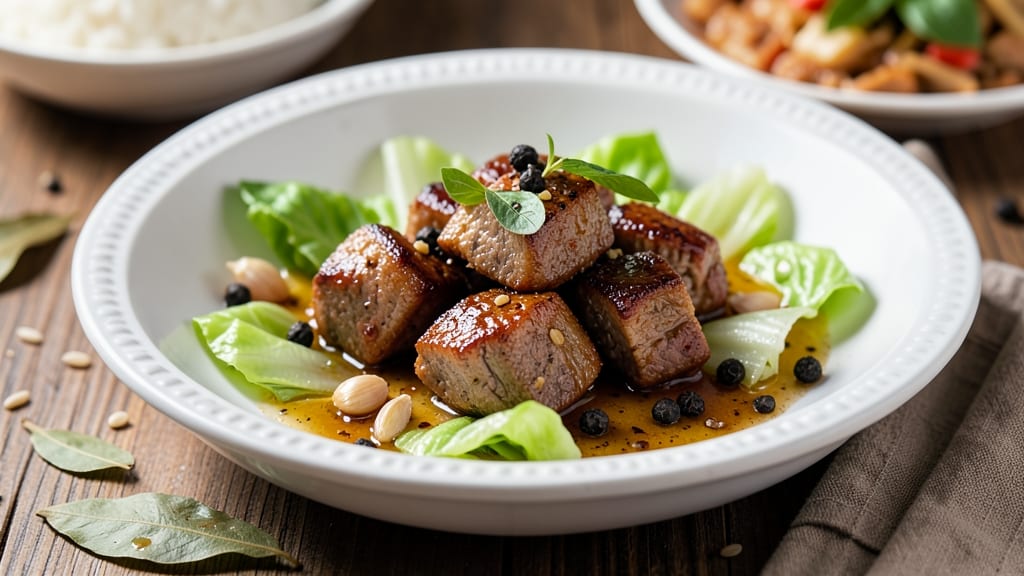
This beef and cabbage Filipino recipe delivers the bold, tangy flavors of home-cooked Filipino comfort food in one satisfying pot. The secret lies in a rich, vinegar-based sauce that tenderizes the beef while caramelizing the cabbage into sweet, bite-sized pieces.
I've perfected this dish over years of family gatherings, where it's always the first to disappear from the table.
The beauty of this recipe is its simplicity—just a few pantry staples transform into a dish that's hearty enough for a weeknight dinner but special enough for company. The beef simmers until fork-tender, absorbing the savory-sour sauce, while the cabbage softens into tender, slightly sweet bites.
This is the kind of meal that tastes even better the next day, making it perfect for leftovers.
What sets this apart is the balance of flavors: the tangy vinegar, the earthy peanut butter (for depth), and the aromatic bay leaves create a sauce that's both complex and comforting. The dish pairs beautifully with steamed white rice, which soaks up every last drop of that flavorful broth.
It's a recipe that brings a taste of Filipino home cooking to your table without requiring exotic ingredients.
Whether you're serving this for a family dinner or meal prepping for the week, the results are consistently delicious. The slow simmer ensures the beef stays tender, and the cabbage achieves that perfect texture—soft enough to eat with a spoon but still holding its shape.
Ready to make this a new favorite?
Ingredients for beef and cabbage filipino
Pantry staples plus a few Filipino market finds—this dish is all about bold flavors in one pot.
| Ingredient | Amount | Notes |
|---|---|---|
| Chuck Roast 🥩 | 1 ½ lb | Cut into 1-inch cubes |
| Green Cabbage 🥬 | 1 small head | Cut into wedges |
| Canola Oil 🫒 | 2 tbsp | For browning beef |
| White Vinegar 💧 | ½ cup | Distilled preferred |
| Soy Sauce 🍶 | ⅓ cup | Regular or light |
| Garlic Cloves 🧄 | 6 cloves | Minced for depth |
| Peanut Butter 🥜 | 2 tbsp | Creamy, unsweetened |
| Yellow Onion 🧅 | 1 medium | Diced for aromatics |
| Bay Leaves 🌿 | 2 whole | Fresh preferred |
| Black Peppercorns 🌶️ | 1 tsp | Crushed for heat |
| Salt 🧂 | 1 ½ tsp | Kosher or sea salt |
| Sugar 🍚 | 1 tbsp | White granulated |
| Hardwood Charcoal 🔥 | 2 pieces | Optional for smoky flavor |
The chuck roast is your secret weapon here—it stays tender through the long simmer, while cheaper cuts would turn tough. Look for good marbling at the store; Costco or local butchers often have great deals. Cabbage should be firm with crisp leaves—avoid any with wilted spots. Peanut butter isn't just for sandwiches: Trader Joe's or Smucker's natural peanut butter adds that signature Filipino depth without overpowering. For the vinegar, distilled gives the cleanest tang, but apple cider works too if you've got it. The garlic? Freshly minced makes all the difference—pre-minced loses flavor fast.
No chuck roast? Beef stew meat or even pork shoulder will work, though cooking times may vary. Swapping vinegar for lemon juice? Use half the amount—it's way more acidic. Peanut butter shortage? Substitute with 1 tbsp soy sauce plus 1 tsp sesame oil for a similar umami punch. The hardwood charcoal is optional but adds that smoky campfire vibe—skip it if you're not near a grill. For the cabbage, Napa cabbage works too, but green cabbage is more traditional. And if you're feeling lazy, pre-chopped frozen cabbage (thawed) saves time without sacrificing texture.
This tastes even better the next day as flavors meld—double the batch if you're meal prepping. Store in airtight containers for 5 days in the fridge or freeze for 3 months. The sauce thickens as it cools, so add a splash of water when reheating. I always make extra rice too—this dish soaks it up like a sponge. The leftovers? Perfect for rice bowls or stuffed into tortillas the next day.
Why You'll Love This Recipe
- Foolproof Simplicity: I swear by this one—just sear the chuck roast, toss in whole cabbage wedges, and let the vinegar and soy sauce work their magic. No dicing, no fuss, and honestly? The cabbage practically cooks itself while the beef gets tender.
- Umami Bomb: That soy-vinegar combo? It’s the secret weapon here. The vinegar cuts through the richness of the beef while the soy adds this deep, savory punch—like a simpler, heartier version of adobo. My husband licks his plate clean.
- Leftovers for Days: Between us, this recipe begs to be made extra. The beef stays juicy for days, and the cabbage? It gets even better reheated—crispy edges, tender meat. I pack it for lunches or freeze portions for those nights when I’m too tired to cook.
- Budget-Friendly Feast: Chuck roast on sale? Cabbage lasts forever? This is my go-to when I need to feed the family without breaking the bank. A single roast and a head of cabbage stretch into multiple meals—no wasted ingredients, just pure satisfaction.
Step-by-step instructions for beef and cabbage Filipino simmer
Here's how to make this rich, tangy Filipino beef dish that balances sweet, salty, and smoky flavors perfectly.
Prep the Beef and Cabbage for Maximum Flavor
Start by cutting the 1.5 lb chuck roast into 1-inch cubes—this size ensures even cooking and tender meat. Pat each piece dry with paper towels, which helps them brown beautifully in the pan. While the beef rests, cut the 1 small head green cabbage into wedges, leaving the core intact so they hold together during cooking.
Peel and dice the 1 medium yellow onion into ¼-inch pieces and crush the 6 cloves garlic with the side of your knife for maximum flavor. Measure out the 2 tbsp peanut butter—this might seem unusual, but it adds a subtle richness that complements the tangy sauce. Keep all prepped ingredients within reach so you can move quickly through the cooking process.
Brown the Beef for Deep Flavor
Heat the 2 tbsp canola oil in a large Dutch oven or heavy pot over medium-high heat until shimmering. Working in batches, add the chuck roast cubes and let them sear undisturbed for 2-3 minutes per side until they develop a rich brown crust. This step is crucial—it builds layers of flavor that simmering alone can't achieve.
Once all the beef is browned, remove it from the pot and set it aside. In the same pot, add the diced onion and cook for 3-4 minutes until softened. Add the minced garlic and cook for 30 seconds until fragrant—don't let it burn, or it'll turn bitter. This aromatic base forms the flavor foundation for your dish.
Build the Tangy Sauce
Reduce the heat to medium and stir in the 2 tbsp peanut butter, letting it melt completely into the onions and garlic. Add the 0.5 cup white vinegar and 0.33 cup soy sauce, scraping up any browned bits from the bottom of the pot. These bits are packed with flavor, so don't miss this step.
Add the 1 tbsp sugar, 1.5 tsp salt, and 1 tsp crushed black peppercorns, stirring until everything is well combined. Drop in the 2 whole bay leaves and return the browned beef to the pot. The sauce should coat the beef completely—if it looks too thick, you can add ¼ cup water now, but the peanut butter helps thicken it naturally as it simmers.
Simmer Until Tender and Flavorful
Bring the mixture to a gentle boil, then reduce heat to low and cover with a lid. Let it simmer for 1 hour and 15 minutes, stirring occasionally. The beef is done when it's fork-tender and easily pulls apart. If you're using the 2 pieces hardwood charcoal, wrap them in foil and add them to the pot during the last 15 minutes of cooking to infuse a subtle smoky flavor.
Check the cabbage wedges after 45 minutes of simmering—they should be tender but still holding their shape. If they're cooking too quickly, move them to a plate and keep them warm while the beef finishes. The sauce should be thick enough to coat the back of a spoon, but if it's too thick, you can thin it with a splash of water or vinegar.
Finish and Serve with Confidence
Once the beef is tender, remove the bay leaves and discard them. Taste the sauce and adjust seasoning if needed—you might want to add a splash more vinegar for tang or a pinch of salt for balance. The cabbage wedges should be bright green and slightly crisp, adding a fresh contrast to the rich beef.
Serve the beef and cabbage hot, straight from the pot, over steamed rice. The combination of tender beef, slightly sweet and tangy sauce, and crisp cabbage makes this dish a crowd-pleaser. The peanut butter adds a unique depth that you won't find in traditional adobo recipes, making this a standout Filipino-inspired meal.
Pro Tips For Making Beef And Cabbage Filipino
- Sear the Roast First: Chuck roast needs that crust to stay juicy. Hit it with medium-high heat in canola oil for 4-5 minutes per side until deep brown—don’t rush, or you’ll end up with dry beef later. The Maillard reaction here is your friend, locking in flavor and moisture for the long cook ahead.
- Core the Cabbage Properly: I used to slice whole wedges and wonder why they stayed crunchy. Cut the cabbage into 6-8 even wedges and slice each wedge into 1-inch thick strips—this ensures even cooking without soggy centers. No one wants a forkful of rubbery cabbage in their Filipino stew.
- Deglaze with Vinegar: After browning the beef, don’t just add water—pour in that white vinegar first. It cuts through the fond, lifting all those caramelized bits into the sauce for a richer base. Skip this, and you’re missing out on the depth that makes this dish sing.
- Simmer Low and Slow: This isn’t a race. After adding soy sauce and water, reduce to a bare simmer (tiny bubbles, no splashing) and cover. Chuck roast needs 2.5–3 hours to tenderize—walk away, let it do its thing. Checking it every 10 minutes won’t speed it up, and it’ll just dry out.
Make-ahead tips for this recipe
Prep Ahead for Flavor
Start by prepping the beef and cabbage the night before—cut the 1.5 lb chuck roast into 1-inch cubes and store in an airtight container. Cut the cabbage into wedges and keep them in a separate container.
This saves 15 minutes of prep time on cooking day. The beef will develop a better crust when cold, and the cabbage stays fresher longer. 🥬
Sauce Prep Shortcut
Make the sauce base ahead of time by combining the 0.5 cup white vinegar, 0.33 cup soy sauce, 2 tbsp peanut butter, 1 tbsp sugar, 1.5 tsp salt, and 1 tsp crushed black peppercorns in a bowl.
Store it in the fridge for up to 3 days. When ready to cook, simply add the pre-browned beef and cabbage to the pot with the sauce mixture. This cuts your cooking time by 30 minutes!
Slow Cooker Magic
For a hands-off approach, brown the beef and sauté the onions and garlic as directed, then transfer everything to a 6-quart slow cooker. Add the pre-made sauce and cabbage, then cook on low for 8 hours or high for 4 hours.
The slow cooker keeps the beef incredibly tender with minimal effort. Just stir occasionally to prevent sticking. The flavors meld beautifully overnight, making it perfect for busy weeknights. ⏰
Freezer-Friendly Leftovers
This dish freezes exceptionally well—portion the cooked beef and cabbage into airtight containers, leaving 1 inch of headspace for expansion. Label with the date and freeze for up to 3 months.
When ready to eat, thaw overnight in the fridge, then reheat on the stovetop with 2 tbsp water over medium-low heat for 10 minutes. The sauce thickens as it reheats, so add extra water if needed. Perfect for lazy days or meal prep Sundays!
Cabbage Cooking Hack
To prevent the cabbage from turning mushy, add it to the pot only after the beef has simmered for 45 minutes. This ensures it cooks just enough to soften without losing its structure.
For extra crispness, blanch the cabbage wedges in boiling water for 2 minutes before adding them to the pot. This trick keeps them vibrant and slightly crunchy even after simmering. 💡
Double Batch for Meal Prep
Make a double batch and store it in quart-sized glass containers for easy portioning. The dish reheats beautifully, making it ideal for lunches or dinners throughout the week. Pair with steamed rice stored in separate containers to keep it from getting soggy.
I like to add a side of Filipino atchara (pickled papaya) to brighten up the meal—it adds a tangy crunch that balances the rich beef. 🍚
Nutrition facts
Frequently asked questions
Can I use a different cut of beef instead of chuck roast?
Yes! For similar tenderness, try beef stew meat or pork shoulder. Brisket works too but may need an extra 15-20 minutes of simmering. Avoid lean cuts like sirloin—they'll dry out during the long cooking time. The key is choosing meat with enough fat to stay juicy.
Why does the cabbage turn mushy in some recipes?
This happens when cabbage cooks too long in liquid. Add it only after the beef has simmered for 45 minutes (as in this recipe) to keep it tender-crisp. For extra firmness, blanch wedges in boiling water for 2 minutes before adding to the pot. The cabbage should hold its shape but be soft enough to eat with a spoon.
What's the secret to the peanut butter flavor?
The peanut butter adds a subtle richness that balances the tangy vinegar. Use unsweetened creamy peanut butter (like Smucker's) and stir it into the onions and garlic until fully melted. This creates a velvety sauce that coats the beef beautifully. For a nut-free version, substitute with 1 tbsp soy sauce + 1 tsp sesame oil.
Can I make this recipe in a slow cooker?
Brown the beef and sauté the aromatics first, then transfer everything to a 6-quart slow cooker. Cook on low for 8 hours or high for 4 hours. The slow cooker keeps the beef fork-tender with minimal effort. Add cabbage only in the last 1 hour of cooking to prevent mushiness. The flavors meld beautifully overnight!
How do I serve this dish traditionally?
This dish pairs perfectly with steamed white rice to soak up the flavorful sauce. For a complete Filipino meal, add atchara (pickled papaya) for tangy crunch and bagoong (fermented shrimp paste) on the side. Some families also serve it with garlic fried rice or lumpia (spring rolls) for a hearty spread.